
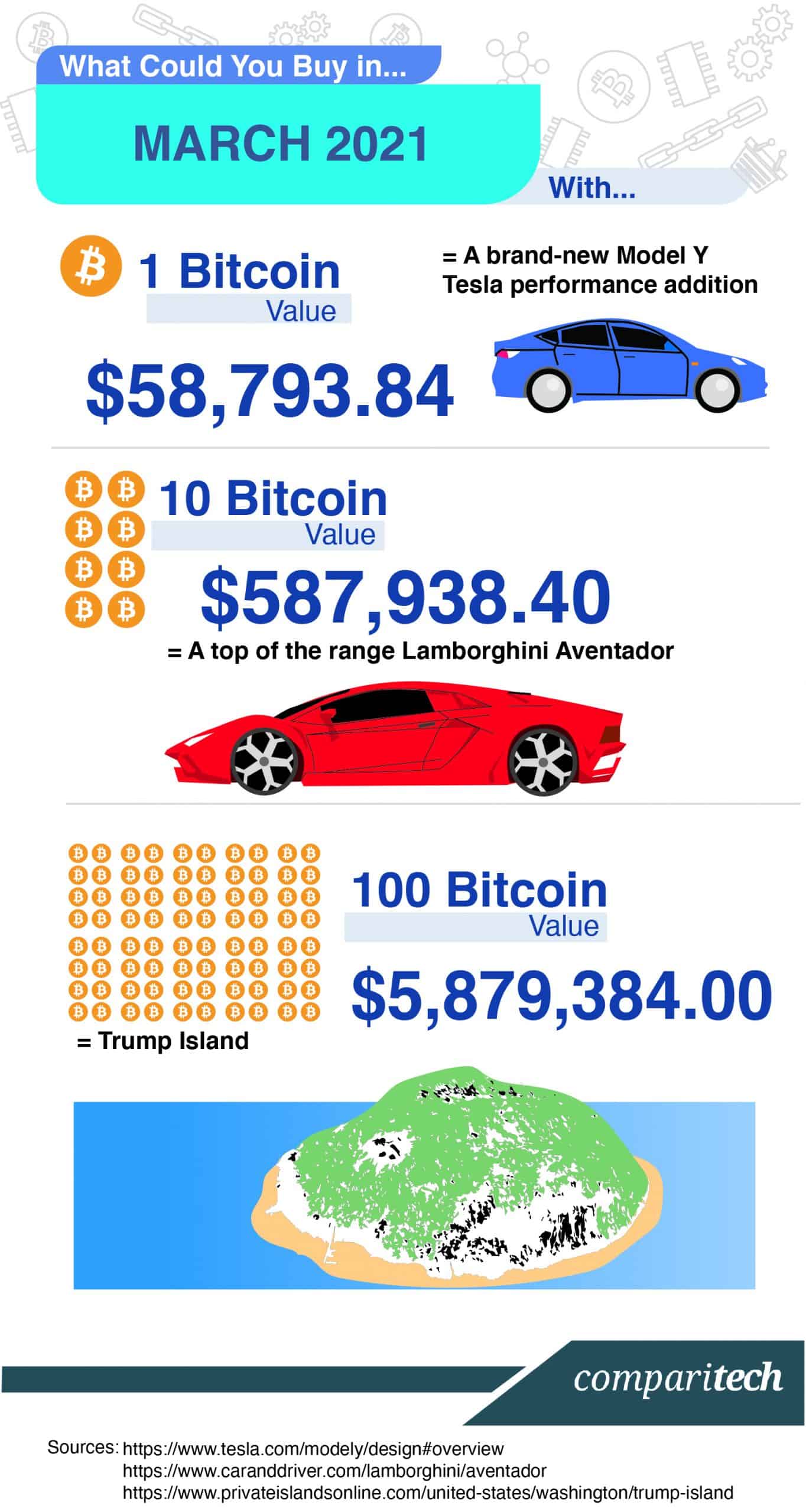
The question “how much is 1 BTC?” is far more than a simple inquiry into a price tag; it’s an entry point into understanding a complex, dynamic, and revolutionary asset class. Bitcoin (BTC), the world’s first decentralized digital currency, has evolved from an obscure internet experiment into a global financial phenomenon, capturing the attention of individual investors, institutional giants, and even sovereign nations. Its value fluctuates constantly, driven by a confluence of technological innovation, market sentiment, macroeconomic forces, and regulatory developments. For anyone looking to understand, invest in, or simply comprehend the digital economy, grasping Bitcoin’s valuation mechanisms is paramount.
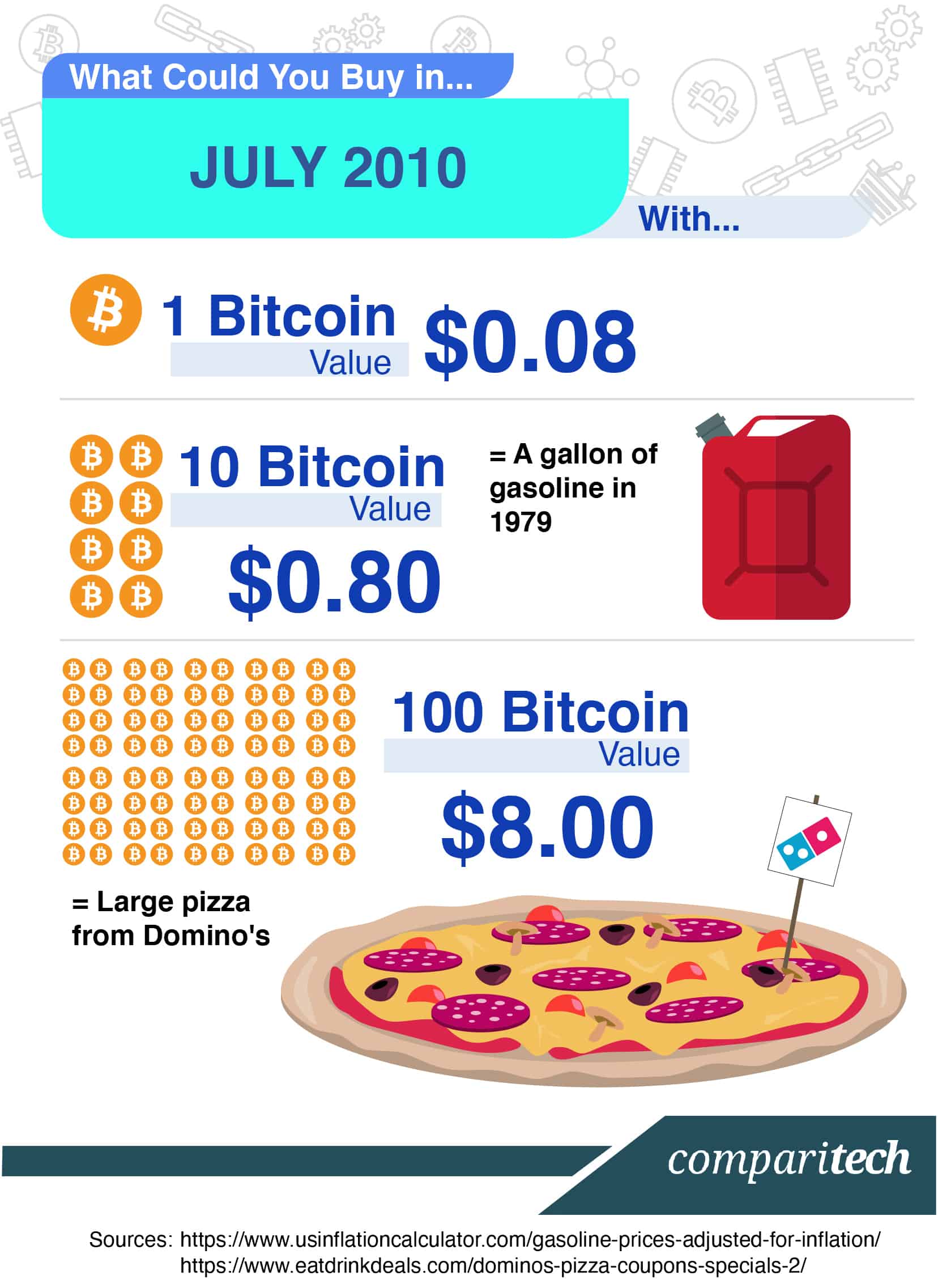
At its core, Bitcoin represents a paradigm shift in how we perceive and manage money. It operates on a decentralized blockchain network, free from central bank control or government oversight, offering a new alternative to traditional fiat currencies and financial systems. This fundamental distinction is crucial for understanding why its price behaves differently from stocks, bonds, or even commodities. This article delves into the multifaceted nature of Bitcoin’s value, exploring its drivers, market dynamics, investment implications, and the broader financial landscape it inhabits.
The Dynamic Valuation of Bitcoin
Unlike a fixed asset or a company stock whose value is tied to earnings or assets, Bitcoin’s price is a real-time reflection of global supply and demand across numerous exchanges. Its valuation is inherently dynamic, characterized by rapid shifts that can occur minute by minute. Understanding this volatility and the forces behind it is key for any prospective investor or observer.
Real-Time Price Discovery: Where to Look
The current price of 1 BTC is not determined by a single entity but aggregated from countless transactions occurring across hundreds of cryptocurrency exchanges worldwide. Each exchange has its own order book where buyers and sellers place bids and asks, creating a continuous auction. The “market price” you see quoted on financial news sites or dedicated crypto trackers is typically an average or a weighted average of these real-time trades.
For example, platforms like CoinMarketCap, CoinGecko, TradingView, and even mainstream financial outlets like Bloomberg or Reuters offer live price feeds for Bitcoin. These platforms often display not just the current price but also historical data, trading volume, market capitalization, and other relevant metrics. When asking “how much is 1 BTC?”, it’s essential to remember that the answer is constantly changing and can vary slightly depending on the specific exchange you’re referencing due to minor differences in liquidity and trading activity. However, arbitrage opportunities generally keep these prices closely aligned across major platforms.
The Fundamental Drivers of Bitcoin’s Price
While supply and demand are the immediate forces, several underlying factors fundamentally drive those forces:
- Scarcity and Supply Cap: Bitcoin has a hard cap of 21 million coins that will ever be mined. This fixed, verifiable scarcity is often compared to digital gold, providing a strong counterpoint to fiat currencies, which can be printed infinitely. As new Bitcoins are mined, the rate of issuance decreases over time, contributing to its deflationary characteristic.
- Demand for Digital Gold/Store of Value: A significant portion of Bitcoin’s demand comes from its perception as a “store of value” and a hedge against inflation or economic instability. In times of geopolitical uncertainty or monetary easing by central banks, investors often turn to Bitcoin, much like they would to physical gold, seeking an uncorrelated asset.
- Adoption and Utility: The increasing acceptance of Bitcoin by merchants, payment processors, and institutional investors boosts its utility and legitimacy. When major companies like Tesla or MicroStrategy add Bitcoin to their balance sheets, or when countries like El Salvador adopt it as legal tender, it signals growing mainstream acceptance, driving demand.
- Network Effects: As more users, developers, and businesses build upon or utilize the Bitcoin network, its value grows. This network effect reinforces its position as the dominant cryptocurrency and strengthens its security and resilience.
- Technological Developments: Upgrades to the Bitcoin protocol, such as the Lightning Network for faster and cheaper transactions, or the Taproot upgrade for enhanced privacy and smart contract capabilities, can increase its utility and attract new users, positively impacting demand.
Understanding Volatility: A Key Characteristic
Bitcoin is renowned for its price volatility, which is significantly higher than traditional assets. This characteristic can be attributed to several factors:
- Market Immaturity: Compared to centuries-old stock markets, the cryptocurrency market is relatively young and less mature, with thinner liquidity in some areas, making it more susceptible to large price swings.
- Speculative Nature: A substantial portion of Bitcoin’s trading volume is driven by speculation, with investors hoping to profit from short-term price movements. This speculative interest can amplify both upward and downward trends.
- Regulatory Uncertainty: The evolving and often inconsistent regulatory landscape across different jurisdictions can introduce uncertainty and trigger market reactions, both positive and negative.
- Macroeconomic Sensitivity: While sometimes seen as an inflation hedge, Bitcoin can also react to broader macroeconomic trends, such as interest rate changes, global liquidity shifts, or significant economic news, much like risk assets.
For investors, understanding and preparing for this volatility is crucial. It means not just observing the price but comprehending the underlying forces that contribute to its sometimes-wild fluctuations.
Investing in Bitcoin: More Than Just a Number
Beyond merely knowing “how much is 1 BTC,” potential investors must consider the broader implications of adding this asset to their portfolio. Bitcoin investment isn’t just about buying a digital coin; it’s about participating in a nascent financial ecosystem with unique opportunities and challenges.
Why Investors Are Drawn to BTC
Investors are drawn to Bitcoin for a variety of compelling reasons, often stemming from its unique attributes:
- Potential for High Returns: Historically, Bitcoin has delivered exceptional returns, outperforming traditional assets over various time horizons. While past performance is no guarantee of future results, the potential for significant growth remains a primary attraction.
- Diversification: For some, Bitcoin offers portfolio diversification due to its low correlation with traditional asset classes like stocks and bonds. This can potentially reduce overall portfolio risk, though its increasing correlation with tech stocks has been noted in recent years.
- Inflation Hedge: As discussed, its fixed supply makes it an attractive hedge against inflation, particularly when central banks engage in aggressive monetary expansion.
- Financial Inclusion and Empowerment: For individuals in regions with unstable currencies or limited access to traditional banking, Bitcoin offers an alternative financial system that is permissionless and accessible with an internet connection.
- Technological Belief: Many investors are also buying into the underlying blockchain technology and the future potential of decentralized finance (DeFi) and Web3 applications that Bitcoin underpins.
Navigating Entry: Acquiring Bitcoin
Acquiring Bitcoin has become significantly easier and more accessible over the years. The primary methods include:
- Cryptocurrency Exchanges: Platforms like Coinbase, Binance, Kraken, and Gemini allow users to buy and sell Bitcoin using fiat currency (e.g., USD, EUR) or other cryptocurrencies. These exchanges offer varying fee structures, security features, and user interfaces.
- Brokerage Platforms: Some traditional brokerage firms and fintech apps, such as PayPal, Cash App, or Robinhood, now offer the ability to buy and sell Bitcoin, integrating it into more conventional investment portfolios.
- Bitcoin ATMs: While less common, Bitcoin ATMs allow users to purchase BTC with cash, often for a higher fee.
- Peer-to-Peer (P2P) Trading: Platforms like LocalBitcoins enable direct trading between individuals, often with more diverse payment options, though this method requires greater caution regarding counterparty risk.
Regardless of the method, setting up a secure digital wallet (either hot wallet on an exchange or a cold wallet for self-custody) is a crucial step to safeguard your investment.
The Concept of Fractional Ownership
The price of 1 BTC can seem prohibitively high for many individual investors. However, it’s vital to understand that Bitcoin is highly divisible. You don’t need to buy a whole Bitcoin; you can purchase fractions of it. The smallest unit of Bitcoin is called a “satoshi,” named after its anonymous creator, Satoshi Nakamoto. One Bitcoin is divisible into 100 million satoshis (0.00000001 BTC).
This fractional ownership makes Bitcoin accessible to virtually any budget. You can invest $100, $1,000, or any amount you choose, and you will own the corresponding fraction of a Bitcoin. This divisibility is a critical feature that enhances its liquidity and broadens its appeal to a global retail investor base.
Key Influencers on Bitcoin’s Trajectory
Understanding the current price of 1 BTC is one thing; predicting its future trajectory is another, requiring an appreciation of the powerful forces that shape its market. These influences extend beyond mere supply and demand, touching upon global economics, technological innovation, and political decisions.
Macroeconomic Factors and Global Events
Bitcoin’s price is increasingly intertwined with global macroeconomic conditions.
- Inflation Rates: High inflation in traditional economies can push investors towards Bitcoin as a perceived hedge against the erosion of purchasing power.
- Interest Rates: Changes in central bank interest rates can influence the appetite for risk assets. Higher rates might make “safer” investments more attractive, potentially drawing capital away from Bitcoin, while lower rates could have the opposite effect.
- Geopolitical Instability: Conflicts, political unrest, or major global crises can prompt a flight to perceived safe havens, sometimes including Bitcoin, particularly in regions where trust in local financial systems is low.
- Dollar Strength: As Bitcoin is primarily priced in USD, the strength or weakness of the US dollar can impact its relative value. A weaker dollar often makes Bitcoin appear more attractive to international investors.
Regulatory Landscape and Institutional Adoption
Regulation is a double-edged sword for Bitcoin.
- Clarity and Legitimacy: Clear and supportive regulations can provide legitimacy, reduce uncertainty, and pave the way for broader institutional adoption, bringing significant capital into the market. Examples include the approval of Bitcoin ETFs in various countries, which make it easier for traditional investors to gain exposure.
- Restrictions and Bans: Conversely, restrictive regulations or outright bans in certain jurisdictions can trigger sell-offs and limit market access. The crackdown on crypto mining in China, for instance, led to a significant market correction and a shift in mining dominance.
- Institutional Embrace: The growing involvement of large financial institutions, hedge funds, and publicly traded companies in Bitcoin through direct investments, custodial services, or derivatives markets signals a maturation of the asset class. This institutional “smart money” often brings increased liquidity and stability, but also greater correlation with traditional markets.
Technological Advancements and Network Upgrades
While Bitcoin’s core protocol is designed for stability, continuous development occurs on layers built upon it.
- Scalability Solutions: Improvements to scalability, such as the Lightning Network, aim to enable faster and cheaper transactions, increasing Bitcoin’s utility as a medium of exchange. Successful implementation and adoption of these solutions can enhance its value proposition.
- Security Enhancements: Ongoing efforts to maintain and improve the network’s security are paramount. Any perceived vulnerability could severely impact trust and price.
- Interoperability: Developments that allow Bitcoin to interact more seamlessly with other blockchain networks or traditional financial systems could expand its reach and potential applications.
The Impact of Halving Events
One of the most significant and predictable events influencing Bitcoin’s long-term price trajectory is the “halving.” Approximately every four years, the reward for mining new blocks on the Bitcoin blockchain is cut in half. This reduces the rate at which new Bitcoins are introduced into circulation, further reinforcing its scarcity.
Historically, halving events have been followed by significant bull runs, as the reduced supply pressure, coupled with sustained or increasing demand, leads to upward price momentum. While past performance is not indicative of future results, the halving mechanism is a programmed supply shock that analysts closely watch as a key driver of Bitcoin’s long-term value appreciation. The scarcity model enshrined in its code is fundamental to its “digital gold” narrative.
Risks and Rewards: A Balanced Investment Perspective
Investing in Bitcoin, like any asset, comes with a distinct set of risks and potential rewards. A professional and insightful approach requires a balanced understanding of both.
Potential Upsides: Growth and Innovation
The primary reward for investing in Bitcoin is the potential for significant capital appreciation. Its historical performance has been remarkable, and many analysts believe it still has substantial growth potential due to:
- Continued Mainstream Adoption: As more individuals, businesses, and governments embrace digital assets, Bitcoin’s utility and demand are likely to grow.
- Emerging Market Role: Its role as a hedge against inflation and a censorship-resistant store of value could become even more critical in an increasingly digital and economically volatile world.
- Technological Evolution: Ongoing innovation in the blockchain space could unlock new use cases and solidify Bitcoin’s foundational role in the future of finance.
- Institutional Capital Inflows: The sustained entry of large institutional investors could provide significant upward pressure on its price, bringing more stability and liquidity to the market.
Inherent Risks: Volatility, Security, and Regulation
Despite the upsides, several substantial risks must be acknowledged:
- Extreme Volatility: Bitcoin’s price can experience dramatic swings, leading to substantial paper losses in short periods. Investors must have a high tolerance for risk and a long-term perspective.
- Regulatory Uncertainty: Shifting government policies and potential crackdowns could negatively impact Bitcoin’s legality, accessibility, and market value in various regions.
- Security Risks: While the Bitcoin blockchain itself is highly secure, individual investors face risks from exchange hacks, phishing scams, and losing private keys, which can lead to irreversible loss of funds. Proper self-custody practices are essential.
- Competition: While dominant, Bitcoin faces competition from other cryptocurrencies that offer different features or promise higher scalability, though none have yet matched its network effect or security.
- Environmental Concerns: The energy consumption associated with Bitcoin mining has raised environmental concerns, which could lead to regulatory pressure or negative public perception.
Best Practices for BTC Investors
For those considering an investment in Bitcoin, professional financial advice often includes:
- Diversification: Never invest more than you can afford to lose, and ensure Bitcoin is part of a diversified portfolio, not the entirety of it.
- Long-Term Horizon: Given its volatility, a long-term investment horizon (e.g., 5+ years) is generally recommended to ride out market cycles.
- Dollar-Cost Averaging (DCA): Investing a fixed amount regularly, regardless of the price, can mitigate the impact of volatility and average out your purchase price over time.
- Secure Storage: Prioritize the security of your Bitcoin. Use strong passwords, two-factor authentication, and consider hardware wallets for significant holdings.
- Stay Informed: Continuously educate yourself about the market, technology, and regulatory developments to make informed decisions.
In conclusion, “how much is 1 BTC” is a question that requires a nuanced and comprehensive answer, one that acknowledges its dynamic price, its fundamental drivers, its role in modern portfolios, and the unique risks and rewards it presents. As Bitcoin continues to mature and integrate into the global financial fabric, understanding these complexities will be paramount for anyone navigating the evolving landscape of digital money.
aViewFromTheCave is a participant in the Amazon Services LLC Associates Program, an affiliate advertising program designed to provide a means for sites to earn advertising fees by advertising and linking to Amazon.com. Amazon, the Amazon logo, AmazonSupply, and the AmazonSupply logo are trademarks of Amazon.com, Inc. or its affiliates. As an Amazon Associate we earn affiliate commissions from qualifying purchases.