
Bitcoin, often hailed as “digital gold,” has revolutionized the financial world since its inception in 2009. Its meteoric rise and infamous volatility have captivated investors, financial institutions, and the general public alike. For many newcomers, the fundamental question remains: “How much is Bitcoin worth?” This seemingly simple inquiry opens the door to a complex, dynamic landscape of market forces, technological innovation, and investment strategies. Understanding Bitcoin’s value is not merely about checking a price ticker; it involves grasping its unique nature, the myriad factors influencing its price, and the various approaches to engaging with it as an investment asset. This article delves into the intricacies of Bitcoin’s valuation, providing a professional and insightful guide for those looking to comprehend its place in the modern investment portfolio.
Deconstructing Bitcoin’s Valuation: More Than Just a Number
The “price” of Bitcoin at any given moment is a snapshot, a consensus formed by global supply and demand across various exchanges. However, its underlying “worth” is a more profound concept, encompassing its utility, scarcity, and potential as a store of value.
The Elusive “Current Price”: Where to Find It
Unlike traditional stock markets with singular closing prices, Bitcoin’s price is a constantly fluctuating global average. It trades 24/7 across hundreds of exchanges worldwide, leading to slight variations between platforms. To find the current price, investors typically consult reputable cryptocurrency data aggregators (like CoinMarketCap, CoinGecko, or TradingView), major exchange platforms (e.g., Coinbase, Binance, Kraken), or financial news outlets that track digital assets. These sources provide real-time data, often displaying prices in various fiat currencies (USD, EUR, JPY) and even against other cryptocurrencies. It’s crucial to remember that this “current price” is highly dynamic, reflecting instantaneous market sentiment and trading activity.
Bitcoin: Not a Stock, but an Asset Class
A common misconception, reflected in the original title’s phrasing, is referring to Bitcoin as a “stock.” Bitcoin is fundamentally different from a stock. A stock represents ownership equity in a publicly traded company, granting its holder a claim on the company’s assets and earnings. Bitcoin, conversely, is a decentralized digital currency and a store of value, operating on a peer-to-peer network without a central authority or issuing entity. It doesn’t represent ownership in a company. Instead, it’s a standalone digital asset, akin to commodities like gold or silver, or even a foreign currency, but with unique technological properties. Recognizing this distinction is vital for understanding its financial behavior and investment implications. It behaves as an entirely new asset class, often with low correlation to traditional markets, offering potential diversification benefits.
Understanding Volatility: The Nature of Digital Gold
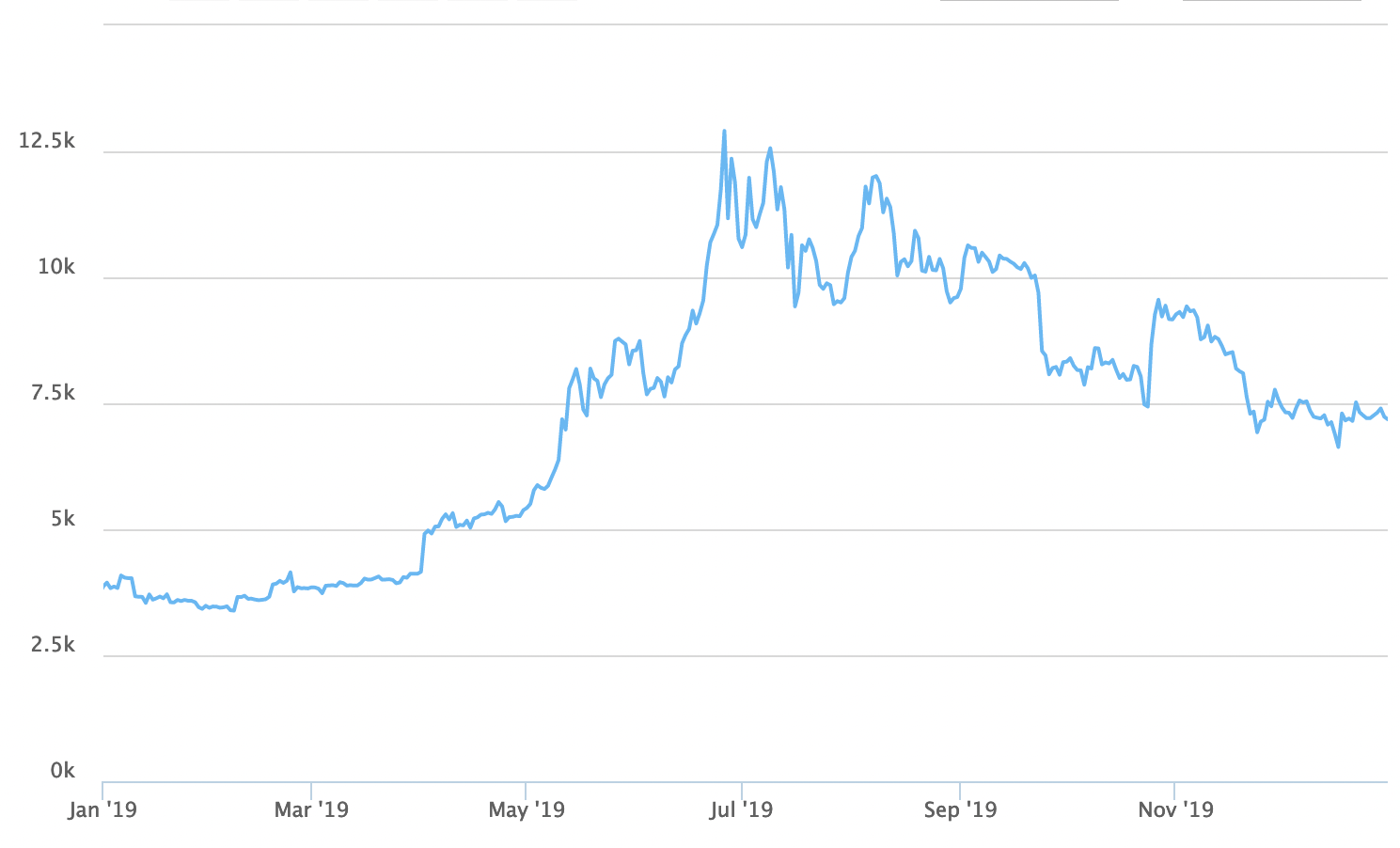
One of Bitcoin’s most defining characteristics is its extreme price volatility. Swings of 5-10% in a single day are not uncommon, and historically, much larger percentage moves have been observed. This volatility stems from several factors, including its relatively smaller market capitalization compared to traditional assets, speculative trading, rapid shifts in investor sentiment, regulatory uncertainty, and its nascent stage of adoption. For investors, this volatility presents both significant opportunities for gain and substantial risks of loss. Acknowledging and preparing for this inherent characteristic is paramount for anyone considering an allocation to Bitcoin, emphasizing the need for a long-term perspective and a clear understanding of personal risk tolerance.
Key Drivers Behind Bitcoin’s Price Movements
Bitcoin’s price is a complex interplay of economic, technological, social, and geopolitical factors. While difficult to predict with certainty, understanding these underlying drivers can provide a more informed perspective on its potential future trajectory.
Supply and Demand Dynamics: The Scarcity Principle
At its core, Bitcoin’s value is driven by the fundamental economic principles of supply and demand. Its supply is algorithmically capped at 21 million coins, making it a truly scarce asset. This fixed supply, combined with decreasing new issuance over time (due to halving events), creates a deflationary pressure. As demand for Bitcoin increases—driven by factors such as growing adoption, interest from institutional investors, or its perception as a hedge against inflation—its price tends to rise, given the limited and predictable supply. Conversely, a reduction in demand or a surge in supply (e.g., large holders selling off significant amounts) can lead to price drops.
Adoption, Utility, and Network Effects
The real-world utility and adoption of Bitcoin play a crucial role in its valuation. As more individuals, businesses, and even nations accept Bitcoin for transactions, store it as a hedge, or integrate it into financial systems, its network effect strengthens. This increased utility and broader acceptance contribute to its perceived value as a viable currency and a legitimate asset. Factors such as the growth of payment processors supporting Bitcoin, the development of the Lightning Network for faster transactions, and the expansion of Bitcoin-backed financial products all contribute to its utility and, consequently, its demand.
Regulatory Landscape and Geopolitical Influences
Government regulations, or the lack thereof, significantly impact Bitcoin’s price. Positive regulatory clarity can instill confidence among institutional investors, leading to increased capital inflow. Conversely, strict bans, restrictive legislation, or uncertainty about future regulations can trigger sell-offs. Geopolitical events, such as economic instability in specific regions, currency devaluations, or international conflicts, can also drive demand for Bitcoin as a decentralized, censorship-resistant alternative to traditional financial systems, often referred to as a “safe haven” asset.
Macroeconomic Factors and Investor Sentiment
Global macroeconomic conditions play an increasingly important role in Bitcoin’s price. During periods of high inflation or economic uncertainty, some investors view Bitcoin as a hedge against fiat currency devaluation, similar to gold. Interest rate changes, fiscal policies, and global liquidity trends can also influence the broader appetite for risk assets, including cryptocurrencies. Furthermore, market sentiment, often fueled by news cycles, social media trends, and influencer opinions, can lead to rapid shifts in price. Positive news about institutional adoption or technological breakthroughs can spark rallies, while negative headlines or security breaches can trigger sharp declines.
The Impact of Halving Events
Approximately every four years, the reward for mining new Bitcoin blocks is cut in half. This “halving” event reduces the rate at which new Bitcoin enters circulation, reinforcing its scarcity. Historically, halving events have preceded significant bull runs, as the reduced supply shock amplifies demand pressures. While past performance is not indicative of future results, these programmed scarcity events are a unique and predictable feature of Bitcoin’s monetary policy that investors closely monitor.
Investing in Bitcoin: Pathways and Considerations
For those convinced by Bitcoin’s potential, various avenues exist for investment, each with its own set of advantages and risks. Understanding these pathways is crucial for making informed financial decisions.

Direct Purchase: Exchanges and Wallets
The most straightforward way to invest in Bitcoin is by purchasing it directly through a cryptocurrency exchange (e.g., Coinbase, Binance, Kraken, Gemini). These platforms allow users to buy Bitcoin using fiat currency and often provide secure digital wallets to store the assets. After purchasing, investors have the option to hold their Bitcoin on the exchange (custodial) or transfer it to a personal, non-custodial wallet (hardware wallet for offline storage or software wallet). While direct ownership offers maximum control, it also places the responsibility for security entirely on the investor. Learning about “cold storage” (offline wallets) is highly recommended for larger holdings to mitigate hacking risks.
Indirect Exposure: ETFs, Funds, and Futures
For investors who prefer not to handle the complexities of direct ownership, or who wish to invest through traditional brokerage accounts, indirect investment options are emerging. Bitcoin Exchange-Traded Funds (ETFs) and Bitcoin funds (e.g., Grayscale Bitcoin Trust) allow investors to gain exposure to Bitcoin’s price movements without directly owning the underlying asset. These products are typically regulated and traded on traditional stock exchanges, offering a familiar investment vehicle. Futures contracts also allow sophisticated investors to speculate on Bitcoin’s future price without direct ownership. While these methods offer convenience and regulatory oversight, they may come with management fees and often track Bitcoin’s price imperfectly.
Assessing Risk and Reward: A Balanced Perspective
Investing in Bitcoin carries substantial risks, primarily due to its high volatility and the nascent stage of the cryptocurrency market. Investors can experience significant losses, potentially even their entire investment. Risks include market volatility, regulatory changes, technological vulnerabilities (e.g., smart contract bugs, exchange hacks), and liquidity issues. However, the potential rewards are equally compelling. Historically, Bitcoin has delivered unparalleled returns over various timeframes, driven by its innovative technology, scarcity, and growing adoption. A balanced perspective involves acknowledging both the significant upside potential and the inherent downsides, and only investing capital one can afford to lose.
Developing a Sound Bitcoin Investment Strategy
Given Bitcoin’s unique characteristics, a thoughtful and disciplined investment strategy is crucial for navigating its market and aligning it with personal financial goals.
Long-Term Horizon vs. Short-Term Speculation
For most investors, especially those new to crypto, a long-term investment horizon is generally recommended. Bitcoin’s history has shown that while short-term movements are highly unpredictable, its long-term trend has been upward, rewarding patient investors who can withstand volatility. Short-term trading or speculation, attempting to profit from frequent price swings, is extremely challenging and often leads to losses, especially for inexperienced traders. A long-term approach aligns better with Bitcoin’s narrative as a store of value and a potential future global reserve asset.
The Power of Dollar-Cost Averaging (DCA)
One of the most effective strategies for investing in volatile assets like Bitcoin is dollar-cost averaging (DCA). This involves investing a fixed amount of money at regular intervals (e.g., weekly or monthly), regardless of Bitcoin’s price. When the price is high, your fixed sum buys fewer Bitcoin; when the price is low, it buys more. Over time, DCA helps to smooth out the average purchase price, reducing the impact of short-term volatility and removing the emotional burden of trying to “time the market.” This disciplined approach fosters consistent accumulation and can lead to better long-term results than attempting to buy at the absolute bottom or sell at the absolute top.
Portfolio Allocation and Diversification
Financial advisors typically recommend allocating only a small percentage of a diversified investment portfolio to high-risk assets like Bitcoin. The exact percentage depends on individual risk tolerance, financial goals, and overall investment strategy. For many, a 1-5% allocation is considered reasonable for a speculative, high-growth asset. Diversification across different asset classes (stocks, bonds, real estate) and within the crypto space itself (e.g., holding other promising cryptocurrencies) is critical. Bitcoin should be viewed as a component of a broader financial plan, not the sole focus, to mitigate overall portfolio risk.
Security Best Practices for Digital Assets
Given the digital nature of Bitcoin, security is paramount. For investors holding Bitcoin directly, implementing robust security practices is non-negotiable. This includes using strong, unique passwords for exchange accounts, enabling two-factor authentication (2FA) with a physical security key if possible, and understanding the difference between hot (online) and cold (offline) wallets. For significant holdings, hardware wallets offer the best security by storing private keys offline. Being vigilant against phishing scams, never sharing private keys, and regularly backing up wallet information are crucial steps to protect your investment from theft or loss.
The Future of Bitcoin: Potential and Challenges
The journey of Bitcoin is far from over. Its future value and adoption will depend on a confluence of ongoing developments and the resolution of persistent challenges.
Continued Mainstream Integration
As institutions, corporations, and even sovereign nations increasingly explore and adopt Bitcoin, its mainstream integration is expected to deepen. This includes more widespread acceptance as a payment method, its use as a treasury asset by companies, and the development of further regulated investment products. Each step towards integration strengthens its legitimacy and broadens its investor base, potentially contributing to long-term price appreciation and reduced volatility.
Regulatory Evolution and Innovation
The regulatory landscape around Bitcoin and cryptocurrencies is continuously evolving. Clear, thoughtful regulations could provide the necessary framework for broader institutional participation and consumer protection, fostering a more mature and stable market. Conversely, overly restrictive or fragmented regulations could hinder innovation and adoption. The ongoing dialogue between policymakers and the crypto industry will significantly shape Bitcoin’s future trajectory.

Addressing Scalability and Environmental Concerns
Bitcoin faces challenges related to scalability (its ability to process a large volume of transactions quickly and cheaply) and its environmental impact due to the energy consumption of its mining process. While solutions like the Lightning Network are being developed to address scalability, and efforts are underway to promote renewable energy in mining, how effectively these issues are resolved will influence public perception, utility, and long-term sustainability. Continued innovation and responsible practices are vital for Bitcoin to fulfill its full potential.
In conclusion, understanding “how much Bitcoin is worth” is a journey into the heart of modern finance. It involves recognizing Bitcoin as a unique, volatile, and scarce digital asset, distinct from traditional stocks. Its value is driven by a complex interplay of supply/demand, adoption, regulation, and macroeconomic forces. For the discerning investor, a disciplined, long-term approach, coupled with sound risk management and robust security practices, is essential to navigate this revolutionary asset class and potentially harness its transformative power.
aViewFromTheCave is a participant in the Amazon Services LLC Associates Program, an affiliate advertising program designed to provide a means for sites to earn advertising fees by advertising and linking to Amazon.com. Amazon, the Amazon logo, AmazonSupply, and the AmazonSupply logo are trademarks of Amazon.com, Inc. or its affiliates. As an Amazon Associate we earn affiliate commissions from qualifying purchases.