
Bitcoin, the pioneering decentralized digital currency, continues to captivate global attention, oscillating between being hailed as the future of finance and dismissed as a speculative bubble. For investors, financial institutions, and enthusiasts alike, the persistent question remains: “How are Bitcoins doing?” This article delves into Bitcoin’s current financial performance, the key drivers shaping its value, its historical journey through market cycles, and crucial investment considerations, all strictly through the lens of finance and investing.
Bitcoin’s Current Market Performance and Volatility
To understand Bitcoin’s current standing, it’s essential to analyze its recent price action, market capitalization, and the inherent volatility that defines this asset class. Bitcoin’s performance is not merely a number; it’s a reflection of complex interactions within global finance, technological innovation, and evolving investor sentiment.

Price Movements and Market Capitalization
Bitcoin’s price is notoriously dynamic, marked by significant swings that can occur within days or even hours. In recent periods, Bitcoin has navigated a landscape influenced by macroeconomic headwinds, a shifting regulatory environment, and alternating waves of institutional and retail interest. Its market capitalization—the total value of all Bitcoins in circulation—fluctuates in tandem with its price, solidifying its position as the largest cryptocurrency by a considerable margin. This dominance often makes Bitcoin a bellwether for the broader crypto market, with its movements influencing altcoins. Investors closely monitor daily, weekly, and monthly price charts to identify trends, support levels, and resistance points, attempting to forecast future movements based on technical analysis and fundamental shifts. Understanding the current price context, whether it’s consolidating after a rally, struggling to break through resistance, or finding support after a correction, is crucial for any financial assessment.
Understanding Bitcoin’s Volatility
Volatility is perhaps Bitcoin’s most defining characteristic as a financial asset. While traditional assets like stocks and bonds also experience price fluctuations, Bitcoin’s swings are often magnified, presenting both immense opportunity and significant risk. This volatility stems from several factors: its relatively smaller market size compared to traditional assets, its 24/7 global trading nature, its susceptibility to news and sentiment (both positive and negative), and the lack of a centralized “circuit breaker” like those found in traditional exchanges. Historical data reveals periods of parabolic growth followed by sharp corrections, sometimes shedding 50% or more of its value in short order. For investors, embracing or mitigating this volatility is central to their strategy, whether through dollar-cost averaging to smooth out entry points, employing risk management techniques like stop-loss orders, or maintaining a long-term hodling (holding) strategy to ride out short-term fluctuations.
Trading Volume and Liquidity Trends
Trading volume provides critical insight into the health and activity of the Bitcoin market. High trading volumes typically indicate strong market interest and greater liquidity, making it easier for large orders to be executed without significantly impacting the price. Conversely, low volumes can suggest waning interest or a market in consolidation, where price movements might be more easily manipulated. Analyzing liquidity trends across various exchanges helps investors gauge market depth and efficiency. The influx of institutional money often correlates with increased volume, as larger players require robust liquidity to manage their positions. Trends in spot trading, derivatives markets (futures and options), and even decentralized finance (DeFi) platforms where Bitcoin is often wrapped or used as collateral, all contribute to a comprehensive picture of its current market standing.
Key Drivers Influencing Bitcoin’s Value
Bitcoin’s value is not determined in a vacuum. A confluence of macroeconomic forces, regulatory decisions, and adoption trends significantly impact its price trajectory, creating a complex interplay that investors must navigate.
Macroeconomic Factors and Global Financial Markets
Bitcoin has increasingly shown correlations with traditional financial markets, particularly during periods of high economic uncertainty. Factors such as inflation, interest rate hikes by central banks, and geopolitical events can have a profound impact. When inflation fears rise, some investors turn to Bitcoin as a potential hedge, dubbing it “digital gold.” Conversely, rising interest rates in traditional markets can make riskier assets like Bitcoin less attractive as the cost of capital increases and safer investments yield better returns. The performance of major stock indices, commodity prices, and the strength of the U.S. dollar also frequently provide context for Bitcoin’s movements, challenging the long-held narrative of complete decoupling from the legacy financial system. Understanding these macro trends is paramount for any investor seeking to position themselves strategically within the Bitcoin market.
Regulatory Developments and Government Stance
Regulatory clarity (or lack thereof) remains a significant determinant of Bitcoin’s financial future. Positive developments, such as the approval of Bitcoin spot Exchange-Traded Funds (ETFs) in major economies, can open doors for a wider range of institutional investors and retail adoption, leading to increased demand and price appreciation. Conversely, outright bans, stringent taxation policies, or ambiguous legal frameworks in key jurisdictions can introduce uncertainty and dampen investor enthusiasm. Countries exploring central bank digital currencies (CBDCs) also contribute to the regulatory narrative, sometimes creating competition for decentralized cryptocurrencies. The evolving global regulatory landscape, from specific legislation regarding crypto assets to international cooperation on compliance, is a constant factor that shapes investor confidence and market sentiment.
Institutional Adoption and Mainstream Integration
One of the most significant shifts in Bitcoin’s financial journey has been the accelerating pace of institutional adoption. Major corporations adding Bitcoin to their balance sheets, large asset managers launching crypto funds, and traditional financial services firms offering Bitcoin-related products have lent considerable credibility and capital to the ecosystem. Beyond direct investment, the integration of Bitcoin into payment systems by companies like PayPal, Visa, and Mastercard has expanded its utility beyond a pure store of value, enhancing its liquidity and accessibility. This mainstreaming reduces perceived risk and broadens its appeal to a more diverse investor base, moving it from a niche asset to a more established component of the global financial infrastructure. Continued growth in institutional involvement is often viewed as a strong bullish signal for Bitcoin’s long-term value proposition.
Technological Progress and Network Health
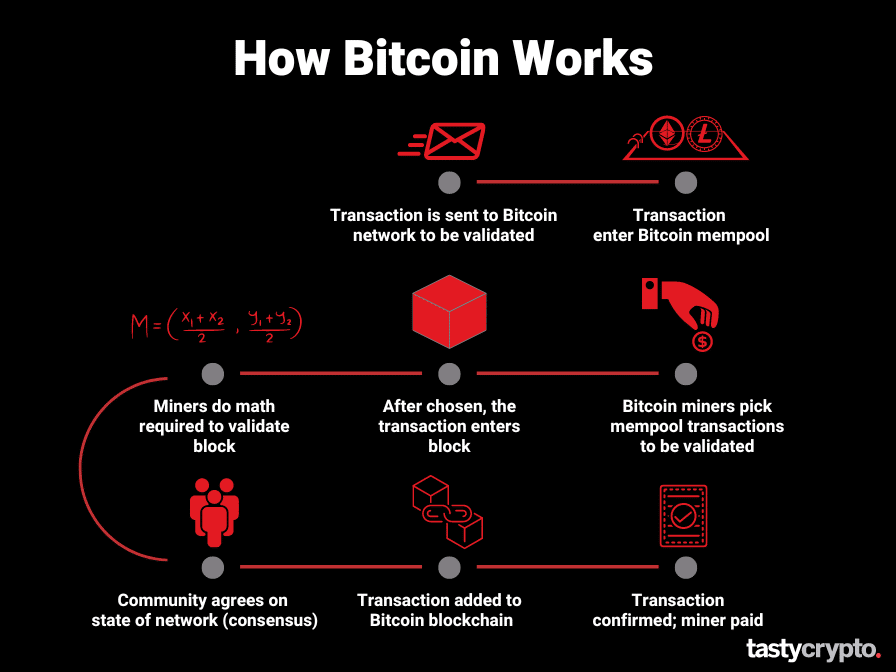
While not purely a financial metric, the underlying technology and health of the Bitcoin network profoundly influence its financial viability. Developments like the Lightning Network, which enhances scalability and transaction speed, or protocol upgrades such as Taproot, which improve privacy and efficiency, can bolster Bitcoin’s utility and long-term attractiveness as a financial asset. The network’s security, measured by its hash rate (the total computational power securing the network), is a critical factor; a robust hash rate indicates a strong, secure, and resilient blockchain, which is fundamental to its trustworthiness as a store of value. Furthermore, the quadrennial “halving” events, which reduce the rate at which new Bitcoins are created, are critical supply-side shocks that have historically preceded significant price rallies, making them a closely watched financial event.
A Historical Perspective: Bitcoin’s Journey Through Cycles
Understanding Bitcoin’s current performance requires acknowledging its past. Bitcoin has a storied history marked by dramatic booms and busts, each cycle offering valuable lessons for current and future investors.
Bull and Bear Markets: A Cyclical Pattern
Bitcoin’s price history is characterized by distinct bull and bear market cycles. Bull markets, driven by speculative fervor, technological breakthroughs, or macroeconomic tailwinds, have seen Bitcoin’s price surge by hundreds or even thousands of percent. These periods often attract widespread media attention and retail investors. Conversely, bear markets follow, marked by sharp corrections, prolonged downturns, and a significant reduction in trading activity. These cycles are often influenced by market sentiment, liquidity, and external events. Recognizing these patterns helps investors manage expectations and devise long-term strategies, understanding that significant drawdowns are a historical norm rather than an anomaly. The ability to identify where Bitcoin might be in its current cycle is a crucial skill for financial decision-making.
The Impact of Halving Events
Every four years (approximately), the reward for mining new blocks on the Bitcoin network is halved. This programmatic scarcity mechanism, hardcoded into Bitcoin’s protocol, reduces the supply of new Bitcoins entering circulation. Historically, these halving events have been significant catalysts for price appreciation, as reduced supply meets sustained or increasing demand. While not a guaranteed predictor of future performance, the historical correlation between halvings and subsequent bull runs is a compelling data point for many long-term investors. Analyzing the impact of past halvings (2012, 2016, 2020, and the most recent one in 2024) provides insight into how supply-side economics play a unique role in Bitcoin’s financial cycles.
Learning from Past Performance
Studying Bitcoin’s past performance offers crucial insights. It underscores the importance of a long-term perspective, as Bitcoin’s overall trend has been upward despite numerous significant corrections. It highlights the role of market psychology, where fear and greed often dictate short-term movements. Past cycles also reveal the growing resilience of the Bitcoin network and its ecosystem; despite numerous predictions of its demise, Bitcoin has repeatedly recovered from bear markets, often emerging stronger due to infrastructure development and increased adoption during quieter periods. For investors, these historical lessons reinforce principles like diversification, risk management, and the potential benefits of dollar-cost averaging over attempts to time the market.
Investment Considerations and Future Outlook
For those looking at Bitcoin from a purely financial perspective, understanding its role as an investment asset, its inherent risks, and its potential future trajectory is paramount.
Bitcoin as a Diversifier and Store of Value
Many investors view Bitcoin as a potential portfolio diversifier, given its historical low correlation with traditional asset classes for significant periods. This characteristic, though sometimes challenged during macro downturns, makes it an attractive addition for sophisticated investors seeking to reduce overall portfolio risk or enhance returns. Furthermore, the narrative of Bitcoin as a “digital gold” or a hedge against inflation continues to gain traction. Its fixed supply cap of 21 million coins and decentralized nature appeal to those concerned about currency debasement by central banks. While still a nascent asset, its role as a potential store of value in a digital age is a core part of its long-term investment thesis.
Risks and Opportunities for Investors
Investing in Bitcoin carries distinct risks. Market volatility, as discussed, is a primary concern. Regulatory uncertainty across different jurisdictions can impact its legality and utility. Security risks, while largely mitigated by robust exchange practices and personal cold storage, still exist through hacks, scams, and user error. Furthermore, its energy consumption and environmental impact remain a point of contention, potentially attracting regulatory scrutiny.
However, the opportunities are equally compelling. The potential for significant capital appreciation remains attractive, especially if global adoption continues to expand. Technological advancements could further enhance its utility and value. As global inflation persists, Bitcoin’s perceived role as a hard asset could strengthen. For investors, a balanced assessment of these risks and opportunities, aligned with their individual risk tolerance and financial goals, is essential.

The Road Ahead: Potential Scenarios and Projections
Predicting Bitcoin’s future price is inherently challenging, yet various scenarios and projections inform investor strategies. Bullish outlooks often cite increasing institutional adoption, continued regulatory clarity (especially for ETFs), expanding utility in payment systems, and its growing acceptance as a global reserve asset or inflation hedge. Bearish perspectives might point to potential sovereign bans, competition from state-backed digital currencies, or a major technological exploit.
The long-term outlook for Bitcoin largely hinges on its ability to sustain its network security, maintain its decentralized ethos, and continue integrating into the broader financial system. Expert projections vary widely, but a recurring theme is the increasing mainstreaming of Bitcoin, moving beyond its speculative roots to become a more integral, albeit still volatile, component of global finance. Its journey from a niche digital experiment to a significant financial asset is far from over, promising continued dynamism and critical analysis for years to come.
aViewFromTheCave is a participant in the Amazon Services LLC Associates Program, an affiliate advertising program designed to provide a means for sites to earn advertising fees by advertising and linking to Amazon.com. Amazon, the Amazon logo, AmazonSupply, and the AmazonSupply logo are trademarks of Amazon.com, Inc. or its affiliates. As an Amazon Associate we earn affiliate commissions from qualifying purchases.