
The question “how much is one Bitcoin worth?” is perhaps one of the most frequently asked in modern finance, yet its answer is anything but static. Unlike traditional fiat currencies whose values are relatively stable over short periods, Bitcoin’s worth is a live, fluctuating figure, a testament to its nature as a decentralized digital asset operating in a global, 24/7 market. Its value is not pegged to a physical commodity or controlled by a central bank but is instead determined by the intricate dance of supply and demand across myriad exchanges worldwide. For anyone looking to understand this groundbreaking asset, whether as a potential investor, a curious observer, or a financial professional, grasping the dynamics behind its valuation is paramount. This article delves into the financial mechanisms, market forces, and practical considerations that collectively define Bitcoin’s ever-changing worth, firmly situating our discussion within the realm of money, investment, and personal finance.

The Volatile Nature of Bitcoin’s Valuation
Bitcoin’s price history is characterized by extreme volatility, punctuated by periods of rapid ascent and sharp corrections. This inherent characteristic stems from its market-driven valuation, where its worth is a direct reflection of buyers’ willingness to pay and sellers’ willingness to accept at any given moment. This contrasts sharply with traditional assets, which often have more established valuation models and less dramatic price swings.
Real-Time Price Discovery: Where to Find Current Values
Given its continuous trading nature, Bitcoin’s worth is constantly updated. To find its current value, one must consult real-time data sources. Reputable cryptocurrency exchanges (like Coinbase, Binance, Kraken, Gemini) and financial data aggregators (such as CoinMarketCap, CoinGecko, TradingView, Bloomberg Terminal, Reuters Eikon) are the primary venues for price discovery. These platforms display Bitcoin’s price against various fiat currencies (e.g., USD, EUR, GBP) and other cryptocurrencies, reflecting the latest trades. It’s crucial to note that slight price discrepancies can exist between exchanges due to varying liquidity, trading volumes, and arbitrage opportunities, though these differences are usually minor. For investors, understanding how to read these real-time charts, interpret volume data, and track market trends is a foundational skill in managing Bitcoin exposure.
Understanding Market Capitalization and Supply
The total value of Bitcoin in circulation, known as its market capitalization, offers another perspective on its worth. Market cap is calculated by multiplying the current price of one Bitcoin by the total number of Bitcoins in circulation. This metric provides insight into the asset’s overall scale and dominance within the broader cryptocurrency ecosystem. A higher market cap often indicates greater liquidity and institutional interest, though it does not eliminate volatility. As of early 2024, there are over 19 million Bitcoins in circulation, out of a maximum supply capped at 21 million. This fixed and finite supply is a critical component of Bitcoin’s economic model and a significant factor in its long-term valuation proposition.
The Scarcity Principle: Bitcoin’s Fixed Supply
One of the most profound economic principles underpinning Bitcoin’s worth is its programmed scarcity. Unlike fiat currencies that can be printed infinitely by central banks, Bitcoin has a hard cap of 21 million coins. This fundamental design choice, baked into its protocol by its pseudonymous creator Satoshi Nakamoto, makes Bitcoin a deflationary asset by nature. Furthermore, the rate at which new Bitcoins are introduced into circulation (mined) is periodically halved, an event known as “halving,” which occurs approximately every four years. Each halving significantly reduces the supply of new Bitcoin, historically leading to periods of increased demand and price appreciation as the asset becomes scarcer relative to growing interest. This predictable, unalterable supply schedule provides a powerful long-term bull case for its value, appealing to investors seeking an asset that cannot be devalued through inflationary monetary policies.
Key Factors Influencing Bitcoin’s Price
Bitcoin’s price fluctuations are not random but are instead the result of a complex interplay of various economic, technological, regulatory, and psychological factors. Understanding these drivers is essential for any individual or institution considering an investment in this digital asset.
Supply and Demand Dynamics
At its core, Bitcoin’s price is dictated by the fundamental economic principles of supply and demand. When demand for Bitcoin outstrips the available supply on exchanges, its price tends to rise. Conversely, if more people are looking to sell than buy, the price will fall. Demand can be influenced by a myriad of factors, including macroeconomic conditions, news events, technological developments within the Bitcoin network, and evolving investor sentiment. Supply, as discussed, is inherently limited and predictable due to Bitcoin’s protocol, making demand-side fluctuations the primary driver of short-term price movements.
Regulatory Landscape and Geopolitical Events
Government regulations and geopolitical developments exert a substantial influence on Bitcoin’s perceived legitimacy and, consequently, its price. Positive regulatory clarity, such as the approval of spot Bitcoin ETFs in major financial markets, can significantly boost institutional adoption and investor confidence, leading to price appreciation. Conversely, crackdowns, bans, or unfavorable tax policies in major economies can trigger sell-offs and periods of uncertainty. Geopolitical events, such as wars, economic sanctions, or currency crises, can also impact Bitcoin’s value. In times of instability, some investors view Bitcoin as a “safe haven” asset, similar to gold, leading to increased demand, while others may liquidate assets during times of global economic stress.
Macroeconomic Factors (Inflation, Interest Rates)
Bitcoin’s role as an inflation hedge has been a subject of intense debate. Proponents argue that its fixed supply makes it a superior store of value compared to fiat currencies susceptible to inflation, especially during periods of quantitative easing or high government debt. When inflation rises, traditional assets might lose purchasing power, making Bitcoin an attractive alternative. Conversely, rising interest rates, especially in economies like the US, can make less risky assets (like bonds) more appealing, potentially drawing capital away from speculative assets like Bitcoin. The narrative around Bitcoin’s correlation with the broader financial markets, and its sensitivity to macro factors, continues to evolve as it matures as an asset class.
Technological Developments and Network Adoption
While we are focusing on the “Money” aspect, the underlying technology of Bitcoin does impact its monetary value. Improvements in the Bitcoin network, such as advancements in scalability (e.g., Lightning Network), enhanced security features, or increased user-friendliness of wallets and exchanges, can bolster its utility and appeal, thereby increasing demand. Furthermore, the increasing adoption of Bitcoin by merchants, payment processors, and financial institutions expands its real-world use cases, cementing its status as a viable currency and store of value. Conversely, any perceived vulnerabilities or significant technical setbacks could erode confidence and negatively impact its price.
Media Sentiment and Retail Investor Interest
Public perception and media coverage play a crucial role in shaping retail investor interest, which in turn influences Bitcoin’s price. Positive news, endorsements from prominent figures, or widespread media attention during bull markets can create a “fear of missing out” (FOMO) effect, driving new money into the market. Conversely, negative headlines, reports of hacks, or criticisms from financial authorities can trigger fear and selling pressure. Social media trends, influencer opinions, and online communities also contribute to rapid shifts in sentiment, often amplifying price movements in either direction.
Bitcoin as an Investment Asset
For many, the question of “how much is one Bitcoin worth” is inextricably linked to its potential as an investment. Bitcoin has demonstrated unprecedented returns over its lifetime, attracting a diverse range of investors from individual enthusiasts to large institutional players.

Diversification and Risk Management
From a portfolio management perspective, Bitcoin offers a unique avenue for diversification, given its often-low correlation with traditional asset classes like stocks and bonds. This can potentially enhance risk-adjusted returns within a diversified portfolio, especially for investors willing to embrace higher volatility. However, due to its inherent price swings, Bitcoin should be considered a high-risk, high-reward investment. Financial advisors often recommend allocating only a small, manageable portion of a portfolio to cryptocurrencies, aligning with an individual’s risk tolerance and investment horizons. Prudent risk management involves understanding one’s own financial capacity for loss and not investing more than one can afford to lose.
Long-Term vs. Short-Term Perspectives
Bitcoin appeals to both long-term (HODLers) and short-term traders. Long-term investors are typically drawn to Bitcoin’s fundamental value proposition: its scarcity, censorship resistance, and potential as a global, decentralized store of value. They often ride out short-term volatility, focusing on its multi-year growth trajectory. Short-term traders, on the other hand, attempt to profit from Bitcoin’s rapid price movements through active trading strategies, often employing technical analysis and various derivatives. Both approaches carry significant risks, and success largely depends on market knowledge, discipline, and effective risk management.
The Role of Exchange-Traded Funds (ETFs) and Institutional Adoption
The introduction of spot Bitcoin Exchange-Traded Funds (ETFs) in major markets like the U.S. marked a pivotal moment for institutional adoption. ETFs provide a regulated, accessible, and often more palatable way for traditional investors and institutions to gain exposure to Bitcoin’s price movements without directly owning or managing the underlying cryptocurrency. This development has significantly broadened the investor base, bringing substantial new capital into the Bitcoin market and further legitimizing it as an investable asset class. Increased institutional participation typically leads to greater liquidity and can potentially reduce some of the extreme volatility, though it does not eliminate it.
Understanding Bitcoin’s Correlation with Traditional Markets
Initially, Bitcoin was often touted as an uncorrelated asset, moving independently of traditional financial markets. However, as it has matured and institutional adoption has grown, its correlation with major indices like the S&P 500 and tech stocks has increased during certain periods. This suggests that Bitcoin is becoming more integrated into the broader global financial system, reacting to similar macroeconomic forces that affect traditional assets. Investors must therefore consider how Bitcoin’s performance might align with or diverge from their existing portfolios, especially during periods of market stress or economic uncertainty.
Practical Considerations for Bitcoin Holders
Beyond understanding its market value, individuals and businesses holding Bitcoin must navigate a range of practical financial and logistical considerations.
Custody Options: Wallets and Exchanges
Once Bitcoin is acquired, securing it properly is paramount. The primary method of storing Bitcoin is through digital wallets, which come in various forms:
- Hardware Wallets (Cold Storage): Physical devices that store private keys offline, offering the highest level of security against online threats. Examples include Ledger and Trezor.
- Software Wallets (Hot Storage): Applications running on computers or smartphones. They are convenient but generally less secure than hardware wallets due to their online connectivity.
- Exchange Wallets: Accounts held on cryptocurrency exchanges. While convenient for trading, they mean you don’t control your private keys (“not your keys, not your coin”), posing a counterparty risk in case of exchange insolvency or hacks.
Choosing the right custody solution depends on the amount of Bitcoin held, the user’s technical proficiency, and their risk tolerance.
Taxation Implications of Bitcoin Holdings
Governments worldwide are increasingly scrutinizing cryptocurrency transactions for tax purposes. The tax implications of owning, buying, selling, or using Bitcoin can be complex and vary significantly by jurisdiction. Generally, Bitcoin is treated as property for tax purposes in many countries, meaning capital gains taxes may apply when it’s sold for a profit. Using Bitcoin for purchases, or even exchanging one cryptocurrency for another, can also trigger taxable events. Keeping meticulous records of all Bitcoin transactions, including purchase dates, costs, and sale prices, is crucial for accurate tax reporting. Consulting with a tax professional specializing in cryptocurrencies is highly advisable to ensure compliance.
The Importance of Due Diligence and Research
Investing in Bitcoin requires substantial due diligence. Potential investors should not rely solely on hype or anecdotal evidence. Comprehensive research includes understanding the technology (even if the focus is financial, a basic grasp of blockchain and mining is helpful), market dynamics, regulatory environment, and the specific risks associated with cryptocurrency investments. Staying informed about global economic trends, technological advancements in the crypto space, and major news events will help in making informed decisions. Continuous learning and a critical approach are essential in this rapidly evolving asset class.
The Future Outlook for Bitcoin’s Value
Predicting the future value of Bitcoin is inherently speculative, yet understanding the potential long-term drivers and challenges provides crucial context for its current worth.
Potential for Continued Mainstream Adoption
The trajectory of Bitcoin’s value is closely tied to its continued mainstream adoption. As more individuals, businesses, and institutions integrate Bitcoin into their financial operations – whether as a payment rail, a treasury asset, or an investment vehicle – its utility and demand are likely to grow. Developments such as the increasing acceptance of Bitcoin by payment processors, the launch of institutional investment products, and broader public education on digital assets all contribute to this mainstreaming trend. If Bitcoin truly establishes itself as a global reserve asset or a widely accepted medium of exchange, its “worth” could dramatically increase beyond current valuations.
Challenges and Headwinds
Despite its potential, Bitcoin faces significant challenges. Regulatory uncertainty remains a pervasive issue, with different countries adopting varying approaches, some of which could hinder adoption. Energy consumption concerns related to its proof-of-work mining mechanism are also a frequent criticism, potentially impacting its environmental, social, and governance (ESG) appeal for certain institutional investors. Competition from other cryptocurrencies, technological scalability limitations, and the ever-present threat of cyber-attacks on exchanges or wallets also represent headwinds that could affect its long-term valuation and stability.
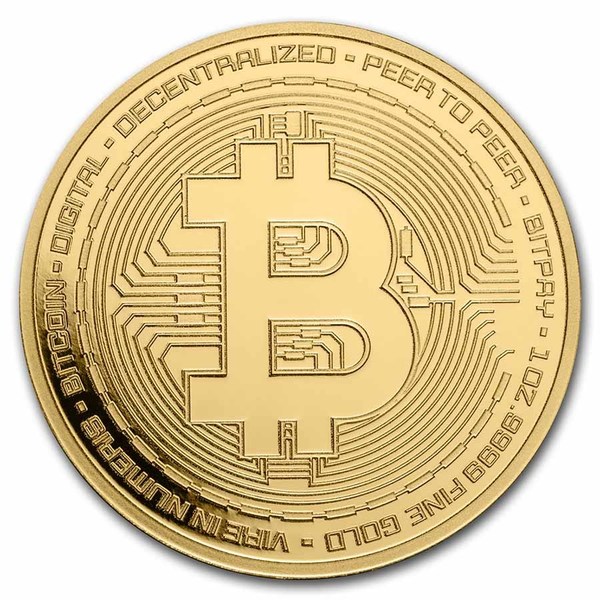
Bitcoin’s Role in a Digital Economy
Ultimately, Bitcoin’s long-term worth will be shaped by its evolving role in a rapidly digitizing global economy. Will it become the digital gold of the 21st century, a robust hedge against inflation and geopolitical instability? Will it serve as the backbone for a new, decentralized financial system, challenging traditional banking paradigms? Or will it remain a niche, albeit significant, speculative asset? The answers to these questions will determine “how much one Bitcoin is worth” in the decades to come. Its fundamental properties – decentralization, scarcity, and censorship resistance – position it uniquely to potentially address many of the shortcomings of traditional financial systems, offering a compelling vision for its enduring value in a digital-first world.
In conclusion, the worth of one Bitcoin is a dynamic figure, a reflection of its market-driven nature, its fixed supply, and the multifaceted forces that continuously shape its demand. For those operating within the financial sphere, understanding these elements is not merely an academic exercise but a critical necessity for informed decision-making in the era of digital assets. As Bitcoin continues to evolve and integrate into the global financial landscape, its value will remain a key indicator of its increasing significance.
aViewFromTheCave is a participant in the Amazon Services LLC Associates Program, an affiliate advertising program designed to provide a means for sites to earn advertising fees by advertising and linking to Amazon.com. Amazon, the Amazon logo, AmazonSupply, and the AmazonSupply logo are trademarks of Amazon.com, Inc. or its affiliates. As an Amazon Associate we earn affiliate commissions from qualifying purchases.