
In an increasingly digitized world, the traditional paradigm of television consumption has undergone a seismic shift. For decades, the ubiquitous cable box and the monthly bill that came with it were the default for accessing live television. Today, a new era has dawned, characterized by unprecedented flexibility, choice, and often, significant cost savings: live TV streaming. The question “where can I stream live TV?” is no longer a simple query but a gateway to understanding a complex, evolving ecosystem of digital entertainment. This guide aims to demystify the landscape, offering a professional and insightful look into the technology, services, and considerations for anyone looking to cut the cord.
The Evolution of Live TV Streaming: Beyond Traditional Cable
The journey from bulky satellite dishes and intricate cable wiring to sleek apps on smart devices represents one of the most significant technological advancements in media consumption. What started as a niche alternative has matured into a mainstream solution, driven by consumer demand for customization and control.
From Antennas to Internet Protocols
Before cable and satellite, over-the-air (OTA) broadcasts, captured by rooftop antennas, were the primary source of live television. This technology was simple, free, but limited in channel choice and prone to signal interference. Cable and satellite introduced a vast expansion of channels and improved reliability, but at the cost of monthly subscriptions and often, long-term contracts.
The advent of broadband internet laid the groundwork for the next revolution. Initially, internet streaming was synonymous with on-demand content – Netflix, Hulu, and Amazon Prime Video offering libraries of movies and TV shows to watch at leisure. However, as internet speeds improved and streaming technology matured, the potential to deliver live, linear television over the internet became not just feasible but highly desirable. This pivot allowed tech companies to circumvent the expensive infrastructure of traditional broadcasters, delivering content directly to consumers via their existing internet connection and a range of streaming devices.
The Rise of Cord-Cutting
Cord-cutting, the act of canceling traditional cable or satellite TV subscriptions in favor of internet-based alternatives, has become a pervasive trend. Driven by escalating cable bills, rigid bundles of unwanted channels, and the desire for more personalized viewing experiences, millions have made the switch. Live TV streaming services are central to this movement, offering a way to retain access to real-time news, sports, and favorite shows without the baggage of conventional TV providers.
The technology behind this shift is sophisticated, involving complex content delivery networks (CDNs), adaptive bitrate streaming to ensure smooth playback regardless of internet speed, and robust DRM (Digital Rights Management) systems to protect copyrighted content. These advancements have made streaming not just possible, but often superior in terms of picture quality and user interface compared to older cable systems.
Advantages of Streaming Over Cable
The technological advantages of live TV streaming are compelling. First and foremost is flexibility: subscribers can watch on a myriad of devices – smart TVs, smartphones, tablets, computers, and dedicated streaming boxes – wherever an internet connection is available. This multi-platform access contrasts sharply with cable, which often ties viewing to a specific set-top box in a specific location.
Secondly, customization is a core tenet. While bundles still exist, streaming services often offer more granular control over channel selection, allowing users to pay only for the content they genuinely want. This often translates to significant cost savings. Furthermore, most services include robust cloud DVR capabilities, allowing users to record live shows and watch them later, often without the storage limits or extra fees associated with physical DVRs from cable companies. The seamless integration of on-demand libraries with live programming further enhances the viewing experience, providing a comprehensive entertainment hub within a single application.
Major Players in the Live TV Streaming Arena
The market for live TV streaming is competitive, with several tech giants and media companies vying for subscribers. Each service boasts unique strengths, channel lineups, pricing models, and user experiences, catering to different viewer preferences.
YouTube TV: Comprehensive & User-Friendly
Backed by Google, YouTube TV stands out for its extensive channel lineup, which often includes a strong selection of local channels, major sports networks, and popular entertainment channels. Its unlimited cloud DVR storage, a feature almost unmatched in the industry, allows users to record as much content as they want and keep it for up to nine months. The interface is intuitive, leveraging Google’s expertise in search and recommendation, making it easy to find live broadcasts and on-demand content. Device compatibility is broad, encompassing virtually every major streaming platform.
Hulu + Live TV: Blending On-Demand & Live
Hulu + Live TV offers a unique proposition by integrating a vast on-demand library (Hulu’s existing service) with live television channels. This hybrid model is ideal for those who enjoy both current broadcast shows and a deep catalog of past seasons and movies. While its base plan includes a generous channel lineup, it’s particularly strong for entertainment and current network programming. The cloud DVR has limits in the base package, but can be upgraded. Its tight integration with the Hulu ecosystem is a significant draw for existing Hulu subscribers.
Sling TV: Budget-Friendly Customization
Sling TV, a pioneer in the live TV streaming space, caters to budget-conscious consumers through its a la carte channel packages. It offers two main base packages, ‘Orange’ (focused on ESPN and Disney channels) and ‘Blue’ (focused on Fox, NBC, and NFL Network), which can be combined or supplemented with various add-on genre packs (sports, news, lifestyle, etc.). This modular approach allows for significant cost control, though its channel selection can be less comprehensive than some competitors. It’s an excellent choice for those who know exactly which few channels they want.
FuboTV: The Sports Enthusiast’s Choice
FuboTV started primarily as a sports-centric streaming service and has since expanded to include a broad range of entertainment, news, and family channels, while retaining its strong emphasis on athletics. It boasts an impressive lineup of regional sports networks (RSNs) and international sports content, making it a go-to for dedicated sports fans. It generally offers 4K streaming options for select events, a cutting-edge feature. While its base plan is robust, the total cost can climb with numerous sports add-ons.
DirecTV Stream: Premium Channels & Local Coverage
DirecTV Stream (formerly AT&T TV Now) aims to replicate the premium cable experience online. It often carries a comprehensive selection of local channels and regional sports networks, which can be a significant advantage in areas where other services might struggle. Its packages tend to be higher priced but often include more premium movie channels and a larger starting channel count. It positions itself as a direct replacement for traditional cable, often appealing to those who want a similar channel lineup without the hardware.
Philo: Entertainment at a Bargain
For those solely interested in entertainment and lifestyle channels, Philo offers an incredibly affordable option. It lacks sports, news, and local broadcast channels, but makes up for it with a strong selection of popular networks like AMC, Comedy Central, HGTV, MTV, and Nickelodeon. Its unlimited cloud DVR and multiple simultaneous streams make it a compelling choice for casual viewers or as a supplementary service.
Understanding Key Features and Technical Considerations
Choosing a live TV streaming service isn’t just about picking a channel lineup; it involves understanding the underlying technology and how it impacts your viewing experience.
Channel Lineups and Regional Availability
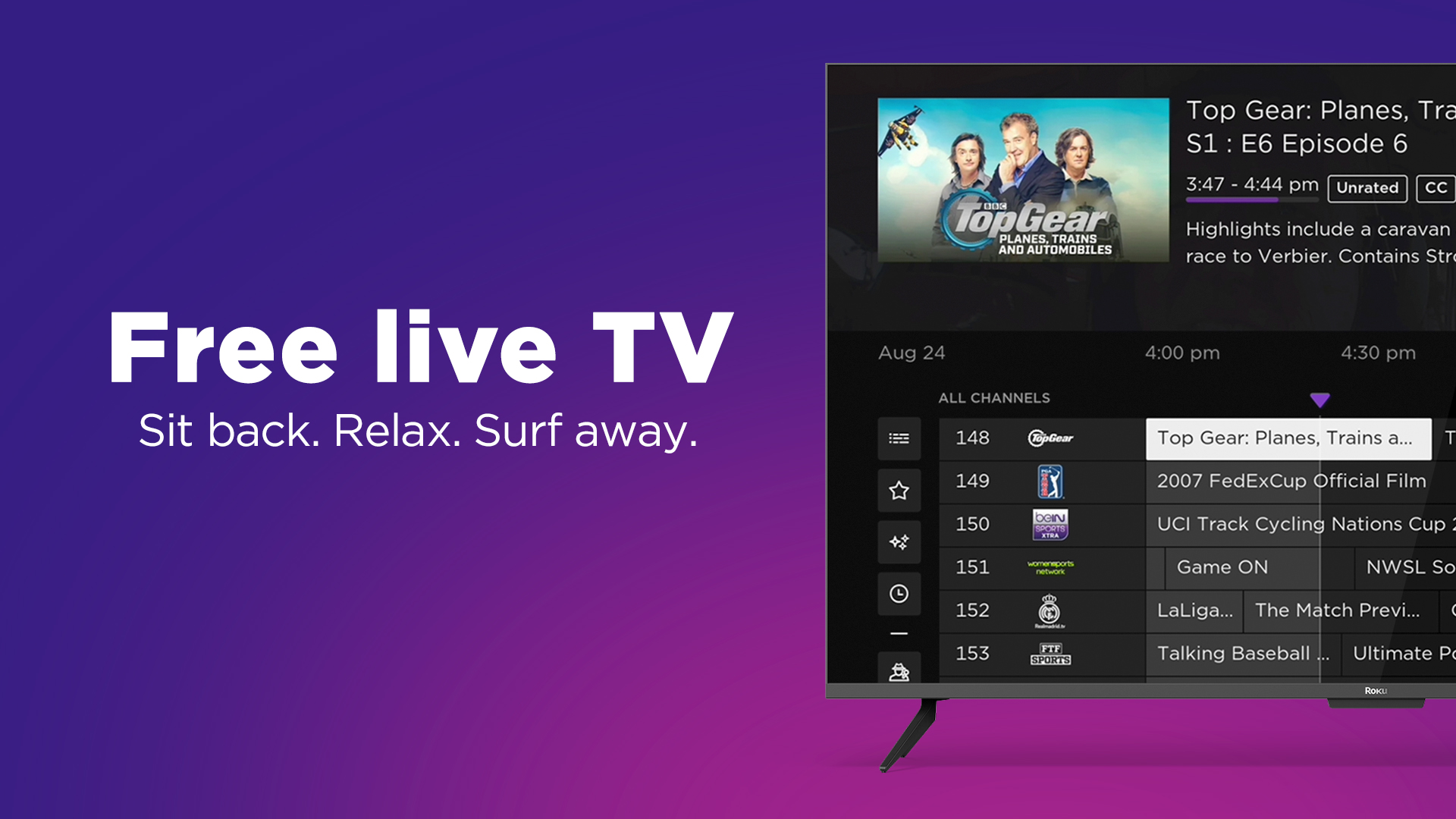
The exact channels available can vary significantly between services, and crucially, by geographic location. Local broadcast networks (ABC, CBS, Fox, NBC, PBS, The CW) are often a primary concern for viewers. While most major services carry them, availability can depend on licensing agreements in your specific zip code. Regional Sports Networks (RSNs) are another critical factor, particularly for sports fans, and their inclusion (or exclusion) can be a deal-breaker. Tech-wise, this involves complex geofencing and licensing algorithms to ensure content is delivered only where permitted.
DVR Capabilities and On-Demand Libraries
Cloud DVR (Digital Video Recorder) is a cornerstone of live TV streaming, allowing users to record live programs and watch them at their convenience. Features like recording capacity, storage duration, and fast-forward/rewind capabilities on recorded content vary. Some services, like YouTube TV, offer unlimited storage for an extended period, while others provide a more limited capacity that might require an upgrade.
Beyond DVR, most services integrate extensive on-demand libraries, offering past episodes of current shows, movies, and sometimes exclusive content. This blurs the line between traditional live TV and video-on-demand (VOD), providing a comprehensive media experience through a single interface. The technology managing these libraries ensures smooth content delivery and intelligent content recommendations.
Supported Devices and User Experience
The accessibility of a streaming service is heavily dependent on its compatibility with various streaming devices. Popular platforms include smart TVs (Samsung, LG, Sony, Vizio), streaming sticks and boxes (Roku, Amazon Fire TV, Apple TV, Google Chromecast), gaming consoles (PlayStation, Xbox), smartphones (iOS, Android), and web browsers. A good user experience (UX) is paramount, encompassing intuitive navigation, quick channel switching, reliable search functions, and consistent performance across all supported devices. Developers invest heavily in optimizing apps for diverse hardware, ensuring low latency and high-quality video playback.
Internet Speed Requirements for Seamless Streaming
Live TV streaming is entirely dependent on a stable and sufficiently fast internet connection. While standard definition (SD) content requires minimal bandwidth (around 3-5 Mbps), High Definition (HD) content typically demands 5-10 Mbps per stream, and 4K UHD content can require 25 Mbps or more. For households with multiple users streaming simultaneously, or with other internet-intensive activities, a robust connection of 50-100 Mbps or higher is advisable to avoid buffering and quality degradation. The underlying adaptive bitrate (ABR) streaming technology automatically adjusts video quality based on available bandwidth, but a strong baseline connection is essential for consistent high-quality viewing.
Simultaneous Streams and User Profiles
Most services allow for multiple simultaneous streams, meaning different users in a household can watch different content on different devices at the same time. The number of included simultaneous streams varies, with some offering two or three, and others providing options for more as an add-on. User profiles, a common feature, allow each family member to have their own personalized watch history, recommendations, and DVR recordings, enhancing the overall user experience and making the service feel truly individual. This feature is managed by sophisticated user authentication and content delivery systems that track individual viewing preferences.
Choosing the Right Service for Your Needs
Navigating the multitude of options can feel overwhelming. A structured approach, focusing on your specific viewing habits and technical setup, can simplify the decision-making process.
Assessing Your Must-Have Channels
Before anything else, list the specific channels you cannot live without. Are you a sports fanatic needing ESPN and regional sports networks? Do you follow a particular news channel? Are specific entertainment channels like AMC or HGTV essential? Use online channel comparison tools or the services’ own websites to meticulously check which platforms carry your non-negotiables. This is the first filter to narrow down your choices.
Budgeting for Your Streaming Subscription
Price is a significant factor in cord-cutting. Determine how much you’re willing to spend monthly. Remember to factor in not just the base price, but also any potential add-ons for premium channels, increased DVR storage, or additional simultaneous streams. Compare the total cost of your chosen streaming package to your previous cable bill to ensure you’re achieving the desired savings. Also, consider the total cost of internet service, which is now your sole utility for entertainment.
Free Trials and Service Flexibility
Virtually all major live TV streaming services offer free trials, typically lasting 5-14 days. This is an invaluable opportunity to test the service’s interface, channel lineup, DVR functionality, and performance on your specific devices and internet connection. Take advantage of these trials to “test drive” several options. Most services operate on a month-to-month basis without long-term contracts, providing the flexibility to switch providers if your needs change or if you find a better fit.
Hardware Compatibility Check
Before subscribing, ensure your existing streaming devices (Smart TV, Roku, Fire TV, Apple TV, etc.) are compatible with your chosen service. While most popular devices are supported by all major players, it’s always wise to double-check. Consider the age of your hardware; older devices might not support the latest app versions or high-definition streaming capabilities, potentially leading to a suboptimal experience. If necessary, factor in the cost of a new streaming device into your budget.
The Future of Live TV Streaming and Cord-Cutting
The technological landscape of live TV streaming is far from static. Continuous innovation promises even more personalized, integrated, and efficient ways to consume live content.
Personalization and AI-Driven Recommendations
The future will likely see even deeper levels of personalization. Leveraging advanced AI and machine learning, streaming services will become even smarter at recommending live and on-demand content based on individual viewing habits, time of day, current events, and even mood. This goes beyond simple genre recommendations, potentially predicting what sports game you might want to watch or what news segment is most relevant to you. The goal is to make content discovery effortless and highly engaging.
The Blurring Lines Between Live and On-Demand
The distinction between “live” and “on-demand” content is already fading, and this trend will accelerate. Imagine a truly seamless experience where you can start watching a live show, pause it, rewind it to the beginning, or even jump directly to related on-demand content or clips, all within the same interface. Integrated content hubs that combine traditional linear channels, VOD libraries, social media feeds, and even interactive elements will become the norm, offering a truly immersive entertainment environment. Technical advancements in real-time content processing and delivery will be key to this integration.
Continued Innovation in Streaming Technology
Expect further advancements in video quality, with 8K streaming potentially becoming more commonplace as internet infrastructure improves. Low-latency streaming will become even more critical, especially for live sports, minimizing the delay between real-world events and their appearance on your screen. Furthermore, interactive features, such as real-time polls, integrated social media commentary, and multi-angle camera options for sports, could transform passive viewing into an active, engaging experience. As competition intensifies, streaming providers will continue to push the boundaries of what’s technologically possible, further cementing live TV streaming as the dominant form of television consumption.
In conclusion, “where can I stream live TV?” opens up a world of technological possibilities, offering unparalleled flexibility, customization, and control over your television experience. By understanding the major players, their features, and the underlying technical considerations, consumers can confidently navigate this dynamic landscape and choose the streaming solution that best fits their digital lifestyle. The era of the cord-cutter is here to stay, constantly evolving and promising an even more integrated and personalized future for entertainment.
aViewFromTheCave is a participant in the Amazon Services LLC Associates Program, an affiliate advertising program designed to provide a means for sites to earn advertising fees by advertising and linking to Amazon.com. Amazon, the Amazon logo, AmazonSupply, and the AmazonSupply logo are trademarks of Amazon.com, Inc. or its affiliates. As an Amazon Associate we earn affiliate commissions from qualifying purchases.