
In an era defined by rapid technological advancement, the simple act of “watching TV” has transformed from a passive, scheduled experience into a dynamic, personalized journey. Gone are the days when television viewing was confined to a fixed broadcast schedule and a limited number of channels. Today, thanks to a convergence of hardware innovations, robust internet infrastructure, and a burgeoning digital content ecosystem, consumers wield unprecedented control over what, when, and how they consume video content. Understanding this complex yet exciting landscape requires a deep dive into the underlying technologies that power modern entertainment.
This article serves as a comprehensive guide to navigating the multifaceted world of contemporary television consumption, focusing exclusively on the technological dimensions. From the foundational hardware that brings images to life to the intricate software ecosystems that deliver a seemingly endless stream of content, we will explore the essential components and strategic considerations for optimizing your TV watching experience in the 21st century.

The Evolving Landscape of Television Consumption
The journey of television viewing has been a fascinating technological evolution, marked by distinct eras that each brought significant shifts in accessibility, quality, and content delivery. Understanding this trajectory provides crucial context for appreciating the sophisticated systems we use today.
From Broadcast Antennas to Cable Boxes
The earliest form of television relied on over-the-air (OTA) broadcasts, where signals were transmitted terrestrially and received by antennas. This analog technology, while revolutionary for its time, was limited by geographical range, signal interference, and a finite number of channels. The picture quality was often inconsistent, and viewers were entirely at the mercy of broadcast schedules.
The advent of cable television in the mid-20th century marked a significant technological leap. Instead of relying on antennas, signals were delivered directly to homes via coaxial cables. This innovation offered a more stable signal, drastically expanded the number of available channels, and introduced premium content packages. Satellite television followed, extending reach to remote areas and further diversifying content offerings through geostationary satellites transmitting signals to home dishes. Both cable and satellite required dedicated decoder boxes, which became the primary interface for channel selection and, later, for rudimentary interactive features like pay-per-view.
The Digital Transformation and High Definition
The turn of the millennium ushered in the digital age for television. Analog broadcasts began transitioning to digital signals, a move mandated in many countries (e.g., the DTV transition in the US). Digital broadcasting brought several critical advantages: superior picture quality (reduced noise and artifacts), more efficient use of broadcast spectrum (allowing for more channels per frequency), and the introduction of High Definition (HD) resolution. HD, with its significantly higher pixel count (e.g., 720p, 1080i/p) compared to standard definition (SD), delivered a vastly clearer, more detailed image, fundamentally changing viewer expectations. This transition required new digital tuners in TVs or set-top boxes to decode the digital signals.
The Internet’s Impact: Streaming Takes Center Stage
While digital broadcasting enhanced traditional TV, the true revolution arrived with high-speed internet. Broadband internet connectivity enabled the reliable transmission of video content over IP (Internet Protocol) networks, giving birth to streaming media. Initially, streaming was a niche offering, often plagued by buffering and low resolution. However, continuous improvements in internet infrastructure, video compression codecs (like H.264 and now H.265/HEVC), and adaptive bitrate streaming technologies (which dynamically adjust video quality based on network conditions) transformed it into the dominant mode of content consumption. Streaming freed viewers from broadcast schedules and channel lineups, allowing on-demand access to vast libraries of content from anywhere with an internet connection. This paradigm shift fundamentally redefined “how to watch TV,” placing control firmly in the hands of the individual.
Essential Hardware for Modern TV Viewing
The modern TV viewing experience is a symbiotic relationship between advanced software and sophisticated hardware. The devices in your entertainment setup are the conduits through which digital content is transformed into engaging sights and sounds.
Smart TVs: The All-in-One Solution
The Smart TV is arguably the cornerstone of contemporary home entertainment. More than just a display, a Smart TV integrates an operating system (like Android TV, webOS, Tizen OS, Roku TV) directly into the television unit. This OS allows users to connect to the internet, download apps (e.g., Netflix, Hulu, YouTube), browse content, and even control other smart home devices, all without needing an external box. Key technological features of modern Smart TVs include:
- Integrated Wi-Fi and Ethernet: For seamless internet connectivity.
- App Stores: Providing access to a vast ecosystem of streaming services and utility applications.
- Voice Control: Often powered by built-in microphones and AI assistants (e.g., Google Assistant, Amazon Alexa) for hands-free navigation and content search.
- High-Resolution Displays: Ranging from 4K Ultra HD (3840×2160 pixels) to emerging 8K (7680×4320 pixels), offering incredible detail and clarity.
- Advanced Display Technologies: Such as OLED (Organic Light-Emitting Diode) for perfect blacks and vibrant colors, QLED (Quantum Dot LED) for enhanced brightness and color volume, and Mini-LED backlighting for precise contrast control.
- HDR (High Dynamic Range) Support: Enhancing contrast and color fidelity, making images appear more lifelike. Common HDR formats include HDR10, Dolby Vision, and HLG.
- Multiple HDMI Ports: For connecting external devices like game consoles, Blu-ray players, and sound systems, often supporting advanced features like HDMI 2.1 for higher bandwidth and Variable Refresh Rate (VRR).
Streaming Devices: Extending Capabilities
While Smart TVs are prevalent, dedicated streaming devices offer an alternative or complementary solution, especially for older non-smart TVs or those seeking a particular OS or feature set. These compact gadgets plug into an HDMI port and provide access to streaming services via their own operating system. Popular examples include:
- Streaming Sticks (e.g., Roku Streaming Stick, Amazon Fire TV Stick, Google Chromecast with Google TV): Affordable, portable devices that offer comprehensive app access and often support voice control.
- Streaming Boxes (e.g., Apple TV, NVIDIA Shield TV): More powerful devices with faster processors, higher storage capacity, and sometimes advanced features like gaming capabilities or Plex media server functionality.
- Game Consoles (e.g., PlayStation, Xbox): While primarily gaming machines, modern consoles are also robust media centers, offering access to most major streaming apps in high resolution.
These devices often benefit from more frequent software updates than some Smart TVs, ensuring access to the latest streaming protocols and app versions.
Over-the-Air Antennas: Accessing Free Local Content
Despite the proliferation of streaming, traditional over-the-air (OTA) broadcasting remains a viable and valuable option, particularly for accessing local news, sports, and major network shows without a subscription. Modern digital antennas are more efficient and compact than their predecessors, capable of receiving pristine HD signals. They simply connect to the antenna input of your TV, which must have a built-in digital tuner (ATSC tuner in North America). For recording OTA content, an additional DVR (Digital Video Recorder) specifically designed for OTA reception, such as a Tablo or HDHomeRun, can be integrated into your home network.
Audio Enhancements: Soundbars and Home Theater Systems
Visual fidelity is only half the equation; immersive audio significantly elevates the TV watching experience. Built-in TV speakers are often adequate but rarely deliver the depth, clarity, or spatial separation that dedicated audio solutions provide.
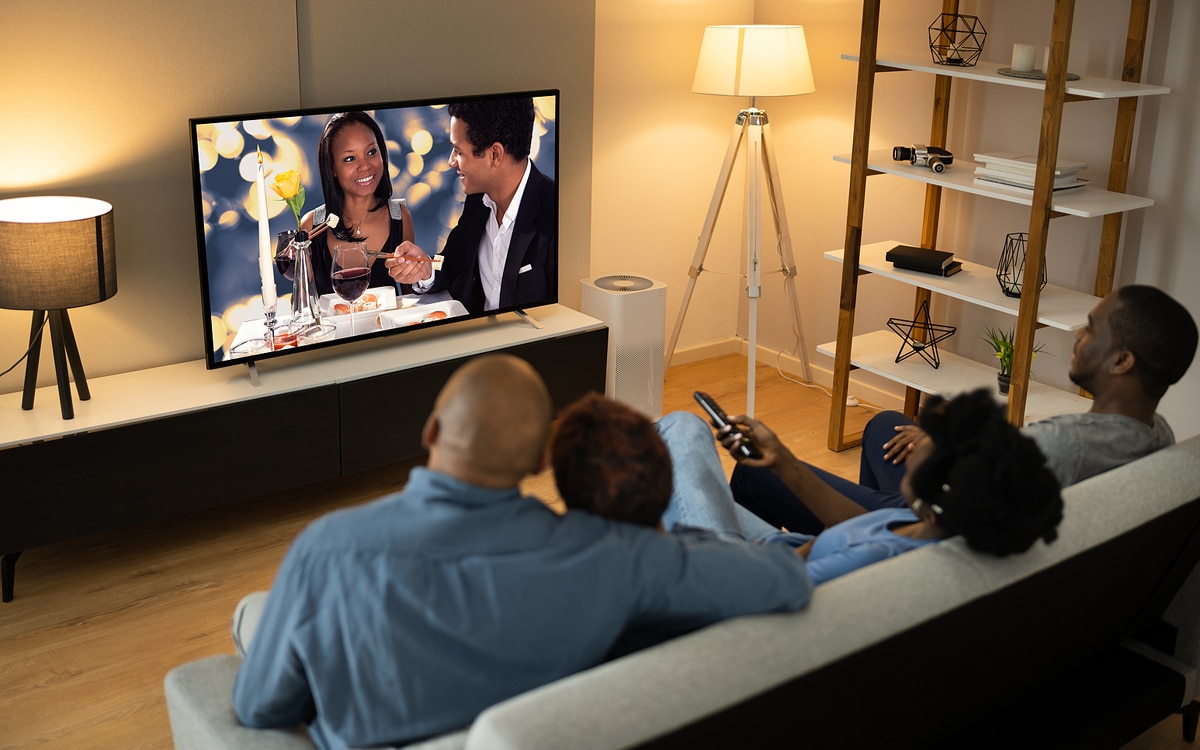
- Soundbars: These compact, self-contained units house multiple speakers and an amplifier, designed to sit beneath or in front of your TV. They dramatically improve dialogue clarity, bass response, and overall soundstage. Many soundbars support virtual surround sound technologies, and higher-end models offer true multi-channel surround with satellite speakers and subwoofers, often wirelessly connected. Technologies like Dolby Atmos and DTS:X, which add a height dimension to sound, are increasingly integrated into premium soundbars.
- Home Theater Systems: For the ultimate audio experience, a dedicated home theater system, comprising an AV receiver and multiple discrete speakers (e.g., 5.1, 7.1, or even more complex Dolby Atmos/DTS:X setups), offers unparalleled immersion and customization. These systems require more complex setup and wiring but deliver cinema-quality sound with precise sound staging and powerful bass. Connection typically involves HDMI ARC (Audio Return Channel) or eARC (Enhanced Audio Return Channel) for simplified audio passthrough between the TV and receiver.
Navigating the Digital Content Ecosystem
The transition to internet-based content delivery has led to an explosion of services, each with its own business model and content library. Understanding these different types of platforms is key to curating your personalized entertainment hub.
Subscription Video On Demand (SVOD) Services
SVOD platforms are perhaps the most recognized form of streaming. For a recurring monthly or annual fee, subscribers gain unlimited access to a vast library of movies, TV shows, and original content. The technology behind SVOD relies on robust content delivery networks (CDNs) to efficiently distribute video files globally, minimizing latency and buffering. Sophisticated recommendation algorithms, powered by machine learning, analyze viewing habits to suggest personalized content, while user profiles allow for tailored experiences within a single subscription. Examples include Netflix, Disney+, HBO Max, and Amazon Prime Video.
Free Ad-Supported Streaming TV (FAST) and AVOD Platforms
A growing segment of the streaming market, AVOD (Advertising Video On Demand) and FAST (Free Ad-Supported Streaming TV) services offer content for free, supported entirely by advertising. AVOD platforms typically provide an on-demand library (e.g., Peacock Free, Tubi, Crackle), while FAST services emulate traditional linear TV channels, offering scheduled programming streams (e.g., Pluto TV, The Roku Channel Live TV). The technological infrastructure behind these services includes dynamic ad insertion (DAI) systems that seamlessly weave targeted advertisements into the content stream, often personalized based on viewer data. This allows for a financially accessible way to consume a wide array of content.
Live TV Streaming (vMVPDs) and Digital Channel Bundles
Virtual Multichannel Video Programming Distributors (vMVPDs) are internet-based alternatives to traditional cable or satellite TV. Services like YouTube TV, Hulu + Live TV, Sling TV, and FuboTV offer bundles of live linear channels, often including local broadcast networks, sports, and news, all delivered over the internet. This technology relies on high-bandwidth streaming and sophisticated digital rights management to replicate the cable TV experience online. Many vMVPDs also include cloud DVR functionality, allowing users to record live shows and watch them on demand later, storing content on remote servers rather than local hard drives.
Aggregators and Content Discovery Tools
With the sheer volume of streaming services available, finding what to watch can be a challenge. Content aggregators and discovery tools leverage technology to simplify this process. Platforms like Reelgood, JustWatch, or the integrated search functions on Smart TV operating systems or streaming devices (e.g., Apple TV’s TV app, Google TV) pull data from multiple streaming services. They allow users to search for specific titles and see where they are available, compare pricing, and even launch directly into the relevant app. These tools often use metadata analysis and cross-platform APIs to provide a unified content search and recommendation experience, aiming to solve the “streaming paradox” of too much choice.
Optimizing Your TV Watching Experience Through Technology
Beyond choosing your hardware and services, several technological considerations can significantly enhance the quality and reliability of your TV watching experience. Fine-tuning these aspects ensures you’re getting the most out of your setup.
Internet Connectivity: The Foundation of Streaming
Reliable and fast internet is the absolute bedrock of modern TV viewing, especially for streaming. Without adequate bandwidth, even the most expensive Smart TV or streaming device will struggle to deliver high-quality video.
- Bandwidth: For 4K UHD streaming, a minimum of 25 Mbps (megabits per second) dedicated bandwidth is generally recommended per stream. If multiple devices in your household are streaming simultaneously or engaging in other high-bandwidth activities, you’ll need a substantially higher total bandwidth.
- Wi-Fi vs. Ethernet: While Wi-Fi offers convenience, a wired Ethernet connection to your primary streaming device (Smart TV, streaming box) provides the most stable and fastest connection, reducing latency and potential interference. If Wi-Fi is necessary, using a modern Wi-Fi 5 (802.11ac) or Wi-Fi 6 (802.11ax) router, strategically placed, can significantly improve performance. Mesh Wi-Fi systems are excellent for larger homes to ensure consistent coverage.
- Router Quality and Settings: A high-quality router is crucial. Ensuring your router’s firmware is up to date and utilizing features like Quality of Service (QoS) to prioritize streaming traffic can prevent buffering and optimize performance.
Display Settings and Calibration
Out-of-the-box TV settings are rarely optimized for the best picture quality. Calibrating your display involves adjusting settings to achieve accurate colors, contrast, and brightness, making content appear as the creators intended.
- Picture Modes: Most TVs offer various picture modes (e.g., Standard, Cinema, Vivid, Game). “Cinema” or “Movie” modes often provide the most color-accurate starting point. Game mode typically reduces input lag, crucial for responsive gaming, though it may sacrifice some picture processing.
- Brightness, Contrast, Color, Tint, Sharpness: These fundamental settings need careful adjustment. Brightness (often labelled “Backlight” or “OLED Light”) controls the overall luminosity. Contrast defines the difference between the brightest and darkest parts of the image. Color adjusts saturation, while Tint (or Hue) fine-tunes the green-to-magenta balance. Sharpness, often set too high by default, can introduce artifacts; a lower setting (or even zero) is often preferred for a natural look.
- Advanced Settings: Many TVs offer advanced settings like color temperature (often set to “Warm” for more accurate whites), motion smoothing (which can introduce “soap opera effect” and is often best turned off for films), and local dimming (which improves black levels on LED TVs).
- Calibration Tools: While professional calibration provides the most precise results, consumer-friendly tools like calibration discs (e.g., Spears & Munsil, Disney WOW) or even free online test patterns can help you make significant improvements yourself.
Privacy and Security in the Connected Home
With Smart TVs and streaming devices constantly connected to the internet, privacy and security become critical technological considerations. These devices often collect usage data, and like any internet-connected gadget, they can be vulnerable to security threats if not properly managed.
- Firmware Updates: Regularly updating your TV and streaming device firmware is paramount. These updates often include security patches that protect against newly discovered vulnerabilities.
- Privacy Settings: Dive into your Smart TV’s settings to review and adjust privacy options. Many TVs have settings for disabling data collection, personalized advertising, or content recognition technologies (like ACR – Automatic Content Recognition) that identify what you’re watching.
- Strong Passwords: Use strong, unique passwords for all your streaming accounts and your home Wi-Fi network.
- Network Security: Ensure your home network is secure. Use WPA2 or WPA3 encryption for your Wi-Fi, and consider network segmentation or a firewall to protect your smart devices from other parts of your network.

Future Innovations: Personalization and Interactivity
The trajectory of TV viewing continues towards greater personalization and interactivity. Technologies like AI-driven content recommendations are becoming more sophisticated, learning individual preferences with increasing accuracy. Immersive experiences, perhaps through AR or VR integration, could allow viewers to step into content or share experiences in virtual spaces. Furthermore, interactive elements, from choose-your-own-adventure narratives to live polling during broadcasts, are set to blur the lines between passive viewing and active participation. The future of watching TV is poised to be an even more technologically integrated, bespoke, and engaging experience.
In conclusion, “how to watch TV” is no longer a simple question but an exploration of an intricate technological ecosystem. By understanding the evolution of delivery mechanisms, selecting appropriate hardware, navigating the diverse content landscape, and optimizing technical settings, viewers can unlock an unparalleled entertainment experience tailored precisely to their preferences in this ever-evolving digital age.
aViewFromTheCave is a participant in the Amazon Services LLC Associates Program, an affiliate advertising program designed to provide a means for sites to earn advertising fees by advertising and linking to Amazon.com. Amazon, the Amazon logo, AmazonSupply, and the AmazonSupply logo are trademarks of Amazon.com, Inc. or its affiliates. As an Amazon Associate we earn affiliate commissions from qualifying purchases.