
In an era defined by rapid technological advancements, the simple act of “watching” has undergone a profound metamorphosis. What once involved gathering around a communal television set for scheduled broadcasts has fragmented into a myriad of personalized experiences, powered by an intricate ecosystem of devices, platforms, and cutting-edge technologies. The question “how do you watch?” is no longer a trivial inquiry about preference, but a deep dive into individual tech stacks, consumption habits, and the evolving landscape of digital media. From the nascent days of cable television to the ubiquitous presence of streaming services, our relationship with visual content has shifted from passive reception to active curation, driven by innovation that continually pushes the boundaries of convenience, quality, and immersion.
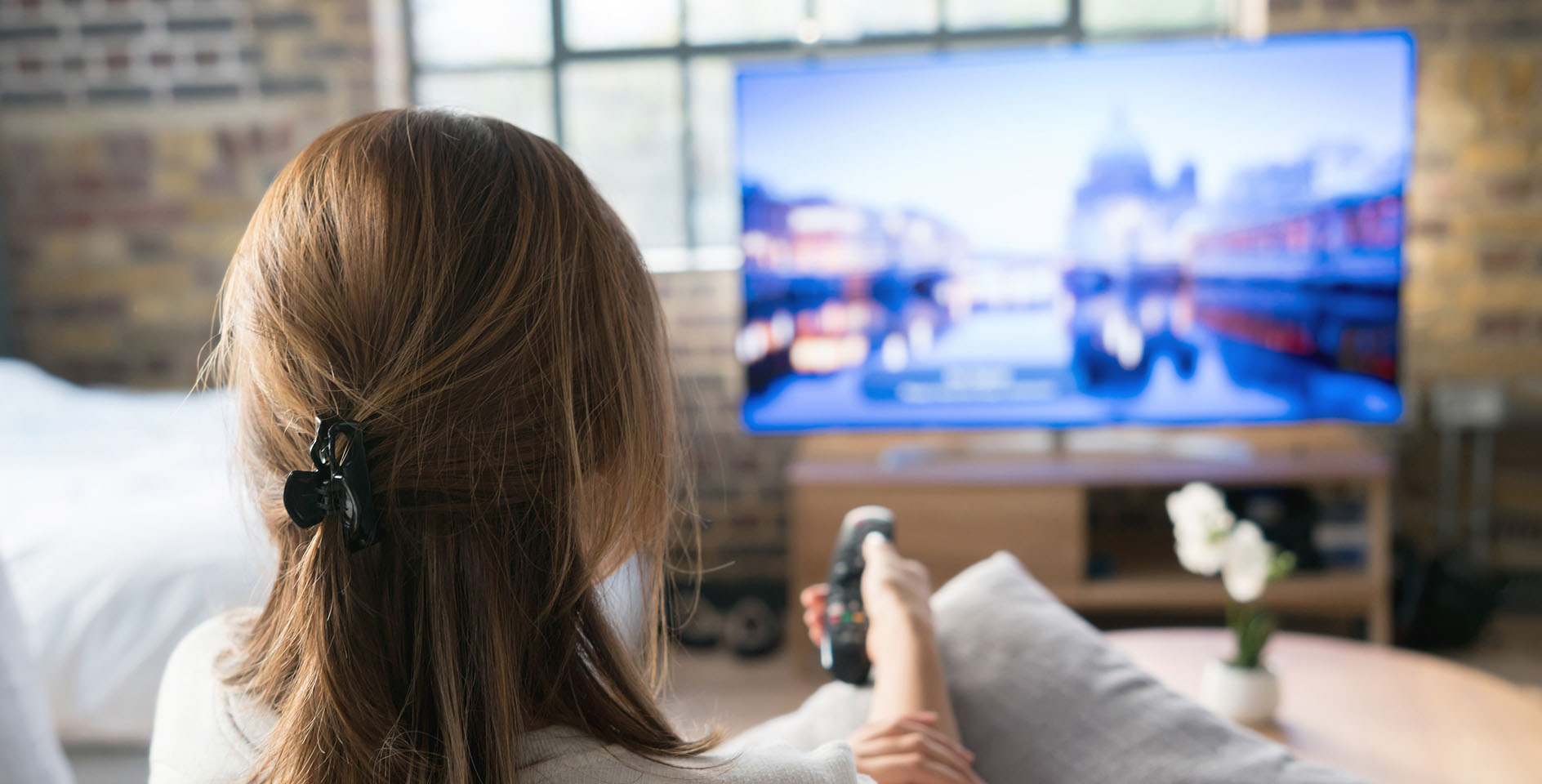
This article delves into the technological underpinnings that shape our modern viewing habits, exploring the devices we use, the platforms we subscribe to, the advanced features that enhance our experience, and the future trends poised to redefine content consumption entirely within the tech sphere.
The Shifting Sands of Content Consumption
The journey of content consumption from its linear, broadcast-centric origins to today’s hyper-personalized, on-demand paradigm is a testament to the relentless march of technological innovation. This fundamental shift has not only changed what we watch but, more significantly, how we watch.
From Broadcast to Binge-Watch: A Paradigm Shift
For decades, the television set served as the undisputed center of home entertainment, dictated by rigid broadcast schedules. Viewers tuned in at specific times to catch their favorite shows, news, or movies. The VCR offered a glimmer of on-demand capability, allowing time-shifting, but its limitations were soon exposed by the digital revolution. The internet, coupled with advancements in data compression and delivery, paved the way for a radical transformation. Services like Netflix, initially a DVD-by-mail company, pivoted to streaming, offering entire seasons of shows instantly accessible. This gave birth to the “binge-watching” phenomenon, fundamentally altering audience expectations and challenging traditional content release models. The power shifted from broadcasters to the viewer, who could now consume content at their own pace and convenience, a direct outcome of robust network infrastructure and sophisticated content delivery networks (CDNs).
The Rise of On-Demand and Personalization
The advent of broadband internet and robust streaming platforms democratized access to vast libraries of content. Services like Hulu, Amazon Prime Video, Disney+, HBO Max, and countless niche platforms emerged, each vying for viewer attention with exclusive original programming and extensive back catalogs. This proliferation of choice was further amplified by sophisticated recommendation algorithms, a cornerstone of AI and machine learning. These algorithms analyze viewing history, genre preferences, and even emotional responses to suggest content tailored to individual tastes. This level of personalization, previously unimaginable, has made content discovery both an art and a science, ensuring viewers are constantly presented with engaging options, thereby increasing platform stickiness and reducing churn. It’s a digital content ecosystem designed around individual viewer profiles, powered by complex data analytics.
The Interplay of Traditional and Digital Media
While streaming has undeniably dominated the conversation, traditional broadcast and cable television haven’t vanished. Instead, they’ve adapted, integrating digital components and hybrid models. Many broadcasters now offer their content via apps, live streaming options, and on-demand archives, often requiring a cable subscription for full access. This convergence showcases the ongoing technological evolution, where legacy systems are either being replaced or augmented by digital capabilities. Services like YouTube TV or Sling TV represent virtual multichannel video programming distributors (vMVPDs), delivering traditional linear channels over the internet, further blurring the lines between old and new media. This dynamic interplay means viewers often leverage a combination of both, using their tech stack to access a broader spectrum of content than ever before.
Your Personal Viewing Ecosystem: Devices and Platforms
The modern act of watching is intrinsically linked to a diverse array of hardware and software, forming a personalized ecosystem that caters to every conceivable viewing scenario. The days of a single television serving all purposes are long gone; today, our viewing habits are supported by a complex interplay of gadgets and digital services.
The Smart TV as the Hub
The Smart TV has cemented its position as the central pillar of the home entertainment system. Far from being mere display units, these televisions are sophisticated computers equipped with operating systems (like Android TV, webOS, Tizen), app stores, internet connectivity, and often voice control capabilities. They integrate directly with streaming services, eliminating the need for external devices for many users. Advanced features such as 4K resolution, High Dynamic Range (HDR), and variable refresh rates (VRR) are now standard, delivering stunning visual fidelity. The Smart TV acts as a consolidated hub, aggregating content from various sources and offering intuitive interfaces for seamless navigation, making it the preferred large-screen viewing experience for many households.
Mobile Devices: Content on the Go
Smartphones and tablets have revolutionized watching by untethering it from the living room. These highly portable devices, with their vibrant displays and powerful processors, transform any location into a personal cinema. Commutes, waiting rooms, and even travel are now prime opportunities for content consumption. The ubiquity of high-speed mobile data (4G, 5G) and widespread Wi-Fi networks ensures reliable streaming performance. Furthermore, mobile apps for major streaming platforms offer features like offline downloads, parental controls, and synchronized viewing across devices, making them incredibly versatile tools for personalized, on-demand entertainment. The ergonomic design and intuitive touch interfaces of mobile devices facilitate effortless interaction with content, embodying the ultimate in portable tech.
Streaming Sticks, Consoles, and Laptops: Versatility Defined
Beyond Smart TVs and mobile devices, a host of other gadgets contribute to the viewing ecosystem. Streaming sticks and boxes (e.g., Roku, Amazon Fire TV, Apple TV, Google Chromecast) serve as affordable gateways to streaming services, upgrading non-smart TVs or offering a unified interface across different television sets. Gaming consoles (PlayStation, Xbox) are robust entertainment hubs, supporting not just games but also a full suite of streaming apps, often with powerful processors capable of handling 4K playback and advanced audio formats. Laptops, with their larger screens and keyboard inputs, offer a blend of portability and enhanced viewing comfort, serving as work and entertainment powerhouses. Each device category fills a specific niche, providing flexibility and choice in how and where content is consumed, showcasing the adaptability of modern technology to diverse user needs.
The Platform Proliferation: Navigating Choice and Subscription Fatigue
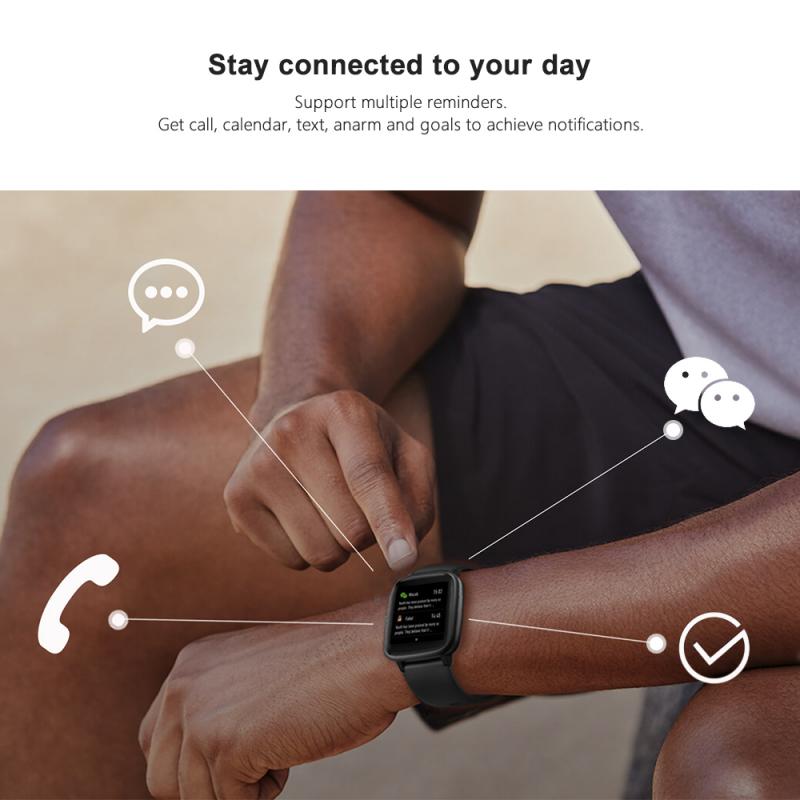
The blessing of abundant content platforms also presents a challenge: subscription fatigue. With dozens of services, each with unique content, managing subscriptions and discovering desired shows can become overwhelming. Viewers often juggle multiple subscriptions, leading to rising costs and the fragmentation of content libraries. This challenge has spurred the development of aggregation tools and universal search features within some Smart TV operating systems or dedicated apps (like Reelgood, JustWatch) that help users track where content is available. The tech industry is actively exploring solutions, from super-bundles offering discounted access to multiple services to more sophisticated AI-driven recommendation engines that span across platforms, aiming to simplify content discovery and alleviate the burden of choice for the end-user.
Technologies Redefining the Viewing Experience
Beyond the devices and platforms, a continuous stream of technological innovation is actively enhancing the immersive quality and interactive nature of content consumption. These advancements are not just about making things look or sound better; they are about fundamentally altering how we perceive and interact with digital narratives.
Visual Fidelity: 4K, HDR, and Beyond
The quest for pristine visual quality is a relentless driver of technological progress. 4K Ultra HD, offering four times the resolution of Full HD, has become a mainstream standard, delivering unparalleled detail and clarity. Complementing this is High Dynamic Range (HDR), which significantly expands the contrast ratio and color accuracy, producing deeper blacks, brighter whites, and a broader spectrum of vibrant colors. Formats like Dolby Vision and HDR10+ optimize HDR performance on a scene-by-scene basis, ensuring content producers’ artistic intent is faithfully reproduced. Looking ahead, 8K resolution is slowly emerging, though its adoption is currently limited by content availability and hardware costs. Furthermore, advancements in display technology like OLED and Mini-LED panels offer superior contrast and color reproduction compared to traditional LCDs, pushing the boundaries of what’s visually possible in home entertainment.
Immersive Audio: Dolby Atmos and Spatial Sound
Visuals are only half the experience; immersive audio plays an equally critical role. Traditional surround sound systems, with their fixed channel configurations, are being superseded by object-based audio technologies like Dolby Atmos and DTS:X. These technologies treat individual sounds (e.g., a helicopter flying overhead) as distinct objects that can be precisely placed and moved within a three-dimensional soundscape, including overhead channels. This creates a truly enveloping audio experience that makes viewers feel as if they are in the center of the action. Beyond dedicated home theater setups, spatial audio is also making its way to headphones and soundbars, simulating multi-dimensional sound for a more personal yet equally immersive listening experience, often powered by advanced digital signal processing (DSP) and head-tracking technology.
AI-Powered Personalization and Discovery
Artificial Intelligence is the invisible hand guiding much of our modern viewing experience. Beyond simple recommendation engines, AI is increasingly employed in content creation, optimization, and delivery. Machine learning algorithms analyze vast datasets of viewing patterns, user interactions, and demographic information to refine content suggestions, predict user preferences, and even influence content acquisition strategies for platforms. AI also plays a role in optimizing streaming quality, dynamically adjusting video bitrates based on network conditions to prevent buffering while maintaining the best possible image quality. Future applications include AI-assisted editing, automated content tagging, and even the potential for AI to generate personalized content snippets or variations of existing narratives, tailoring stories specifically to an individual viewer’s tastes.
Interactive Content and the Metaverse’s Glimmer
The line between passive viewing and active participation is blurring, thanks to interactive content. Formats like “Bandersnatch” on Netflix, which allowed viewers to make narrative choices, represent an early foray into this space. Augmented Reality (AR) and Virtual Reality (VR) technologies are poised to take this interaction to the next level. While still in nascent stages for mainstream content consumption, VR offers fully immersive experiences where viewers can step into virtual worlds or watch content in a simulated cinema environment. AR could overlay digital information or interactive elements onto real-world viewing spaces. The broader concept of the metaverse, envisioning persistent, interconnected virtual worlds, suggests a future where watching content could become a shared, interactive experience with friends and strangers in digital spaces, opening up entirely new paradigms for storytelling and community engagement.
The Future of Watching: Convergence, Customization, and Community
The trajectory of content consumption is one of increasing integration, bespoke experiences, and novel forms of social engagement. As technology continues its relentless march forward, the act of watching will become even more fluid, personalized, and deeply intertwined with our digital lives.
Unified Content Aggregation and Super-Bundles
The current fragmentation of streaming services is unsustainable in the long term. The future is likely to see a push towards more unified content aggregation. This could manifest as “super-apps” that allow users to manage multiple subscriptions and discover content across various platforms from a single interface. Alternatively, the industry might pivot towards “super-bundles,” where major tech or media companies offer packages combining several streaming services at a discounted rate, simplifying billing and content access for consumers. These solutions, driven by advanced API integrations and sophisticated backend systems, aim to combat subscription fatigue and provide a more streamlined user experience, ultimately making content discovery less of a chore and more of a pleasure.
Hyper-Personalized Narratives and AI-Generated Content
As AI becomes more sophisticated, the concept of personalized narratives could evolve beyond simple recommendations. Imagine content where character arcs, plot points, or even entire scenes are dynamically altered based on your preferences, past viewing choices, or even real-time emotional responses detected by AI. While ethically complex, the technological capability for AI to generate entire episodes, adapt existing stories, or create infinitely variable content based on user input is on the horizon. This level of hyper-personalization, leveraging generative AI models and vast content libraries, could lead to unique viewing experiences where no two individuals watch precisely the same version of a story, tailoring entertainment to an unprecedented degree.
Social Viewing and Collaborative Experiences
Watching content has always had a social dimension, from family movie nights to discussions around the water cooler. Technology is now enabling new forms of social viewing, even when physically separated. Features like “watch parties” on streaming platforms allow friends to synchronize playback and chat in real-time. The future could see more advanced collaborative viewing environments, potentially within metaverse spaces, where avatars gather in virtual cinemas, reacting to content, interacting with each other, and even influencing the narrative collectively. Augmented Reality could allow friends to “watch” content together in their respective physical rooms, sharing a holographic screen or interacting with superimposed digital elements. These innovations leverage network technologies and interactive platforms to transform a solitary activity into a shared, immersive experience.
The Blurring Lines: Entertainment, Education, and Interaction
The future of watching will increasingly blur the distinctions between pure entertainment, interactive learning, and direct engagement. Educational content will become more cinematic and interactive, leveraging gaming mechanics and immersive technologies. Live events, from concerts to sports, will offer multi-camera angles, personalized data overlays, and interactive fan experiences directly integrated into the viewing platform. The integration of AI and IoT devices could lead to content that reacts to your environment or mood, offering truly adaptive experiences. Ultimately, “how you watch” will encompass not just the consumption of pre-made content but active participation in dynamic, evolving digital experiences, transforming passive viewers into engaged participants in a sprawling, technologically rich media landscape.
aViewFromTheCave is a participant in the Amazon Services LLC Associates Program, an affiliate advertising program designed to provide a means for sites to earn advertising fees by advertising and linking to Amazon.com. Amazon, the Amazon logo, AmazonSupply, and the AmazonSupply logo are trademarks of Amazon.com, Inc. or its affiliates. As an Amazon Associate we earn affiliate commissions from qualifying purchases.