
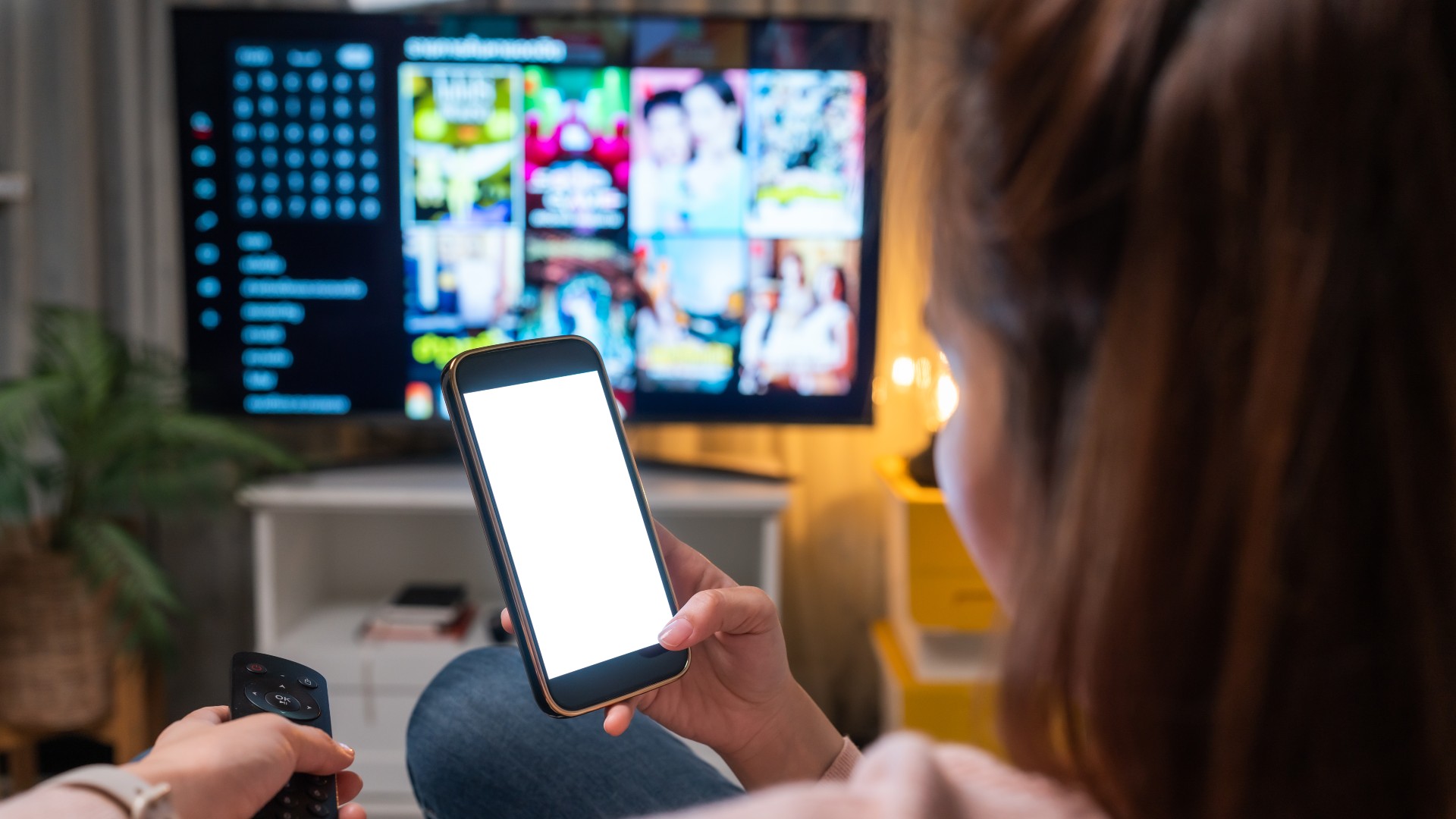
The ubiquitous smartphone has transcended its original purpose as a communication device, transforming into a pocket-sized multimedia powerhouse. In an era defined by instant gratification and unparalleled connectivity, the ability to watch television content on your phone has become not just a luxury, but a fundamental expectation. This technological shift has democratized access to entertainment, allowing users to consume their favorite shows, movies, and live broadcasts anytime, anywhere. From the morning commute to a long-haul flight, or simply relaxing in a different room, the smartphone offers a personal, portable, and remarkably versatile viewing experience. This article delves into the technological landscape that enables this convenience, exploring the diverse methods, applications, and crucial considerations for transforming your mobile device into a personal television.
The Evolution of Mobile Entertainment Consumption
The journey from bulky cathode-ray tube televisions to crystal-clear smartphone displays represents a monumental leap in display technology, data transmission, and software development. What once required dedicated hardware and a fixed location, now fits into the palm of your hand, thanks to decades of innovation. This paradigm shift has not only altered how we access content but also profoundly influenced our viewing habits and expectations.
Shifting Paradigms: From Living Room to Pocket
Historically, watching television was a communal, fixed-location activity centered around a large screen in the living room. The advent of personal computers brought video content to individual desks, but it was the smartphone, coupled with widespread high-speed internet, that truly untethered entertainment. This transition signifies a move towards hyper-personalized media consumption, where users curate their own viewing schedules and environments. The phone becomes a personal window into a vast ocean of content, free from the constraints of broadcast schedules or shared screens. This shift is powered by advancements in mobile processors, display resolutions, battery efficiency, and robust operating systems designed for rich media experiences.
The Technology Enabling On-the-Go Entertainment
At the core of mobile TV viewing lies a sophisticated interplay of technologies. High-resolution OLED and LCD screens provide vibrant visuals, while powerful system-on-a-chip (SoC) designs efficiently process video streams. Crucially, advancements in mobile data networks—from 3G to LTE and now 5G—have provided the bandwidth necessary for smooth, high-definition streaming. Wi-Fi standards like Wi-Fi 6 further enhance in-home streaming capabilities. Furthermore, sophisticated video codecs (e.g., H.264, H.265/HEVC) and adaptive bitrate streaming technologies dynamically adjust video quality based on network conditions, ensuring an uninterrupted experience. The integration of powerful audio hardware and software, often supporting spatial audio formats, further immerses the viewer, transforming a small screen into a compelling entertainment portal.
Benefits of Mobile TV: Portability and Personalization
The primary allure of watching TV on your phone is its unparalleled portability. Entertainment is no longer confined to a specific place; it travels with you. This freedom allows for opportunistic viewing, filling moments of downtime with engaging content. Beyond portability, the smartphone offers a deeply personalized experience. Users can choose exactly what they want to watch, when they want to watch it, and often in their preferred language or with accessibility features tailored to their needs. This level of control, combined with the intimacy of a personal screen, fundamentally reshapes the viewer’s relationship with television content, fostering a more engaging and individualized form of entertainment consumption.
Diverse Avenues for Streaming TV Content
The technological ecosystem supporting mobile TV viewing is rich and varied, offering multiple pathways to access content. These avenues broadly categorize into on-demand streaming services, live TV platforms, and, in some niche cases, even direct broadcast reception. Each method leverages distinct technological frameworks and offers different advantages, catering to a wide spectrum of user preferences.
Subscription-Based Streaming Giants
The most prevalent method for mobile TV viewing involves subscription-based streaming services. Platforms like Netflix, Hulu, Disney+, Max, Amazon Prime Video, and Apple TV+ have revolutionized content distribution. Their dedicated mobile applications are engineered to provide seamless playback, personalized recommendations, and features like offline downloads. These apps utilize advanced content delivery networks (CDNs) to efficiently distribute vast libraries of movies, TV series, and documentaries directly to your device. The underlying technology involves secure digital rights management (DRM) to protect copyrighted content, sophisticated user interface design for intuitive navigation, and robust backend infrastructure to handle millions of simultaneous streams. Users typically pay a monthly fee for unlimited access to a curated catalog, accessible through their account credentials across multiple devices.
Free Ad-Supported Streaming TV (FAST) Services

A rapidly growing segment of mobile TV consumption comes from Free Ad-Supported Streaming TV (FAST) services such as Pluto TV, Tubi, Freevee, and The Roku Channel. These platforms offer a wealth of content, including live channels and on-demand libraries, without a subscription fee. Their business model relies on ad impressions, integrating commercial breaks into the viewing experience much like traditional broadcast television. From a technological standpoint, FAST services face the challenge of seamlessly inserting dynamic ads into video streams without disrupting user experience. This requires sophisticated ad-tech integration, real-time ad serving, and often, audience segmentation for targeted advertising. Despite the ads, these services provide a valuable, no-cost alternative for accessing a wide range of content on your mobile device.
Live TV Streaming Services
For those who crave the immediacy of live broadcasts, a different category of services has emerged: live TV streaming. Platforms like YouTube TV, Sling TV, FuboTV, and Hulu + Live TV emulate the traditional cable TV experience, delivering real-time streams of dozens to hundreds of linear channels directly to your phone. These services operate on a far more complex technical foundation than on-demand platforms. They require robust infrastructure to ingest, encode, and distribute multiple live feeds simultaneously, often with features like cloud DVR (Digital Video Recorder) functionality that allows users to record and watch live shows later. The technology behind cloud DVRs involves immense storage capacities and intricate indexing systems to manage vast amounts of recorded content, making it accessible on demand. These services often come with higher subscription fees due to the complexity and real-time nature of their offerings.
Cable/Satellite Provider Apps and Digital Tuners
Many traditional cable and satellite TV providers have developed companion mobile apps (e.g., Xfinity Stream, Spectrum TV, DISH Anywhere). These applications allow existing subscribers to stream live TV channels and on-demand content that they already pay for, often while connected to their home network, or a limited selection when on the go. The technology typically involves a gateway device at the user’s home (e.g., a cable box or DVR with streaming capabilities) that transcodes and streams content to the mobile app. For a truly untethered and subscription-free live TV experience, niche hardware solutions like portable digital TV tuners (e.g., ATSC tuners for over-the-air broadcasts in North America) can connect directly to your phone via USB or Wi-Fi. These devices receive terrestrial broadcast signals and then stream them to a companion app on your phone, requiring no internet connection for the broadcast itself, only for the initial setup or app download.
Optimizing Your Mobile TV Experience
While the technology enabling mobile TV is remarkably advanced, the quality of your viewing experience often hinges on a few critical considerations. From network connectivity to device settings and accessories, understanding these factors can significantly enhance your enjoyment and manage your data consumption effectively.
Internet Connectivity: Wi-Fi vs. Mobile Data
The foundation of a good mobile streaming experience is a stable and sufficiently fast internet connection.
Wi-Fi: When available, Wi-Fi is generally the preferred option. It typically offers higher bandwidth, greater stability, and, crucially, doesn’t consume your mobile data allowance. Connecting to a fast home Wi-Fi network (especially 5GHz bands or Wi-Fi 6) ensures the best possible streaming quality, often supporting 1080p HD or even 4K content if your device and service allow. Public Wi-Fi networks can be convenient but vary widely in speed and security; exercising caution and using a VPN is advisable on unsecured networks.
Mobile Data (LTE/5G): When Wi-Fi isn’t an option, mobile data networks (4G LTE or 5G) become essential. 5G offers significantly faster speeds and lower latency, enabling higher resolution streaming with fewer buffering issues. However, mobile data usage can accumulate rapidly, especially with high-definition video. Monitoring your data plan and adjusting streaming quality settings is crucial to avoid exceeding limits or incurring extra charges. Many streaming apps offer settings to reduce video quality (e.g., from HD to SD) when on mobile data, which drastically cuts down consumption.
Smartphone Specifications and Settings
Your phone’s hardware plays a pivotal role in the quality of your mobile TV experience.
Display Quality: A high-resolution (Full HD or higher), vibrant display (OLED or high-quality LCD) with good contrast and color accuracy will make a significant difference. Larger screens naturally offer a more immersive view, though the pixel density (PPI) is often more important for sharpness.
Processor and RAM: A capable processor and sufficient RAM are essential for smooth app performance, quick loading times, and efficient decoding of video streams without stuttering or overheating. Modern mid-range to high-end smartphones are generally well-equipped for this.
Battery Life: Streaming video is battery-intensive. Phones with larger battery capacities or efficient power management are better suited for extended viewing sessions. Enabling power-saving modes can prolong battery life, though it might sometimes slightly dim the screen or reduce background processes.
Audio Experience: Good quality stereo speakers or, ideally, connecting high-quality headphones or earbuds, will elevate the audio experience. Many modern phones support spatial audio technologies (e.g., Dolby Atmos) through headphones, creating a more immersive soundstage.
Essential Accessories and Features
Several accessories and software features can further enhance your mobile TV setup.
Headphones/Earbuds: For privacy, immersive audio, and blocking out external noise, a good pair of headphones (wired or wireless) is indispensable.
Portable Charger/Power Bank: Given the battery drain of streaming, a power bank is a lifesaver for long commutes, travel, or anywhere power outlets are scarce.
Phone Stand/Grip: A stand frees your hands, allowing for comfortable viewing angles and reducing neck strain, especially for longer shows or movies. Many phone cases integrate kickstands, or standalone portable stands are readily available.
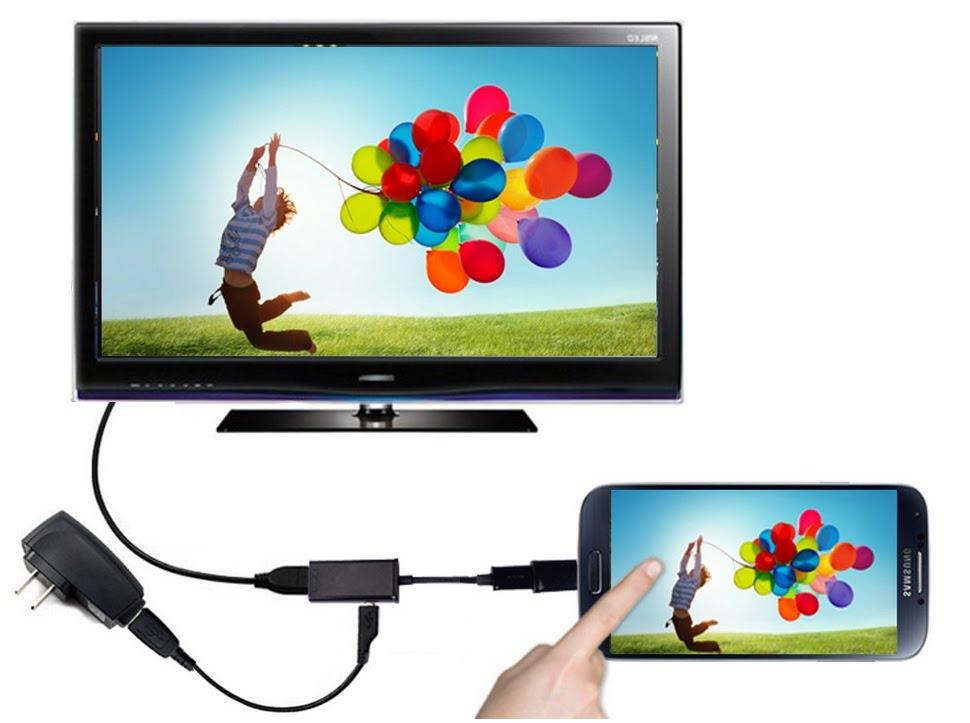
Casting/Mirroring: For those moments when you want to share your mobile content on a larger screen, technologies like Google Cast (Chromecast), Apple AirPlay, or Miracast allow you to wirelessly project your phone’s screen or stream content directly to a compatible smart TV or media player. This bridges the gap between personal mobile viewing and a more traditional living room experience.
Offline Downloads: Many subscription streaming services offer the ability to download content over Wi-Fi for offline viewing. This is a crucial feature for saving mobile data, preparing for flights, or when anticipating areas with poor connectivity. Plan ahead and download your desired content before heading out.
The Future of Mobile Television
The trajectory of mobile TV is undeniably towards greater integration, higher fidelity, and more personalized experiences. As 5G networks become more pervasive, offering unprecedented speeds and lower latency, the distinction between mobile and home entertainment will further blur. We can anticipate even higher resolution streams, seamless interactive content, and potentially new forms of augmented or virtual reality viewing experiences directly on our phones. Edge computing and AI will likely play increasing roles in optimizing content delivery and personalizing recommendations, making the mobile device not just a receiver, but an intelligent curator of your entertainment world. The smartphone’s journey as a television replacement is far from over; it is continuously evolving, pushing the boundaries of what’s possible in portable digital media consumption.
aViewFromTheCave is a participant in the Amazon Services LLC Associates Program, an affiliate advertising program designed to provide a means for sites to earn advertising fees by advertising and linking to Amazon.com. Amazon, the Amazon logo, AmazonSupply, and the AmazonSupply logo are trademarks of Amazon.com, Inc. or its affiliates. As an Amazon Associate we earn affiliate commissions from qualifying purchases.