
The question of “what are home interest rates right now” is more than a simple inquiry into a percentage; it is a fundamental concern for anyone looking to build wealth, secure a primary residence, or diversify a portfolio through real estate. In the current economic climate, mortgage rates have become the focal point of the American financial conversation. After a decade of historically low rates, the market has transitioned into a period of higher volatility and increased borrowing costs, fundamentally shifting the math behind homeownership and personal finance.
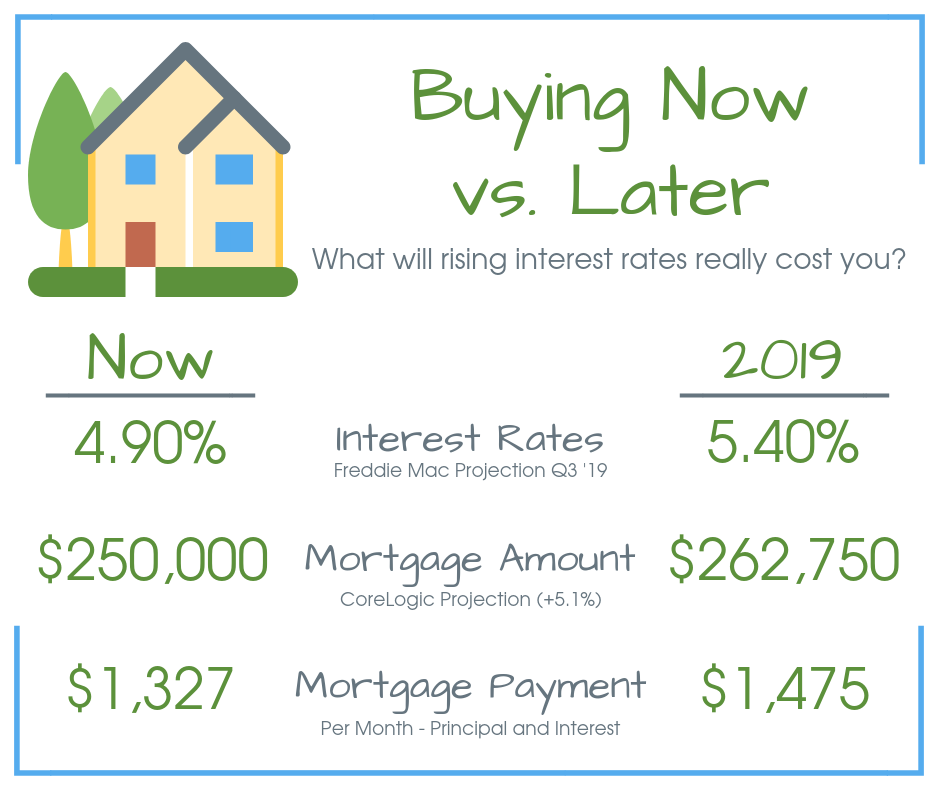
To understand where rates are today, one must look beyond the daily ticker. One must understand the macroeconomic forces, the personal financial benchmarks, and the strategic maneuvers available to borrowers. This guide delves into the mechanics of current interest rates, how they are determined, and what you can do to navigate this high-interest environment effectively.
The Macroeconomic Engines Driving Today’s Rates
Mortgage rates do not exist in a vacuum. They are the byproduct of complex global and national economic signals. While many prospective homeowners look toward the Federal Reserve for answers, the relationship between “the Fed” and your mortgage rate is more nuanced than a direct one-to-one correlation.
The Federal Reserve and the Federal Funds Rate
The Federal Reserve’s primary mandate is to manage inflation and maintain maximum employment. When inflation spiked to 40-year highs recently, the Fed responded by aggressively raising the federal funds rate. While this is the rate at which commercial banks borrow from each other overnight, it sets the “floor” for the cost of capital. As the federal funds rate rises, the cost of doing business for lenders increases, which is then passed down to the consumer in the form of higher mortgage interest rates.
The 10-Year Treasury Yield Connection
If you want to know where mortgage rates are headed tomorrow, look at the 10-year Treasury yield today. Historically, the 30-year fixed mortgage rate tracks the movement of the 10-year Treasury note with a “spread” or gap—usually around 1.5 to 3 percentage points. In times of economic uncertainty or high volatility, this spread can widen. When investors feel the economy is risky, they demand higher yields on Treasury notes, which pushes mortgage rates higher. Understanding this link allows savvy investors to anticipate rate shifts before they are officially reflected in retail banking quotes.
Inflation and the Consumer Price Index (CPI)
Inflation is the greatest enemy of fixed-income investments like mortgages. Because a lender is receiving a fixed payment over 15 or 30 years, they must ensure that the interest they charge outpaces the rate at which the dollar loses its purchasing power. When CPI data shows that inflation is “sticky” or rising, lenders preemptively raise interest rates to protect their future margins. Conversely, when inflation cools, rates often follow suit, providing a window of opportunity for borrowers.
Decoding the Different Tiers of Mortgage Products
When asking about “current rates,” it is essential to recognize that there is no single “universal” rate. The rate you see on a billboard is often a “teaser” rate for the most qualified borrowers. Different loan products carry different risk profiles, which are reflected in their interest costs.
30-Year vs. 15-Year Fixed-Rate Mortgages
The 30-year fixed-rate mortgage remains the gold standard for American homeowners because of its stability and lower monthly payments. However, because the lender is taking on risk over a longer horizon, the interest rate is higher than its 15-year counterpart. The 15-year mortgage, while requiring significantly higher monthly payments, offers a lower interest rate and allows the borrower to build equity at an accelerated pace, often saving hundreds of thousands of dollars in interest over the life of the loan.
Adjustable-Rate Mortgages (ARMs) in a High-Rate Market
In an environment where fixed rates are high, Adjustable-Rate Mortgages (ARMs) often gain popularity. An ARM typically offers a lower “introductory” rate for a set period—usually 5, 7, or 10 years—after which the rate adjusts based on market conditions. For a professional who knows they will sell the home or refinance within five years, an ARM can be a strategic tool to lower monthly overhead during the initial years of homeownership. However, it carries the inherent risk of rates being even higher when the adjustment period arrives.
Jumbo Loans and Government-Backed Options
For those looking at high-end real estate, “Jumbo” loans apply to amounts exceeding the conforming loan limits set by the FHFA. Historically, Jumbo rates were higher than conforming rates, but in recent market anomalies, they have occasionally hovered near or even below conforming rates as banks compete for high-net-worth clients. On the other end of the spectrum, FHA and VA loans provide accessibility for those with smaller down payments or military service, often offering competitive rates but requiring additional costs like Mortgage Insurance Premiums (MIP).
How Personal Financial Health Dictates Your Specific Quote
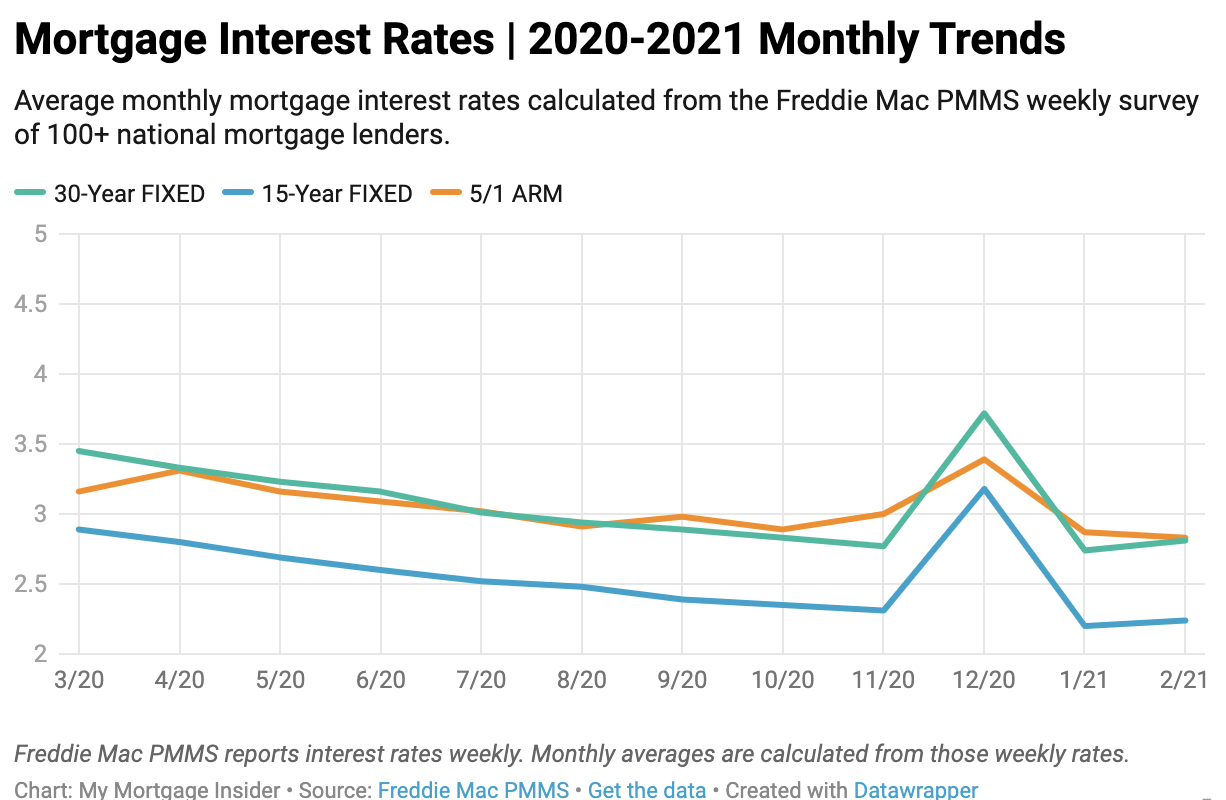
The “market rate” is merely a baseline. The actual rate a lender offers you is a reflection of the risk they perceive in your financial profile. In a high-interest environment, the premium for having “perfect” credit has never been higher.
The Critical Role of the FICO Score
Your credit score is the primary lever used to determine your interest rate. Lenders generally categorize borrowers into tiers. A borrower with a score of 780 or higher will receive the best possible “prime” rate. However, as the score drops into the 600s, lenders add “Loan Level Price Adjustments” (LLPAs). These are essentially surcharges that can increase your interest rate by 0.5% to 1.5% compared to a top-tier borrower. Over a 30-year loan, even a 0.5% difference can cost tens of thousands of dollars.
Debt-to-Income (DTI) Ratios and Loan-to-Value (LTV)
Lenders look at your Debt-to-Income ratio to ensure you aren’t overleveraged. A DTI below 36% is generally considered ideal. Simultaneously, the Loan-to-Value ratio—the size of your loan compared to the home’s appraisal—plays a massive role. A 20% down payment (80% LTV) is the traditional benchmark to avoid Private Mortgage Insurance (PMI) and secure better rates. If you are putting down less than 5%, you are viewed as a higher-risk borrower, and your interest rate will likely reflect that.
Employment Stability and Cash Reserves
In a volatile economy, lenders prioritize “quality of income.” Steady, W-2 employment with a two-year history in the same industry is the preferred standard. For the self-employed or those with fluctuating “side hustle” income, securing a competitive rate may require more documentation, such as two years of tax returns and a profit-and-loss statement. Lenders also want to see “reserves”—liquid cash in your accounts after the down payment is made—to ensure you can weather a financial storm without defaulting.
Strategic Maneuvers to Lower Your Interest Rate
If you find that current market rates are higher than you anticipated, there are several financial strategies you can employ to mitigate the impact on your monthly budget and long-term wealth.
Buying Down the Rate with Discount Points
“Points” are essentially prepaid interest. One point typically costs 1% of the total loan amount and reduces your interest rate by approximately 0.25%. For example, on a $400,000 loan, one point would cost $4,000. If you plan to stay in the home for a long time (10+ years), calculating the “break-even point”—the moment where the monthly savings exceed the upfront cost of the point—is a vital piece of financial planning.
The “Date the Rate, Marry the House” Philosophy
A common phrase in the current real estate market is “Marry the house, date the rate.” This strategy suggests that if you find the right property at a fair price, you should purchase it even if rates are high, with the intention of refinancing once rates eventually drop. While this is a viable wealth-building strategy, it requires a “worst-case scenario” plan. Borrowers must ensure they can comfortably afford the current payment indefinitely, as there is no guarantee of when, or if, rates will return to previous lows.
Seller Concessions and Rate Buydowns
In a cooling market, buyers have more leverage. One increasingly popular strategy is the “2-1 Buydown,” where the seller pays a lump sum into an escrow account that subsidizes the buyer’s interest rate for the first two years (e.g., 2% lower in year one, 1% lower in year two). This provides the buyer with immediate monthly relief while they wait for a potential window to refinance into a lower permanent rate.
The Long-Term Financial Outlook and Affordability
As we look toward the future, the “new normal” for interest rates appears to be a departure from the 3% era of the early 2020s. For the personal finance-minded individual, this requires a shift in perspective.
The Impact of Interest Rates on Housing Inventory
High interest rates have created a “lock-in effect.” Many current homeowners have mortgages at 3% or 4% and are unwilling to sell and move into a new home at 7%. This has led to a shortage of inventory, which keeps home prices elevated despite the higher cost of borrowing. From an investment standpoint, this means that while your interest rate may be higher, the underlying asset—the home—is likely to maintain its value due to the supply-and-demand imbalance.
Balancing Interest Rates with Long-Term Appreciation
While it is tempting to wait for rates to drop, one must consider the “cost of waiting.” If interest rates drop significantly, a flood of buyers will likely enter the market, driving home prices up through increased competition. In many cases, it is financially more advantageous to buy at a higher rate and a lower purchase price than to buy at a lower rate and a significantly inflated purchase price.

Conclusion: Taking Control of Your Financial Future
Understanding “what home interest rates are right now” is the first step in a larger journey of financial literacy. Rates are a dynamic force, influenced by global shifts but managed through personal financial discipline. By maintaining a high credit score, choosing the right loan product, and utilizing strategic buydowns, you can secure a home even in a challenging environment. Remember that real estate is a long-term play; while the rate you secure today is important, the equity you build over the coming decades remains one of the most powerful tools for personal wealth creation. Stay informed, remain flexible, and focus on the math of the deal rather than the noise of the market.
aViewFromTheCave is a participant in the Amazon Services LLC Associates Program, an affiliate advertising program designed to provide a means for sites to earn advertising fees by advertising and linking to Amazon.com. Amazon, the Amazon logo, AmazonSupply, and the AmazonSupply logo are trademarks of Amazon.com, Inc. or its affiliates. As an Amazon Associate we earn affiliate commissions from qualifying purchases.