
In an increasingly interconnected global economy, the movement of money across borders remains surprisingly complex, slow, and expensive. Traditional financial systems, reliant on decades-old infrastructure, often involve numerous intermediaries, leading to high fees, delayed settlements, and a lack of transparency. Enter Ripple, a technology company that has set its sights on modernizing cross-border payments through the innovative application of distributed ledger technology (DLT). More than just a cryptocurrency, Ripple offers a suite of enterprise-grade software solutions designed to enable real-time, low-cost, and reliable international transactions for financial institutions, payment providers, and corporations worldwide.
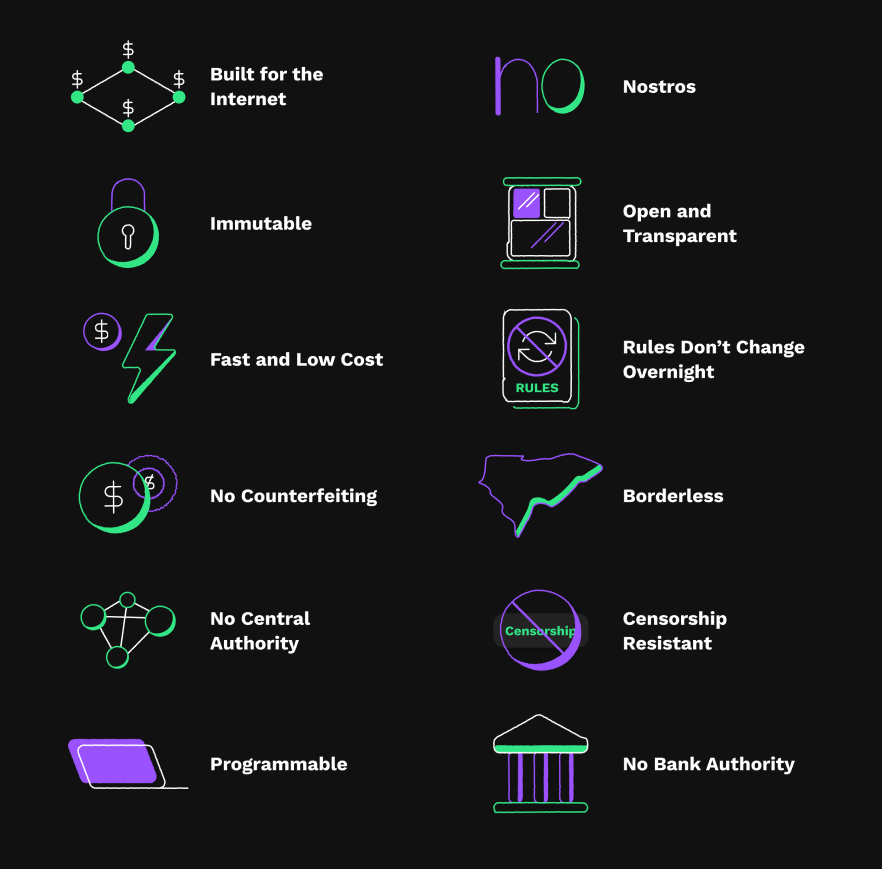
Ripple’s core mission is to create an “Internet of Value” – a world where money moves as seamlessly as information does today. To achieve this, the company has developed a unique technological ecosystem built around the XRP Ledger (XRPL) and its associated network, RippleNet. This ecosystem leverages cryptographic security, decentralized principles, and sophisticated consensus mechanisms to provide a powerful alternative to legacy correspondent banking systems. Understanding what Ripple does requires a deep dive into its foundational technologies, its specific software offerings, and the distinct advantages it brings to the digital payments landscape.
The Genesis of a Global Payment Protocol
Ripple’s inception was driven by a clear recognition of the inefficiencies plaguing global financial transfers. The existing infrastructure, often referred to as the “nostro/vostro” system, requires banks to pre-fund accounts in various currencies across the globe, tying up significant capital and introducing operational complexities. This system results in the aforementioned delays, high costs, and a lack of end-to-end visibility. Ripple sought to disrupt this paradigm by introducing a new technological framework built from the ground up.
Addressing Inefficiencies in Traditional Finance
Traditional cross-border payments are characterized by a multi-hop process. A payment from a sender’s bank to a recipient’s bank in another country might pass through several intermediary banks, each taking a cut, adding processing time, and increasing the potential for errors. This model is not only inefficient but also excludes a significant portion of the global population and businesses from participating fully in international trade due to high access costs. Ripple’s technological approach aims to streamline this by reducing the number of intermediaries and facilitating direct, cryptographically secured value transfer. By leveraging DLT, Ripple envisions a system where value moves directly from sender to receiver, similar to how information packets traverse the internet.
Introducing the XRP Ledger: A Unique DLT Architecture
At the heart of Ripple’s technological stack is the XRP Ledger (XRPL), an open-source, permissionless, and decentralized cryptographic ledger. Unlike many other blockchain platforms, the XRPL was designed specifically for payments from its inception. It operates independently of any central authority and is maintained by a network of independent validators that reach consensus on transactions.
Key technical characteristics of the XRPL include:
- High Speed: Transactions on the XRPL typically settle in 3-5 seconds, significantly faster than the days or hours often required by traditional banking systems.
- Low Cost: Transaction fees on the XRPL are negligible, often fractions of a cent, making micro-transactions economically viable.
- Scalability: The XRPL is designed to handle thousands of transactions per second (TPS), with potential for even higher throughput, demonstrating enterprise-grade scalability.
- Energy Efficiency: Unlike proof-of-work systems like Bitcoin, the XRPL’s consensus mechanism is highly energy-efficient, requiring minimal computational power.
The XRPL’s unique architecture, including its native digital asset XRP, allows for efficient and rapid value transfer, positioning it as a foundational layer for a new generation of financial applications.
Deconstructing RippleNet: A Suite of Enterprise Solutions
While the XRP Ledger provides the underlying infrastructure, RippleNet is the actual enterprise blockchain network and suite of software solutions that financial institutions utilize to send and receive payments globally. RippleNet acts as a modern alternative to SWIFT, enabling seamless and secure financial transactions through a standardized protocol.
xCurrent: Real-time Messaging and Settlement
One of RippleNet’s foundational offerings, xCurrent, is an enterprise software solution that allows banks to instantly message each other about payment details, ensuring certainty and transparency from end-to-end. It provides a common framework for communication, reconciliation, and settlement confirmations. While xCurrent doesn’t necessarily use XRP, it significantly improves the speed and transparency of traditional fiat-to-fiat transactions by digitizing the communication layer. Key features include:
- Interledger Protocol (ILP): A core component that facilitates communication and payment routing between different ledgers and payment systems.
- API-driven Interface: Allows for easy integration with existing banking systems.
- Cryptographic Verification: Ensures the integrity and authenticity of payment messages.
xCurrent addresses the information exchange problem in correspondent banking, enabling financial institutions to offer real-time tracking and confirmation to their customers, a feature largely absent in legacy systems.
On-Demand Liquidity (ODL) and the Role of XRP
Perhaps Ripple’s most innovative and disruptive product within RippleNet is On-Demand Liquidity (ODL), formerly known as xRapid. ODL leverages the digital asset XRP as a real-time bridge currency to facilitate instantaneous, low-cost cross-border payments. The core problem ODL solves is the need for pre-funded nostro accounts.
Here’s how ODL works from a technological perspective:
- A financial institution (e.g., in the US) wants to send money in USD to another institution (e.g., in Mexico) which needs MXN.
- Instead of holding pre-funded MXN accounts, the US institution converts its USD to XRP on an exchange.
- The XRP is then instantly sent across the XRP Ledger (in 3-5 seconds).
- The recipient institution in Mexico immediately converts the received XRP into MXN on a local exchange.
This process eliminates the need for nostro accounts, drastically reducing capital costs and freeing up liquidity for financial institutions. XRP’s speed, low cost, and ability to be quickly bought and sold on numerous exchanges globally make it an ideal “bridge asset” for this purpose. ODL represents a paradigm shift in how international payments can be settled, moving from a pre-funded model to a real-time, on-demand liquidity model powered by a digital asset.
Bridging the Gap: Interoperability and API Integration
A crucial aspect of Ripple’s technological strategy is its focus on interoperability. Recognizing that the global financial landscape is fragmented, RippleNet is designed to connect disparate payment systems, ledgers, and currencies. The use of the Interledger Protocol (ILP) is central to this. ILP is an open, vendor-agnostic protocol that allows for payments across different payment networks. This means that a payment originating from a traditional bank could theoretically settle on the XRP Ledger and then be transferred to a mobile money wallet, all seamlessly.
Furthermore, Ripple provides robust APIs (Application Programming Interfaces) that enable financial institutions to easily integrate RippleNet into their existing enterprise systems. This ensures minimal disruption and allows banks to leverage Ripple’s technology without overhauling their entire IT infrastructure, facilitating quicker adoption and deployment.
Technological Underpinnings: Speed, Scalability, and Security
The efficacy of any payment technology hinges on its ability to deliver on fundamental promises of speed, scalability, and security. Ripple’s architecture has been meticulously engineered to meet these demands for enterprise-grade financial operations.
Consensus Mechanism: The XRP Ledger Consensus Protocol (XLCP)
The XRP Ledger does not use a traditional Proof-of-Work (like Bitcoin) or Proof-of-Stake (like Ethereum 2.0) consensus mechanism. Instead, it employs a unique federated consensus mechanism known as the XRP Ledger Consensus Protocol (XLCP). In this model, independent “validator nodes” agree on the order and validity of transactions. Each validator maintains a Unique Node List (UNL) of trusted validators, and once a supermajority of these validators agree on a set of transactions, the ledger is closed and validated.
This system offers several technical advantages:
- Rapid Agreement: Achieves consensus in 3-5 seconds, enabling near-instant transaction finality.
- Low Energy Consumption: Does not require intensive computational “mining,” making it environmentally sustainable.
- Decentralization with Efficiency: While not fully permissionless in the same way as Bitcoin (where anyone can mine), the UNL can be chosen by individual participants, allowing for a balance between speed, security, and a degree of decentralization.
Transaction Throughput and Cost Efficiency
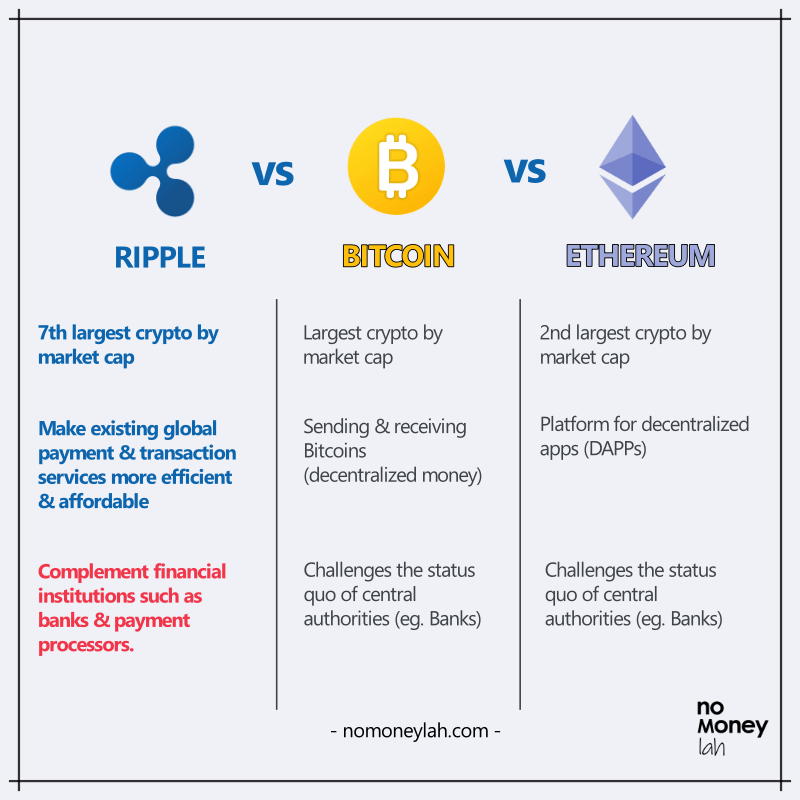
The XRPL boasts impressive transaction throughput, capable of handling 1,500 transactions per second (TPS) consistently, with the potential for higher throughput under specific conditions. This far surpasses the capabilities of Bitcoin (7 TPS) and Ethereum (15-30 TPS) and even rivals traditional payment processors like Visa (though Visa’s peak capacity is higher, the XRPL offers finality in seconds). This high TPS is crucial for supporting the demands of global financial institutions.
Furthermore, the transaction cost on the XRP Ledger is remarkably low – a fraction of a cent per transaction. This fee is not paid to validators but is “burned” (destroyed), slowly reducing the total supply of XRP over time, acting as a spam prevention mechanism and ensuring that the network remains economically viable for even the smallest transactions.
Cryptographic Security and Data Integrity
Security is paramount in financial technology. The XRP Ledger employs robust cryptographic techniques to ensure the integrity and immutability of transactions. Each transaction is digitally signed, making it tamper-proof once recorded on the ledger. The decentralized nature of the network, with multiple independent validators, reduces single points of failure and enhances resistance to attacks. While the XRPL is a public ledger, sensitive transaction details can be managed off-chain or through cryptographic methods to ensure data privacy for participating institutions, adhering to regulatory requirements.
Impact and Innovation: Reshaping the Future of Digital Payments
Ripple’s technological advancements are not merely theoretical; they are actively shaping how financial institutions approach global payments and are fostering a broader ecosystem of innovation.
Empowering Financial Institutions with Modern Infrastructure
By providing a suite of ready-to-use, API-driven software solutions like RippleNet and ODL, Ripple enables financial institutions to upgrade their core payment infrastructure without undertaking massive, costly overhauls. This allows them to:
- Offer Faster Services: Attract and retain customers with real-time international transfers.
- Reduce Operational Costs: Eliminate pre-funding requirements and reduce manual reconciliation efforts.
- Expand Market Reach: Serve previously underserved corridors and customer segments.
- Enhance Transparency: Provide end-to-end tracking of payments, improving customer satisfaction and compliance.
The Developer Ecosystem and Open-Source Contributions
Beyond its enterprise products, Ripple actively supports a vibrant developer ecosystem around the XRP Ledger. The XRPL is open-source, allowing developers worldwide to build applications and services on top of its robust infrastructure. This includes smart contract functionality through sidechains (e.g., the Hooks amendment) and innovative tokenization capabilities, expanding the XRPL’s utility beyond just payments to include asset issuance, decentralized exchanges, and more. Ripple’s contributions to the open-source community foster further innovation and ensure the XRPL’s continued evolution and relevance in the broader DLT space.
Navigating Regulatory Landscapes with Tech-Forward Solutions
A significant challenge for any technology operating in the financial sector is regulatory compliance. Ripple has proactively engaged with regulators globally, advocating for clear frameworks for digital assets and DLT. Its technological solutions are designed with compliance in mind, offering features that assist institutions in meeting AML (Anti-Money Laundering) and KYC (Know Your Customer) requirements. This pragmatic approach to regulation, combined with enterprise-grade security and auditability, helps financial institutions confidently adopt Ripple’s technology.
The Road Ahead: Evolution and Expansion
Ripple continues to invest heavily in research and development, constantly enhancing its technology and exploring new applications for the XRP Ledger. The vision extends beyond just cross-border retail payments.
Exploring CBDCs and Enterprise Blockchain Solutions
Ripple is actively involved in conversations and pilot programs related to Central Bank Digital Currencies (CBDCs). The XRPL’s design for rapid, low-cost value transfer makes it a compelling platform for central banks looking to issue their own digital fiat currencies. Ripple’s private ledger technology offers a secure, controlled environment for CBDC issuance and management, potentially acting as a bridge for interoperability between different CBDC networks. Furthermore, the company is exploring broader enterprise blockchain solutions, leveraging the XRPL’s capabilities for use cases such as supply chain finance, tokenized assets, and other forms of digital value exchange.

Continuous R&D and Feature Enhancements
Innovation is a continuous process at Ripple. Ongoing development includes improving the scalability and efficiency of the XRPL, exploring new consensus mechanisms, enhancing smart contract capabilities, and refining the user experience for financial institutions on RippleNet. The commitment to an open-source model ensures that the platform remains adaptable and responsive to the evolving needs of the digital economy.
In essence, Ripple’s core function is to build and deploy advanced distributed ledger technology and software solutions that fundamentally improve how money moves globally. By offering a faster, cheaper, and more transparent alternative to traditional systems, Ripple is not just a player in the financial technology space; it is a pioneer, driving the adoption of DLT as a critical component of the future of global payments. Its focus on enterprise solutions, robust technology, and commitment to innovation positions it at the forefront of the financial industry’s digital transformation.
aViewFromTheCave is a participant in the Amazon Services LLC Associates Program, an affiliate advertising program designed to provide a means for sites to earn advertising fees by advertising and linking to Amazon.com. Amazon, the Amazon logo, AmazonSupply, and the AmazonSupply logo are trademarks of Amazon.com, Inc. or its affiliates. As an Amazon Associate we earn affiliate commissions from qualifying purchases.