
Oregon, a state renowned for its breathtaking natural beauty and vibrant urban centers, beckons countless visitors each year. From the rugged Pacific coastline to the majestic peaks of the Cascades, the fertile Willamette Valley, and the iconic Columbia River Gorge, the allure is undeniable. However, embarking on an Oregon adventure, like any significant travel plan, requires careful financial consideration. This article delves into “what to visit in Oregon” through a purely financial lens, offering insights into budgeting, value maximization, and even income opportunities, ensuring your journey is as fiscally sound as it is memorable.
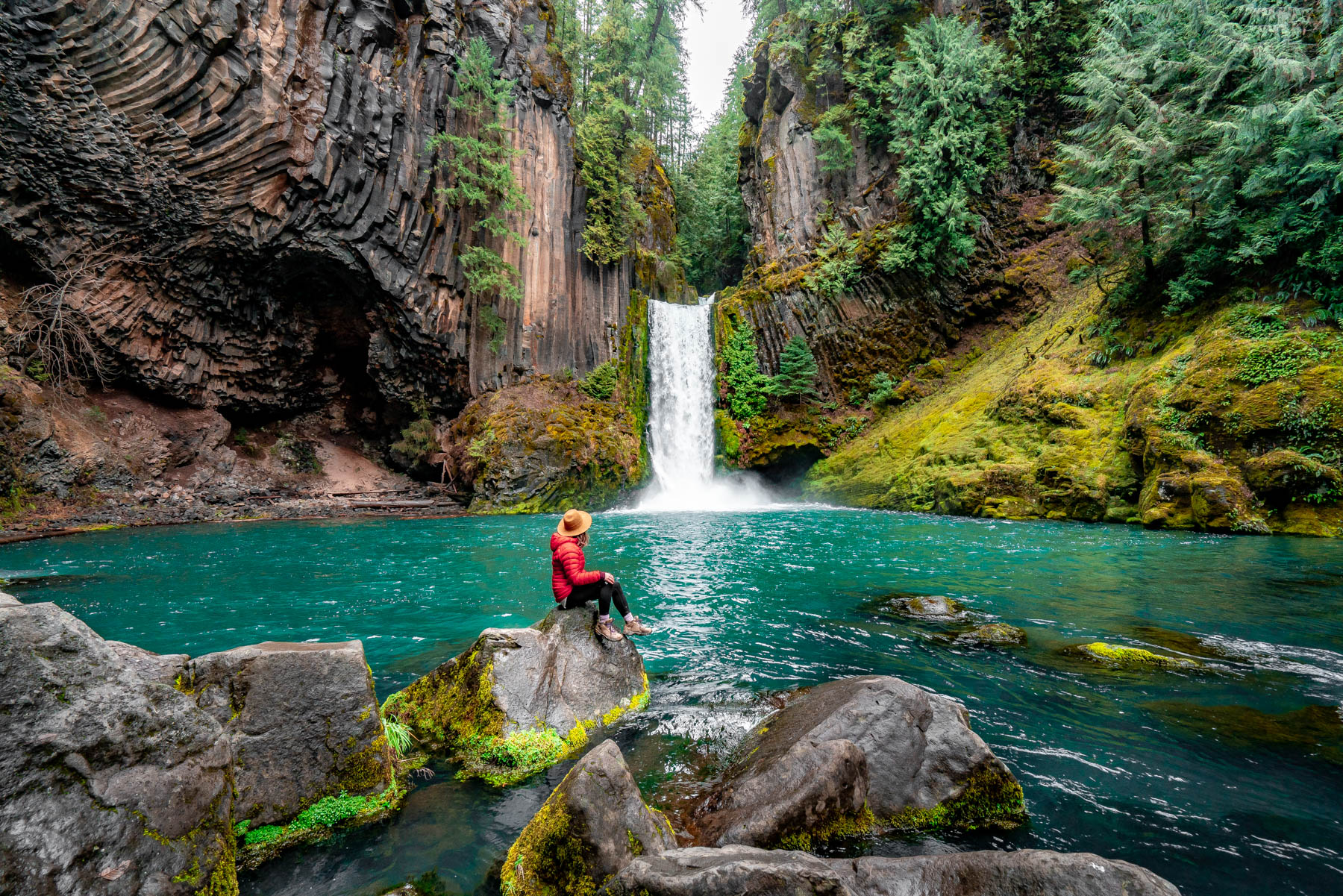
Strategizing Your Budget for Oregon’s Diverse Landscapes
Visiting Oregon’s varied landscapes means encountering a spectrum of potential expenses. A well-thought-out budget is not merely a recommendation but a necessity to fully enjoy the state’s offerings without financial strain. Understanding the cost drivers for each region allows for proactive planning and significant savings.
The Cost of Coastal Exploration: Beaches, Towns, and Savings
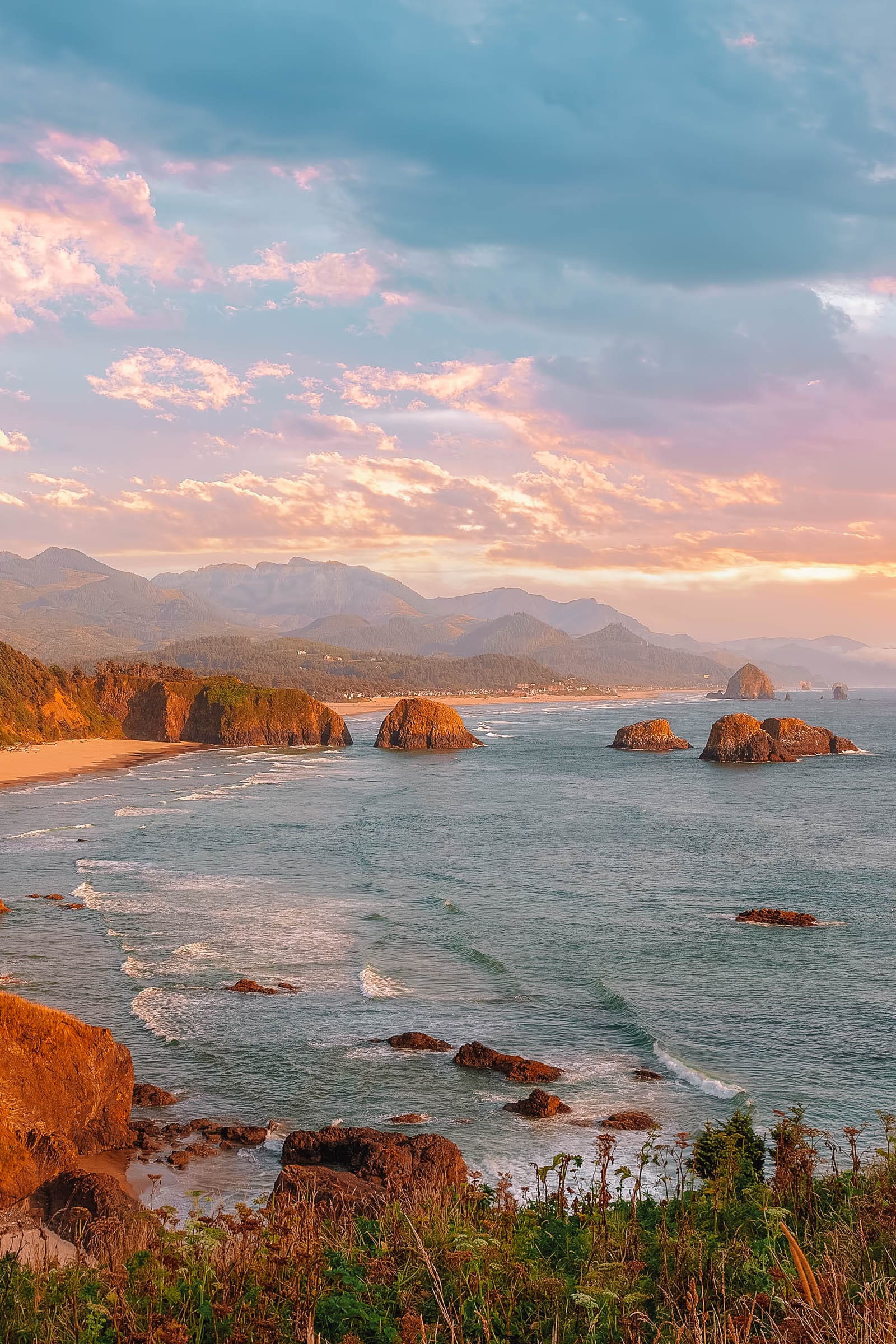
Oregon’s 363 miles of public coastline are a major draw, with charming towns like Cannon Beach, Tillamook, and Florence dotting the scenic Highway 101. While access to the beaches themselves is free, the costs associated with accommodation, dining, and activities can vary significantly. Summer and holiday weekends see peak prices, with quaint B&Bs and oceanfront hotels commanding premium rates.
To budget effectively for the coast, consider off-season travel (fall or spring offer fewer crowds and often lower prices, with weather still pleasant). Camping at state parks like Cape Lookout or Fort Stevens presents a significantly cheaper alternative to hotels, often providing unparalleled access to nature. Dining expenses can be managed by frequenting local seafood markets and preparing some meals, rather than solely relying on restaurants. Many coastal towns host free events or offer affordable attractions like lighthouses or tide pool explorations. For those seeking to minimize spending, focusing on free activities such such as beachcombing, hiking coastal trails, or simply enjoying sunsets can provide immense value. The investment here is in the experience, not necessarily in lavish spending.
Mountain Majesty on a Budget: Crater Lake and Cascades
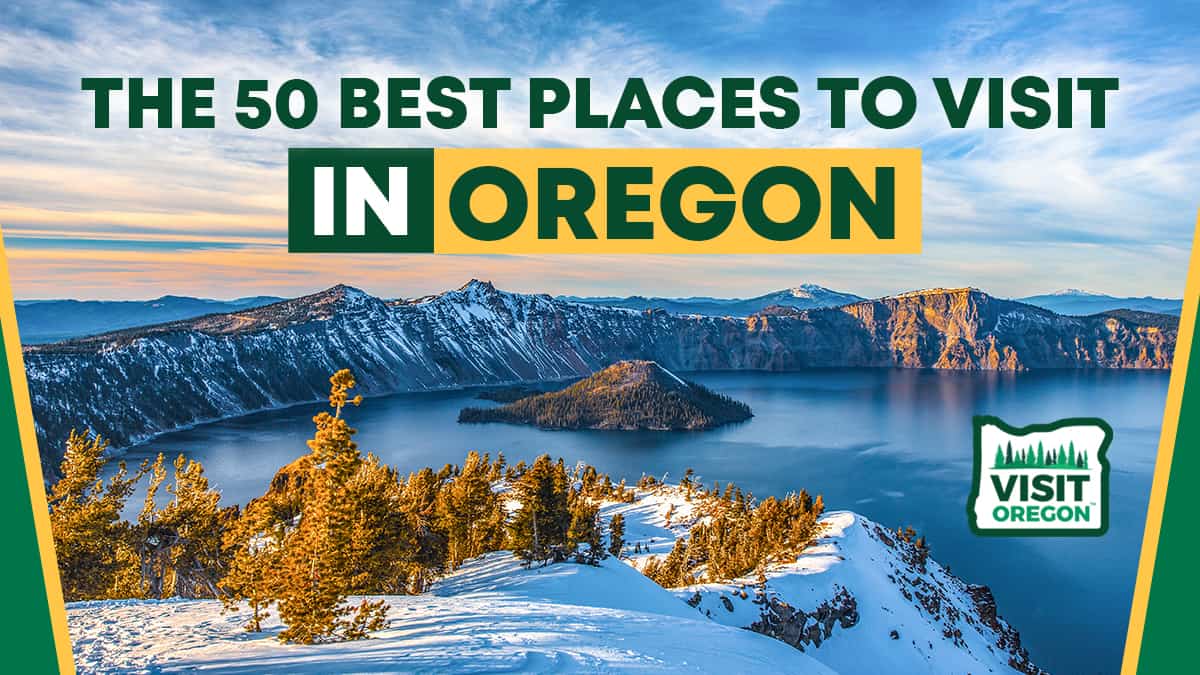
The awe-inspiring Crater Lake National Park, the deepest lake in the U.S., and the vast Cascade Mountain Range offer incredible opportunities for outdoor enthusiasts. Accessing national parks typically involves an entrance fee, which can be mitigated by purchasing an annual America the Beautiful pass if you plan to visit multiple parks within a year. Accommodation near Crater Lake, for instance, is limited and can be pricey, making booking far in advance essential for both availability and potentially better rates. Alternatively, staying in nearby towns like Klamath Falls or Roseburg and driving to the park can offer more affordable lodging options.
Hiking and exploring the numerous trails in the Cascades are largely free activities, representing an excellent return on investment for physical and mental well-being. Equipment, if not already owned, can be rented or purchased second-hand to reduce initial outlay. For winter sports, lift tickets at ski resorts like Mount Hood Meadows or Bachelor can be substantial, but early bird passes or multi-day packages often provide better value. Evaluating the total cost of park fees, gas, potential gear rentals, and food will ensure financial comfort during your high-altitude adventures. The true ‘investment’ in these regions is the unparalleled access to pristine wilderness, which offers dividends in terms of experience and rejuvenation, often at a lower monetary cost than urban alternatives.
Urban Adventures Without the Premium: Portland’s Economic Side
Portland, Oregon’s largest city, is celebrated for its unique culture, thriving food scene, and quirky charm. While often perceived as a trendy and potentially expensive destination, navigating Portland can be surprisingly budget-friendly with careful planning. Accommodation is usually the largest expense; consider staying outside the immediate downtown core and utilizing Portland’s excellent public transportation system (TriMet) to save on parking and taxi fares. Hostels, Airbnb rentals in residential neighborhoods, or boutique hotels slightly off the beaten path can offer more economical choices.
Portland’s culinary landscape ranges from high-end restaurants to world-famous food carts. The latter offers gourmet, diverse, and incredibly affordable dining experiences, allowing visitors to sample a wide array of flavors without breaking the bank. Many of Portland’s top attractions, such as Powell’s City of Books, Washington Park (home to the Rose Garden and Japanese Garden, though the latter has an entrance fee), and various farmers’ markets, offer free or low-cost entry. Exploring neighborhoods like the Pearl District or Hawthorne on foot costs nothing and provides deep insights into the city’s character. For entertainment, many local breweries offer free tastings or inexpensive pints, and live music venues often have affordable cover charges. Investing time in researching free events and local deals can significantly reduce the financial footprint of a Portland visit.
Maximizing Value: Investing in Unique Oregon Experiences
Beyond simply saving money, maximizing value means making strategic financial choices that enrich your travel experience without necessarily increasing expenditure. It’s about smart investment in activities that offer significant returns in terms of memories, learning, and enjoyment.
Savoring Willamette Valley Wine Country: Smart Spending for Connoisseurs
The Willamette Valley, nationally recognized for its exquisite Pinot Noir, is a must-visit for wine enthusiasts. A trip here can range from luxuriously expensive to surprisingly affordable. To maximize value, consider visiting during weekdays when tasting fees might be lower, and vineyards are less crowded, allowing for more personalized experiences. Many smaller, family-owned wineries offer more intimate and often less expensive tastings than larger, more commercial establishments.
Purchasing a wine passport or joining a wine club can provide discounted or complimentary tastings at multiple wineries, representing a significant saving if you plan to visit several. While a designated driver or tour service is highly recommended for safety, carpooling with fellow travelers can split costs. Dining in the valley can be upscale, but packing a picnic with local produce and cheeses from a farmers’ market to enjoy at a vineyard (where permitted) offers a delightful and cost-effective alternative. The financial investment in the Willamette Valley is not just in the wine but in the rich agricultural heritage and the serene beauty of the region, offering a cultural return that often outweighs the monetary cost.
Unlocking the Columbia River Gorge: Affordable Scenic Grandeur
The Columbia River Gorge, a dramatic canyon carved by the Columbia River, is a treasure trove of waterfalls, hiking trails, and stunning viewpoints. This region offers some of the highest value-for-money experiences in Oregon, as many of its primary attractions are free. Multnomah Falls, Latourell Falls, and Horsetail Falls are iconic and accessible without an entry fee. The Historic Columbia River Highway is a scenic drive in itself, connecting many of these natural wonders.
The main financial considerations here are transportation (gas, parking fees at popular trailheads) and potentially dining. Bringing packed lunches and snacks is an excellent way to save, as food options within the Gorge can be limited and pricier. For those interested in water sports like windsurfing or kitesurfing in Hood River, gear rental can be an expense, but watching these athletes in action is free entertainment. Investing in a good pair of hiking boots is a sensible financial decision here, as it enables access to countless hours of free, high-quality outdoor activity. The return on investment for visiting the Gorge is immense, offering unparalleled natural beauty and adventure for minimal financial outlay.
Beyond Tourism: Earning and Saving While Exploring Oregon
For the financially savvy traveler, Oregon presents opportunities not just to spend wisely but also to save significantly and, in some cases, even generate income. This approach transforms a typical tourist experience into a more integrated financial journey.
Leveraging Local Markets and Farm Stands for Culinary Savings
Oregon’s commitment to local, sustainable agriculture is evident in its abundant farmers’ markets and roadside farm stands. Visiting these spots is not only a fantastic way to experience local culture and taste fresh produce but also a strategic financial move. Instead of relying solely on restaurants, purchasing ingredients from these markets allows you to prepare your own meals, significantly reducing food costs. Many accommodations, especially vacation rentals or campsites, offer cooking facilities.
Furthermore, these markets often feature artisan goods, baked treats, and prepared foods that can serve as affordable and authentic souvenirs or meal replacements. For extended stays, buying in bulk from farm stands can offer even greater savings. This approach transforms meal planning from a pure expense into an enjoyable local experience that also serves your budget.
Side Hustles and Digital Nomad Opportunities in Oregon’s Scenic Spots
Oregon’s diverse geography and thriving remote work culture make it an attractive destination for digital nomads and those looking to supplement their travel funds through side hustles. Many cafes in Portland, Bend, and other cities offer reliable Wi-Fi, creating productive workspaces. For those with skills in content creation, photography, or social media, Oregon’s stunning landscapes provide endless inspiration and material. Selling photos of Crater Lake, blogging about budget travel along the Oregon Coast, or creating video guides for hiking the Gorge can generate online income while you explore.
Additionally, for travelers with specific skills, local opportunities might arise. Freelance writing, graphic design, or virtual assistant work can be conducted from almost anywhere with an internet connection. Some visitors even engage in seasonal work, such as grape harvesting in the Willamette Valley during fall, or working at ski resorts in winter, to offset travel costs. By creatively combining exploration with income-generating activities, Oregon can become more than just a destination; it can be a temporary home where adventure and financial prudence coexist, transforming “what to visit” into “how to financially thrive while visiting.”
In conclusion, visiting Oregon’s diverse landscapes offers a wealth of experiences. By approaching your trip with a keen financial awareness – strategizing budgets for specific regions, maximizing value from unique attractions, and even exploring income-generating opportunities – you can transform your adventure into a fiscally responsible and profoundly rewarding journey. Oregon’s beauty is accessible to all, especially those who plan wisely and invest intelligently in their travel experiences.
aViewFromTheCave is a participant in the Amazon Services LLC Associates Program, an affiliate advertising program designed to provide a means for sites to earn advertising fees by advertising and linking to Amazon.com. Amazon, the Amazon logo, AmazonSupply, and the AmazonSupply logo are trademarks of Amazon.com, Inc. or its affiliates. As an Amazon Associate we earn affiliate commissions from qualifying purchases.