
Pigeon Forge, nestled in the heart of the Great Smoky Mountains, is a vibrant tapestry of entertainment, natural beauty, and unique attractions. For the astute traveler, however, it’s more than just a vacation destination; it’s an intricate landscape of financial decisions, investment opportunities in leisure, and a chance to maximize value for every dollar spent. Understanding the financial currents that flow through this popular locale is key to crafting a truly fulfilling and economically sound visit. This guide delves into how to approach your Pigeon Forge journey with a keen financial eye, transforming “what to do” into “how to financially optimize what you do.”

Strategic Allocation of Your Entertainment Budget
The myriad attractions in Pigeon Forge present a rich menu of options, each with its own price point and value proposition. To make the most of your trip, a thoughtful approach to budgeting and spending on entertainment is paramount, ensuring your investment in leisure yields maximum returns.
Unlocking Value at Major Attractions
Pigeon Forge is home to world-class entertainment venues that demand a significant portion of a visitor’s budget. Theme parks like Dollywood, with its array of rides, shows, and artisan crafts, represent a substantial financial commitment. Similarly, unique historical and cultural experiences, such as the Titanic Museum, offer deep dives into fascinating narratives, but at a cost.
To optimize your spending here, consider multi-day passes or seasonal tickets if your stay is extended or if you plan to visit multiple times within a year. These often provide a much lower per-day cost than single-day admissions, translating into significant savings. Look for bundled packages that combine admission to several popular attractions, as these frequently offer discounts compared to purchasing tickets individually. Furthermore, many major attractions provide online discounts for advance purchases, military personnel, or seniors. Researching these options before arrival can convert a seemingly fixed expense into a strategic financial decision, enhancing your overall value without compromising the experience. Understanding the peak vs. off-peak pricing can also guide your timing for a more budget-friendly visit.
The Economics of Experiential Dining and Shows
Pigeon Forge excels in providing not just meals, but entire dining experiences. The numerous dinner shows, ranging from comedic family feuds to equestrian spectacles and musical extravaganzas, integrate entertainment and cuisine into a single, often all-inclusive price. From a financial perspective, these offerings represent a consolidated investment. While the upfront cost might seem higher than a typical restaurant meal, it covers both food and a significant entertainment component.
To assess their value, compare the combined cost of a standalone meal and a separate show. Often, dinner shows provide a competitive, if not superior, value, especially for families looking for a structured evening activity. For other dining, Pigeon Forge offers a spectrum, from casual eateries to fine dining. Budgeting for meals should consider the average cost per person, factoring in potential for multiple courses, beverages, and gratuities. Exploring local diners and family-owned restaurants can often yield more authentic experiences and better value compared to national chains, while simultaneously supporting the local economy. Pre-planning meals, perhaps even bringing some snacks or picnic items for day trips, can further stretch your dining budget.
Maximizing Value Through Diverse Activities
Beyond the marquee attractions and dinner shows, Pigeon Forge offers a wealth of activities that cater to various interests and budgets. Diversifying your itinerary to include a mix of high-value, lower-cost, and even free options is a smart financial strategy for a comprehensive and enjoyable trip.
Budget-Friendly Natural Wonders and Outdoor Pursuits
One of Pigeon Forge’s greatest assets, and indeed one of its most financially accessible, is its proximity to the Great Smoky Mountains National Park. Entry to the park itself is free, offering unparalleled opportunities for scenic drives, hiking, wildlife viewing, and picnicking without a direct cost. This stands in stark contrast to the paid attractions within Pigeon Forge, providing an excellent way to balance your financial outlay.
While the park is free, associated costs like gas for scenic drives or gear for specific outdoor activities should be factored into your travel budget. Many outdoor adventure companies in the area offer zip-lining, ropes courses, whitewater rafting, and horseback riding. These activities, while not free, often provide immense value through thrilling, memorable experiences that connect visitors directly with the region’s natural beauty. Comparing prices, checking for group discounts, and booking in advance can help manage these expenses efficiently. Integrating these natural experiences offers not only financial relief but also a different kind of enrichment, highlighting the diverse ways to invest in your vacation.
Savvy Shopping and Local Artisan Support
Shopping is an integral part of the Pigeon Forge experience, from vast outlet malls to quaint craft shops. For the financially conscious traveler, this presents opportunities for both value acquisition and intentional support of the local economy. The outlet malls often feature significant discounts on popular brands, making them ideal for those looking to invest in new wardrobe items or gifts at reduced prices. Planning your shopping trips around specific needs or desired items, and resisting impulse buys, ensures that your retail therapy remains a financially sound decision.
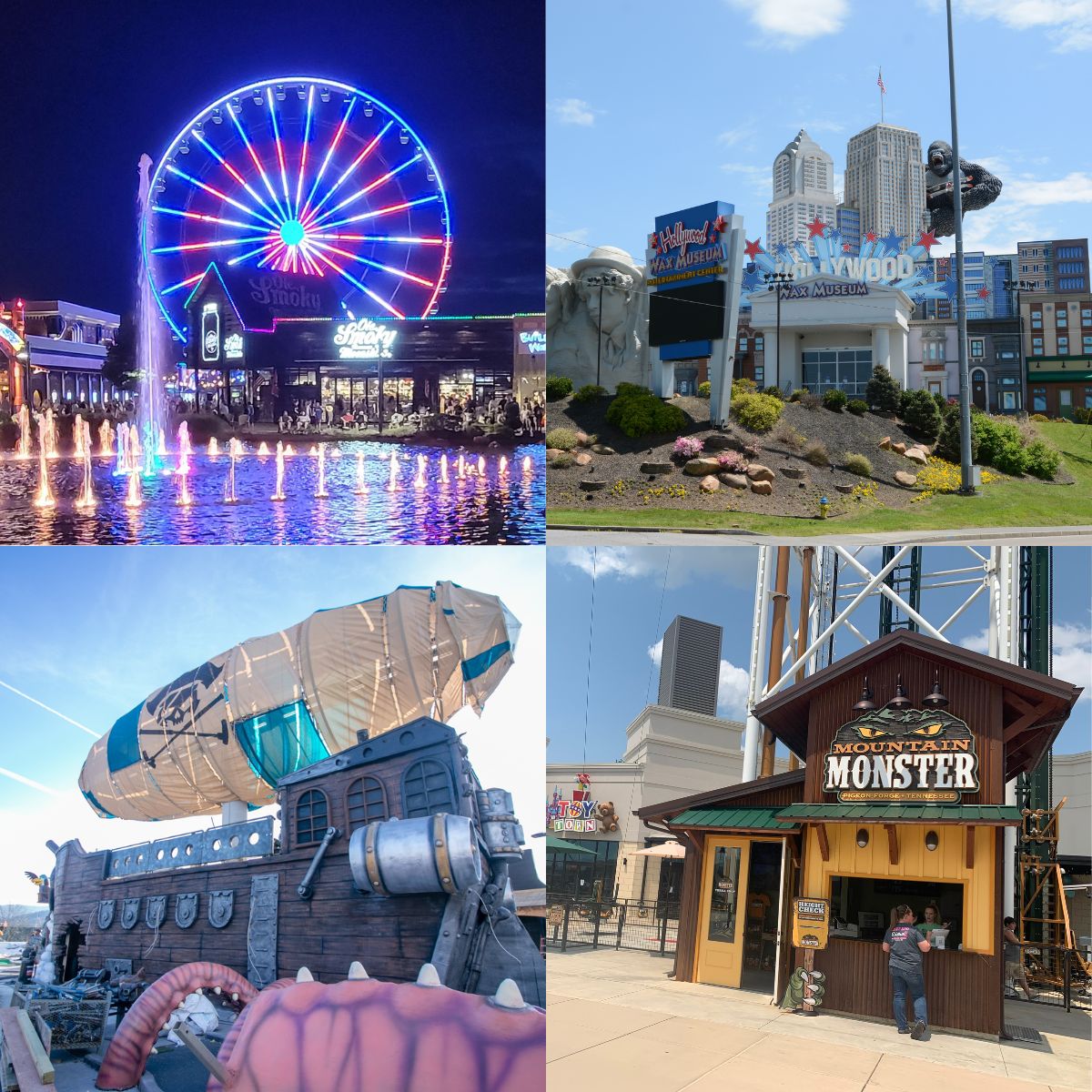
Conversely, the myriad craft shops and galleries showcase local artisans and their unique creations. Investing in these handcrafted items not only provides a distinctive souvenir but also directly supports the local economy, contributing to the livelihoods of regional artists and small business owners. While these items might not be “discounted,” their value lies in their uniqueness, craftsmanship, and the story they carry. Budgeting a specific amount for souvenirs and local crafts can help prevent overspending while ensuring you bring home meaningful mementos that embody the spirit of the region.
Optimizing Accommodation and Travel Logistics
Your choice of lodging and how you navigate the area can significantly impact the overall financial profile of your Pigeon Forge vacation. Thoughtful planning in these areas can lead to substantial savings and enhanced comfort.
Lodging Investments: Hotels vs. Cabins vs. Rentals
Pigeon Forge offers a diverse range of accommodation options, from conventional hotels and motels to expansive cabin rentals and resort complexes. Each comes with its own financial implications. Hotels typically offer convenience, daily housekeeping, and amenities like continental breakfast, which can save on initial food costs. However, they may offer less space or privacy.
Cabin rentals, particularly for families or larger groups, can offer superior value. While the nightly rate might seem higher than a standard hotel room, a cabin often includes multiple bedrooms, a full kitchen, and living areas. The ability to cook your own meals can drastically reduce dining expenses over the course of a trip, presenting a substantial return on your lodging investment. Additionally, cabins often come with amenities like hot tubs, game rooms, and stunning views, adding experiential value. Vacation rentals via platforms also present opportunities, but require careful consideration of cancellation policies, cleaning fees, and security deposits. Comparing per-person per-night costs across these options, alongside the potential for savings on food, is crucial for making the most financially advantageous choice. Seasonality plays a massive role in pricing, with peak seasons (summer, fall foliage) demanding premium rates, making off-peak travel a financially savvy alternative.
Transportation and Hidden Costs
While Pigeon Forge is navigable, understanding the costs associated with transportation is key. If driving your own vehicle, fuel costs, especially for exploring the wider Smoky Mountains region, need to be factored in. Parking fees, while not ubiquitous, can add up, particularly at popular attractions or during peak times. Some areas offer trolley services, which can be a cost-effective way to get around without incurring parking fees or excessive fuel costs, especially if your accommodation is near a trolley stop.
Beyond direct transportation costs, consider other “hidden” expenses that can erode your budget. These include things like convenience fees for online bookings, ATM fees if you rely on cash without pre-planning, or even unexpected charges for amenities not explicitly included in your lodging package. A comprehensive financial plan for your trip should allocate a contingency fund for such unforeseen expenses, ensuring they don’t derail your overall budget.
The Broader Financial Landscape: Impact and Opportunities
A visit to Pigeon Forge is not merely a personal financial undertaking; it’s an engagement with a dynamic local economy. Understanding this broader financial landscape offers a richer appreciation for your trip and can even inspire unique perspectives on personal financial planning.
The Economic Engine of Tourism in Pigeon Forge
Every dollar spent in Pigeon Forge, whether on a theme park ticket, a meal, a souvenir, or lodging, contributes directly to the local economy. This spending supports countless small businesses, generates employment for thousands of residents in the hospitality, retail, and entertainment sectors, and funds local infrastructure and services through taxes. Your financial decisions as a tourist have a tangible, positive ripple effect throughout the community. Recognizing this economic interplay can transform your spending from a simple transaction into an act of community support, enriching the overall value of your visit. This perspective also highlights the importance of financial sustainability in tourism, ensuring the destination remains vibrant for future generations of visitors and residents.
Planning for Financial Serenity: Pre-trip Budgeting and Tools
The most effective way to ensure a financially serene and enjoyable trip to Pigeon Forge is through diligent pre-trip budgeting. Start by estimating major expenses: accommodation, transportation, and a general daily allocation for food and activities. Research average costs for attractions you plan to visit. Utilize budgeting apps or simple spreadsheets to track projected and actual spending. Setting daily or category-specific spending limits can prevent overspending and provide peace of mind.
Consider establishing a dedicated “Pigeon Forge fund” and contributing to it regularly. This financial discipline ensures that your vacation is paid for in advance, minimizing debt and financial stress upon your return. Furthermore, explore financial tools like travel credit cards that offer rewards points or cash back on travel-related expenses, effectively reducing the net cost of your trip. By approaching your Pigeon Forge adventure with a robust financial plan, you transform potential monetary anxieties into an empowering exercise in smart spending and value maximization.
In conclusion, “what to do in Pigeon Forge” can be comprehensively reframed as “how to strategically invest your resources for an unforgettable and financially astute experience.” By understanding the economics of attractions, optimizing lodging and dining choices, embracing both paid and free activities, and engaging with the local economy with a conscious mind, visitors can craft a trip that delivers exceptional value, lasting memories, and financial peace of mind. Pigeon Forge offers more than just fun; it offers a masterclass in savvy vacation finance.
aViewFromTheCave is a participant in the Amazon Services LLC Associates Program, an affiliate advertising program designed to provide a means for sites to earn advertising fees by advertising and linking to Amazon.com. Amazon, the Amazon logo, AmazonSupply, and the AmazonSupply logo are trademarks of Amazon.com, Inc. or its affiliates. As an Amazon Associate we earn affiliate commissions from qualifying purchases.