
Orlando, Florida, often hailed as the “Theme Park Capital of the World,” beckons millions of visitors annually with its promise of unparalleled entertainment and enchanting experiences. For many, a trip to Orlando represents a significant financial investment, making thoughtful planning and strategic spending absolutely crucial. Beyond merely identifying the iconic attractions, a truly savvy traveler understands that where to go in Orlando is inextricably linked to how to allocate their resources most effectively, ensuring a memorable adventure without financial regret. This comprehensive guide delves into the economic facets of an Orlando vacation, offering insights into budgeting, value optimization, and smart financial decisions to help you navigate this vibrant destination like a fiscal expert.

Strategic Budgeting for Orlando’s Major Theme Parks
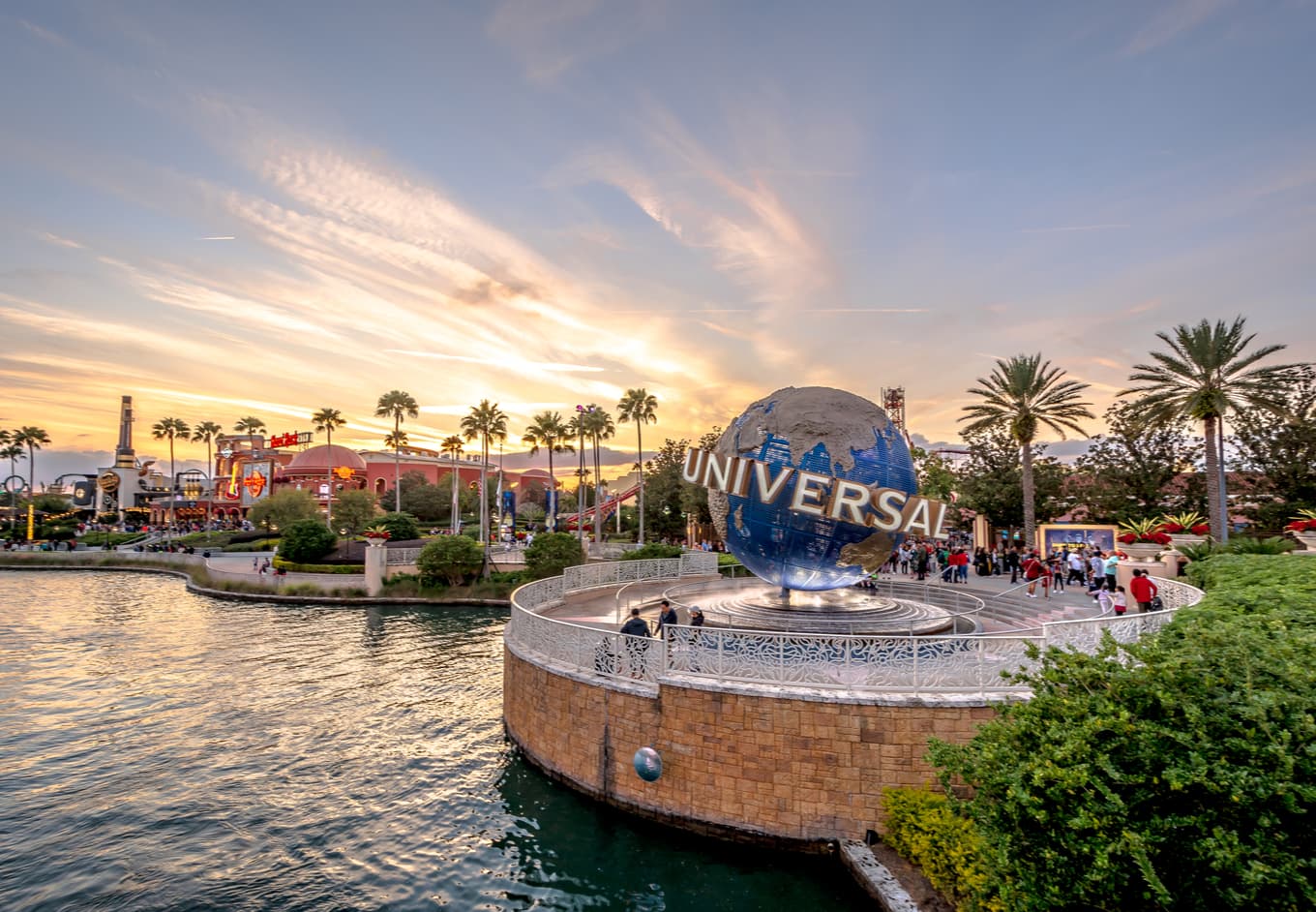
The allure of Orlando largely stems from its world-renowned theme parks: Walt Disney World Resort, Universal Orlando Resort, SeaWorld Orlando, and LEGOLAND Florida. While these parks offer incredible value in entertainment, their costs can quickly escalate without a robust financial strategy. Understanding the pricing structures and making informed choices is paramount.
Navigating Ticket Costs: Park Hopper vs. Single Park
One of the most significant financial decisions for theme park enthusiasts is ticket selection. Disney World, for instance, offers base tickets for single-park entry per day, as well as “Park Hopper” and “Park Hopper Plus” options that allow access to multiple parks. While the flexibility of park hopping is appealing, it comes at a substantial premium.
- Single-Park Strategy: For budget-conscious travelers, focusing on one park per day can yield considerable savings. This approach encourages a deeper exploration of each park, reducing the feeling of needing to rush and justifying the per-day cost more effectively. It also inherently limits additional expenses like impulse purchases or extra snacks across multiple locations.
- Weighing Park Hopper Value: If a Park Hopper is considered, evaluate its true financial benefit. Is the additional cost justified by specific must-do experiences across different parks? Often, families with younger children or first-time visitors may find a single-park focus less overwhelming and more economical. Consider multi-day ticket discounts, which offer a lower per-day cost as the number of days increases, making longer stays more budget-friendly on a daily basis.
Universal Orlando Resort similarly offers base tickets and Park-to-Park options. The latter is often essential for those wishing to experience the Hogwarts Express, which connects Universal Studios Florida and Islands of Adventure – a crucial detail for Harry Potter fans to factor into their budget. SeaWorld and LEGOLAND also have tiered pricing, often with greater discounts available for advance online purchases. Always purchase tickets directly from the park or authorized resellers to avoid scams and ensure the best price guarantee.
Accommodation Choices: On-Site vs. Off-Site Savings
Where you stay in Orlando can dramatically impact your budget, with a delicate balance between convenience and cost.
- On-Site Premium: Staying at a Disney or Universal resort offers undeniable perks: early park entry, complimentary transportation, and proximity. However, these conveniences come at a premium, often significantly higher than comparable off-site options. The added cost of dining plans at these resorts also needs careful evaluation; while they can offer structure, they don’t always translate to direct savings unless utilized strategically.
- Off-Site Value: Orlando boasts an extensive network of hotels, vacation rentals, and apartment-style accommodations just outside the park gates, often at a fraction of the cost of on-site resorts. These options frequently include amenities like kitchens, which can lead to significant savings on food costs by allowing for self-catering. When choosing off-site, factor in the cost of transportation (rental car, ride-shares, or shuttle services) against the savings on lodging. A rental car, while an added expense, provides flexibility and can be more economical for larger families than multiple ride-shares.
- Timeshare Presentations: Be wary of seemingly “free” or heavily discounted vacation offers tied to timeshare presentations. While they can offer incredible deals on lodging, the time commitment and high-pressure sales tactics can detract from your vacation experience and may lead to impulsive, costly decisions.
Food & Beverage: Economical Dining Strategies
Eating in Orlando, especially within the theme parks, can be a major budget drain. A structured approach to meals can yield substantial savings without sacrificing enjoyment.
- Pack Your Own Snacks & Drinks: Most parks allow guests to bring in small coolers with snacks, non-alcoholic beverages, and sandwiches. This simple act can save hundreds of dollars over a multi-day trip, especially on high-markup items like bottled water and soft drinks.
- Quick Service vs. Table Service: Opt for quick-service restaurants more frequently than full-service, sit-down meals. While table service offers a nice break, quick service is generally faster and more budget-friendly. Look for locations with larger portions that can be shared or offer better value for money.
- Character Dining Economics: Character dining experiences are popular but carry a hefty price tag. Evaluate if the cost aligns with the value for your family. Often, a single character meal can cost as much as a full day’s worth of quick-service meals. Alternatively, seeking out character meet-and-greets within the park for free photo opportunities can provide a similar experience without the dining expense.
- Grocery Store Runs: If staying off-site with kitchen facilities, plan a grocery run upon arrival. Stocking up on breakfast items, sandwich supplies, and snacks will drastically reduce your daily food expenditure. Many delivery services also operate in Orlando, allowing you to have groceries brought directly to your accommodation.
Merchandise & Souvenirs: Mindful Spending
Theme park gift shops are designed to tempt, but unchecked souvenir purchases can quickly inflate your vacation budget.
- Set a Souvenir Budget: Before entering the parks, allocate a specific amount for souvenirs and stick to it. This prevents impulse buying.
- Prioritize Meaningful Items: Encourage family members to choose one or two truly meaningful souvenirs rather than multiple small, easily forgotten items.
- Explore Off-Park Shopping: Discount stores and outlets outside the parks (like Orlando Premium Outlets) often carry branded merchandise at reduced prices. While not always identical to park-exclusive items, they can offer good value for general Disney or Universal themed goods.
- Experiences Over Things: Consider investing in experiences (like a special show or a unique photo package) rather than purely material goods, as these often create longer-lasting memories.
Unlocking Value Beyond the Major Attractions
While theme parks are Orlando’s primary draw, the city offers a wealth of other attractions and activities, many of which provide excellent value and unique experiences, often at a lower financial outlay. Diversifying your itinerary can enrich your trip and optimize your budget.
Exploring Affordable Family Fun
Beyond the “big two” theme parks, Orlando and its surrounding areas host numerous attractions that offer significant entertainment for a more modest price tag.
- Kennedy Space Center Visitor Complex: A short drive from Orlando, KSC offers an awe-inspiring educational experience. While not inexpensive, the per-person cost often feels like better value given the sheer volume of exhibits, IMAX films, and opportunities to see real rockets. It’s a full-day experience that can be more enriching and less repetitive for some than multiple days at a single theme park.
- Gatorland: Known as the “Alligator Capital of the World,” Gatorland provides a unique Florida experience with gators, crocodiles, and thrilling shows at a fraction of the cost of major theme parks. It’s an excellent option for a half-day or full-day activity that offers a different kind of excitement.
- ICON Park: Located on International Drive, ICON Park is home to the Orlando Eye Ferris wheel, Madame Tussauds, and the SEA LIFE Orlando Aquarium. While each attraction has its own admission fee, combo tickets often provide better value. The area itself offers a lively atmosphere with restaurants and shops, and simply walking around is free, providing entertainment without a ticket purchase.
- Other Attractions: Consider places like WonderWorks, Fun Spot America (which has free admission and pay-per-ride options), or Ripley’s Believe It or Not! for varied entertainment that often carries a lower entry fee than the major parks. These can be excellent fillers for a partial day or an alternative for those looking to save.
Free & Low-Cost Activities: Parks, Springs, and Local Gems
Orlando isn’t just about tickets and turnstiles. The region offers beautiful natural attractions and public spaces that are completely free or very low cost, providing a refreshing break for both your wallet and your senses.
- State Parks and Springs: Florida’s natural springs are a treasure. Places like Wekiwa Springs State Park (a short drive from Orlando) offer swimming, kayaking, and hiking for a small entry fee per car. These provide a stark contrast to the manufactured fun of the theme parks and a chance to experience Florida’s natural beauty. Other options include Kelly Park (Rock Springs) and Blue Spring State Park (known for manatees in winter).
- Lake Eola Park: Located in downtown Orlando, Lake Eola offers stunning skyline views, swan paddle boats (a small rental fee), a walking path, and frequent free events like farmers’ markets and concerts. It’s a perfect spot for a leisurely morning or afternoon without spending a dime on admission.
- Winter Park’s Park Avenue: While shopping can be costly, simply strolling down Park Avenue in Winter Park provides a charming, upscale experience with beautiful storefronts, art galleries, and meticulously maintained parks. The Rollins College campus nearby is also picturesque and open to the public for a walk.
- Beach Day Trip: The Atlantic beaches (Cocoa Beach, Daytona Beach) are only about an hour’s drive from Orlando. A day trip to the coast offers free entertainment (beyond gas and parking) and a different kind of relaxation. Pack a picnic to maximize savings.

Transportation Costs: Rental Cars, Ride-Shares, and Public Transit
Getting around Orlando can be a significant hidden cost. Planning your transportation budget meticulously is essential.
- Rental Car Evaluation: A rental car offers maximum flexibility, especially if staying off-site or planning trips to non-theme park attractions. However, factor in the daily rental fee, insurance, gas, and especially parking fees at theme parks (which can be $25-$30+ per day). For larger groups, a rental car can still be more economical than multiple ride-shares.
- Ride-Share Services (Uber/Lyft): Convenient and readily available, ride-shares can be a good option for couples or smaller families, particularly if you plan to visit only one park per day and don’t want the hassle of parking. However, surge pricing during peak hours (park opening/closing) can significantly inflate costs. Factor this into your daily budget.
- Hotel Shuttles: Many off-site hotels offer complimentary shuttle services to major parks. While convenient, these often run on a limited schedule, which can impact your flexibility and force early departures or late returns. Verify schedules and reliability before relying solely on them.
- Public Transit (LYNX/I-RIDE Trolley): Orlando has a public bus system (LYNX) and the I-RIDE Trolley on International Drive. While very inexpensive, these options are often slow, require transfers, and may not reach all attractions directly, making them less practical for time-sensitive itineraries or families with young children. They can be viable for extremely budget-tight solo travelers or those with ample time.
Smart Financial Tools & Tactics for Your Trip
Optimizing your Orlando budget extends beyond just knowing where to go; it also involves leveraging financial tools and understanding pricing dynamics.
Credit Card Rewards & Travel Hacking
For those with good credit, strategic use of credit cards can significantly reduce travel costs.
- Travel Rewards Cards: Accumulating points or miles through travel-focused credit cards can offset flights or hotel stays, offering substantial savings. Look for cards with sign-up bonuses and categories that align with your spending habits.
- Cash Back Cards: General cash-back cards can provide a percentage back on all purchases, effectively giving you a discount on your entire trip.
- No Foreign Transaction Fees: If purchasing tickets or making reservations from outside the US, ensure your credit card doesn’t charge foreign transaction fees, which can add unnecessary costs.
- Budget Tracking Apps: Utilize budgeting apps (e.g., Mint, YNAB, specific travel budgeting apps) to track your spending in real-time. This helps you stay accountable to your budget and identify areas where you might be overspending before it’s too late.
Pre-Trip Saving Strategies and Budget Apps
The foundation of a financially sound Orlando trip is meticulous pre-planning and saving.
- Dedicated Savings Account: Set up a separate savings account specifically for your Orlando trip. Automate transfers from your checking account to steadily build your travel fund.
- Set Realistic Goals: Research average costs for your desired itinerary (tickets, accommodation, food, travel, spending money) and set a realistic savings goal. Break it down into weekly or monthly targets.
- Review Subscription Services: Before your trip, audit your recurring expenses. Can you temporarily pause streaming services or gym memberships to divert funds to your travel budget?
- Side Hustles: Consider temporary side hustles (e.g., freelancing, ride-share driving, selling unused items) to accelerate your savings. Even small amounts accumulated can make a difference.
Understanding Dynamic Pricing and Peak Season Costs
Orlando’s pricing structure is highly dynamic, heavily influenced by demand, seasonality, and special events.
- Travel Off-Peak: The absolute best way to save money on an Orlando trip is to travel during off-peak seasons. Late January/early February, late August/September (excluding Labor Day), and the weeks between Thanksgiving and Christmas (excluding holiday weeks) typically offer lower prices for flights, hotels, and sometimes even park tickets. Crowds are also lighter, enhancing the overall experience.
- Avoid School Holidays: Major school holidays (Spring Break, Summer, Christmas, New Year’s) are the most expensive times to visit. If your schedule allows, avoid these periods entirely.
- Advance Booking: For popular dining reservations or specific experiences, booking well in advance (e.g., 60-180 days out for Disney) can secure your spot and sometimes lock in prices before potential increases. Flights and rental cars are almost always cheaper when booked months in advance.
- Flexibility: If your travel dates are flexible, use tools like Google Flights’ “explore” feature or hotel comparison sites that show prices across a calendar to identify the cheapest days to fly and stay.
The Economic Impact of Your Orlando Visit
Beyond your personal budget, understanding the broader economic context of your Orlando trip can add another layer of insight to your experience. Your spending contributes significantly to the local economy, but it also means being aware of local financial structures.
Supporting Local Businesses and the Orlando Economy
Every dollar spent in Orlando, whether on theme park tickets or a meal at a local restaurant, contributes to the city’s robust tourism-driven economy.
- Direct Spending: Your expenditure directly supports jobs in hospitality, retail, transportation, and entertainment. Opting for locally owned restaurants or shops, where possible, channels more money directly into the community.
- Indirect Impact: Tourism dollars also have a ripple effect, supporting a wide array of businesses that supply the tourism industry, from laundries and food suppliers to construction companies. Recognizing this can influence choices, such as whether to splurge on a local delicacy or attend a smaller, independent attraction.
Understanding Tourist Taxes and Fees
Florida, like many tourist destinations, levies specific taxes and fees that can add to your overall cost.
- Sales Tax: Florida’s state sales tax is 6%, with local counties potentially adding more. In Orange County (where most of Orlando’s major attractions are), the sales tax is 6.5%. This applies to most purchases, including merchandise, meals, and non-prepared food items.
- Tourist Development Tax (TDT): Also known as the “bed tax” or “resort tax,” the TDT is an additional tax levied on short-term rentals (hotels, vacation homes). In Orange County, this is 6% on top of the state sales tax, bringing the total tax on accommodation to 12.5%. Always factor this into your accommodation budget, as it can add hundreds of dollars to a week-long stay.
- Resort Fees: Many hotels, even off-site ones, charge a daily “resort fee” that covers amenities like Wi-Fi, fitness center access, or shuttle services. These are often not included in the advertised room rate and can significantly increase your per-night cost. Always check for resort fees before booking.
Balancing Splurge and Save for a Fulfilling Experience
The ultimate financial goal for an Orlando trip is not necessarily to spend the least amount of money, but to spend it wisely to maximize value and enjoyment.
- Prioritize Experiences: Identify your “must-do” splurges – whether it’s a specific character meal, a premium tour, or a special souvenir. Allocate funds for these priorities and then look for savings in other areas.
- Value Assessment: Continuously assess the value you are receiving for your money. Is that expensive snack truly worth it, or would a packed alternative satisfy you just as much? Is the extra cost of a Park Hopper ticket genuinely enhancing your experience, or is it creating pressure to rush between parks?
- Flexibility within the Budget: Build a small buffer into your budget for unexpected expenses or spontaneous opportunities. This prevents financial stress if something slightly outside your plan arises.
In conclusion, a trip to Orlando is an investment in memories and experiences. By approaching your travel planning with a keen financial eye, strategically choosing where to go and how to spend, you can unlock the full magic of this extraordinary destination without compromising your financial well-being. From navigating the complexities of theme park pricing to discovering hidden local gems, a savvy traveler transforms potential financial pitfalls into opportunities for smarter, more enriching adventures.
aViewFromTheCave is a participant in the Amazon Services LLC Associates Program, an affiliate advertising program designed to provide a means for sites to earn advertising fees by advertising and linking to Amazon.com. Amazon, the Amazon logo, AmazonSupply, and the AmazonSupply logo are trademarks of Amazon.com, Inc. or its affiliates. As an Amazon Associate we earn affiliate commissions from qualifying purchases.