
Orlando, Florida, is far more than just a geographical location; it is a meticulously crafted global brand, an epicenter of entertainment and leisure built upon an intricate tapestry of individual brand identities. The question “what to visit in Orlando, Florida” isn’t merely about listing attractions; it’s an invitation to explore the masterful strategies behind some of the world’s most successful experiential brands. This article delves into how Orlando’s iconic destinations, from colossal theme parks to sophisticated culinary experiences, leverage brand strategy, corporate identity, and immersive marketing to capture the hearts and wallets of millions, defining the very essence of a memorable visit.
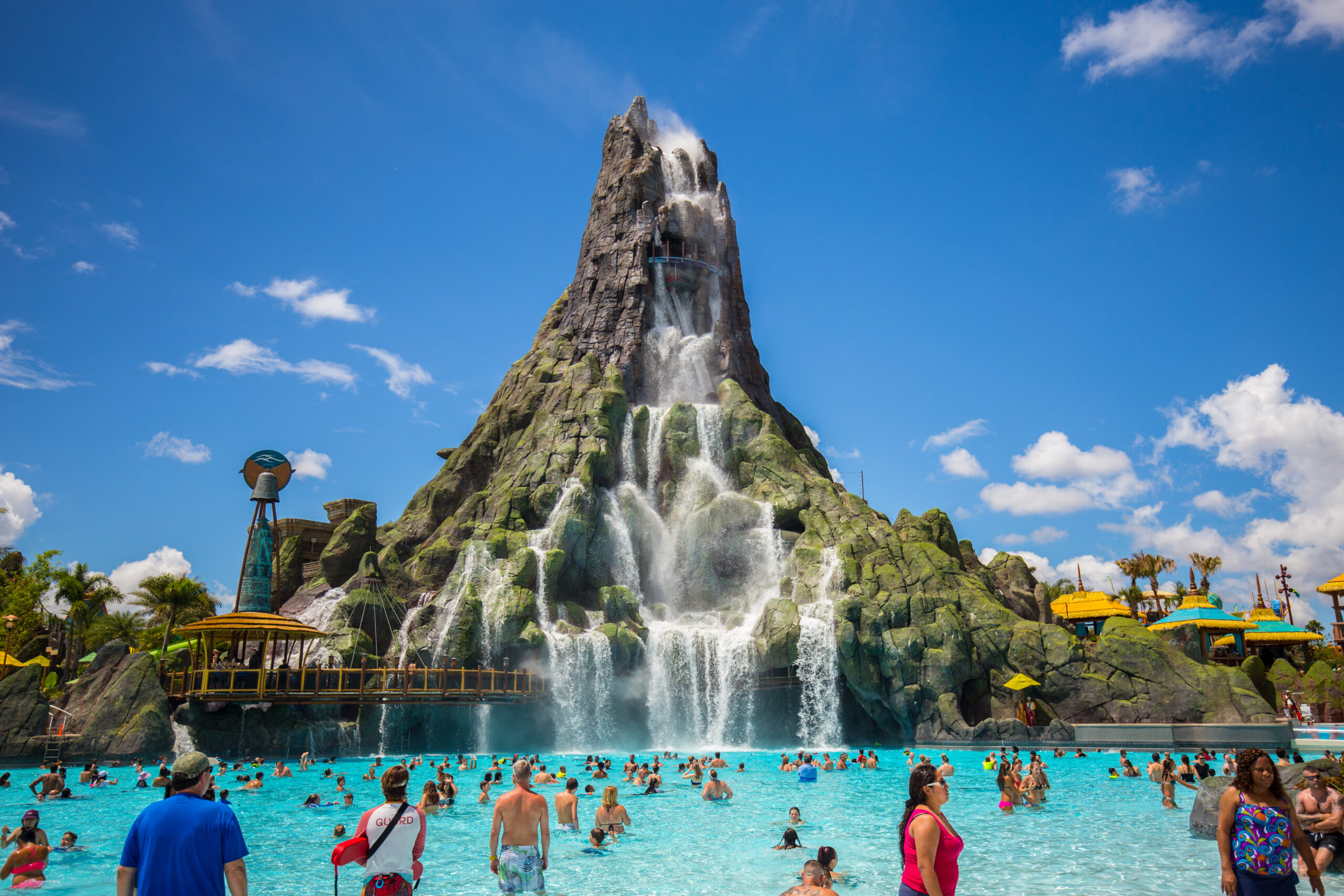
The Titans of Themed Entertainment: Crafting Immersive Brand Worlds
At the heart of Orlando’s allure lie its world-renowned theme parks, each a universe unto itself, painstakingly designed to embody and project distinct brand identities. These are not merely amusement parks; they are sprawling narratives, meticulously curated environments that exemplify the power of experiential branding.
Walt Disney World: The Enduring Magic of Narrative Branding
Walt Disney World Resort stands as a monumental case study in consistent and emotionally resonant brand building. Its identity is steeped in storytelling, nostalgia, and an unwavering commitment to “magic.” Each of its four major theme parks, along with its water parks and numerous resorts, serves to amplify specific facets of the overarching Disney brand, ensuring a cohesive yet diverse visitor experience.
- Magic Kingdom’s Fantasy: The quintessential Disney brand experience, Magic Kingdom is a masterclass in narrative continuity. From Cinderella Castle’s iconic silhouette to the precise theming of its lands (Adventureland, Fantasyland, Tomorrowland), every element reinforces the brand pillars of wonder, heroism, and timeless tales. Disney’s use of classic characters, parades, and fireworks culminates in an emotional connection that transcends entertainment, fostering deep brand loyalty passed down through generations. The strategy here is about selling a dream, a promise of escape into a perfectly imagined world.
- Epcot’s Innovation and Cultural Exchange: Epcot represents a different dimension of the Disney brand: one focused on innovation, discovery, and global community. Its Future World showcases technological advancement and human potential, while the World Showcase acts as a living exhibition of international cultures. Epcot’s branding successfully combines education with entertainment, appealing to visitors seeking intellectual engagement alongside leisure. It’s a sophisticated play on the brand’s ability to inspire and inform, broadening its appeal beyond pure fantasy.
- Hollywood Studios’ Cinematic Immersion: This park is a testament to Disney’s acquisition strategy and its ability to integrate powerful intellectual properties into its brand ecosystem. With Star Wars: Galaxy’s Edge and Toy Story Land, Hollywood Studios immerses guests directly into beloved film franchises. The brand strategy here is about leveraging established emotional connections to existing media, delivering unparalleled levels of detail and authenticity that make visitors feel part of the story, thus deepening their engagement with the Disney brand and its extended universe.
- Animal Kingdom’s Conservation and Adventure: Animal Kingdom showcases Disney’s commitment to nature, conservation, and exotic adventure. Its brand identity is rooted in environmental stewardship and the awe-inspiring beauty of the natural world. From Kilimanjaro Safaris to Pandora – The World of Avatar, the park seamlessly blends education with thrilling attractions, projecting a brand image that is both responsible and adventurous, demonstrating the breadth of Disney’s thematic reach.
Universal Orlando Resort: Innovation and IP-Driven Brand Expansion
Universal Orlando Resort presents a compelling counterpoint and complement to Disney, carving its own distinct brand identity through a focus on cutting-edge technology, thrilling rides, and an aggressive strategy of leveraging popular intellectual properties (IPs). Universal’s brand promises high-octane excitement and immersive cinematic experiences.
- Universal Studios Florida & Islands of Adventure: The Power of IP Integration: Universal’s brilliance lies in its ability to transform blockbuster movies and literature into breathtaking physical realities. The Wizarding World of Harry Potter, split across both parks and connected by the Hogwarts Express, is arguably the pinnacle of IP integration, setting a new standard for themed entertainment. This strategy allows Universal to tap into massive pre-existing fanbases, delivering experiences that are authentic extensions of beloved stories. The brand messaging is clear: come live your favorite movies.
- Innovation and Thrill as Brand Pillars: Beyond IP, Universal consistently pushes boundaries with ride technology and immersive environments. Their brand identity is synonymous with high-tech thrills, intense experiences, and a more adult-oriented, cutting-edge vibe compared to Disney’s traditional family-friendly approach. This differentiation is a deliberate brand strategy to capture a different demographic while still appealing to families seeking a different kind of adventure.
Beyond the Big Two: Diversifying Orlando’s Brand Portfolio
While Disney and Universal dominate the skyline and mindshare, Orlando’s brand ecosystem is rich with diverse attractions that cater to varied interests, each contributing to the city’s overall identity as a comprehensive leisure destination.
SeaWorld Orlando: Rebranding Conservation and Aquatic Thrills
SeaWorld Orlando has navigated a complex brand journey, evolving its identity to balance entertainment with a strong commitment to animal rescue, rehabilitation, and conservation. Its brand strategy now emphasizes education, advocacy, and direct engagement with marine life, alongside its signature thrill rides and shows.
- Balancing Entertainment and Education: SeaWorld’s brand messaging seeks to blend the excitement of its aquariums and roller coasters with its mission to protect marine animals. This dual focus aims to position the park as both an exhilarating destination and a responsible organization dedicated to wildlife. This rebranding effort showcases the challenges and opportunities in evolving a corporate identity to meet changing public perceptions and values.
- Themed Experiences with a Purpose: Attractions like its Orca Encounter and various animal habitats are designed not just for viewing but for learning, reinforcing the brand’s commitment to conservation. This shift demonstrates a strategic pivot to align its entertainment offerings with a deeper, more meaningful purpose, appealing to a socially conscious visitor.
ICON Park & Entertainment Districts: Curating Lifestyle Brand Experiences
Beyond the traditional theme parks, Orlando’s various entertainment districts and standalone attractions, such as ICON Park, contribute to a broader brand narrative of diverse leisure and lifestyle options. These areas often aggregate multiple smaller brands under a single destination umbrella.
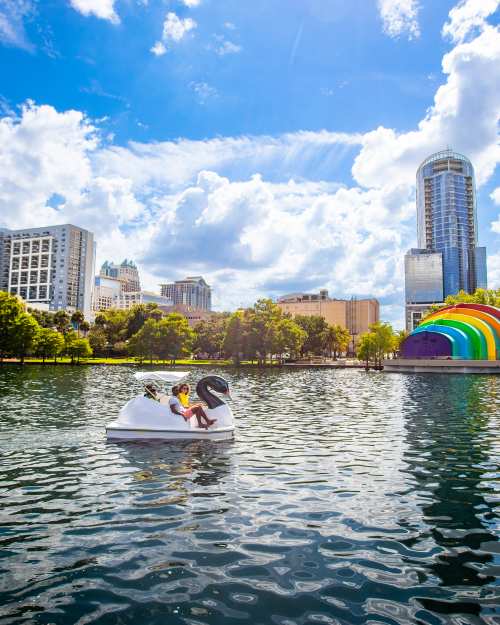
- ICON Park: A Collective Brand Experience: ICON Park represents a contemporary approach to destination branding. It doesn’t rely on a single narrative but rather curates a collection of distinct attractions (The Wheel, Madame Tussauds, SEA LIFE Orlando Aquarium) alongside a vibrant selection of restaurants and shops. The brand identity here is about choice, convenience, and a relaxed, urban entertainment vibe. It markets itself as a place where visitors can create their own experience, a contrast to the highly curated narratives of the major theme parks.
- District Branding and Synergy: Areas like Universal CityWalk and Disney Springs are masterclasses in creating distinct entertainment and dining brands that complement their adjacent theme parks. They offer a brand extension, providing leisure options that don’t require park admission, enhancing the overall resort experience and encouraging longer stays and increased spending. Their branding focuses on dining, shopping, and nightlife, expanding Orlando’s appeal beyond daytime park visits.
The Culinary & Retail Brandscape: Enhancing the Visitor Experience
Orlando’s brand identity extends significantly into its vibrant culinary and retail scenes. These elements are not mere amenities; they are integral components of the visitor experience, often designed to reinforce and extend the narratives established by the major attractions or to establish their own compelling brand presence.
From Themed Dining to Celebrity Chefs: Gastronomy as Brand Extension
Food and beverage play a critical role in enhancing the immersive qualities of Orlando’s destinations, often serving as direct extensions of brand narratives.
- Immersive Themed Dining: Within the theme parks, dining experiences are meticulously themed to align with the surrounding environments. For instance, dining at Star Wars: Galaxy’s Edge at Disney’s Hollywood Studios or The Leaky Cauldron at The Wizarding World of Harry Potter in Universal Studios Florida transcends mere sustenance; it’s an extension of the storytelling. These venues are branded to be authentic to their fictional universes, offering unique menus and atmospheres that contribute significantly to the overall brand experience.
- High-End and Celebrity Chef Brands: Beyond the parks, Orlando’s growing reputation as a culinary destination is fueled by a diverse range of standalone restaurants, including establishments by celebrity chefs. These restaurants cultivate their own distinct brands through innovative menus, exquisite decor, and exceptional service, attracting a sophisticated clientele and diversifying Orlando’s overall destination brand beyond family-centric themes. They help elevate the city’s image as a complete vacation spot, capable of delivering luxury experiences.
Retail as Souvenir Storytelling: Merchandising Brand Loyalty
Retail in Orlando is far more than just selling goods; it’s about reinforcing memories, extending brand engagement, and fostering loyalty through tangible connections.
- Merchandise as Brand Ambassadors: Souvenirs are physical manifestations of the brand experience. From Disney plush toys to Universal wands, merchandise allows visitors to take a piece of the magic home, serving as a constant reminder of their visit and strengthening their emotional connection to the brand. The design and presentation of these retail spaces are themselves branded, creating an immersive shopping experience that feels like an extension of the attractions.
- Retail as Themed Environment: Stores are often themed to the same exacting standards as the attractions themselves. For example, the shops within The Wizarding World of Harry Potter are designed to replicate locations from the books and films, making the act of shopping an attraction in itself and deepening the immersive brand environment. This demonstrates a sophisticated understanding of how every touchpoint contributes to the overall brand perception.
Orlando as a Destination Brand: A City Defined by Experience
Ultimately, “what to visit in Orlando” coalesces into the larger question of how Orlando, as a city, brands itself globally. The individual strengths of its many attractions contribute to a powerful, unified identity as the world’s premier destination for entertainment, leisure, and unforgettable experiences.
Marketing Orlando: A Unified Brand Identity for Tourism
Orlando’s tourism bodies, in conjunction with its major players, engage in sophisticated marketing strategies to project a unified destination brand. This involves consistent messaging, visual identity, and strategic partnerships.
- The “Theme Park Capital of the World”: This tagline is a powerful brand statement that immediately communicates Orlando’s primary offering. It’s a succinct and effective way to position the city in the global tourism market, creating clear expectations and associations.
- Beyond Theme Parks: Diversifying the Brand Message: While theme parks are central, efforts are increasingly made to broaden Orlando’s appeal by highlighting its natural beauty, burgeoning culinary scene, luxury shopping, and convention facilities. This diversification aims to mature the city’s brand, attracting a wider range of visitors and encouraging longer stays. The overall brand strategy is to be a multi-faceted destination, not just a one-trick pony.
The Digital Brand Presence: Engaging Visitors Before, During, and After
In the modern era, a destination’s digital brand presence is as crucial as its physical attractions. Orlando’s major brands excel in leveraging digital tools to enhance the visitor journey.
- Seamless Digital Integration: From mobile apps for park navigation and wait times (e.g., My Disney Experience, Universal Orlando Resort App) to robust social media campaigns, Orlando’s brands create seamless digital experiences. These tools extend the brand’s reach, offering practical utility while maintaining brand aesthetic and messaging.
- Influencer Marketing and User-Generated Content: Orlando’s brands heavily utilize influencer marketing and encourage user-generated content, allowing visitors to become brand advocates. Sharing experiences on platforms like Instagram and TikTok acts as authentic testimonials, amplifying the brand’s reach and building aspirational appeal. This is a powerful form of word-of-mouth marketing, leveraging the audience’s emotional connection to the brand.
Orlando’s success is a monumental testament to the power of robust brand strategy. Every “visit” is a meticulously orchestrated encounter with a brand, whether it’s the magical storytelling of Disney, the thrilling narratives of Universal, the conservation message of SeaWorld, or the curated leisure of ICON Park. By understanding the intricate interplay of corporate identity, marketing, and experiential design, we gain profound insights into why Orlando remains a perpetually sought-after global destination, defining what it means to truly visit, and connect with, a brand.
aViewFromTheCave is a participant in the Amazon Services LLC Associates Program, an affiliate advertising program designed to provide a means for sites to earn advertising fees by advertising and linking to Amazon.com. Amazon, the Amazon logo, AmazonSupply, and the AmazonSupply logo are trademarks of Amazon.com, Inc. or its affiliates. As an Amazon Associate we earn affiliate commissions from qualifying purchases.