
In today’s dynamic economy, more individuals than ever are embracing the flexibility and autonomy of independent contracting, freelancing, and gig work. Whether you’re a seasoned consultant, a digital nomad, a ride-share driver, or a creative artist, understanding the financial landscape of self-employment is paramount. A crucial piece of this puzzle is the Form 1099, a document that signals your non-employee income to both you and the IRS. Far from a mere formality, receiving (or expecting to receive) a 1099 is a foundational element of managing your business finances and fulfilling your tax obligations.
The question, “How can I get a 1099?” isn’t just about the physical receipt of a form; it encapsulates a broader understanding of independent contractor relationships, income reporting, and proactive financial management. This comprehensive guide will demystify the 1099 process, empowering you to navigate your self-employment income with confidence and precision.
Understanding the 1099 Ecosystem: What It Is and Why It Matters
The Form 1099 series serves as the IRS’s method for tracking various types of income received outside of traditional employment wages (which are reported on a W-2). For independent contractors, freelancers, and small business owners, the 1099 is your official record of payments received from clients or platforms. It’s a vital document for accurate tax filing and helps the IRS ensure that non-employee compensation is appropriately reported.
The Core Purpose of Form 1099
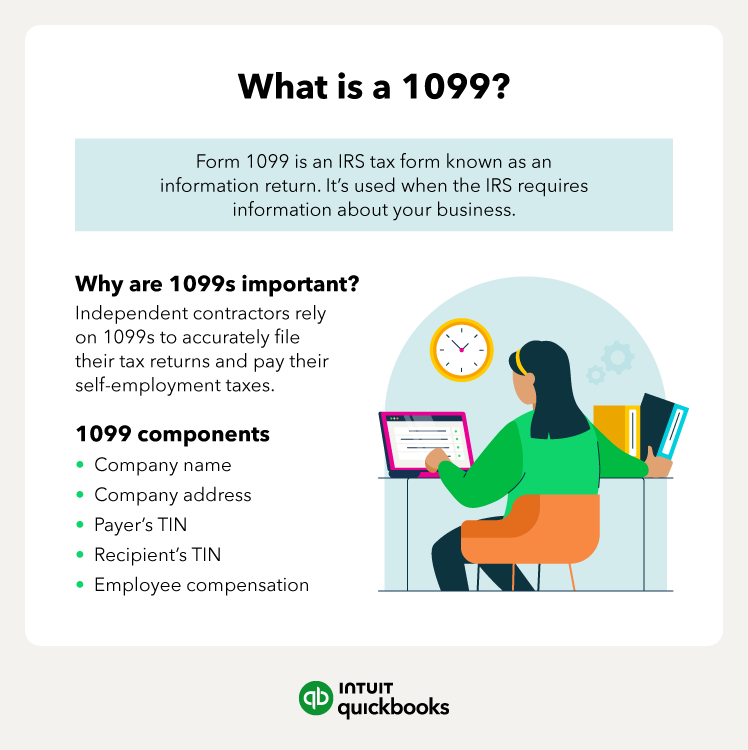
At its heart, a 1099 is an information return. It’s not an invoice, nor is it a bill. Instead, it informs the IRS about payments you’ve received that aren’t subject to standard payroll deductions like federal income tax withholding, Social Security, and Medicare taxes. For the recipient, it acts as a consolidated statement of your gross earnings from a specific payer over the calendar year, making it easier to prepare your tax return. For the payer, it serves as proof that they accurately reported payments made to independent contractors, demonstrating their compliance with IRS regulations. Without these forms, tracking non-employee income would be significantly more challenging for both taxpayers and the government.
Key Types of 1099 Forms for Independent Workers
While there are many variations of Form 1099 (e.g., 1099-DIV for dividends, 1099-INT for interest, 1099-R for retirement distributions), independent contractors and freelancers primarily encounter two forms:
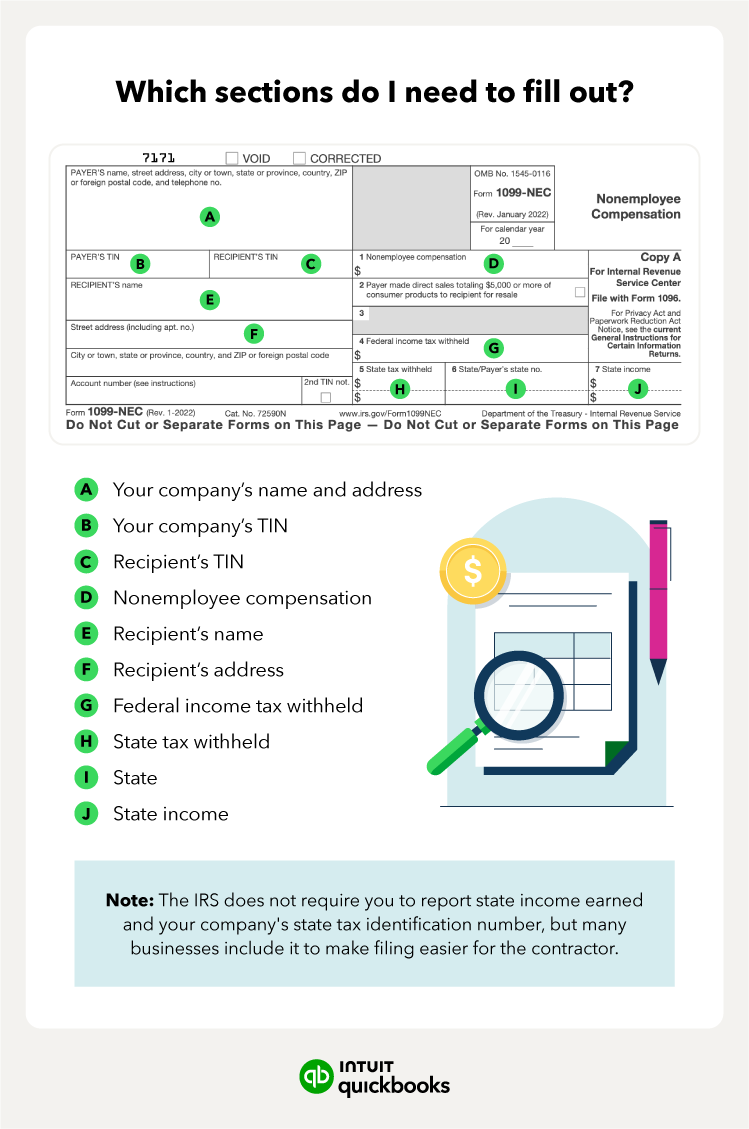
- Form 1099-NEC (Nonemployee Compensation): This is the most common and important 1099 form for independent contractors. If you’re paid $600 or more by a single client or company for services rendered in a trade or business during a calendar year, they are generally required to send you a 1099-NEC. This includes payments for services performed by someone who is not an employee, prizes and awards for non-employees, and certain legal fees. Since its reintroduction in 2020, the 1099-NEC has streamlined reporting specifically for nonemployee compensation, separating it from other types of income previously lumped into the 1099-MISC.
- Form 1099-K (Payment Card and Third-Party Network Transactions): If you process payments through third-party payment networks (like PayPal, Stripe, Square, Uber, Airbnb, Etsy, etc.) and meet certain thresholds, you might receive a 1099-K. For tax year 2023, the threshold for issuing a 1099-K was if the gross payments exceed $20,000 AND the total number of transactions exceeds 200. For tax year 2024, the IRS has announced a transition year where the threshold will be $5,000, eventually intended to settle at $600 for subsequent years. It’s crucial to understand that a 1099-K reports gross transactions, meaning it doesn’t account for refunds, fees, or personal transactions, so your actual taxable income might be lower.
While less common for service-based independent contractors, you might also encounter a Form 1099-MISC (Miscellaneous Information) for rent payments, royalties, or other specific types of income not covered by 1099-NEC or 1099-K. It’s important to familiarize yourself with the distinctions to ensure accurate reporting.
Who Issues a 1099 and When?
Any individual, partnership, or corporation that pays an independent contractor $600 or more for services in a calendar year, as part of their trade or business, is legally obligated to issue a 1099-NEC. This applies to both large corporations and small businesses. Similarly, third-party payment processors issue 1099-K forms if the transaction volume meets the IRS thresholds.
Payers are required to mail or electronically deliver your 1099 forms by January 31st of the year following the tax year in which the income was earned. For example, for income earned in 2023, you should expect to receive your 1099s by January 31, 2024. This deadline is critical for both parties, as it ensures taxpayers have ample time to prepare their returns before the April 15th deadline.
Your Role in Ensuring You Receive a 1099
While the onus of issuing a 1099 lies with the payer, independent contractors have significant responsibilities in facilitating the process and maintaining accurate records. Proactive engagement can prevent headaches during tax season and ensure you receive the necessary documentation.
The Importance of Form W-9
The cornerstone of the 1099 process from your perspective is the Form W-9, Request for Taxpayer Identification Number and Certification. When you begin working with a new client as an independent contractor, they will almost certainly ask you to complete a W-9. This form provides your client with your legal name, business name (if applicable), address, and Taxpayer Identification Number (TIN), which is typically your Social Security Number (SSN) or Employer Identification Number (EIN).
By providing an accurate and up-to-date W-9, you are giving your clients the essential information they need to correctly generate and send you a 1099-NEC at year-end. Without a W-9, a client might be unable or unwilling to issue a 1099, or worse, they might be compelled to withhold 24% of your payments through “backup withholding” if you fail to provide a TIN or provide an incorrect one. Always complete a W-9 promptly and accurately for every client from whom you expect to earn $600 or more.
Maintaining Accurate Records of Your Income
Even with W-9s and clients who diligently send out 1099s, maintaining your own meticulous records is non-negotiable. This isn’t just a best practice; it’s a fundamental aspect of financial self-management for independent contractors.
- Invoice Tracking: Keep copies of all invoices you issue. These should clearly state the services provided, the payment amount, and the date.
- Payment Logs: Track payments received, noting the date, amount, and client. This can be done via spreadsheets, accounting software, or even a simple ledger. Reconcile these logs regularly with your bank statements.
- Contractual Agreements: Retain copies of all contracts or service agreements with clients. These documents often outline payment terms and reporting expectations.
- Digital Records: Leverage accounting software (e.g., QuickBooks Self-Employed, FreshBooks, Wave) or even dedicated spreadsheets to automate tracking and provide real-time insights into your income.
Having comprehensive records serves multiple purposes: it allows you to cross-reference with any 1099 forms you receive, provides a fallback if a 1099 is missing or incorrect, and is crucial for calculating your gross income and eligible deductions come tax time.
Income Thresholds and Reporting Requirements
It’s essential to understand that even if you don’t receive a 1099 form for income you’ve earned, you are still legally obligated to report all income to the IRS. The $600 threshold for issuing a 1099-NEC is a reporting requirement for the payer, not a minimum threshold for you to report income. If you earned $500 from a client, they aren’t required to send you a 1099-NEC, but that $500 is still taxable income that you must report on your Schedule C (Form 1040), Profit or Loss from Business.
Similarly, income from casual side gigs, small online sales, or cash payments, even if below a 1099 threshold, must be accounted for. The IRS expects taxpayers to report all income from whatever source derived, unless it is specifically exempt by law. Understanding this distinction is critical to avoiding underreporting penalties.

What to Do If You Haven’t Received a 1099 (But Expected To)
January 31st comes and goes, and you realize you’re missing a 1099 from a client who paid you more than $600. Don’t panic, but do take action. Proactive steps can resolve the issue swiftly and ensure your tax filing isn’t delayed.
Proactive Steps: Reaching Out to Payers
Your first course of action should be to directly contact the client or company that should have issued the 1099.
- Check Your Mail and Email: Sometimes 1099s are sent to an old address or get caught in spam filters. Verify the address they have on file for you. Many companies also offer electronic delivery through secure portals.
- Contact Their Accounts Payable Department: Reach out to the client’s accounting or finance department. Clearly state that you are an independent contractor who performed services for them, received payments exceeding the IRS threshold, and are expecting a 1099-NEC. Provide them with your business name, address, and TIN to help them locate your records.
- Reference Your Records: Use your own income records (invoices, payment logs) to provide specific dates and amounts of payments received. This can significantly expedite their search.
- Follow Up: If you don’t receive a response within a reasonable timeframe (e.g., 1-2 weeks), follow up politely but persistently. Keep a record of your communication attempts.
Most often, a missing 1099 is due to an administrative oversight, an incorrect address, or a simple delay. A polite inquiry is usually all it takes to resolve the issue.
Understanding Payer Deadlines
Remember, payers are generally required to furnish 1099s by January 31st. While you should start reaching out after this date if a form is missing, be aware that it might take a few extra days for mail to arrive or for an electronic statement to become available. If you’ve contacted the payer and they assure you it’s been sent or will be sent shortly, mark your calendar for a follow-up if it doesn’t arrive within a couple of weeks.
If, after multiple attempts, you cannot get the payer to provide the form, or if they dispute your claim of having paid you, you may need to involve the IRS. You can contact the IRS directly by calling their toll-free number or by filing Form 3949-A, Information Referral, to report the non-compliance. However, this should generally be a last resort after exhausting communication with the payer.
Reporting Income Without a 1099
Crucially, the absence of a 1099 does not relieve you of your obligation to report your income. If you performed services for a client and were paid, that income is taxable.
- Use Your Own Records: If you’ve diligently maintained your income records, you have all the information you need to accurately report your earnings on your Schedule C (Form 1040). Use your invoices, bank statements, and payment logs to determine your total gross income from that client.
- Estimate if Necessary (with caution): In rare cases where you absolutely cannot obtain a 1099 and your records are incomplete, you will need to make a good-faith estimate of your income. However, relying on estimates should be avoided at all costs, as it increases the risk of error and potential IRS scrutiny. Always prioritize maintaining accurate records.
- Document Your Efforts: If you end up reporting income for which you never received a 1099 (especially after attempts to get one), keep detailed records of your communication with the payer and your efforts to obtain the form. This documentation can be helpful if the IRS has questions later.
The key takeaway is this: you are responsible for reporting all your taxable income, regardless of whether you receive a corresponding 1099 form.
Beyond Receiving: Leveraging Your 1099 for Tax Preparation
Receiving your 1099 forms is just the beginning. These documents are instrumental in accurately calculating your tax liability as an independent contractor, allowing you to maximize deductions and fulfill your self-employment tax obligations.
Understanding Your Tax Obligations as an Independent Contractor
As an independent contractor, you are essentially a small business owner in the eyes of the IRS. This comes with distinct tax responsibilities beyond what a W-2 employee faces:
- Self-Employment Tax: You are responsible for paying both the employer and employee portions of Social Security and Medicare taxes, collectively known as self-employment tax. This amounts to 15.3% on your net earnings up to a certain income threshold for Social Security, plus 2.9% for Medicare on all net earnings.
- Income Tax: Your net self-employment income (gross income minus eligible business deductions) is subject to regular federal income tax, as well as state and local income taxes where applicable.
- Estimated Taxes: Because no federal income tax is withheld from your 1099 income, you are generally required to pay estimated taxes quarterly. This involves calculating your projected income and deductions for the year and making payments to the IRS by specific deadlines (April 15, June 15, September 15, and January 15 of the following year). Failure to pay estimated taxes can result in penalties.
Your 1099 forms provide the baseline for calculating your gross income, which is the starting point for determining these obligations.
Identifying Eligible Business Deductions
One of the most significant advantages of self-employment is the ability to deduct legitimate business expenses, which reduces your taxable income. Your 1099 income is reported on Schedule C, where you can list these deductions. Common deductions for independent contractors include:
- Home Office Deduction: If a portion of your home is used exclusively and regularly for business, you can deduct expenses related to that space (e.g., a percentage of rent, utilities, insurance).
- Business Travel: Expenses for business-related travel, including transportation, lodging, and meals.
- Office Supplies and Equipment: Computers, software, stationery, and other supplies necessary for your work.
- Professional Development: Education, training, conferences, and subscriptions related to improving your business skills.
- Marketing and Advertising: Costs associated with promoting your services.
- Insurance: Health insurance premiums (if not offered by an employer) and business liability insurance.
- Professional Fees: Payments to accountants, lawyers, or consultants.
- Mileage: Deductions for business use of your personal vehicle.
- Self-Employment Tax Deduction: You can deduct one-half of your self-employment taxes paid from your gross income.
Meticulous record-keeping of all expenses throughout the year is crucial for claiming these deductions accurately and effectively. Keep receipts, invoices, and bank statements organized.
Estimating and Paying Self-Employment Taxes
For many independent contractors, understanding and managing estimated tax payments is a new and sometimes daunting responsibility. Your 1099 income is the foundation for these calculations.
- Calculate Net Income: Start by estimating your gross income from all 1099 sources and other self-employment activities for the year. Then, project your eligible business expenses to arrive at your estimated net self-employment income.
- Use Form 1040-ES: The IRS provides Form 1040-ES, Estimated Tax for Individuals, which includes worksheets to help you calculate your estimated tax liability, including both income tax and self-employment tax.
- Payment Methods: You can pay estimated taxes online through IRS Direct Pay, via the Electronic Federal Tax Payment System (EFTPS), by mail with a payment voucher, or through tax software.
- Adjustments: Life as an independent contractor can be unpredictable. Review your income and expenses periodically throughout the year and adjust your estimated tax payments if your financial situation changes significantly to avoid underpayment penalties.
Proactive management of estimated taxes is critical to avoid a large tax bill and potential penalties at year-end.
Seeking Professional Tax Guidance
While this guide provides a comprehensive overview, the intricacies of tax law can be complex. For independent contractors with significant income, multiple income streams, or complex business deductions, seeking advice from a qualified tax professional (such as a CPA or an Enrolled Agent) is highly recommended. A professional can:
- Ensure accurate reporting of all 1099 income and other earnings.
- Help identify all eligible deductions, potentially saving you a substantial amount.
- Assist with calculating and managing estimated tax payments.
- Provide strategic tax planning advice tailored to your specific business.
- Represent you if you face an IRS audit or inquiry.
Investing in professional tax guidance can save you time, reduce stress, and ensure compliance, ultimately contributing to your financial success as an independent contractor.
By understanding the purpose of the 1099, proactively managing your W-9s and records, knowing what to do if a form is missing, and leveraging these documents for smart tax planning, you transform the question “How can I get a 1099?” into a pathway for informed financial management and thriving self-employment.
aViewFromTheCave is a participant in the Amazon Services LLC Associates Program, an affiliate advertising program designed to provide a means for sites to earn advertising fees by advertising and linking to Amazon.com. Amazon, the Amazon logo, AmazonSupply, and the AmazonSupply logo are trademarks of Amazon.com, Inc. or its affiliates. As an Amazon Associate we earn affiliate commissions from qualifying purchases.