
Filing taxes is an annual obligation for most individuals and businesses, a ritual often met with a mix of dread and resignation. Beyond the mental exertion of gathering documents and deciphering forms, a fundamental question often arises: “How much is this going to cost me?” The answer, surprisingly, is not a single figure but a spectrum, ranging from absolutely free to hundreds, or even thousands, of dollars, depending on a multitude of factors. Understanding these variables and navigating the myriad of available options is crucial for making informed financial decisions and ensuring compliance without overspending. This guide will meticulously break down the costs associated with tax preparation, helping you identify the most suitable and cost-effective method for your specific situation.

Understanding the Variables: What Influences Tax Filing Costs?
The cost of filing taxes is rarely static; it’s a dynamic figure influenced by the complexity of your financial situation, the sources of your income, and the deductions and credits you claim. Recognizing these key variables is the first step toward accurately estimating your potential expenses.
Income Level and Tax Complexity
One of the most significant drivers of tax preparation costs is the complexity of your financial life. For individuals with a simple W-2 income, no dependents, and standard deductions, the filing process is typically straightforward and, consequently, less expensive. However, as income levels rise and financial situations become more intricate, so too do the costs. If you own multiple properties, manage investment portfolios with capital gains and losses, receive income from various sources (e.g., freelance work, rental properties, foreign income), or have significant itemized deductions, your tax return will naturally require more time and expertise to prepare. Business owners, in particular, face higher costs due to the need to report business income and expenses, depreciation, payroll taxes, and other specific business-related forms. Each additional layer of complexity adds potential charges, whether you’re using software or hiring a professional.
Deductions, Credits, and Forms
The number and type of deductions and credits you qualify for also play a critical role in determining filing expenses. While deductions and credits can significantly reduce your tax liability, claiming them accurately often requires additional forms and calculations. For instance, itemizing deductions instead of taking the standard deduction, claiming education credits, child tax credits, or energy-efficient home improvement credits, all necessitate specific forms and a more detailed approach to tax preparation. Each additional schedule (like Schedule C for self-employment, Schedule D for capital gains and losses, or Schedule E for rental income) can increase the cost, especially with tax software that charges per form or with professionals who bill based on time or form count. Ensuring all eligible deductions and credits are claimed correctly requires either advanced knowledge on your part or the expertise of a paid professional.
State vs. Federal Filings
It’s easy to overlook that beyond your federal tax return, most Americans in states with income tax will also need to file a state tax return. While many tax software programs offer federal filing at one price, state filing often comes as an additional charge. This can be a flat fee per state or bundled into a higher-tier package. Similarly, professional tax preparers will typically quote separate fees for federal and state returns, as each involves its own set of rules, forms, and calculations. For individuals who live in one state but earn income in another, or those who moved states during the tax year, multiple state filings can further escalate costs. This dual-layer filing requirement is a significant factor in the overall expense of tax season.
Navigating Your Options: Different Approaches to Tax Preparation
With the variables in mind, the next step is to explore the various avenues available for preparing and filing your taxes. Each option presents a different cost structure and level of involvement, catering to diverse needs and financial capacities.
Free Tax Filing Solutions
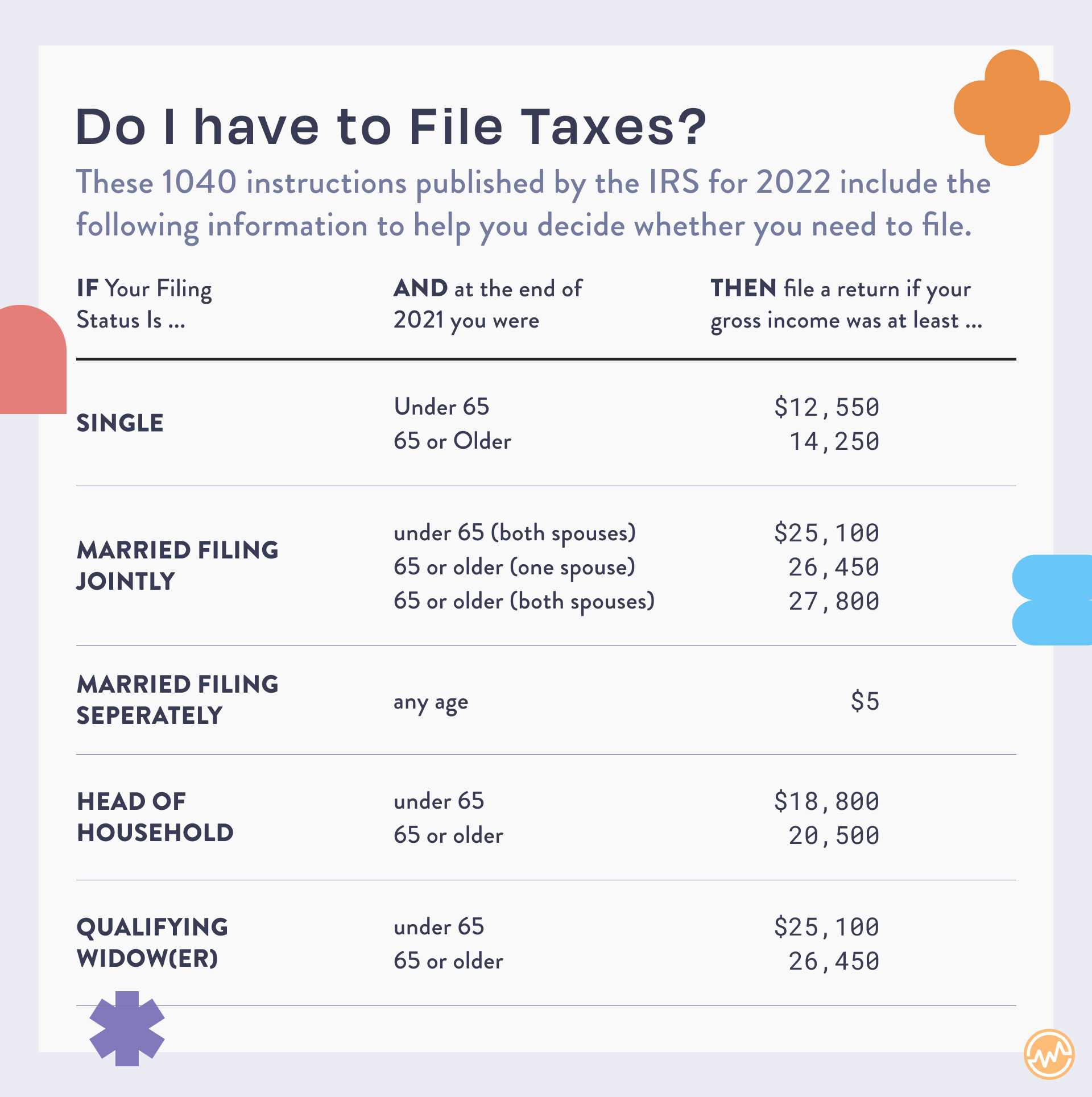
For many taxpayers, especially those with lower incomes or simpler returns, truly free options exist. The IRS Free File program is a partnership between the IRS and several tax software companies, offering free federal tax preparation and e-filing for taxpayers whose Adjusted Gross Income (AGI) falls below a certain threshold (which changes annually, typically around $79,000 for 2023 tax year filings). These platforms often provide free state filing as well. Additionally, the Volunteer Income Tax Assistance (VITA) and Tax Counseling for the Elderly (TCE) programs offer free tax help to qualified individuals, including those with low to moderate incomes, disabilities, the elderly, and those with limited English proficiency. These services are staffed by IRS-certified volunteers and provide in-person assistance, making them an excellent resource for those who prefer guidance without the associated fees.
DIY Tax Software
For those who are comfortable with technology and prefer a hands-on approach, do-it-yourself (DIY) tax software is a popular choice. Platforms like TurboTax, H&R Block Tax Software, TaxAct, and TaxSlayer offer guided processes that help users input their financial information and prepare their returns. These services typically operate on a tiered pricing model:
- Basic/Free versions: Often available for simple W-2 returns and standard deductions.
- Deluxe versions: Cater to those with itemized deductions, child tax credits, or education credits.
- Premium/Premier versions: Designed for investors, rental property owners, and more complex scenarios.
- Self-Employed versions: Specifically tailored for freelancers, contractors, and small business owners.
The cost for paid tiers can range from $30 to over $120 for federal filing, with additional charges for state returns and optional features like audit defense or expert review.
Professional Tax Preparers
When tax situations become too complex for DIY software or individuals simply prefer expert guidance, hiring a professional tax preparer is the preferred route. This category encompasses a range of professionals:
- Commercial Tax Preparers: Companies like H&R Block and Jackson Hewitt have storefronts offering tax preparation services. Their fees are generally moderate and suitable for a broad range of taxpayers.
- Enrolled Agents (EAs): Federally authorized tax practitioners who have demonstrated technical competence in the field of taxation and are empowered to represent taxpayers before the IRS. They are often more affordable than CPAs for tax-specific matters.
- Certified Public Accountants (CPAs): Highly skilled accounting professionals who can handle the most complex tax situations, including business taxes, multi-state filings, and international tax issues. Their services are typically the most expensive but offer the highest level of expertise and often provide year-round financial advice.
Professional fees can vary widely based on the preparer’s credentials, experience, geographic location, and the complexity of your return. They may charge hourly rates, flat fees per form, or a bundled price for the entire service.
Deconstructing the Costs: A Detailed Look at Each Method
Understanding the general options is one thing, but a granular examination of the actual costs associated with each method reveals the nuances and potential hidden expenses.
The “Free” Reality Check
While IRS Free File, VITA, and TCE offer genuinely free federal and often state tax filing, it’s essential to understand their limitations. IRS Free File is only accessible if your AGI is below a certain threshold. If you exceed this, you won’t qualify for the free offerings of the participating software providers and will need to pay for their standard services. Similarly, VITA/TCE programs have income limits and may not be equipped to handle extremely complex business returns or specific foreign income situations. Additionally, “free” versions of commercial tax software often come with conditions. Many are free only for federal returns with simple W-2 income and standard deductions. Any deviation – such as needing to file a Schedule A for itemized deductions, a Schedule C for self-employment, or a state return – will likely trigger an upgrade to a paid version. Marketers often use “free” as a hook, but true comprehensive free filing for all situations is rare.
Software Pricing Tiers Explained
The tiered pricing model of tax software can be confusing.
- Basic/Free: Typically covers Form 1040 and standard deductions. State filing is almost always an extra cost.
- Deluxe: Adds support for itemized deductions (Schedule A), child tax credits, education credits, and usually includes state filing for an additional fee or a slightly higher base price.
- Premium/Premier: Designed for investment income (stocks, bonds, mutual funds – Schedule D), rental property income (Schedule E), and more advanced deductions. State filing is extra.
- Self-Employed: Tailored for independent contractors, freelancers, and small business owners with Schedule C income and expenses. This tier often includes features like expense tracking and potential guidance for quarterly estimated taxes. It is generally the most expensive software tier, with state filing as an add-on.

Prices can fluctuate during tax season, with early filers sometimes getting discounts. Be wary of mid-preparation upgrades, where you might start with a free version only to find you need to upgrade to a more expensive tier once you enter specific forms or deductions.
Professional Fees: Hourly vs. Flat Rates
Professional tax preparers charge in various ways.
- Hourly Rates: CPAs and Enrolled Agents often charge hourly rates, especially for complex or time-consuming returns, or for additional services like tax planning or audit representation. Hourly rates can range from $100 to $400+ depending on the professional’s expertise and location.
- Flat Fees: Many commercial tax preparation services and even some independent professionals offer flat fees based on the forms required. For a simple W-2 return with standard deductions, a preparer might charge $100-$200. For a more complex return with itemized deductions, investments, or self-employment income, fees can easily range from $300 to $800 or more. Business tax returns (corporate, partnership) are significantly more complex and can run into the thousands of dollars.
It’s crucial to obtain a clear estimate or quote before engaging a professional, outlining all included services and potential additional charges.
Additional Costs and Upsells
Beyond the base price, various add-ons can inflate your tax filing costs:
- State Filing: As mentioned, almost always an extra charge for both software and professional services.
- Audit Protection/Defense: Many software companies and preparers offer “audit protection” or “audit defense” as an upsell. This typically provides assistance or representation if your return is flagged for an audit. While it offers peace of mind, it’s an additional expense.
- Expert Review: Some DIY software platforms offer an optional “expert review” of your completed return by a tax professional before filing, which comes at an extra cost.
- Printing/Mailing Fees: If you prefer paper filing, some services might charge for printing and mailing your return, though e-filing is now standard and usually free.
- Direct Deposit Fees: While most tax software allows free direct deposit of refunds, some may offer options for receiving your refund on a prepaid debit card, which could come with fees.
The Value Proposition: DIY vs. Professional Assistance
Deciding between tackling taxes yourself or hiring a professional boils down to a fundamental trade-off between cost, time, accuracy, and peace of mind.
When DIY Makes Sense
DIY tax software is an excellent choice for taxpayers with relatively simple financial situations. If your primary income comes from a W-2, you take the standard deduction, have minimal investments, and understand basic tax concepts, a DIY solution can save you money. The guided interfaces of modern software make the process accessible, even for novices. Furthermore, if you enjoy being hands-on with your finances and have the time to dedicate to understanding the process, DIY filing offers a sense of control and financial literacy. The cost-effectiveness of free or low-cost software versions makes it an attractive option for budget-conscious individuals with uncomplicated returns.
The Advantages of Professional Expertise
For many others, the complexities of their financial lives or a simple desire for accuracy and peace of mind make professional assistance invaluable. If you own a small business, have significant investment activity, deal with rental properties, navigate divorce or other major life changes, or have international income, the expertise of an Enrolled Agent or CPA can be a game-changer. Professionals can identify deductions and credits you might miss, ensure compliance with intricate tax laws, and offer strategic tax planning advice throughout the year, potentially saving you more money in the long run than their fees. They can also represent you in the event of an audit, a service that provides immense relief. For those with complex situations, the cost of a professional is an investment in accuracy, compliance, and reduced stress.
Weighing Cost Against Accuracy and Time Savings
Ultimately, the choice hinges on a personal cost-benefit analysis. A common mistake is to view professional tax preparation solely as an expense. Instead, consider it as an investment. How much is your time worth? How much is the peace of mind worth, knowing your taxes are filed correctly and you’re less likely to face an audit? An incorrectly filed return, even if accidental, can lead to penalties, interest, and the significant hassle of dealing with the IRS. While DIY software is more affordable upfront, it requires your time, effort, and understanding. If your time is valuable or your situation is prone to errors, paying a professional might be the more financially sound decision. Conversely, if your return is truly simple, paying for a professional might be an unnecessary expenditure.
Strategies for Reducing Your Tax Filing Expenses
Regardless of whether you choose DIY or professional assistance, there are proactive steps you can take to minimize your tax preparation costs.
Early Preparation and Organization
One of the most effective ways to save money, particularly when using a professional, is to be meticulously organized. Gather all your W-2s, 1099s, receipts for deductions, investment statements, and other relevant documents well in advance of tax season. Presenting a disorganized stack of papers to a professional will invariably lead to higher fees, as they will spend more time sorting and categorizing your information. For DIY filers, organization streamlines the data entry process, reducing frustration and the likelihood of errors. Early preparation also allows you ample time to research different filing options and take advantage of early-bird discounts offered by software providers.
Leveraging Free Resources Wisely
For those who qualify, fully utilize the IRS Free File program, VITA, or TCE. If you fit the criteria, these services offer genuinely free and often comprehensive tax preparation. Even if you don’t qualify for these, consider the free versions of commercial tax software if your return is simple enough. Understand their limitations upfront to avoid unexpected upgrade costs. Before committing to a paid software tier, thoroughly check if your specific forms and deductions are covered by the free version. Don’t pay for features you don’t need.
Shopping Around for Services
Just as you would compare prices for any other significant service, shop around for both tax software and professional preparers.
- Software: Look at different providers’ pricing tiers and compare features. Many offer similar functionalities, but their pricing structures for specific situations can vary. Keep an eye out for promotional discounts.
- Professionals: Obtain quotes from several preparers. Ask about their fee structure – whether it’s hourly, flat-rate, or per form. Inquire about their experience with situations similar to yours. A brief consultation to discuss your needs can help you gauge their expertise and compare their pricing effectively. Don’t be afraid to ask for a breakdown of costs.
Tax Planning Throughout the Year
The most strategic approach to reducing tax filing expenses is continuous tax planning. This involves making informed financial decisions throughout the year that simplify your tax situation and optimize your tax liability. This could include:
- Keeping meticulous records of income and expenses, especially for self-employment.
- Understanding the tax implications of investments and major financial moves.
- Consulting with a tax professional mid-year for advice on specific transactions or changes in your financial situation.
- Utilizing payroll withholding adjustments to avoid large refunds or balances due, which can reduce the stress of tax season.
Proactive tax planning not only potentially lowers your tax bill but also makes the filing process itself smoother, quicker, and less expensive, whether you’re using software or a professional.
In conclusion, the cost of filing taxes is a variable expense shaped by individual circumstances and choices. By understanding the factors that influence cost, exploring the diverse options available, and adopting strategic planning, taxpayers can navigate the annual tax ritual efficiently and economically, ensuring compliance without unnecessary financial burden.
aViewFromTheCave is a participant in the Amazon Services LLC Associates Program, an affiliate advertising program designed to provide a means for sites to earn advertising fees by advertising and linking to Amazon.com. Amazon, the Amazon logo, AmazonSupply, and the AmazonSupply logo are trademarks of Amazon.com, Inc. or its affiliates. As an Amazon Associate we earn affiliate commissions from qualifying purchases.