
In an increasingly digital world, the way we manage our finances has undergone a profound transformation. Gone are the days when tax season meant stacks of paper forms, endless calculations by hand, and a trip to the post office. Today, electronic filing, or e-filing, has become the standard for tax compliance, offering unparalleled convenience, accuracy, and efficiency. For anyone navigating the complexities of their financial obligations, understanding how to e-file taxes is not just an option but an essential skill for modern money management. This guide delves into the nuances of e-filing, providing a roadmap for individuals and businesses to fulfill their tax responsibilities with confidence and ease, firmly within the realm of prudent financial stewardship.
The Evolution of Tax Filing: Why E-Filing is Essential for Modern Money Management
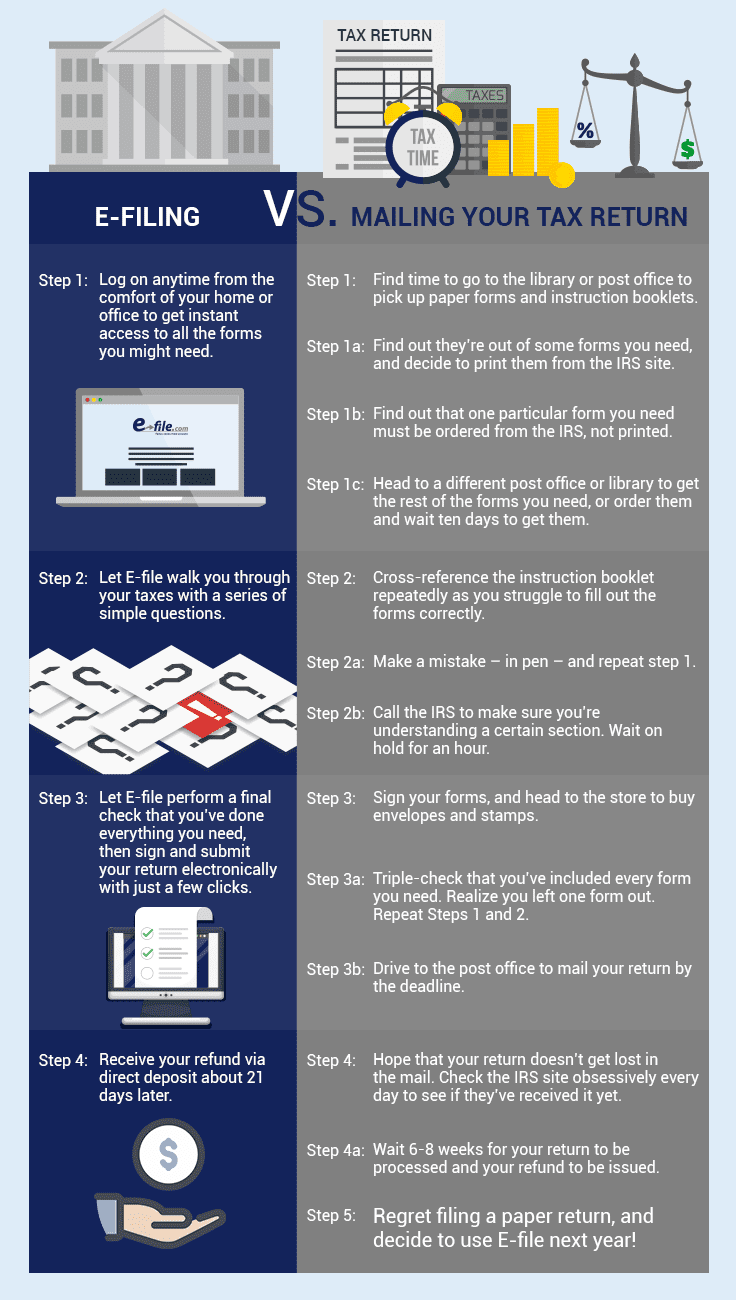
The shift from paper-based tax filing to electronic submission represents one of the most significant advancements in financial administration. E-filing is more than just a technological convenience; it’s a strategic move for better financial health, reducing errors, accelerating refunds, and enhancing the overall security of your sensitive financial data.
From Paperwork to Digital Efficiency: The Financial Advantages
The most immediate benefit of e-filing is the dramatic increase in efficiency. What once took hours, if not days, to compile and send via mail, can now be completed in a fraction of the time. This efficiency translates directly into financial advantages. First, it significantly reduces the likelihood of human error inherent in manual calculations and data entry, ensuring your tax liability or refund is accurately determined. Second, e-filed returns are processed much faster by tax authorities. This means quicker refunds for those due one, allowing taxpayers faster access to their money for immediate financial needs or investment. For those owing taxes, e-filing simplifies the payment process, often allowing for direct debit from bank accounts, which reduces the risk of missed deadlines and associated penalties. Furthermore, the ability to store digital copies of tax returns simplifies financial record-keeping, a cornerstone of effective personal and business finance.
Security and Accuracy: Protecting Your Financial Information
A common concern when dealing with digital financial transactions is security. However, e-filing systems employ robust encryption and authentication protocols to protect sensitive taxpayer data. Tax software and government portals are designed with multiple layers of security to prevent unauthorized access and data breaches, often exceeding the security measures for traditional paper filing, which can be lost or intercepted in transit. Beyond security, e-filing drastically improves accuracy. Integrated error-checking mechanisms within tax software identify common mistakes, prompt users for missing information, and perform complex calculations automatically. This built-in vigilance minimizes the chances of misfiling, which can lead to costly audits, delays, or penalties, thereby safeguarding your financial standing.
Environmental Impact and Accessibility
While not directly a financial benefit, the environmental impact of e-filing aligns with broader responsible financial and social practices. Reducing the need for paper forms, printing, and physical transportation contributes to a greener planet. From a financial accessibility standpoint, e-filing has democratized tax preparation. Many free or low-cost e-filing options are available for taxpayers meeting certain income thresholds, ensuring that financial constraints do not hinder compliance. This accessibility extends to individuals with disabilities, as digital platforms often offer features like screen readers and customizable interfaces, making tax filing manageable for a wider population.
Preparing for E-Filing: Gathering Your Financial Data
Effective e-filing begins long before you log into a tax software program. It starts with meticulous preparation and the diligent gathering of all pertinent financial documents. This foundational step is critical for ensuring accuracy and maximizing your potential financial returns.
Essential Documents for Income Reporting (W-2s, 1099s)
The bedrock of any tax return is accurate income reporting. For most employees, this means your W-2 Form, which summarizes your annual wages and taxes withheld. If you’re an independent contractor, freelancer, or gig worker, you’ll be dealing with various 1099 Forms (e.g., 1099-NEC for non-employee compensation, 1099-MISC for miscellaneous income, 1099-K for third-party payment network transactions). Other income documents might include 1099-INT for interest earned, 1099-DIV for dividends, and K-1s for income from partnerships, S corporations, or trusts. Collecting these documents promptly is the first crucial step in accurately reflecting your financial picture to the tax authorities and avoiding discrepancies that could lead to financial penalties.
Deductions and Credits: Maximizing Your Financial Returns
Beyond income, identifying eligible deductions and credits is paramount to optimizing your tax outcome – either reducing your taxable income or directly lowering your tax bill. This requires careful record-keeping throughout the year. Common deductions include student loan interest, health savings account (HSA) contributions, traditional IRA contributions, certain itemized deductions (medical expenses, state and local taxes, mortgage interest), and business expenses for self-employed individuals. Tax credits, such as the Earned Income Tax Credit (EITC), Child Tax Credit (CTC), education credits, and clean energy credits, directly reduce your tax liability dollar for dollar, providing significant financial relief. Maintaining a well-organized system for receipts, statements, and other supporting documentation for these items is essential to substantiate claims and maximize your legitimate financial benefits.
Understanding Your Tax Situation: Individual vs. Business Filers
Your filing status and the nature of your income significantly impact the complexity of your tax return and the financial tools you’ll need. Individual filers, typically reporting W-2 income and standard deductions, often find free or less expensive software adequate. However, self-employed individuals, small business owners, or those with complex investment portfolios will face a more intricate financial situation. Business filers, whether sole proprietors, partnerships, or corporations, must contend with business income and expenses, depreciation, payroll taxes, and specific business deductions and credits. Understanding these distinctions early helps in selecting the appropriate e-filing method and ensures that all relevant financial forms are considered, preventing costly oversights.
Choosing the Right E-Filing Method and Financial Tool
The landscape of e-filing options is diverse, catering to a wide range of financial situations and technical proficiencies. Selecting the right method and tool is a strategic financial decision that can impact both your convenience and the accuracy of your return.
Free E-Filing Options: When They Make Financial Sense

For many taxpayers, especially those with simpler financial situations and incomes below a certain threshold, free e-filing options are available. The IRS Free File program, a partnership between the IRS and various tax software companies, offers guided tax preparation and e-filing at no cost. Additionally, some states offer their own free e-filing services. These options are ideal for individuals with straightforward tax returns, perhaps just a W-2 and standard deductions, providing a cost-effective way to meet their tax obligations. Leveraging these free resources responsibly is a smart financial move, saving you money on preparation fees. However, it’s crucial to verify eligibility requirements and ensure the chosen platform supports all your necessary forms.
Commercial Tax Software: Investing in Financial Convenience and Guidance
When your financial picture becomes more complex, investing in commercial tax software often proves beneficial. Brands like TurboTax, H&R Block, TaxAct, and TaxSlayer offer various tiers of service, from basic packages to premium versions designed for self-employed individuals, investors, and small business owners. These platforms provide step-by-step guidance, ask clarifying questions, and automatically populate forms based on your entries. They also offer robust error checking, maximum refund guarantees, and sometimes even audit support. The cost of these services is often justifiable for the peace of mind, time savings, and expert guidance they provide, which can help ensure you don’t miss out on valuable deductions or credits, ultimately maximizing your financial return.
Professional Tax Preparers: The Value of Expert Financial Oversight
For individuals with highly complex financial situations, significant investments, multiple income streams, international income, or small businesses with intricate tax laws, engaging a professional tax preparer can be the wisest financial decision. Certified Public Accountants (CPAs), Enrolled Agents (EAs), or other qualified tax professionals offer invaluable expertise. They can provide personalized advice, identify obscure deductions, help with tax planning for future financial goals, and represent you in the event of an audit. While this option comes with a higher fee, the potential savings from expert advice, the reduction in stress, and the assurance of compliance can far outweigh the cost, making it a sound investment in your financial future and peace of mind. Many professionals also use secure e-filing systems on your behalf.
The E-Filing Process: Step-by-Step for Financial Compliance
Once you’ve gathered your documents and selected your e-filing method, the actual process of entering, reviewing, and submitting your return is relatively streamlined. Adhering to each step carefully ensures financial compliance and reduces the risk of errors.
Data Entry and Review: Ensuring Financial Accuracy
The core of e-filing involves accurately entering your financial data into the chosen software or online portal. This typically involves inputting information from your W-2s, 1099s, and other income statements, as well as details for any deductions or credits you’re claiming. Most software guides you through this process with intuitive prompts, often allowing you to import data directly from employers or financial institutions. The crucial step here is diligent review. Before proceeding, meticulously check every entry against your original documents. A minor typo in an account number or income figure can lead to significant financial headaches, including delays in refunds or notices from tax authorities. Take advantage of the software’s error-checking features, which highlight potential issues or missing information. This thorough review is your last line of defense against financial inaccuracies.
Payment and Refund Options: Managing Your Money Flow
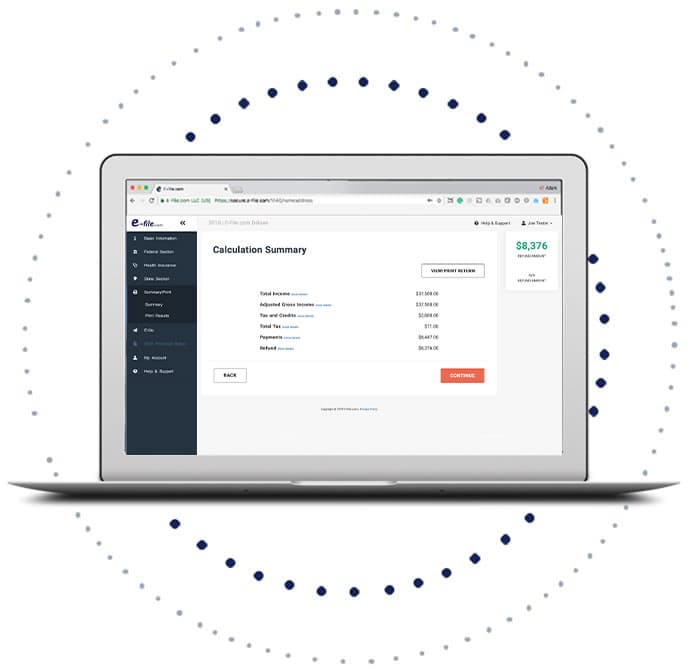
Upon completing your return, the e-filing system will calculate your tax liability or refund. If you’re owed a refund, you’ll typically have the option of direct deposit to your bank account, which is the fastest and most secure method. Other options might include a paper check or even applying the refund to next year’s taxes. For those who owe taxes, e-filing platforms offer several convenient payment methods. The most common is direct debit from your bank account, which allows you to schedule the payment for the filing deadline. Other options include paying by credit card (though this usually incurs a processing fee), or using a third-party payment service. Understanding and selecting the best payment or refund option for your financial situation is key to managing your money flow effectively around tax season.
Submission and Confirmation: The Final Steps to Financial Peace of Mind
Once you are confident in the accuracy of your return and have chosen your payment/refund method, the final step is to electronically submit your return. After submission, you will receive a confirmation, typically via email, indicating that your return has been successfully transmitted to the tax authority. Crucially, this initial confirmation only signifies that the return was received. A second, more important confirmation, often called an “IRS e-file acceptance” or “state e-file acceptance,” will follow once the tax authority has officially accepted your return. It is imperative to save both of these confirmations as proof of timely filing. This acceptance message brings financial peace of mind, signaling that your tax compliance obligation for the year has been met. If your return is rejected, the e-filing system will usually provide a reason, allowing you to correct the error and resubmit.
Post-Filing Best Practices: Safeguarding Your Financial Records
E-filing doesn’t end with submission. Proper post-filing practices are crucial for long-term financial health, future tax compliance, and peace of mind in the unlikely event of an audit.
Retaining Digital and Physical Records
Even though you’ve e-filed, it’s essential to retain copies of your submitted return and all supporting documentation. Most tax professionals and the IRS recommend keeping tax records for at least three years from the date you filed the original return or two years from the date you paid the tax, whichever is later. For certain items, such as property records or business asset purchases, records should be kept even longer. Store digital copies of your e-filed return (often in PDF format) on a secure hard drive, cloud storage, or both. It’s also wise to keep physical copies of critical documents like W-2s, 1099s, and significant deduction receipts. Organized record-keeping is a fundamental aspect of sound financial management, providing a clear audit trail and simplifying future tax preparation.
Understanding Audit Risks and Preparation
While most e-filed returns are processed without issue, the possibility of an audit, however remote, always exists. Audits are typically triggered by discrepancies, unusual deductions, or random selection. By meticulously gathering documents, accurately entering data, and thoroughly reviewing your return during the e-filing process, you significantly mitigate audit risks. Should you receive an audit notice, having well-organized and easily accessible records (both digital and physical) is your best defense. Understand what the IRS or state is questioning and provide only the requested documentation. If you used a professional preparer, they might offer audit support or representation as part of their services, adding another layer of financial security.
Year-Round Financial Planning for Next Tax Season
The most strategic approach to tax compliance is to view it as a year-round financial planning activity, not just an annual chore. After e-filing, take time to review your financial situation: Did you get a large refund? You might be overpaying through withholdings. Did you owe a lot? Consider adjusting your W-4 or making estimated tax payments. Evaluate major life changes—marriage, new children, home purchase, career changes—as they all have significant tax implications. Engage in proactive tax planning by consulting with a financial advisor or tax professional. They can help you identify opportunities for tax-advantaged investments, retirement contributions, and other strategies to optimize your financial outlook for the coming year, making future e-filing even smoother and more financially rewarding. By integrating tax considerations into your ongoing financial strategy, you transform a compliance task into a powerful tool for wealth management.
aViewFromTheCave is a participant in the Amazon Services LLC Associates Program, an affiliate advertising program designed to provide a means for sites to earn advertising fees by advertising and linking to Amazon.com. Amazon, the Amazon logo, AmazonSupply, and the AmazonSupply logo are trademarks of Amazon.com, Inc. or its affiliates. As an Amazon Associate we earn affiliate commissions from qualifying purchases.