
The annual ritual of tax filing, once a daunting paper-based ordeal, has undergone a profound transformation with the advent of digital platforms. Today, “how do you do taxes online” is less about a complex technical process and more about leveraging powerful financial tools to streamline an essential aspect of personal finance. This shift from physical forms to secure digital interfaces offers an unprecedented level of convenience, accuracy, and control, fundamentally altering how individuals manage their financial obligations to the government. For many, online tax filing has become an indispensable component of sound financial management, providing a clear path to compliance while potentially maximizing refunds or minimizing liabilities. This guide will explore the strategic advantages, essential preparations, critical choices, and step-by-step process of filing your taxes online, all viewed through the lens of robust financial planning and execution.

The Strategic Advantages of Digital Tax Filing for Your Finances
Embracing online tax filing isn’t just about convenience; it’s a strategic financial decision that can significantly impact your monetary well-being. The benefits extend far beyond simply avoiding paper, touching on critical aspects of accuracy, efficiency, and personal financial empowerment.
Maximizing Accuracy and Minimizing Financial Risk
One of the most compelling financial arguments for online tax software is its inherent ability to reduce errors. Unlike manual calculations prone to human oversight, digital platforms employ sophisticated algorithms and built-in checks to ensure mathematical precision. As you input data, the software often prompts you for missing information, flags inconsistencies, and guides you through complex sections, dramatically lowering the risk of costly mistakes. Incorrect filings can lead to penalties, delayed refunds, or even audits – all of which represent significant financial risks. By minimizing these errors, online tax software acts as a crucial safeguard for your financial outcome, ensuring compliance and helping you avoid unnecessary expenses or complications. This meticulous approach directly translates into greater financial peace of mind and protection of your assets.
Unlocking Time and Cost Efficiencies
The financial value of time is undeniable, and online tax filing offers substantial savings in this regard. Traditional methods, whether hiring an accountant or manually completing forms, demand considerable time and often incur significant costs. While professional tax preparers provide expertise, their fees can range from hundreds to thousands of dollars, depending on the complexity of your financial situation. Even self-preparation with paper forms involves trips to the post office, purchasing supplies, and potentially more hours of meticulous data entry. Online tax software, on the other hand, often automates data imports from financial institutions and previous year’s returns, drastically cutting down the time spent. Many platforms offer free or low-cost options for simpler returns, and even their premium versions are typically more affordable than an accountant for many individuals. This efficiency allows you to reallocate both your financial resources and valuable time to other productive pursuits or investments.
Empowering Personal Financial Control
Taking charge of your tax filing online fosters a deeper understanding of your personal financial landscape. As you navigate the questions and input your financial data, you gain insights into how different income streams, deductions, and credits interact to determine your overall tax liability or refund. This hands-on approach demystifies the tax code, translating complex regulations into actionable steps. For example, seeing the immediate impact of a charitable donation or a new investment on your tax obligations can empower you to make more informed financial decisions throughout the year. This elevated level of financial literacy and control is invaluable, enabling you to proactively plan, adjust withholding, identify potential savings, and ultimately make smarter choices that align with your long-term financial goals.
Essential Financial Preparation for Online Tax Submission
Successful online tax filing begins long before you log into any software. A well-prepared financial foundation is paramount to ensuring accuracy, maximizing your benefits, and making the process smooth and stress-free.
Assembling Your Comprehensive Financial Portfolio
The bedrock of accurate tax filing is meticulous record-keeping. Before you even open your chosen online tax platform, gather all necessary financial documentation. This includes W-2 forms from employers, 1099 forms for freelance income, interest, dividends, and retirement distributions, as well as K-1 forms for partnership or S-corp income. For deductions and credits, you’ll need records such as mortgage interest statements (Form 1098), student loan interest statements (Form 1098-E), property tax receipts, medical expense summaries, childcare expense statements, and records of charitable contributions. If you’re self-employed, comprehensive records of your business income and expenses are critical. Having all these documents organized and at your fingertips will prevent delays, ensure no eligible deduction or credit is missed, and provide a clear financial narrative for your return.
Strategic Understanding of Your Tax Position
Beyond just collecting documents, a foundational understanding of your personal tax situation is crucial for optimizing your financial outcome. Begin by accurately identifying your filing status (Single, Married Filing Jointly, Married Filing Separately, Head of Household, Qualifying Widow(er)), as this significantly impacts your standard deduction and tax brackets. Next, determine any dependents you can claim, as each dependent can unlock valuable tax credits, such as the Child Tax Credit or Credit for Other Dependents, directly reducing your tax liability. Furthermore, take time to research potential tax credits and deductions relevant to your life circumstances. Did you pay for higher education? Did you make energy-efficient home improvements? Did you contribute to an IRA or HSA? Proactively understanding these opportunities ensures you leverage every available financial advantage the tax code offers, helping to minimize the amount you owe or increase your refund.
Selecting the Right Financial Tool for Your Online Tax Needs
With a plethora of online tax software options available, choosing the right platform is a critical financial decision. The “best” choice depends heavily on the complexity of your financial life, your budget, and your need for guidance and support.
Evaluating Free vs. Paid Software: A Financial Cost-Benefit Analysis
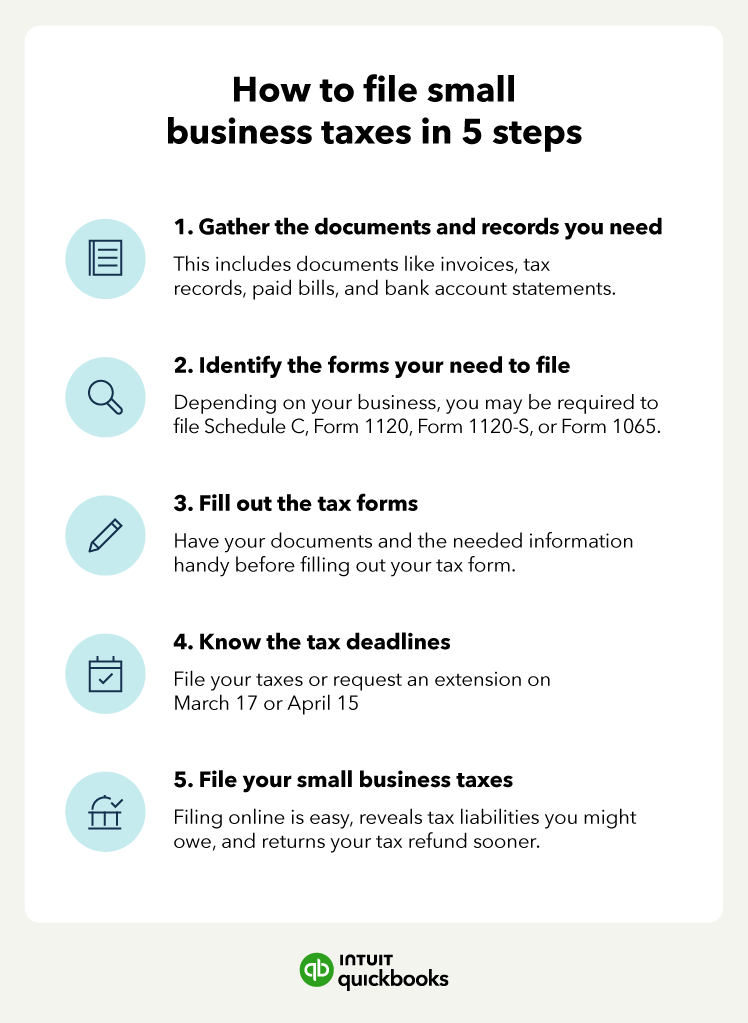
The initial choice often boils down to cost. For many individuals with straightforward financial situations – W-2 income, standard deductions, and no complex investments or self-employment – free tax filing options are an excellent financial solution. The IRS Free File program, available through various partners for taxpayers below a certain income threshold, and many commercial software providers’ free tiers cater specifically to these simple returns. However, if your financial portfolio is more intricate, involving investments, rental properties, business income, or numerous itemized deductions, investing in a paid version or a more robust software package is often justified. Paid software typically offers enhanced features like direct data import, comprehensive guidance for complex scenarios, state tax filing integration, audit support, and access to tax professionals. The slightly higher upfront cost can easily be recouped by ensuring every eligible deduction and credit is captured, ultimately leading to a better financial outcome.
Key Features for Robust Financial Management
When evaluating online tax software, consider features that align with your specific financial management needs. Look for platforms that offer seamless import capabilities for W-2s, 1099s, and investment statements, saving you valuable data entry time and reducing errors. If you live in a state with income tax, ensure the software integrates both federal and state filing, simplifying the process and often providing a bundled price. For those with more complex financial lives, features like guidance for business expenses, cryptocurrency transactions, or stock sales are essential. Additionally, consider platforms that offer audit assistance or guarantee accuracy, providing a financial safety net. Year-round access to your filed returns and supporting documents can also be invaluable for financial planning and record-keeping, allowing you to easily reference past financial decisions.
Ensuring Financial Data Security and Privacy
Your tax return contains some of your most sensitive financial and personal information. Therefore, the security and privacy protocols of your chosen online tax platform are paramount. Look for software providers that employ robust encryption technology (like 256-bit SSL) to protect your data during transmission and storage. They should also offer multi-factor authentication to secure your account from unauthorized access. Review the company’s privacy policy to understand how your data is used and shared. Reputable tax software companies adhere to strict industry standards and regulations designed to protect consumer financial information. Prioritizing a platform with a strong track record in data security is not just about avoiding identity theft; it’s about safeguarding your entire financial identity and preventing potential monetary fraud.
The Step-by-Step Financial Journey to Online Tax Submission
Once you’ve gathered your financial documents and selected your software, the process of actual input and submission becomes a guided journey. Each step is designed to ensure accuracy and compliance, culminating in the official electronic filing of your financial obligations.
Precise Data Entry for Income, Deductions, and Credits
The core of online tax filing involves accurately entering your financial data into the software. The platforms are designed with intuitive interfaces that guide you through various sections: income (from W-2s, 1099s, business profits), deductions (standard or itemized), and credits. For each piece of information, the software will ask targeted questions to ensure proper categorization and calculation. For instance, when entering charitable contributions, it might ask if the donation was cash or non-cash, and if you received anything in return, all of which impact the deductible amount. Be meticulous in this stage, double-checking figures against your source documents. Small errors in data entry can lead to significant discrepancies in your final tax bill or refund, directly affecting your financial liquidity. Most software allows you to toggle between interview-style questions and direct form entry, catering to different preferences for financial data input.
Comprehensive Review, E-Signature, and Secure E-Filing
Before hitting “submit,” a thorough review of your entire tax return is absolutely critical. Online tax software will typically run a final diagnostic check, identifying potential errors or missing information. However, you should also manually review each section, ensuring that all income sources are included, every applicable deduction and credit has been claimed, and all personal information is correct. This is your last chance to verify that the numbers reflect your true financial situation. Once you’re confident in the accuracy, the software will guide you through the electronic signature process, which legally binds you to the accuracy of the submitted information. Finally, with a click, your return is securely transmitted to the IRS and, if applicable, your state tax authority. Most platforms provide instant confirmation of successful transmission, and often, an email notification when your return has been accepted by the tax authorities, marking the official completion of your financial obligation.
Post-Submission: Managing Payments and Anticipating Refunds
After your return is successfully e-filed, the final financial steps involve either settling your tax liability or awaiting your refund. If you owe taxes, online software provides various payment options: direct debit from your bank account, payment via credit card (which often incurs a processing fee), or instructions for mailing a check. Setting up direct debit is often the most convenient and cost-effective method. If you are due a refund, the software will prompt you to enter your bank account details for direct deposit, which is the fastest way to receive your money. The IRS typically processes direct deposit refunds within 21 days. For those who prefer a physical check, that option is also available, though it usually takes longer. Understanding these post-submission financial logistics ensures a smooth resolution to your tax season, allowing you to integrate any tax payments or refunds efficiently into your broader financial plan.
Sustaining Financial Health: Post-Filing and Future Tax Planning
Filing your taxes online isn’t merely an annual event; it’s an integral part of ongoing financial health. The actions you take immediately after filing and your approach to future planning can significantly impact your long-term financial security and prosperity.
Prudent Record-Keeping and Audit Preparedness
Once your taxes are filed, the responsibility for maintaining records doesn’t end. It’s crucial to save digital copies of your complete return, including all forms, schedules, and supporting documents, in a secure and easily accessible location. Additionally, retaining physical copies of key documents for at least three years (the general statute of limitations for IRS audits) is a wise financial safeguard. In some cases, like unfiled returns or substantial underreporting of income, the statute of limitations can be much longer. Organized record-keeping serves as your primary defense in the rare event of an IRS inquiry or audit, proving the accuracy of your financial claims and protecting you from potential financial penalties or disputes. This proactive measure is a fundamental pillar of sound financial governance.

Proactive Tax Planning for Optimized Future Financial Outcomes
The insights gained from filing your current year’s taxes offer a valuable opportunity for proactive financial planning for the next fiscal year. Reviewing your return can highlight areas where you might adjust your financial strategy. For example, if you received a large refund, it might indicate that too much tax was withheld from your paychecks; adjusting your W-4 form could ensure more money in your pockets throughout the year for saving or investing. Conversely, if you owed a significant amount, you might need to adjust withholding or make estimated tax payments. Consider opportunities to increase tax-advantaged savings (like 401(k)s, IRAs, HSAs), plan for charitable donations, or strategize investment sales to optimize capital gains. By using your annual tax filing as a reflection point, you can make informed financial decisions year-round that contribute to minimizing future tax liabilities and maximizing your overall wealth accumulation.
In conclusion, doing your taxes online has evolved into a sophisticated yet user-friendly component of modern personal finance. By leveraging the strategic advantages of accuracy and efficiency, undertaking diligent financial preparation, making informed choices about tax software, and following a clear submission process, individuals can transform a potentially stressful obligation into an empowering exercise in financial control. Beyond the immediate task of filing, embracing post-submission best practices and proactive tax planning ensures that this annual ritual contributes positively to your sustained financial health and long-term economic well-being. The digital frontier of taxation is not just a convenience; it’s an essential tool for effective financial management.
aViewFromTheCave is a participant in the Amazon Services LLC Associates Program, an affiliate advertising program designed to provide a means for sites to earn advertising fees by advertising and linking to Amazon.com. Amazon, the Amazon logo, AmazonSupply, and the AmazonSupply logo are trademarks of Amazon.com, Inc. or its affiliates. As an Amazon Associate we earn affiliate commissions from qualifying purchases.