
The annual tradition of tax filing, once synonymous with stacks of paper, intricate forms, and manual calculations, has undergone a profound digital transformation. Today, the question “how can I file tax online” isn’t just about convenience; it’s about leveraging a sophisticated ecosystem of software, secure platforms, and digital tools that have redefined the entire process. This guide delves into the technological landscape of online tax filing, offering a comprehensive look at the tools, processes, and digital security measures that empower millions to manage their fiscal obligations with unprecedented efficiency and accuracy.
The Digital Transformation of Tax Filing
The journey from paper-based tax submission to seamless online filing represents one of the most significant technological advancements in personal finance. This evolution has not only streamlined a historically cumbersome task but has also democratized access to sophisticated tax preparation tools, once reserved for professionals.

Evolution from Paper to Pixels
For decades, tax preparation involved mountains of physical receipts, endless calculations on paper forms, and a trip to the post office. The advent of the internet and subsequent development of specialized software initiated a paradigm shift. Early online tax filing options were rudimentary, often mirroring paper forms on a screen. However, rapid advancements in web development, database management, and user interface design quickly propelled these tools into intuitive, interactive platforms. Today, online tax filing systems leverage powerful algorithms and robust digital infrastructure to guide users through complex tax codes with surprising ease. This technological leap has significantly reduced the administrative burden on taxpayers and tax authorities alike, transforming a daunting annual chore into a manageable digital workflow.
Key Benefits of Online Filing (Efficiency, Accuracy, Accessibility)
The widespread adoption of online tax filing is largely driven by its undeniable technological advantages:
- Efficiency: Online platforms are designed to save time. They automate calculations, guide users through relevant sections based on their input, and often integrate direct data imports from financial institutions. This drastically cuts down on manual data entry and review time.
- Accuracy: Human error is a major factor in tax filing mistakes. Online tax software incorporates advanced validation rules and diagnostic checks, flagging potential errors or missing information in real-time. Many systems also include audit risk indicators, helping users identify discrepancies before submission. This built-in intelligence significantly enhances the accuracy of filed returns.
- Accessibility: With an internet connection, taxpayers can access their filing platform from virtually anywhere, on various devices—desktops, laptops, tablets, and even smartphones. This flexibility ensures that individuals can prepare and submit their taxes according to their own schedules, without the constraints of office hours or geographical location. Furthermore, many platforms offer multilingual support and accessibility features for diverse user needs.
Understanding the Landscape of Online Tax Platforms
The digital marketplace for tax filing is diverse, offering solutions tailored to various needs and budgets. From globally recognized commercial software suites to government-sponsored free services, each platform leverages different technological approaches to achieve the common goal of accurate and secure tax submission. Understanding these options is the first step in choosing the right digital tool for your specific situation.
Navigating Your Online Tax Filing Options
Choosing the right platform is crucial for a smooth online tax filing experience. The market offers a spectrum of technological solutions, each with its unique features, user interface, and integration capabilities.
Commercial Tax Software Solutions
These are the most widely recognized and utilized online tax filing platforms, often synonymous with the online tax preparation experience itself. Companies like TurboTax, H&R Block, and TaxAct dominate this space, investing heavily in user experience and feature development.
- User Interfaces and AI-driven Guidance: Modern commercial tax software boasts highly intuitive, wizard-driven interfaces that guide users step-by-step. They employ sophisticated AI and machine learning algorithms to ask pertinent questions, interpret responses, and automatically populate the correct forms. This “smart guidance” reduces the need for users to understand complex tax jargon, making it accessible to those without a tax background. Some even offer “explainers” that decode specific tax laws in plain language.
- Integration Features: A key technological advantage is the ability to integrate with various financial data sources. Many platforms allow direct import of W-2s, 1099s, and investment statements from thousands of financial institutions. This not only saves data entry time but also minimizes transcription errors. Some even offer direct synchronization with accounting software for small businesses.
- Mobile Apps and Cloud Sync: Recognizing the trend towards mobile-first interactions, these providers offer robust mobile applications. These apps allow users to prepare and file taxes entirely from a smartphone or tablet, often featuring OCR (Optical Character Recognition) technology to snap photos of tax documents and extract relevant data. All data is typically synced to the cloud, allowing users to switch between devices seamlessly and pick up where they left off.
Government-Provided Free File Services
Many governments, including the IRS in the United States, offer free online tax filing options, often in partnership with commercial providers. These services are typically available to taxpayers meeting specific income thresholds.
- Accessibility and Data Security: Government-sponsored Free File programs prioritize accessibility, ensuring that eligible taxpayers can file their federal and often state returns without cost. While powered by commercial software, these platforms adhere to stringent government security protocols, ensuring the protection of sensitive financial data during transmission and storage.
- Direct Submission Protocols: These services utilize secure electronic filing (e-file) protocols established by the tax authorities, ensuring that returns are submitted directly and securely to the government’s systems. They provide immediate confirmation of submission, a critical digital receipt for peace of mind.
Professional Tax Software
While primarily used by certified public accountants (CPAs) and tax preparers, it’s worth noting that even professional tax assistance leverages advanced software. Platforms like ProSeries, Lacerte, and UltraTax CS are powerful, comprehensive systems designed for handling complex returns, multiple clients, and extensive tax planning. For individuals with highly complicated financial situations, engaging a professional who utilizes such technology can provide an additional layer of expertise and precision.
A Step-by-Step Tech Guide to Online Tax Filing
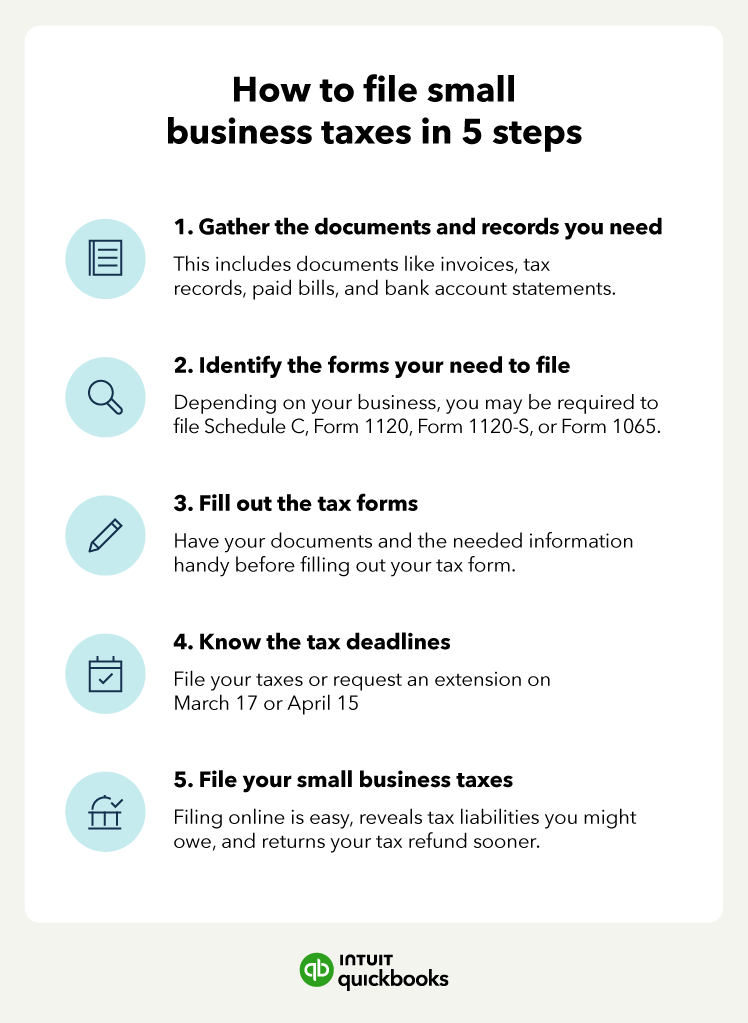
Once you’ve selected your platform, the process of filing taxes online is a structured, technology-driven workflow designed for efficiency and accuracy.
Gathering Your Digital Arsenal
Before you begin, organize your necessary documents.
- Electronic Copies: While paper documents are fine, having digital copies (scans or PDFs) of W-2s, 1099s, mortgage interest statements, and other relevant forms makes data entry easier, especially if your software supports direct upload or OCR.
- IDs and Software Access: Ensure you have your Social Security Number (SSN) or Individual Taxpayer Identification Number (ITIN) readily available. If returning to a platform used previously, verify your login credentials, including any multi-factor authentication details.
Setting Up Your Secure Online Account
This is your digital gateway to tax filing.
- Password Management: Choose a strong, unique password. Many platforms enforce complex password requirements. Using a reputable password manager is highly recommended to securely store and retrieve these credentials.
- Multi-Factor Authentication (MFA): Always enable MFA if the platform offers it. This adds an extra layer of security, typically requiring a code from your phone or an authenticator app in addition to your password, significantly reducing the risk of unauthorized access.
Data Entry and Smart Features
This is where the software’s intelligence comes into play.
- Data Import: Leverage features that allow direct import of W-2s and 1099s from employers or financial institutions. This significantly reduces manual entry and potential errors.
- Auto-Fill and Error Checking Algorithms: As you input information, the software’s algorithms will often auto-fill related fields and perform real-time checks for inconsistencies or omissions. For example, if you claim a deduction you don’t qualify for based on other inputs, the system will flag it.
- Interview-Style Guidance: Most software employs an interview format, asking simple questions about your life events (marriage, birth of a child, home purchase) and income sources, then translating your answers into the appropriate tax forms and calculations.
Review, E-Signature, and Digital Submission
The final steps involve critical digital actions.
- Thorough Review: Before submitting, the software provides a comprehensive review feature, often highlighting areas of potential concern or offering suggestions for deductions you might have missed. Utilize this feature rigorously.
- E-Signature: Your electronic signature legally binds your tax return. This typically involves confirming your identity through previous year’s Adjusted Gross Income (AGI) or a PIN. The e-signature technology ensures the integrity and non-repudiation of your submission.
- Secure Transmission Protocols: When you hit “submit,” your return is transmitted using secure encryption protocols (e.g., HTTPS, TLS) to the tax authority’s servers. You’ll receive a digital confirmation, often with a tracking number, indicating successful submission. This confirmation is your digital proof of filing.
Ensuring Digital Security and Accuracy
The sensitive nature of financial data demands the highest standards of digital security. When filing taxes online, understanding and implementing security best practices is as critical as ensuring accuracy.
Protecting Your Sensitive Financial Data
Your tax return contains some of your most personal and valuable information, making it a prime target for cybercriminals.
- Encryption and Secure Network Practices: Ensure you are always using a secure, encrypted internet connection (look for “https://” in the browser URL and a padlock icon). Avoid filing taxes on public Wi-Fi networks, which are often unencrypted and vulnerable to eavesdropping. Use a VPN if you must connect via public Wi-Fi.
- Phishing Awareness: Be highly vigilant against phishing attempts. Tax season sees a surge in fraudulent emails and text messages impersonating tax agencies or software providers, attempting to trick you into revealing personal information. Always verify the sender and URL before clicking links or downloading attachments.
- Software Provider Security: Reputable online tax software providers invest heavily in cybersecurity, including data encryption at rest and in transit, robust firewalls, intrusion detection systems, and regular security audits. While you control your behavior, choosing a trusted provider is a critical security step.
Leveraging Software for Error Prevention
Beyond guiding you through the process, modern tax software incorporates intelligent features to minimize errors.
- Built-in Calculators: These tools automate complex calculations, eliminating arithmetic errors that are common in manual preparation.
- Audit Risk Indicators: Some advanced software can analyze your return against common audit triggers, providing warnings or suggestions where your deductions or income reporting might draw extra scrutiny. While not a guarantee, this feature uses predictive analytics to help optimize your return.
- Diagnostic Tools: Before final submission, the software runs a comprehensive diagnostic check, identifying any missing information, inconsistencies, or potential errors that could lead to rejection or delays. Addressing these issues proactively ensures a smoother process.
The Importance of Digital Record Keeping
Post-filing, effective digital record-keeping is vital.
- Cloud Storage and Digital Backups: Save copies of your submitted return and all supporting documents (W-2s, 1099s, receipts) in secure cloud storage (e.g., Google Drive, Dropbox, OneDrive with strong security settings) and/or on an encrypted external hard drive.
- PDF Archives: Most online tax software allows you to download a PDF copy of your entire submitted return. This is your official digital record, easily searchable and accessible for future reference, amendments, or audits. Retain these records for at least three to seven years, as recommended by tax authorities.
Future Trends and Innovations in Online Tax Tech
The landscape of online tax filing is far from static. Technological advancements, particularly in AI and distributed ledger technologies, are poised to introduce even greater levels of automation, personalization, and security.
AI and Machine Learning in Tax Preparation
Artificial intelligence is already integrated into tax software, but its capabilities are rapidly expanding. Future applications could include:
- Hyper-Personalized Guidance: AI will offer even more tailored advice based on a deeper understanding of an individual’s financial history and life events, proactively suggesting deductions or strategies that might be overlooked.
- Automated Document Recognition and Classification: Advanced AI will be able to process a wider range of unstructured documents (e.g., handwritten receipts, complex investment statements) with higher accuracy, further reducing manual data entry.
- Predictive Analytics for Tax Planning: AI could analyze current financial data to project future tax liabilities and suggest real-time adjustments throughout the year, turning tax filing into a continuous, rather than annual, process.
Blockchain for Secure Tax Records
Blockchain technology, known for its immutable and secure distributed ledgers, holds promise for revolutionizing how tax records are managed and verified.
- Tamper-Proof Records: Imagine a system where employers, financial institutions, and taxpayers submit data directly to a blockchain-based ledger. This would create an unalterable, transparent record, significantly reducing fraud and disputes.
- Streamlined Verification: Tax authorities could instantly verify income and deductions against these distributed records, speeding up processing and refunds, and minimizing the need for extensive audits based on discrepancies.

Enhanced Mobile Filing Experiences
Mobile apps for tax filing will continue to evolve, offering even more sophisticated features:
- Voice-Activated Data Entry: Users could potentially dictate their income and expense details, with natural language processing (NLP) technology populating the forms.
- Augmented Reality (AR) for Document Scanning: AR could provide real-time guidance for scanning documents, ensuring all necessary information is captured accurately.
- Wearable Integration: While speculative, future integrations with wearables could potentially track and categorize work-related expenses or charitable activities, passively collecting data for tax purposes.
The journey of filing taxes online is a testament to the power of technology to simplify complex processes. By embracing these digital tools and understanding the underlying tech, individuals can navigate their tax obligations with confidence, efficiency, and enhanced security, paving the way for a future where tax compliance is even more integrated and intelligent.
aViewFromTheCave is a participant in the Amazon Services LLC Associates Program, an affiliate advertising program designed to provide a means for sites to earn advertising fees by advertising and linking to Amazon.com. Amazon, the Amazon logo, AmazonSupply, and the AmazonSupply logo are trademarks of Amazon.com, Inc. or its affiliates. As an Amazon Associate we earn affiliate commissions from qualifying purchases.