
Tesla vehicles have become synonymous with innovation, sustainability, and cutting-edge automotive technology. Yet, for many prospective buyers, the primary question isn’t about their acceleration or autopilot features, but rather a fundamental financial one: “How expensive are Teslas?” This isn’t a simple query with a single answer, as the cost of a Tesla extends far beyond its initial sticker price. To truly understand the financial commitment involved, one must embark on a comprehensive analysis of the total cost of ownership (TCO), factoring in everything from purchase price and government incentives to charging, maintenance, insurance, and even long-term resale value. For those navigating the world of personal finance and strategic investment, understanding the full economic picture of a Tesla is paramount to making an informed decision.
Understanding the Sticker Price: Initial Investment Across Tesla Models
The journey to assessing a Tesla’s expense begins with its upfront purchase price, which varies significantly across the manufacturer’s diverse model lineup. Tesla has strategically positioned its vehicles to appeal to different market segments, ranging from more accessible performance sedans and SUVs to luxurious, high-performance flagships.
Model 3 and Model Y: Entry Points to Tesla Ownership
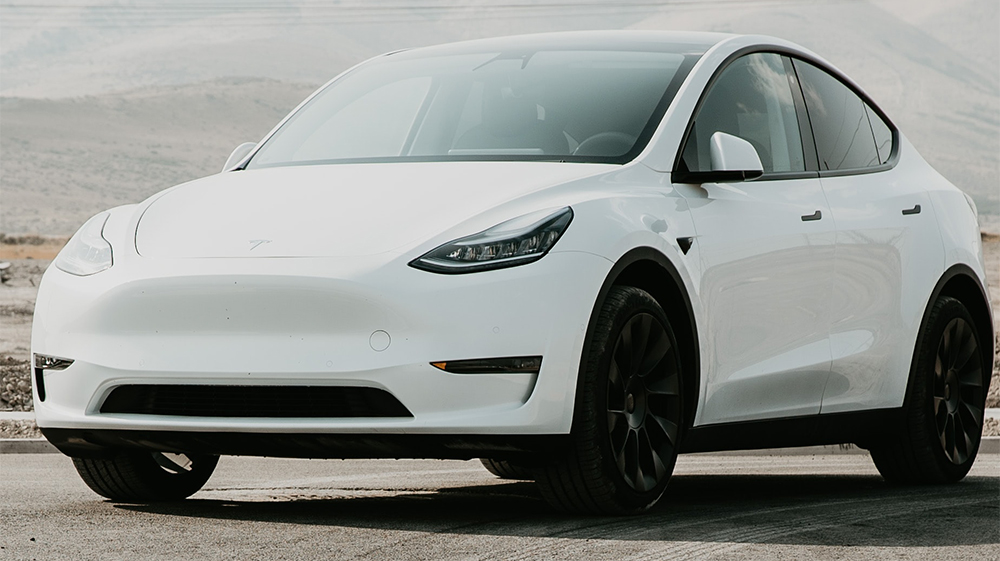
The Model 3 and Model Y represent Tesla’s most volume-oriented and generally more “affordable” offerings, though their price tags still place them firmly in the premium segment compared to conventional internal combustion engine (ICE) vehicles. The Model 3, a compact executive sedan, typically starts in a range that, while fluctuating with market conditions and production costs, positions it as a viable option for those looking to transition into EV ownership without immediately leaping into the ultra-luxury bracket. Different trims, such as the Rear-Wheel Drive (RWD), Long Range (AWD), and Performance (AWD), dictate a progressive increase in price, reflecting enhancements in battery capacity, range, and acceleration.
Similarly, the Model Y, a compact crossover SUV built on the Model 3 platform, offers increased utility and cargo space, making it a popular choice for families and those requiring more versatility. Its pricing structure largely mirrors that of the Model 3, with Long Range and Performance variants commanding higher prices than the standard RWD model. These models serve as crucial entry points, but it’s important to remember that “entry-level” for Tesla still implies a significant initial financial outlay, often comparable to high-end luxury sedans or SUVs from traditional manufacturers.
Model S and Model X: Luxury Performance and Premium Pricing
At the pinnacle of Tesla’s lineup sit the Model S sedan and the Model X SUV, vehicles designed for uncompromised performance, luxury, and advanced features. These models come with a significantly higher price tag, reflecting their larger battery capacities, longer ranges, more sophisticated interiors, and groundbreaking performance capabilities (e.g., Ludicrous mode, falcon wing doors). The Model S, Tesla’s original premium sedan, offers unparalleled acceleration and range, making it a direct competitor to high-end luxury vehicles from brands like Mercedes-Benz, BMW, and Audi. The Model X, a full-size SUV, adds utility and a unique aesthetic with its signature falcon wing doors, appealing to buyers who demand both luxury and family-friendly functionality.
The price points for Model S and Model X can easily extend well into six figures, especially when opting for the highest performance trims (e.g., Plaid) and various upgrades. This positions them as a considerable financial commitment, often requiring substantial down payments or robust financing arrangements. From a financial planning perspective, these models are often considered more akin to a luxury investment, where the buyer is paying a premium for cutting-edge technology, brand prestige, and superior performance.
Decoding Optional Upgrades and Customizations
Beyond the base price of each model and trim level, Tesla offers a suite of optional upgrades and customizations that can significantly inflate the final purchase price. These options range from aesthetic enhancements to performance boosts and advanced technological features, each adding to the total financial burden. Common upgrades include:
- Exterior Paint Colors: While a standard color is usually included, premium metallic or multi-coat options often incur an additional cost.
- Wheel Upgrades: Larger wheels or specialized designs can add several thousand dollars to the price.
- Interior Upgrades: Different interior color schemes or premium materials can also contribute to the final cost.
- Full Self-Driving (FSD) Capability: This is arguably the most substantial optional upgrade. FSD is a sophisticated driver-assistance system that promises autonomous driving capabilities in the future. Its price, which can be tens of thousands of dollars, is a significant financial consideration, either as an upfront purchase or a monthly subscription. Buyers must weigh the potential future benefits against the immediate financial outlay, considering whether this is a justifiable investment in current technology or a speculative bet on future autonomy.
- Enhanced Autopilot: A less expensive, but still significant, suite of driver-assistance features.
Each selected option chips away at the overall budget, emphasizing the need for buyers to carefully assess which features are essential and which are luxuries they can forgo to manage the total cost. From a financial perspective, these upgrades are discretionary spending and should be evaluated against their perceived value and impact on the buyer’s financial capacity.
Beyond the Showroom: Unpacking the Total Cost of Ownership (TCO)
The sticker price is merely the entry fee to Tesla ownership. A truly insightful financial assessment requires evaluating the Total Cost of Ownership (TCO) – the sum of all costs incurred over the lifespan of owning and operating the vehicle. For Teslas, this calculus is significantly different from that of traditional ICE vehicles, often revealing hidden savings that can partially offset the higher initial investment.
Fueling the Future: Electricity Costs vs. Gasoline Savings
One of the most compelling financial arguments for owning an EV, particularly a Tesla, is the significant reduction in “fuel” costs. Electricity is generally much cheaper per mile than gasoline, especially when charging at home during off-peak hours. While Supercharger network usage can be comparable to gasoline costs on long trips, routine home charging can lead to substantial long-term savings.
To calculate potential savings, consider your average monthly mileage and local electricity rates versus current gasoline prices. Many utilities offer specific EV charging rates or time-of-use (TOU) plans that further incentivize off-peak charging. Over five to ten years of ownership, these savings can accumulate to thousands of dollars, representing a tangible return on the EV investment. This economic advantage is a cornerstone of the Tesla value proposition from a financial perspective, directly impacting your monthly budget and long-term cash flow.
Maintenance and Service: The Electric Advantage
Electric vehicles inherently have fewer moving parts than ICE vehicles, which translates into simpler and often less frequent maintenance requirements. There’s no engine oil to change, no spark plugs to replace, no timing belts, or complex exhaust systems to worry about. Typical Tesla maintenance primarily involves tire rotations, brake inspections (regenerative braking significantly reduces wear on brake pads), cabin air filter replacements, and regular software updates.
While specialized EV repairs or battery replacements can be costly (though rare and often covered by extensive warranties), the routine maintenance costs are generally lower than for comparable luxury ICE vehicles. This reduction in scheduled servicing and the absence of many traditional wear-and-tear components contribute positively to the TCO, offering another avenue for financial savings that balances against the initial purchase price. From a budgeting standpoint, this predictability in maintenance costs can be a significant advantage.
Insurance Premiums: A Variable Factor
Tesla vehicles, being high-value, high-performance, and technologically advanced, often command higher insurance premiums than their ICE counterparts. Several factors contribute to this:
- High Replacement Cost: The sophisticated components and overall value of a Tesla mean that repair and replacement costs after an accident can be substantial.
- Performance: Higher performance vehicles, irrespective of powertrain, often have higher premiums.
- Repair Specialization: Not all body shops are certified to repair Teslas, and parts can be more expensive and specialized.
- Theft Risk: Depending on location, the desirability of Teslas can also be a factor in theft risk assessments.
However, insurance costs are highly individualized, depending on the driver’s history, location, chosen coverage, and specific insurance provider. It is crucial for prospective buyers to obtain multiple insurance quotes before purchase to accurately incorporate this significant variable into their TCO calculations. Some insurers may offer discounts for EV ownership, while others may penalize the premium due to the vehicle’s characteristics. This is a critical financial consideration that can significantly impact the overall monthly expense of ownership.

Depreciation and Resale Value Considerations
Depreciation is a major financial factor for any vehicle, representing the loss in value over time. Historically, Teslas have demonstrated strong resale value, often outperforming many traditional luxury vehicles. This is largely attributed to several factors:
- High Demand: Strong consumer demand for EVs, particularly Teslas, helps maintain their value.
- Continuous Software Updates: Teslas receive over-the-air (OTA) software updates, which can introduce new features and improvements, helping to keep older models more current and desirable.
- Battery Longevity: Advances in battery technology and Tesla’s robust battery management systems mean that battery degradation is often less severe than anticipated, maintaining vehicle utility.
- Brand Perception: Tesla’s strong brand image and perceived technological superiority contribute to its appeal in the used car market.
While depreciation is inevitable, a slower rate of depreciation means that the net cost of ownership over time can be lower compared to vehicles that rapidly lose value. This strong resale market makes a Tesla a potentially more financially sound long-term asset, offering a better return on investment when it comes time to sell or trade in.
Leveraging Financial Incentives and Tax Credits
Government policies around the world are increasingly geared towards encouraging EV adoption through various financial incentives. These can significantly reduce the effective purchase price of a Tesla and further lower the TCO, making them a vital part of the financial equation.
Federal and State EV Tax Credits
In many countries, including the United States, federal tax credits are available for new EV purchases. These credits can be substantial, sometimes thousands of dollars, directly reducing the buyer’s federal income tax liability. However, these credits often have specific requirements related to the vehicle’s manufacturing origin, battery component sourcing, and the buyer’s income level, and may phase out after a manufacturer sells a certain number of vehicles. It’s critical for prospective buyers to research the current eligibility criteria for Teslas, as these rules change frequently.
Beyond federal incentives, many U.S. states offer their own EV rebates, tax credits, or deductions. These state-level incentives can stack with federal benefits, leading to even greater financial savings. For example, some states offer direct rebates at the time of purchase, while others provide annual tax credits or exemptions from sales tax. These programs are designed to stimulate local EV markets and can represent a significant reduction in the overall financial burden of acquiring a Tesla.
Local Rebates and Charging Infrastructure Incentives
The financial benefits don’t stop at federal and state levels. Many local municipalities and utility companies also offer incentives. These might include:
- Rebates for Home Charger Installation: Many utilities or local governments offer rebates for the purchase and installation of Level 2 home charging stations, which are essential for convenient and cost-effective daily charging.
- Reduced Registration Fees or HOV Lane Access: Some regions offer reduced vehicle registration fees for EVs or provide access to high-occupancy vehicle (HOV) lanes, which can save time and contribute to overall commuting efficiency.
- Parking Benefits: Certain cities provide preferred parking spots or reduced parking fees for electric vehicles.
While individually smaller, these localized incentives collectively contribute to a more attractive financial landscape for Tesla owners, making the overall cost of ownership more manageable and adding to the value proposition. Diligent research into all available incentives is a key step in financial planning for a Tesla purchase.
Financing Your Tesla: Loan Options and Strategies
Acquiring a Tesla often involves securing financing, and understanding the available options is crucial for managing the financial commitment effectively. Buyers have several avenues to explore, each with its own set of financial implications.
Traditional Auto Loans and Manufacturer Financing
The most common method is a traditional auto loan from banks, credit unions, or Tesla’s own financing partners. Interest rates, loan terms (e.g., 36, 48, 60, 72 months), and eligibility criteria will vary based on the borrower’s creditworthiness and current market conditions. It’s advisable to shop around for the best rates and terms, as even a small difference in interest rate can save thousands of dollars over the life of the loan. Tesla often offers competitive financing rates, but comparing them with external lenders is always a wise financial practice. A longer loan term can result in lower monthly payments but typically higher overall interest paid, while a shorter term means higher monthly payments but less interest. Strategic loan selection is vital for aligning the purchase with your personal finance goals.
Leasing: An Alternative Path to Tesla Ownership
Leasing offers an alternative to outright ownership, providing the ability to drive a new Tesla for a fixed period (typically 24-48 months) with lower monthly payments compared to a purchase loan. At the end of the lease term, the lessee usually has the option to return the car, purchase it at a predetermined residual value, or lease a new vehicle.
Financially, leasing can be attractive for those who prefer to frequently upgrade to the latest model, avoid the long-term financial commitment of ownership, or benefit from lower initial out-of-pocket costs and predictable monthly expenses. However, leasing often comes with mileage restrictions, and any excessive wear and tear can incur additional charges. From a financial planning perspective, leasing allows for greater flexibility and potentially a lower immediate impact on your cash flow, but you don’t build equity in the asset. It’s essential to weigh the pros and cons against your personal financial situation and driving habits.
The Long-Term Financial Value Proposition of a Tesla
Beyond the immediate costs and savings, owning a Tesla can offer broader long-term financial and societal benefits that, while harder to quantify, contribute to its overall value proposition.
Environmental Impact and Societal Savings
While not directly reflected in your personal budget, the environmental benefits of driving an EV contribute to a broader societal financial saving. Reduced greenhouse gas emissions and lower reliance on fossil fuels lead to better air quality and potentially lower healthcare costs for communities. From an investment perspective, supporting sustainable technology aligns with a growing movement towards ESG (Environmental, Social, and Governance) investing, reflecting a broader commitment to a more sustainable future that can have macroeconomic financial implications.

Advanced Technology and Future-Proofing Your Investment
Teslas are at the forefront of automotive technology, constantly evolving through software updates and hardware advancements. This continuous innovation means that a Tesla, even a few years old, often feels more current and feature-rich than many new ICE vehicles. The investment in advanced driver-assistance systems and the promise of future autonomous driving capabilities suggest a degree of future-proofing that might protect against rapid technological obsolescence, potentially bolstering resale value in the long run. Financially, investing in a technologically advanced vehicle can be seen as an investment in a future-ready asset, potentially offering greater utility and value over a longer period compared to less innovative alternatives.
In conclusion, “how expensive are Teslas” is a multifaceted question. While the initial purchase price can be substantial, a holistic financial analysis reveals a complex interplay of costs, savings, and incentives that can significantly alter the true cost of ownership. For a financially savvy consumer, understanding these dynamics – from immediate outlays to long-term operational costs, government support, and future value retention – is crucial to determining if a Tesla represents a sound and justifiable financial investment within their personal finance strategy.
aViewFromTheCave is a participant in the Amazon Services LLC Associates Program, an affiliate advertising program designed to provide a means for sites to earn advertising fees by advertising and linking to Amazon.com. Amazon, the Amazon logo, AmazonSupply, and the AmazonSupply logo are trademarks of Amazon.com, Inc. or its affiliates. As an Amazon Associate we earn affiliate commissions from qualifying purchases.