
The burden of student loan debt is a significant financial challenge for millions, impacting everything from major life decisions like buying a home or starting a family, to daily financial stability. Many borrowers find themselves struggling with high monthly payments that strain their budgets, leading to stress and delaying financial goals. Fortunately, a variety of strategies exist, ranging from federal programs to private refinancing options, designed to make student loan payments more manageable. Understanding these options and identifying the best fit for your unique financial situation is the first crucial step towards financial relief and peace of mind.

This article will guide you through a comprehensive exploration of the available avenues for lowering your student loan payments, offering insights into both federal and private loan solutions, proactive financial management, and how to approach these decisions strategically.
Understanding Your Loan Landscape
Before diving into specific solutions, it’s essential to have a clear understanding of your current student loan portfolio. The type of loan you have (federal or private), your interest rates, and your current repayment terms significantly influence which options are available and most beneficial to you.
Federal vs. Private Loans
This distinction is paramount. Federal student loans, backed by the U.S. government, typically offer more flexible repayment plans, deferment/forbearance options, and potential for forgiveness programs. Private student loans, issued by banks, credit unions, and other private lenders, generally have fewer borrower protections and more rigid terms, though they can sometimes offer competitive interest rates based on creditworthiness. Knowing which type of loans you hold is the first step in identifying applicable strategies. You can typically find this information by checking your loan statements or visiting the National Student Loan Data System (NSLDS) for federal loans and contacting your private lenders directly.
Know Your Terms
Gather critical information for each of your loans:
- Current Interest Rate: This directly impacts your monthly payment and total cost.
- Remaining Balance: The principal amount you still owe.
- Loan Servicer: The company that manages your loan payments and accounts. They are your primary point of contact for repayment options.
- Repayment Plan: Your current payment schedule and duration.
- Loan Type: Whether it’s subsidized, unsubsidized, PLUS, or a private loan.
Having this data at your fingertips will allow you to accurately assess your options and make informed comparisons.
Assessing Your Financial Situation
A realistic assessment of your income, expenses, and overall budget is crucial. How much can you genuinely afford to pay each month without compromising essential living expenses? Create a detailed budget to identify areas where you might cut costs or reallocate funds. This self-assessment will help determine how drastically you need to lower your payments and which solutions might be most suitable for your current financial capacity.
Exploring Federal Loan Repayment Options
Federal student loans offer a robust suite of options designed to help borrowers manage their debt, especially during times of financial hardship. These are often the first and most beneficial avenues to explore for federal loan holders.
Income-Driven Repayment (IDR) Plans
IDR plans are designed to make your monthly loan payments affordable based on your income and family size. Payments can be as low as $0 per month if your income is below a certain threshold. After a certain number of years (typically 20 or 25, depending on the plan and loan type), any remaining balance may be forgiven, though the forgiven amount may be taxable.
There are several types of IDR plans:
- Revised Pay As You Earn (REPAYE): Generally caps monthly payments at 10% of your discretionary income.
- Pay As You Earn (PAYE): Similar to REPAYE, but has different eligibility criteria and payment caps.
- Income-Based Repayment (IBR): Caps payments at 10% or 15% of discretionary income, depending on when you took out your loans.
- Income-Contingent Repayment (ICR): An older IDR plan, payments are the lesser of 20% of discretionary income or what you would pay on a fixed 12-year plan.
Each plan has specific eligibility requirements, calculation methods, and forgiveness terms. It’s vital to research which one best suits your situation and apply through your loan servicer or StudentAid.gov.
Federal Loan Consolidation
Direct Loan Consolidation allows you to combine multiple federal student loans into a single new loan with one monthly payment. This can simplify your repayment and may extend your repayment period, thus lowering your monthly payment. Your new interest rate will be a weighted average of your previous rates, rounded up to the nearest one-eighth of a percent, so it generally won’t lower your interest rate directly. However, consolidation can make you eligible for certain IDR plans or Public Service Loan Forgiveness (PSLF) that your original loans might not have qualified for. Be aware that extending the repayment term will likely increase the total interest paid over the life of the loan.
Deferment and Forbearance
These options allow you to temporarily postpone or reduce your student loan payments. They are designed for periods of financial hardship, unemployment, or enrollment in school.
- Deferment: In certain situations (e.g., in-school enrollment, unemployment, economic hardship), you may be eligible for deferment. During a deferment, the government may pay the interest on subsidized federal loans, preventing your balance from growing.
- Forbearance: This is a more general option that allows you to stop making payments or reduce your payments for a temporary period. However, interest typically accrues on all loan types (subsidized and unsubsidized) during forbearance, which means your total loan balance will increase.
Both deferment and forbearance should be used sparingly and strategically, as they extend the life of your loan and can increase the total amount you repay. They are temporary solutions, not long-term payment reduction strategies.
Strategies for Private Student Loans
Private student loans offer fewer government-backed protections, but there are still avenues to explore for reducing your monthly burden. These typically revolve around refinancing or direct negotiation.
Student Loan Refinancing
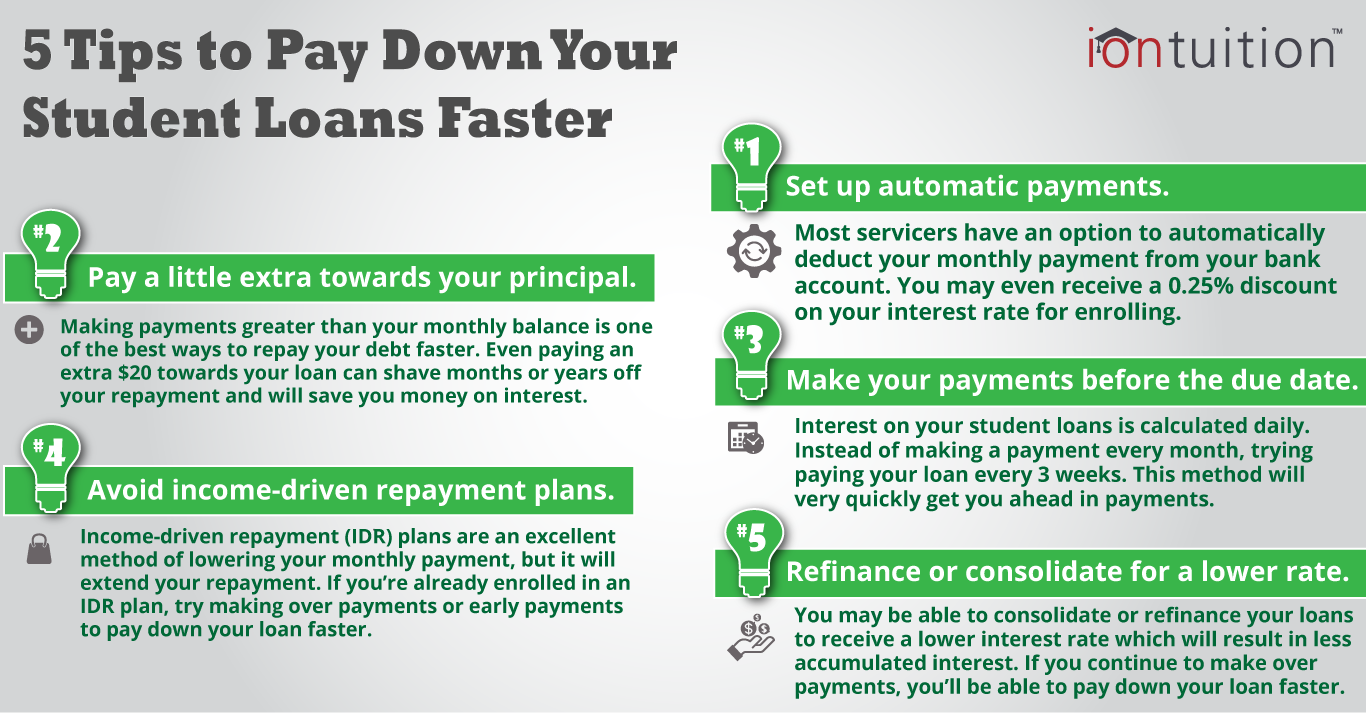
Refinancing involves taking out a new loan from a private lender to pay off your existing student loans (federal, private, or a mix). The primary goal is often to secure a lower interest rate, which can significantly reduce your monthly payment and the total cost of the loan. You can also choose a longer repayment term to lower monthly payments, though this will increase the total interest paid.
Considerations for Refinancing:
- Eligibility: Lenders typically require a good credit score (usually 670+), a stable income, and a low debt-to-income ratio. A co-signer may be necessary if you don’t meet the criteria.
- Loss of Federal Benefits: If you refinance federal loans into a private loan, you forfeit all federal benefits, including access to IDR plans, deferment/forbearance options, and potential forgiveness programs like PSLF. This is a significant trade-off to weigh carefully.
- Comparison Shopping: Obtain quotes from multiple lenders to find the best rates and terms.
Refinancing can be a powerful tool for those with strong credit who want to reduce their interest rate and simplify their payments, especially if they have high-interest private loans or do not rely on federal benefits.
Negotiating with Your Lender
While less common than with federal loans, it may be possible to negotiate with your private loan servicer, especially if you are facing severe financial hardship. Some lenders might offer temporary payment reductions, interest-only payments, or short-term forbearance options. The success of such negotiations often depends on your specific lender and the severity of your situation, so it’s always worth initiating a conversation. Be prepared to explain your financial difficulties and provide supporting documentation.
Understanding Co-signer Release Options
If your private loan has a co-signer, some lenders offer a co-signer release option after a certain number of on-time payments and if you meet their credit and income criteria. While this doesn’t directly lower your payment, it removes the co-signer’s liability, which can be a significant relief for them and potentially open up future financial opportunities.
Beyond Repayment Plans: Proactive Measures
While specific loan programs are vital, managing student loan debt also benefits from broader financial planning and proactive strategies.
Budgeting and Financial Planning
A robust personal budget is your most powerful tool for managing all debt, including student loans. By meticulously tracking your income and expenses, you can identify areas where you can cut back to free up more money for your loan payments. Even small adjustments, like reducing discretionary spending on dining out or subscriptions, can add up. A clear budget empowers you to allocate funds strategically, ensuring you meet your financial obligations and work towards your goals.
Increasing Income
Sometimes, reducing expenses isn’t enough, or there’s little left to cut. In such cases, exploring ways to increase your income can provide much-needed breathing room. This could involve:
- Side Hustles: Freelancing, gig work, or starting a small business to supplement your primary income.
- Career Advancement: Seeking a promotion, negotiating a raise, or exploring new career opportunities with higher earning potential.
- Part-time Work: Taking on additional hours or a secondary part-time job temporarily to tackle debt more aggressively.
Even a modest increase in income can significantly impact your ability to make larger payments or have more flexibility with your existing payments.
Public Service Loan Forgiveness (PSLF) and Other Forgiveness Programs
For those working in public service, PSLF can be a game-changer. If you are employed full-time by a U.S. federal, state, local, or tribal government or a qualifying non-profit organization, you may be eligible for PSLF. After making 120 qualifying monthly payments under a qualifying repayment plan (typically an IDR plan), the remaining balance on your Direct Loans may be forgiven, tax-free.
Beyond PSLF, other targeted forgiveness programs exist for specific professions (e.g., teachers, nurses, doctors in underserved areas) or for borrowers who meet certain criteria (e.g., permanent disability, school closure). It’s crucial to research these options thoroughly on StudentAid.gov or through relevant professional organizations.
Making the Right Decision and Moving Forward
Navigating the complexities of student loan repayment can be overwhelming, but you don’t have to do it alone. Making an informed decision requires careful consideration and, often, professional insight.
Seeking Professional Guidance
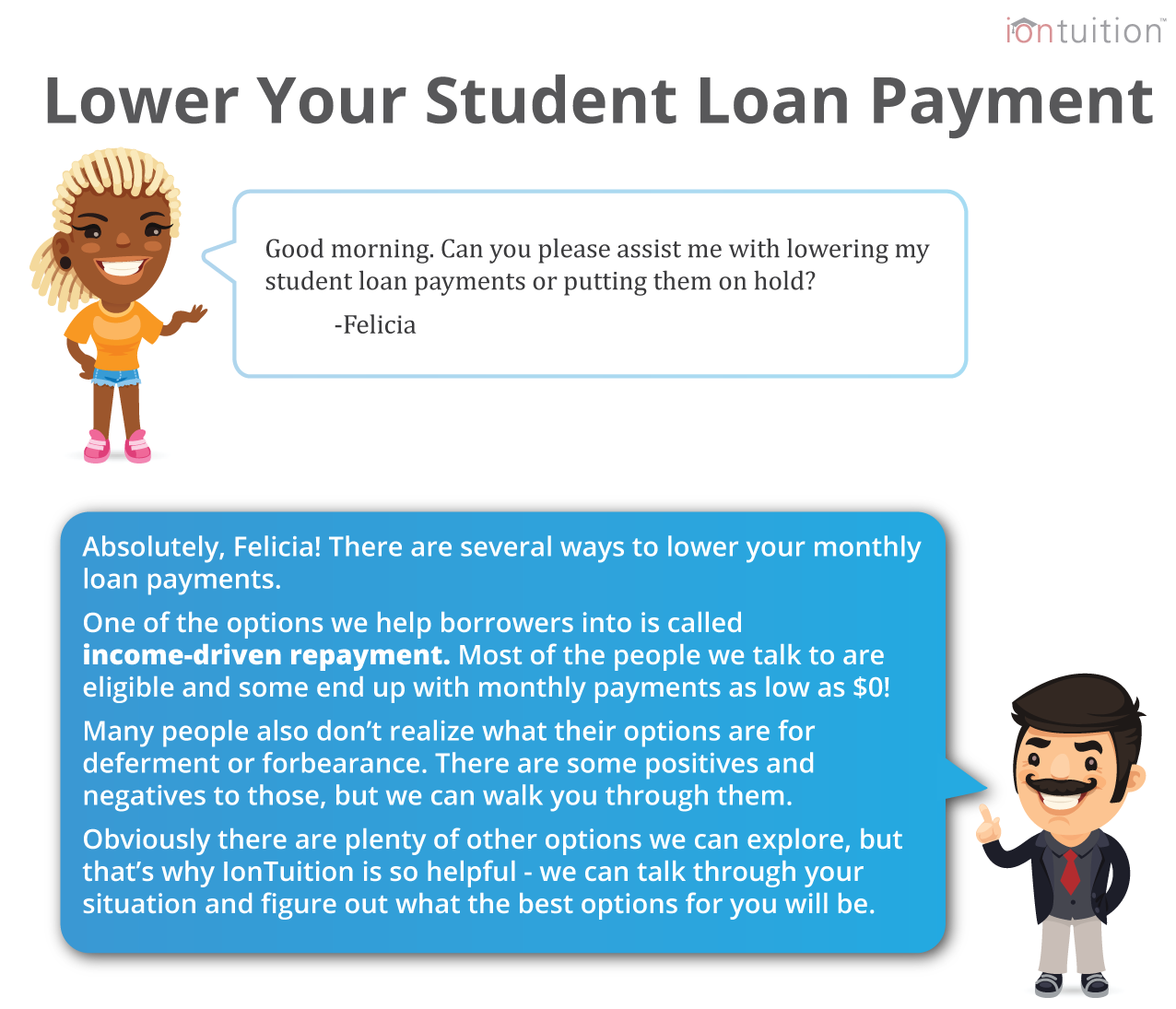
Financial advisors specializing in student loan debt can provide personalized advice based on your specific situation. They can help you understand the nuances of different repayment plans, evaluate refinancing offers, and develop a comprehensive financial strategy. Similarly, non-profit credit counseling agencies can offer guidance on budgeting and debt management. Be wary of companies that charge high fees for services you can access for free through your loan servicer or the Department of Education.
Regularly Reviewing Your Options
Your financial situation is not static. A repayment plan that works today might not be the best fit tomorrow. Review your loan options annually or whenever a significant life event occurs (e.g., job change, marriage, birth of a child, income fluctuation). You can switch IDR plans or re-evaluate refinancing opportunities as interest rates or your credit score change. Staying proactive ensures you always have the most optimal repayment strategy in place.
Avoiding Scams
Unfortunately, the student loan landscape is also rife with scams. Be extremely cautious of companies that:
- Charge upfront fees for loan consolidation or forgiveness programs.
- Promise immediate loan forgiveness without verification.
- Ask for your FSA ID password.
- Pressure you to sign up for services quickly.
Always verify information with your official loan servicer or the U.S. Department of Education (StudentAid.gov).
Conclusion
Managing student loan debt is a marathon, not a sprint. While the initial weight of high monthly payments can feel crushing, a wealth of resources and strategies are available to help you lower your burden. By understanding the distinction between federal and private loans, thoroughly exploring income-driven repayment plans, strategically considering refinancing, and implementing sound financial planning, you can significantly reduce your monthly payments and reclaim control over your financial future. Take the time to research, assess your personal circumstances, and don’t hesitate to seek expert advice. With a proactive and informed approach, you can transform the daunting challenge of student loan debt into a manageable pathway towards financial stability and freedom.
aViewFromTheCave is a participant in the Amazon Services LLC Associates Program, an affiliate advertising program designed to provide a means for sites to earn advertising fees by advertising and linking to Amazon.com. Amazon, the Amazon logo, AmazonSupply, and the AmazonSupply logo are trademarks of Amazon.com, Inc. or its affiliates. As an Amazon Associate we earn affiliate commissions from qualifying purchases.