
The narrative of Major League Soccer (MLS) is more than a simple timeline of dates and events; it is a compelling case study in brand creation, resilience, and evolution. Asking “When did MLS start?” probes into the foundational strategic decisions, the initial brand identity forged, and the early challenges overcome to establish a professional soccer league in a nation historically dominated by other sports. Born from a global mandate and nurtured through a period of significant skepticism, MLS represents a sophisticated exercise in building a robust, engaging brand from its very nascent stages.

Its genesis in the early 1990s was not just about kicking a ball; it was about designing a brand architecture that could captivate an audience, define a sport’s identity within a new cultural context, and lay the groundwork for long-term commercial viability. This article delves into the strategic brand decisions, marketing hurdles, and identity formation that characterized the birth and early years of Major League Soccer, highlighting how a vision blossomed into a recognizable and increasingly influential sports brand.
The Genesis of an Ambitious Brand: A World Cup’s Legacy
The very existence of Major League Soccer is deeply intertwined with a pivotal moment in international sports diplomacy. The United States’ successful bid to host the 1994 FIFA World Cup came with a crucial, brand-defining condition: the establishment of a Division 1 professional outdoor soccer league. This mandate was not just a bureaucratic requirement; it was the spark that ignited the challenging, yet ultimately rewarding, journey of building a national sports brand from scratch.
FIFA’s Mandate and the Birth of a Vision (1993)
The official formation of Major League Soccer occurred on December 17, 1993, a date that marks the formal commitment to fulfilling FIFA’s condition. This wasn’t merely the creation of an entity on paper; it was the conceptualization of a nascent brand designed to capitalize on the anticipated surge of interest from the World Cup. The vision was ambitious: to introduce and embed professional soccer into the American sporting landscape, creating a league that could stand alongside established giants like the NFL, NBA, and MLB.
At this stage, the MLS brand existed primarily as a promise and a strategic imperative. The challenge was immense. American professional soccer had a checkered past, marked by the rise and fall of leagues like the North American Soccer League (NASL). Learning from these prior failures was paramount. The initial branding strategy, therefore, had to focus on credibility, long-term sustainability, and a clear differentiation from its predecessors. This meant carefully crafting the league’s identity, both to satisfy international requirements and to attract domestic investment and fan interest. The early conversations revolved around structure, rules, and market positioning—all fundamental elements of brand architecture.
The Incubation Period: From Concept to Kick-off (1993-1996)
The period between the league’s formation in late 1993 and its inaugural season in the spring of 1996 was a critical “incubation phase” for the MLS brand. This was where the abstract concept began to take tangible form. Key branding decisions were made, including the initial league logo design, which aimed for a modern, dynamic feel, and the selection of the initial ten markets. Each chosen market represented a strategic branding decision, based on demographics, existing soccer communities, and potential for growth.
Crucially, this phase involved developing the league’s unique business model: a single-entity structure. This structure, where the league owns all teams and player contracts, was a deliberate strategy to control costs, ensure financial stability, and project a unified brand image. It was an attempt to avoid the ruinous financial competition that plagued previous leagues. While perhaps less glamorous than individual club rivalries, this structural branding communicated stability and a long-term vision—a powerful message for investors and fans wary of past failures. During these years, the nascent MLS brand was quietly being built, brick by strategic brick, preparing for its grand unveiling.
Forging an Identity: Early Branding Strategies and Challenges
Launching MLS into the highly competitive American sports market required a sophisticated and adaptive branding strategy. The league faced the dual challenge of introducing a sport not traditionally considered “major” in the U.S. and overcoming skepticism born from past league failures.
Navigating a Skeptical Market: Initial Perception and Positioning
The primary branding hurdle for MLS was the prevailing perception of soccer in America. Often viewed as a “kids’ sport” or a foreign pastime, it lacked the deep cultural roots and fan loyalty enjoyed by football, basketball, and baseball. The early MLS brand strategy, therefore, had to be multifaceted:
- Legitimization: Positioning MLS as a top-tier professional league, on par with global standards, yet uniquely American. This involved signing internationally recognized stars (e.g., Valderrama, Etcheverry) alongside promising domestic talent.
- Accessibility: Making the sport understandable and engaging for a new audience. This led to certain rule modifications, though many were later reverted.
- Aspiration: Cultivating an image of excitement, dynamism, and modernity. The league’s early marketing campaigns aimed to showcase the athleticism and skill involved, challenging preconceived notions.
The positioning was crucial. MLS couldn’t simply mimic European leagues; it needed to carve out its own niche. It aimed to be a fast-paced, high-energy spectacle, distinct from the sometimes slower, more tactical European game that many Americans were unfamiliar with. This strategic positioning was a critical element in developing its initial brand identity.
Unique Selling Propositions: Rules, Rosters, and Fan Engagement
To differentiate itself and attract an audience, MLS initially experimented with several unique selling propositions (USPs) that significantly influenced its early brand identity. These included:
- Shootouts for tied games: This was a conscious effort to eliminate draws and ensure a definitive winner, appealing to an American sports culture that prized decisive outcomes. While controversial among soccer purists, it was a brand differentiator.
- Countdown clock: Another attempt to make the game more accessible and familiar to American viewers accustomed to countdowns in basketball and football.
- Single-entity structure: As discussed, this was a core operational brand element designed to ensure financial stability and foster collaborative growth among teams.
- Designated Players (later introduced): Though not at the very start, the initial roster strategy involved a mix of international flair and domestic talent, attempting to bridge the gap between global appeal and local connection.
These early choices, while some were temporary, were deliberate attempts to brand MLS as innovative and tailored to the American audience. They communicated a league willing to adapt and experiment to create an exciting product, distinguishing it from purely traditional soccer offerings. Fan engagement strategies also focused on community involvement and accessible pricing, aiming to build loyalty from the ground up.
Building Local Brands: The Foundation of Franchises
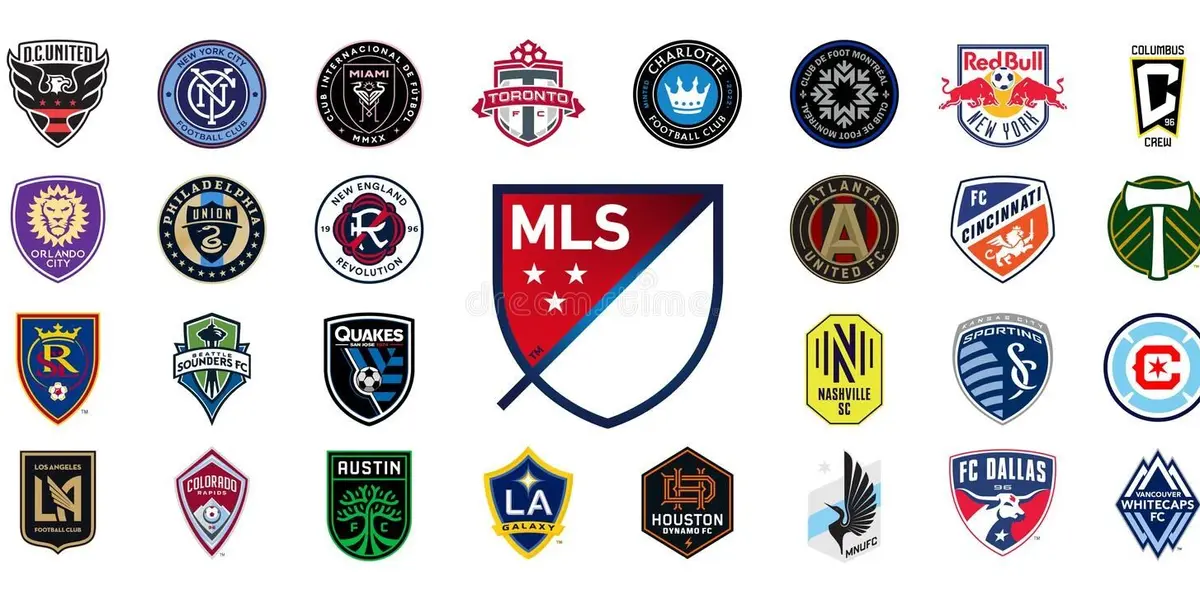
While MLS was established as a national brand, its success hinged on the strength of its local franchises. Each of the initial ten teams—such as the LA Galaxy, D.C. United, and Columbus Crew—had to develop its own distinct brand identity. This involved creating compelling team names, logos, colors, and marketing narratives that resonated with their local fan bases.
The league’s role was to provide the overarching brand framework, but the teams were the primary touchpoints for fans. Investing in strong local branding for each franchise was a crucial strategy for MLS. D.C. United, for example, quickly established a winning brand early on, drawing fans and building a loyal following through on-field success. The Columbus Crew cultivated an underdog, working-class brand, connecting deeply with its community. This decentralized branding approach allowed for diverse identities to flourish under the unified MLS umbrella, creating a rich tapestry of local loyalties that fueled the national brand’s growth.
The Brand’s First Kick: Launching in 1996
The culmination of years of planning and strategic branding came to fruition on April 6, 1996, when Major League Soccer officially kicked off its inaugural season. This was the moment the MLS brand transitioned from concept to reality, facing the ultimate test of public acceptance and market viability.
The Inaugural Season: First Impressions and Media Presence
The inaugural match between the San Jose Clash and D.C. United marked a significant milestone. The first impressions were critical for the MLS brand. The league worked hard to secure television broadcast deals, initially with ESPN and ABC, to ensure national visibility. The presentation of the game, the commentary, and the overall broadcast quality were all vital components of establishing the brand’s professional image.
Attendance figures for the first season, averaging around 17,000 per game, were encouraging, surpassing initial expectations in many markets. This demonstrated that there was indeed an appetite for professional soccer. The media coverage, while often cautious, highlighted the novelty and potential of the league. The challenge was to maintain this initial momentum and convert curious spectators into loyal, long-term brand advocates. The league’s marketing efforts focused on showcasing the excitement and athleticism of the game, using high-impact visuals and relatable narratives to draw viewers in.
Early Brand Ambassadors: Players and Personalities
Key to any sports brand’s appeal are its athletes. MLS understood this early on. While the league couldn’t initially compete with European giants for global superstars, it strategically signed a mix of established international players nearing the end of their careers (who brought recognition and skill) and promising American talent (who offered local connection and future potential). Players like Carlos Valderrama, Roberto Donadoni, and Marco Etcheverry became early brand ambassadors, lending credibility and star power to the fledgling league.
Their distinctive playing styles and personalities helped shape the early perception of MLS as a league with flair and excitement. Simultaneously, developing American stars like Alexi Lalas and Cobi Jones provided domestic heroes for fans to rally behind, further embedding the brand within the national consciousness. These players were not just athletes; they were the living embodiment of the MLS brand, communicating its values and generating emotional connections with the audience.
Overcoming Initial Hurdles: Resilience in Brand Development
The inaugural season was not without its challenges. While attendance was solid, financial stability remained a concern for many franchises. Some of the experimental rules, while intended to be unique selling propositions, were met with mixed reactions and often criticized by traditional soccer fans. The brand had to be resilient and adaptable.
The league demonstrated this resilience by actively listening to feedback and making strategic adjustments. The eventual phasing out of shootouts and the countdown clock, for example, signaled a willingness to evolve and align more closely with global soccer norms while retaining a unique American flavor. This adaptability was a crucial aspect of the brand’s early development, showing that it was not rigid but responsive, capable of learning and refining its identity based on market feedback and strategic insights. It showed a maturing brand, not afraid to pivot.
Evolving the Brand: Adaptability and Growth
The early years post-1996 were a period of significant learning and strategic evolution for the MLS brand. Recognizing that initial strategies needed refinement, the league embarked on a journey of continuous adaptation, transforming its identity and operational model to ensure long-term success.
Strategic Rebranding: Learning from Early Lessons
One of the most significant shifts in the MLS brand strategy was a move away from some of its more “Americanized” rules and towards a more traditional soccer format. This strategic rebranding recognized that while novelty might draw initial interest, authenticity was crucial for long-term credibility and attracting purist fans. The gradual elimination of shootouts and the countdown clock were powerful signals that the league was maturing and aligning itself more closely with the global footballing community, while still retaining its distinct identity.
Furthermore, the league began to refine its visual identity, eventually leading to more modern and consistent branding across teams and the league itself. The focus shifted from merely attracting casual sports fans to cultivating a dedicated soccer culture, appealing to both existing soccer enthusiasts and new converts. This re-calibration of the brand’s core message was instrumental in its sustained growth.
The Stadium Strategy: Cementing a Physical Brand Presence
Perhaps the most transformative branding decision in MLS history was the commitment to building soccer-specific stadiums. The early years saw teams playing in large, often cavernous American football stadiums, which created a sparse atmosphere and diluted the matchday experience. This was a major brand weakness.
The opening of Columbus Crew Stadium (now Historic Crew Stadium) in 1999 as the first purpose-built soccer venue marked a turning point. This strategy was a bold investment in the brand’s physical infrastructure. Soccer-specific stadiums fostered an intimate, electric atmosphere, creating a distinct “home-field advantage” and a richer fan experience. They became tangible symbols of the MLS brand’s dedication to the sport, solidifying its identity and providing dedicated spaces for soccer culture to flourish. These venues served as anchors for team brands and physical manifestations of the league’s commitment.
Expansion as Brand Growth: Reaching New Markets
From its initial ten teams, MLS has systematically expanded its footprint, a strategic move that reflects both commercial growth and brand strengthening. Each new expansion team is not just a new franchise; it’s a carefully considered extension of the MLS brand into a new market. The selection process involves assessing market potential, fan engagement, and the financial stability of ownership groups.
The success of expansion teams like Seattle Sounders FC, Portland Timbers, and Atlanta United FC demonstrates the power of this strategy. These teams have not only brought new fans into the fold but have also introduced innovative marketing, vibrant supporter cultures, and significant on-field success, thereby enriching and diversifying the overall MLS brand. Expansion has allowed the brand to reach new demographics, cultivate regional rivalries, and cement its position as a truly national league across the United States and Canada.
The Enduring MLS Brand: A Testament to Vision
From a conditional requirement for a World Cup bid, Major League Soccer has evolved into a formidable sports brand, recognized globally and commanding a growing following across North America. Its journey from a hopeful vision to a thriving entity is a powerful testament to strategic branding, adaptability, and unwavering commitment.
Cultivating a Distinct Soccer Culture
One of the most significant achievements of MLS’s brand strategy has been its success in cultivating a distinct soccer culture in North America. This culture is a blend of traditional global soccer passion, American sports entertainment, and local community pride. It’s visible in the vibrant supporter groups, the emphasis on youth development, the growing media coverage, and the increasing mainstream acceptance of the sport. The MLS brand is now synonymous with a dynamic, accessible, and increasingly sophisticated soccer experience. It has successfully created an identity that is both authentic to the sport and uniquely American.

Global Recognition and Future Trajectory
Today, MLS is a respected league on the international stage, regularly attracting top talent and sending players to major European clubs and national teams. Its brand strength is evident in its escalating franchise values, expanding broadcast agreements, and strong corporate partnerships. The league’s presence in major global tournaments, such as the upcoming 2026 FIFA World Cup which the U.S. will co-host, further elevates its international profile.
The story of “When did MLS start?” is a saga of strategic brand building. From its formal inception in 1993 and its inaugural kick-off in 1996, the league has continuously refined its identity, adapted its strategies, and invested in its future. It exemplifies how a brand can overcome skepticism, learn from its past, and evolve to not only survive but thrive, becoming a prominent fixture in the competitive landscape of professional sports. The MLS brand is not just about soccer games; it’s about a growing movement, a cultural phenomenon, and a powerful testament to visionary brand development.
aViewFromTheCave is a participant in the Amazon Services LLC Associates Program, an affiliate advertising program designed to provide a means for sites to earn advertising fees by advertising and linking to Amazon.com. Amazon, the Amazon logo, AmazonSupply, and the AmazonSupply logo are trademarks of Amazon.com, Inc. or its affiliates. As an Amazon Associate we earn affiliate commissions from qualifying purchases.