
Major League Soccer (MLS) has steadily grown from a nascent league in 1996 to a prominent fixture in the North American sports landscape. A foundational aspect of any sports league’s identity, and thus its brand, is the structure and length of its competitive season. The question “how many games are in an MLS season?” goes beyond a simple numerical answer; it delves into the strategic decisions that shape the league’s brand offering, fan engagement, competitive balance, and overall market perception.
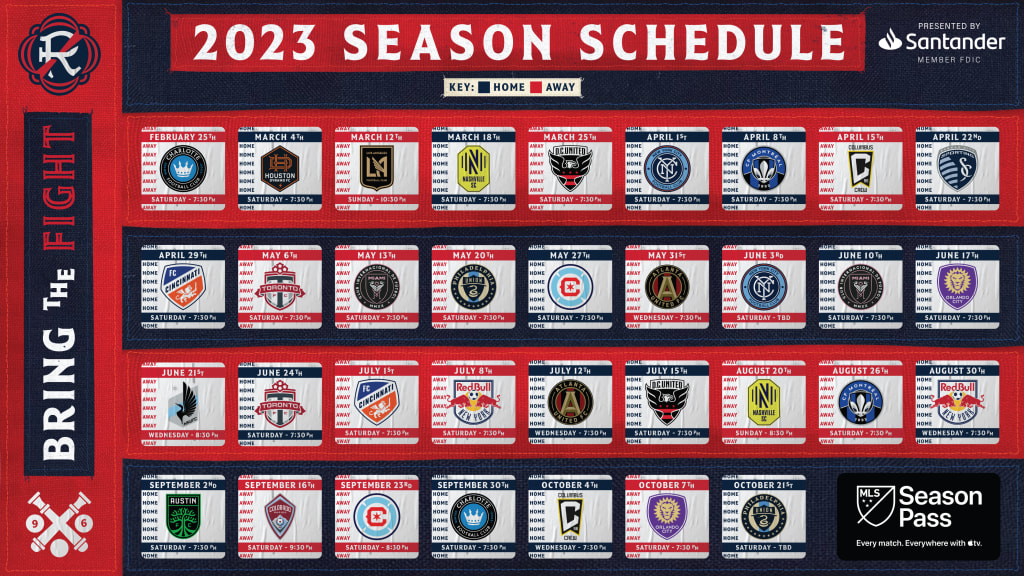
For the vast majority of its existence, and specifically in its current iteration, an MLS team plays 34 regular season games. This figure, while seemingly straightforward, is a carefully calibrated component of the MLS brand strategy, designed to optimize for fan experience, athlete performance, media rights value, and the unique competitive environment of North American professional soccer. Understanding this number, and the broader context of additional competitions, is crucial to comprehending the sophisticated branding efforts that underpin MLS’s trajectory.
The Core Offering: The 34-Game Regular Season as a Brand Foundation
The 34-game regular season is the bedrock upon which the MLS brand is built. It represents the primary product offering that the league presents to its audience, dictating the rhythm of fan engagement, the competitive narrative, and the endurance test for its clubs and players. This number isn’t arbitrary; it’s a strategic choice with profound implications for the league’s identity and market positioning.
Consistency, Engagement, and Fan Loyalty
A consistent season length fosters predictability and allows for the cultivation of fan loyalty. For the MLS brand, 34 games provide a substantial window for supporters to connect with their teams, track progress, and experience the highs and lows of a competitive campaign. This regular engagement is vital for building a robust brand community. Each match offers an opportunity for direct interaction – whether through in-stadium attendance, broadcast viewership, or digital content consumption. The consistent weekly schedule ensures that MLS remains top-of-mind for sports enthusiasts, competing for attention in a crowded North American sports market.
Moreover, the cadence of 34 games, typically spanning from late February/early March to mid-October, aligns with seasonal consumer habits and allows the league to establish a strong presence during key periods. This extended engagement period helps solidify the MLS brand as a continuous presence, rather than a fleeting event, encouraging deeper emotional investment from its fanbase. The brand promise of consistent, high-stakes competition is delivered through this carefully structured season.
Defining Competitive Narrative and Brand Identity
The number of games also plays a critical role in defining the competitive narrative and, by extension, the brand identity of MLS. Thirty-four games strike a balance: it’s long enough to ensure that the best teams rise to the top through sustained performance, but not so long that individual games lose significance or that player burnout becomes an overwhelming brand detractor. Every result contributes to the overall standings, shaping the playoff picture and feeding the weekly discussions among fans and media.
This structure allows for compelling storylines to unfold over several months: underdog tales, rivalries intensifying, and the drama of the playoff race. These narratives are powerful branding tools, creating a dynamic and engaging league experience. The “Journey to MLS Cup” brand tagline, for instance, is made meaningful by the arduous 34-game trek teams must undertake to even qualify for the postseason. The inherent competitiveness fostered by this schedule underscores the league’s brand identity as a serious, professional soccer entity committed to on-field excellence. It also provides ample opportunities for individual player brands to emerge and flourish, adding another layer of appeal to the overarching MLS brand.
Expanding the Brand Experience: Playoff Drama and International Integration
While the 34-game regular season forms the core, the MLS brand experience extends significantly beyond it through various post-season and inter-league competitions. These additional fixtures are critical brand extensions, elevating the league’s profile, generating new narratives, and connecting MLS to the broader global soccer ecosystem.
MLS Cup Playoffs: Elevating the Brand Through High Stakes
The MLS Cup Playoffs represent a dramatic shift in brand intensity. After the marathon of the regular season, the playoffs transform the brand experience into a high-stakes sprint, where every match is a do-or-die affair. This knockout format is a deliberate branding choice, echoing the excitement and unpredictability often associated with cup competitions worldwide. It creates immediate, compelling drama that captivates audiences and amplifies media attention.
The journey culminates in the MLS Cup, a single-game final that serves as the league’s ultimate brand showcase. The excitement, the packed stadiums, the global viewership – all contribute to reinforcing the MLS brand as a producer of thrilling, championship-level soccer. The iconography associated with the MLS Cup itself, from its design to the celebrations of the winning team, becomes a powerful symbol of aspiration and achievement, further cementing the league’s brand equity. This “championship moment” is a powerful emotional touchpoint for fans and a key differentiator in the crowded North American sports landscape.
Leagues Cup and CONCACAF: Globalizing the MLS Brand
Beyond its internal competitions, the MLS brand strategy actively seeks international integration through tournaments like the Leagues Cup and the CONCACAF Champions Cup. The Leagues Cup, a joint venture between MLS and Mexico’s Liga MX, is a particularly potent brand initiative. By pitting MLS clubs against their Mexican counterparts, the tournament leverages a passionate rivalry and taps into a massive, bi-national fanbase. This not only expands MLS’s market reach but also challenges perceptions of its competitive level against an established and respected league like Liga MX. It positions MLS as a key player in North American soccer, rather than an isolated entity.
Participation in the CONCACAF Champions Cup further elevates the MLS brand on the continental stage. Competing against teams from across North, Central America, and the Caribbean provides MLS clubs with opportunities to win regional silverware and qualify for the prestigious FIFA Club World Cup. These international excursions are invaluable for brand building, demonstrating the league’s ambition, and showcasing its talent pool to a wider global audience. Success in these tournaments validates the quality of MLS as a brand, attracting new fans and investors alike. The number of games an MLS team plays can therefore vary significantly based on their success in these additional competitions, adding layers of complexity and opportunity to the league’s brand narrative.
Strategic Considerations: Game Volume, Player Welfare, and Brand Perception
The strategic decision behind the total volume of games played by MLS teams – from the core 34 regular season matches to potential deep runs in playoffs and international tournaments – is a complex balancing act with direct implications for the league’s brand perception. It involves weighing the desire for market presence and revenue generation against the imperative of player welfare and maintaining competitive quality.
Balancing Brand Reach with Athlete Sustainability
More games generally mean more opportunities for brand exposure, higher broadcast rights value, and increased ticket revenue. However, an excessive number of matches can lead to player fatigue, increased injury rates, and a diluted quality of play, all of which can negatively impact the MLS brand. The league operates in a sport where players are often called upon for international duty, adding further strain to their schedules.
The MLS brand therefore faces the challenge of maximizing its product offering without compromising the health and performance of its most valuable assets: its athletes. A brand that is perceived as caring for its players and producing high-quality, energetic soccer will resonate more strongly with fans and potential talent. This involves careful scheduling, managing travel demands across a continent, and investing in sports science and player recovery. The optimal number of games, including consideration for domestic and international cup runs, is continuously evaluated to ensure the long-term sustainability and attractiveness of the MLS brand. It’s a testament to a mature brand strategy that recognizes the intertwined nature of entertainment value and athlete well-being.
Market Saturation vs. Sustained Engagement
Another key consideration is the potential for market saturation. In a crowded North American sports landscape, offering too many games could lead to fan fatigue or dilute the impact of individual matches. The 34-game season, coupled with strategically placed playoff matches and inter-league tournaments, aims to provide a consistent, engaging product without overwhelming the audience.
The MLS brand seeks to maintain a sense of anticipation and event status around its matches. Each game, especially within the regular season, needs to feel significant enough to draw viewership and attendance. By calibrating the number of games, MLS can control the narrative, ensuring that the brand remains fresh and exciting. This strategic approach prevents oversaturation and helps maintain the premium value associated with live sporting events, crucial for a league that is still actively building its brand identity in various markets. The goal is sustained engagement, not just sheer volume, reflecting a sophisticated understanding of consumer behavior in the entertainment sector.
The Evolving MLS Brand: Expansion, Innovation, and Future Game Formats
The MLS brand is not static; it is a dynamic entity continuously evolving through expansion, technological integration, and a willingness to innovate its competitive formats. The question of “how many games” may itself change in the future, driven by strategic objectives tied directly to brand growth and market leadership.
Maintaining Brand Equity Amidst Rapid Growth
MLS has been on an aggressive expansion path, adding numerous teams over the past decade. Each new team represents a new market, new fans, and a new opportunity to strengthen the overall MLS brand. However, expansion also brings complexities, particularly regarding scheduling and competitive balance. As the league grows in size, maintaining a consistent 34-game schedule across all teams requires careful logistical planning, especially when considering disparate geographical locations.
The brand challenge is to ensure that expansion enhances, rather than dilutes, the league’s core identity. A well-managed expansion ensures that new teams quickly become integral parts of the league’s competitive fabric and contribute positively to the MLS brand story. This involves careful market selection, robust ownership groups, and a commitment to competitive integrity. The league’s ability to seamlessly integrate new franchises while maintaining a compelling schedule speaks volumes about its organizational strength and its sophisticated approach to brand management.
Leveraging Data and Technology for Brand Enhancement
The future of the MLS brand, and potentially its game schedule, will undoubtedly be influenced by data analytics and technological advancements. The league increasingly uses data to understand fan preferences, optimize scheduling, and enhance the broadcast experience. This data-driven approach allows MLS to make informed decisions about game times, geographical pairings, and even potential format adjustments that could further strengthen its brand.
For example, understanding travel fatigue through analytics could inform future adjustments to the 34-game schedule or the distribution of mid-week matches. Technologies that enhance viewership, such as advanced statistical overlays or virtual reality experiences, could make each of the 34 games even more engaging, thereby boosting the brand’s perceived value. By embracing innovation, MLS ensures its brand remains modern, relevant, and appealing to a technologically savvy audience.

The Future of the MLS Brand Schedule: A Strategic Vision
While the 34-game regular season has been a cornerstone, the MLS brand is always open to strategic adjustments that can further its objectives. Discussions around potential changes, such as modifying the number of regular-season games, expanding international competitions, or even integrating new competitive formats, are part of the league’s long-term brand vision.
Any future alteration to the number of games in an MLS season will be the result of careful strategic consideration, driven by the desire to enhance fan experience, optimize revenue streams, ensure player welfare, and ultimately elevate the MLS brand to new heights. The consistent question, “how many games are in an MLS season?”, is therefore more than a simple query about statistics; it’s an ongoing dialogue about the strategic architecture of a growing and ambitious sports brand. The league’s ability to adapt while maintaining its core brand promise will be key to its continued success on the global stage.
aViewFromTheCave is a participant in the Amazon Services LLC Associates Program, an affiliate advertising program designed to provide a means for sites to earn advertising fees by advertising and linking to Amazon.com. Amazon, the Amazon logo, AmazonSupply, and the AmazonSupply logo are trademarks of Amazon.com, Inc. or its affiliates. As an Amazon Associate we earn affiliate commissions from qualifying purchases.