
In the intricate world of real estate, efficiency, transparency, and data access are paramount. At the heart of this operational ecosystem for property transactions lies a powerful, yet often misunderstood, technological construct: the Multiple Listing Service, or MLS. Far more than just a list of homes for sale, an MLS is a highly organized, cooperative database and software platform designed to facilitate the sharing of information among real estate professionals. It is the digital bloodstream of the real estate industry, enabling brokers and agents to seamlessly exchange details about properties, collaborate on sales, and serve their clients with unprecedented accuracy and speed.
From a technological standpoint, the MLS is a marvel of distributed data management and standardized information architecture. It underpins virtually every residential real estate transaction in North America, acting as the centralized nervous system that connects countless buyers and sellers through their respective agents. Understanding “what is an MLS” requires delving into its technological underpinnings, its evolution from rudimentary beginnings to a sophisticated digital powerhouse, and its pivotal role in the modern real estate tech stack. This article will explore the MLS through the lens of technology, examining its core components, its journey of digital transformation, and its future at the frontier of real estate innovation.
The Technological Backbone of Real Estate
At its core, an MLS is a complex information system. It’s not a single national entity, but rather a collection of hundreds of regional databases, each serving a specific geographical area and adhering to local rules and regulations. Despite this localized structure, the fundamental technological principles that govern their operation are remarkably consistent, creating a robust framework for an industry built on data.
A Centralized Data Repository
The primary technological function of an MLS is to serve as a centralized, authoritative database for property listings. Imagine a vast digital warehouse where every piece of information about a property for sale – from its address and square footage to its number of bedrooms, lot size, and even the nuances of its architectural style – is meticulously stored and categorized. This repository isn’t just a simple spreadsheet; it’s a sophisticated relational database designed to handle immense volumes of structured data.
Each listing entered into an MLS system is a data record, enriched with numerous fields that describe the property in detail. This ensures consistency and comparability across listings, allowing for precise searches and comprehensive market analysis. The technological challenge lies in not only storing this data securely but also in ensuring its accuracy, integrity, and real-time availability. Data entry protocols, validation checks, and update mechanisms are critical technical features that maintain the MLS as the “single source of truth” for active real estate listings.
Facilitating Information Exchange
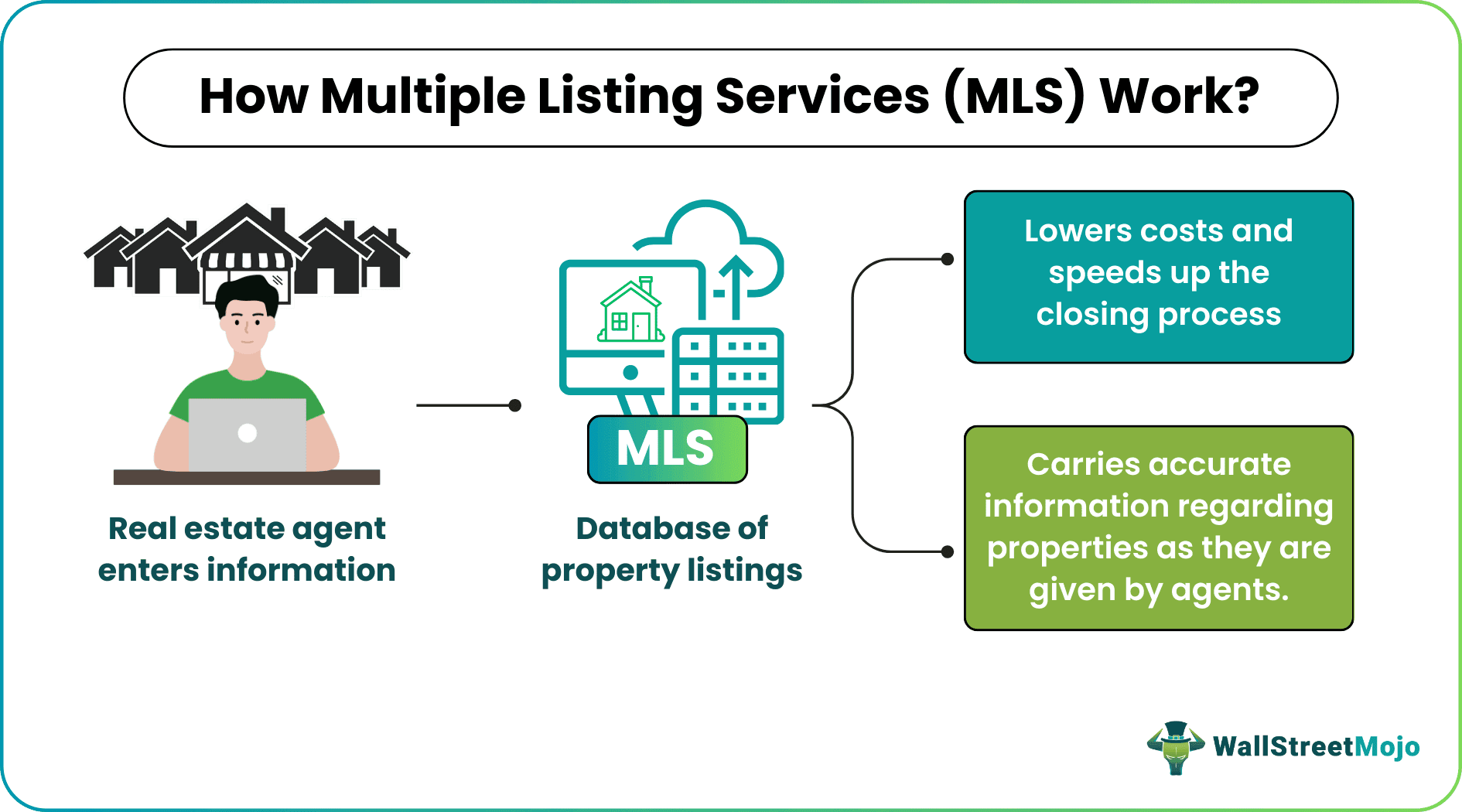
Beyond mere storage, the MLS excels in facilitating the exchange of this critical property information. Historically, this exchange was manual, involving paper listings and phone calls. Today, it’s a high-speed digital symphony. When an agent lists a property, the details are entered into their local MLS database. This information is then immediately available to all other member agents and brokers within that MLS.
This immediate sharing is powered by robust networking infrastructure and proprietary software platforms. Agents can search, filter, and analyze listings using advanced algorithms, instantly matching client needs with available properties. The system also enables secure communication channels, allowing agents to schedule showings, submit offers, and track the status of transactions within a semi-closed environment. This technological setup fosters a cooperative environment among competing brokers, ensuring that properties gain maximum exposure to potential buyers, thereby benefiting both sellers and buyers by speeding up transactions and often achieving better market prices. The seamless information flow is a testament to the underlying technology’s design for collaborative efficiency.
Evolution of the MLS: From Paper to Pixels
The journey of the Multiple Listing Service is a compelling narrative of technological adaptation and innovation. What began as a rudimentary concept has transformed into a sophisticated digital ecosystem, reflecting the broader technological shifts that have reshaped nearly every industry.
Early Iterations: The Analogue Age
The roots of the MLS can be traced back to the late 19th century, predating the digital age by nearly a century. Early real estate boards realized the benefit of pooling information. In those nascent days, an “MLS” might have been as simple as a group of brokers meeting in an office, sharing their current inventory of listings, and agreeing to cooperate on sales and commissions. These early systems relied entirely on physical documents – index cards, binders, and printed directories – which were cumbersome to update and distribute.
Information was static and geographically limited. An agent looking for properties outside their immediate circle would have to rely on word-of-mouth, mail, or direct visits to other offices. The inefficiencies were rampant: slow information dissemination, limited exposure for properties, and a fragmented market where opportunities were often missed due to a lack of centralized data access. Yet, even in this analogue form, the cooperative spirit laid the groundwork for the technological revolution that would follow.
The Digital Transformation
The advent of computing technology in the latter half of the 20th century marked the beginning of the MLS’s true digital transformation. Early computer mainframes and later, personal computers, allowed for the digitization of listing data. This meant faster input, easier searching, and more consistent formatting. However, these early digital systems were often standalone and lacked the connectivity we now take for granted.
The real game-changer was the internet. With the widespread adoption of the World Wide Web in the 1990s, MLS systems rapidly migrated online. This shift from local desktop applications to web-based platforms revolutionized data accessibility. Agents could now access the MLS from anywhere with an internet connection, breaking down geographical barriers and dramatically increasing the speed of information flow. The internet also paved the way for integration with other digital tools and the ability to syndicate listings to public-facing websites, significantly expanding a property’s reach. This period saw the development of more complex database management systems, robust server infrastructures, and the first iterations of user-friendly interfaces for real estate professionals.
Modern MLS Platforms: Features and Functionality
Today’s MLS platforms are highly sophisticated pieces of software, offering a suite of features that go far beyond basic listing searches. They are engineered to be comprehensive tools that empower agents throughout the entire sales cycle.
Key technological functionalities include:
- Advanced Search & Filtering: Intricate search algorithms allow agents to pinpoint properties based on dozens of criteria, from specific architectural styles to school districts and commute times.
- Mapping Integration: Seamless integration with geographic information systems (GIS) allows for interactive map searches, boundary overlays, and proximity analysis.
- Customer Relationship Management (CRM) Lite Features: Many MLS platforms include tools for managing client preferences, tracking communications, and setting up automated alerts for new listings.
- Virtual Tour & Media Hosting: Direct integration for embedding high-resolution photos, 3D virtual tours, and drone videography, enhancing the visual presentation of properties.
- Mobile Accessibility: Dedicated mobile apps and responsive web designs ensure agents can access and manage listings, communicate with clients, and conduct market research on the go.
- Analytics and Reporting: Robust reporting tools provide agents with market statistics, comparable sales data, and trend analysis, crucial for pricing properties accurately and advising clients effectively.
- Secure Document Management: Features for uploading, sharing, and e-signing transaction documents, streamlining the paperwork process.
These advanced capabilities demonstrate how modern MLS platforms are not just data repositories, but dynamic, interactive software environments that leverage the latest in web and mobile technology to provide unparalleled service to real estate professionals.
Key Technological Components and Standards
The effectiveness and interoperability of MLS systems are largely dependent on their underlying technological architecture and the adherence to industry-wide data standards. These technical specifications ensure that data can flow smoothly not only within an MLS but also between different systems and platforms.

Database Architecture and Data Integrity
The backbone of any MLS is its database architecture. These systems typically employ complex relational databases (e.g., SQL-based) designed to handle large volumes of structured data with high availability and reliability. The architecture must support concurrent access by thousands of users, ensuring that updates are processed in real-time and searches return accurate, up-to-the-minute results.
Crucially, maintaining data integrity is a paramount technical challenge. This involves implementing rigorous validation rules at the point of data entry, establishing audit trails for changes, and employing robust backup and recovery mechanisms. Technologies like database replication and distributed ledger systems (though not yet mainstream in MLS, discussed later) are areas of continuous exploration to enhance resilience and trustworthiness. Poor data quality can lead to misinformed decisions, legal disputes, and a loss of trust, highlighting the critical role of sophisticated database management in MLS operations.
Data Standards: RETS and RESO
One of the greatest technological triumphs in the MLS ecosystem has been the development and adoption of standardized data formats. Without these, every MLS would speak a different “language,” making it nearly impossible for third-party applications or even other MLS systems to consume and utilize the data.
-
RETS (Real Estate Transaction Standard): For many years, RETS was the primary technical standard that enabled data exchange between MLS systems and third-party applications (like agent websites, CRMs, or IDX feeds). RETS defined a set of rules and protocols for how real estate data should be queried, retrieved, and updated. While powerful, RETS was often criticized for its complexity and the potential for variations in implementation across different MLS vendors.
-
RESO (Real Estate Standards Organization): RESO has emerged as the modern successor and a more comprehensive standard for real estate data. RESO focuses on standardizing the payload of the data itself – the fields, values, and definitions – rather than just the transport mechanism. Its core product, the RESO Data Dictionary, provides a common vocabulary for real estate data, ensuring that “beds” means the same thing whether the listing comes from California or Florida. RESO also promotes the Web API standard, a more modern, efficient, and easier-to-implement way to access MLS data compared to RETS. By mandating RESO compliance, the industry is moving towards true plug-and-play interoperability, significantly reducing development costs for third-party vendors and fostering innovation.
APIs and Third-Party Integrations
The widespread adoption of APIs (Application Programming Interfaces) is another crucial technological aspect of modern MLS systems. APIs allow different software applications to communicate with each other, exchanging data and functionality programmatically. For MLS, APIs are vital for:
- IDX (Internet Data Exchange) Feeds: These APIs allow brokers and agents to display MLS listings directly on their personal websites, creating powerful lead generation tools. This requires careful technical implementation to ensure data freshness and compliance with MLS rules.
- CRM Integration: MLS data can be pushed into Customer Relationship Management (CRM) systems, allowing agents to track client interactions, manage leads, and automate marketing campaigns based on real-time listing information.
- Marketing Platforms: Data integration with social media schedulers, email marketing tools, and virtual tour platforms streamlines the marketing efforts for new listings.
- Valuation Tools: Integration with automated valuation models (AVMs) and appraisal software helps agents and appraisers leverage current MLS data for property valuations.
This interconnected web of APIs transforms the MLS from a standalone database into a central hub within a broader real estate tech ecosystem, fostering innovation and extending its utility far beyond its original scope.
The MLS in the Modern Digital Ecosystem
The technological impact of the MLS extends far beyond its internal operations, shaping the tools and strategies employed by real estate professionals and influencing the broader digital landscape of the industry.
Empowering Real Estate Professionals with Tech Tools
For real estate agents and brokers, the MLS is the indispensable power tool in their digital arsenal. It empowers them to:
- Conduct Advanced Market Research: Agents can quickly pull up comparable sales (comps) to help sellers price their homes competitively and advise buyers on fair offer prices. The data analytics features allow them to identify market trends, hot neighborhoods, and investment opportunities.
- Streamline Client Management: By setting up saved searches and automated alerts within the MLS, agents can ensure their clients are the first to know about properties that match their specific criteria, providing a highly personalized and efficient service.
- Enhance Property Marketing: With integrated tools for virtual tours, professional photography, and direct syndication to online portals (often via IDX feeds), agents can market properties more effectively and reach a wider audience.
- Facilitate Collaboration: The MLS provides a secure, structured environment for agents to cooperate on transactions, schedule showings, and exchange information, leading to smoother and faster closings.
Essentially, the MLS leverages technology to transform agents into highly informed, efficient, and responsive professionals, capable of navigating a complex market with precision.
Data Security and Privacy Concerns
With great data comes great responsibility, and the MLS, holding vast amounts of sensitive property and personal data, faces significant cybersecurity and privacy challenges. Technically, MLS systems must implement robust security protocols to protect against unauthorized access, data breaches, and cyber-attacks. This includes:
- Encryption: Encrypting data both in transit and at rest to prevent interception.
- Access Control: Implementing role-based access controls to ensure that only authorized individuals can view or modify specific types of data.
- Multi-Factor Authentication (MFA): Adding layers of security to user logins to prevent unauthorized account access.
- Regular Security Audits: Continuously testing systems for vulnerabilities and implementing patches.
- Compliance with Data Privacy Regulations: Adhering to regulations like GDPR or CCPA where applicable, which dictate how personal data must be handled and protected.
The MLS also plays a critical role in controlling how its data is used downstream, particularly concerning public display via IDX feeds. Rules govern what data can be shown, how current it must be, and how it can be cached, all designed to protect the integrity of the information and the privacy of sellers. The ongoing battle against data scraping and unauthorized data use is a constant technological and legal challenge for MLS organizations.

The Future of MLS: AI, Big Data, and Blockchain
The evolution of the MLS is far from over. Emerging technologies are poised to reshape its functionality and expand its capabilities even further.
- Artificial Intelligence (AI) and Machine Learning (ML): AI could transform MLS search capabilities, offering predictive analytics for market trends, personalized recommendations for buyers based on nuanced preferences, and even AI-powered property valuations that go beyond simple comparables. Machine learning algorithms could also enhance data quality by automatically detecting inconsistencies or anomalies in listings.
- Big Data Analytics: As MLS systems accumulate decades of property data, leveraging big data analytics tools will provide deeper insights into market dynamics, neighborhood growth patterns, and investment opportunities. This could move the MLS from a reactive search tool to a proactive intelligence platform.
- Blockchain Technology: While still in experimental stages for real estate, blockchain could offer groundbreaking solutions for data integrity and transaction transparency. Imagine an immutable ledger for property titles, ownership transfers, and even listing data, enhancing security and reducing fraud. Tokenized real estate assets on a blockchain could also integrate with MLS data for seamless trading.
- Enhanced Virtual and Augmented Reality (VR/AR): Future MLS platforms might deeply integrate VR/AR, allowing for immersive virtual property tours that are highly interactive, or AR overlays that provide property information instantly when viewing a physical home.
- Open Data Initiatives: There’s a growing discussion around making certain anonymized MLS data more openly available for academic research or urban planning, which could spur further innovation and public benefit, while still respecting privacy and proprietary concerns.
The MLS, as a technological entity, is continually adapting, integrating new innovations to serve a dynamic industry. Its journey from a simple concept of information sharing to a sophisticated digital ecosystem underscores its critical role and its ongoing potential as the technological bedrock of real estate. As technology continues to advance, the MLS will undoubtedly evolve, continuing to empower real estate professionals and shape the future of property transactions.
aViewFromTheCave is a participant in the Amazon Services LLC Associates Program, an affiliate advertising program designed to provide a means for sites to earn advertising fees by advertising and linking to Amazon.com. Amazon, the Amazon logo, AmazonSupply, and the AmazonSupply logo are trademarks of Amazon.com, Inc. or its affiliates. As an Amazon Associate we earn affiliate commissions from qualifying purchases.