
Lululemon Athletica Inc. has, in a relatively short span, ascended to become a global titan in athletic apparel and accessories, revered for its premium quality, innovative designs, and distinctive brand lifestyle. Yet, behind the ubiquitous yoga pants and sleek athleisure wear lies a complex, global manufacturing network that is as intricate as it is crucial to the brand’s identity and market positioning. Understanding “where Lululemon makes its clothes” is more than just a geographical inquiry; it’s an exploration into the strategic decisions that underpin its brand promise, supply chain resilience, and commitment to quality and ethical practices. For a brand that commands premium prices and fosters an almost cult-like following, the integrity of its manufacturing process is not merely an operational detail but a fundamental pillar of its corporate identity and consumer trust.
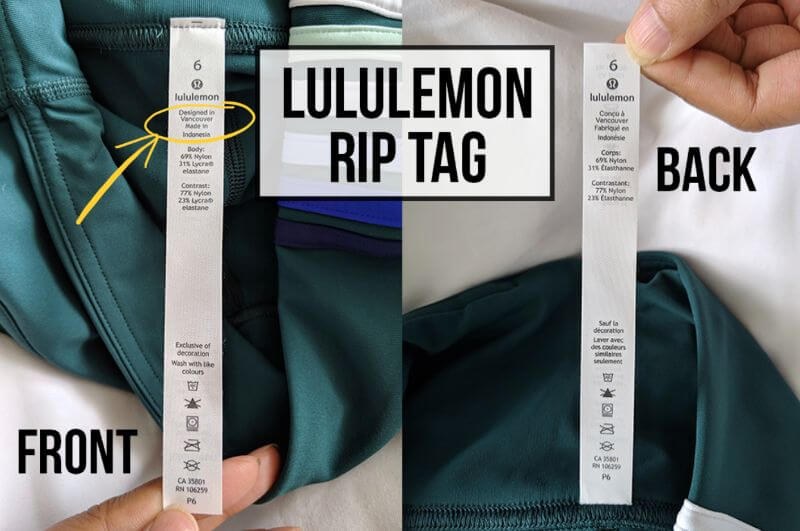
In an era where consumers are increasingly conscious of a brand’s origins, environmental impact, and labor practices, Lululemon’s supply chain management directly influences its brand narrative. From the sourcing of its proprietary fabrics like Luon and Everlux to the final stitching of its garments, every stage of production contributes to the perceived value and authenticity of the Lululemon brand. This article delves into the diverse geographies that host Lululemon’s manufacturing operations, dissecting how these strategic choices reflect and reinforce the brand’s core values, market objectives, and its enduring appeal in a highly competitive global market.
The Strategic Imperative of Lululemon’s Global Manufacturing Footprint
Lululemon operates not as a manufacturer itself, but as a design and retail powerhouse, relying on a sophisticated network of third-party suppliers and manufacturing partners across various continents. This asset-light model is a deliberate brand strategy, allowing the company to focus its core competencies on design, marketing, and retail experience, while leveraging the specialized expertise and economies of scale offered by global production partners. The geographical dispersion of its manufacturing base is far from arbitrary; it is a calculated decision driven by a multitude of factors, each contributing significantly to the brand’s overarching success and resilience.
Diversification as a Core Brand Strategy
For any global brand, relying on a single manufacturing hub presents significant risks, from geopolitical instability and natural disasters to labor disputes and trade tariffs. Lululemon’s brand strategy incorporates diversification not just in product lines but critically in its supply chain. By partnering with manufacturers in numerous countries, Lululemon mitigates these risks, ensuring a more stable and agile supply chain. This diversification also allows the brand to adapt quickly to changing consumer demands and market trends, a crucial competitive advantage in the fast-paced fashion industry. The ability to shift production or scale up in different regions helps Lululemon maintain consistent product availability, which is vital for consumer satisfaction and brand loyalty. When customers expect premium products, consistent availability reinforces the brand’s reliability and operational excellence. This global spread also enables the brand to tap into diverse skill sets and manufacturing capabilities, further enhancing product innovation and quality, which are hallmarks of the Lululemon brand.
Balancing Cost-Efficiency with Premium Brand Promise
While Lululemon is known for its premium pricing, cost efficiency in manufacturing remains a critical consideration. Producing apparel in regions with competitive labor costs and established textile industries allows Lululemon to manage its production expenses, which indirectly supports its profit margins and capacity for investment in innovation and marketing. However, this pursuit of efficiency is meticulously balanced against the brand’s unwavering commitment to quality. Unlike fast-fashion brands that prioritize lowest cost above all, Lululemon selects manufacturing partners who can consistently meet its stringent quality standards for fabric performance, garment construction, and finishing. The brand understands that any compromise on quality would directly erode its premium positioning and damage its hard-earned reputation. Therefore, cost-efficiency for Lululemon means optimizing the production process without sacrificing the tactile quality and durability that consumers associate with its brand. This delicate balance is a testament to Lululemon’s strategic approach to its supply chain, where manufacturing decisions are always filtered through the lens of brand value and consumer expectation.
Key Manufacturing Hubs and Their Contributions to the Lululemon Brand
Lululemon’s manufacturing map spans several continents, reflecting a strategic allocation of production based on regional strengths, material proximity, and market access. These hubs are not interchangeable; each plays a specific role in bringing Lululemon’s innovative designs to life and delivering on its brand promise.
Asia: The Powerhouse of Apparel Production
Asia remains the predominant manufacturing base for Lululemon, a common practice for many global apparel brands. Countries like China, Vietnam, Cambodia, Sri Lanka, and Bangladesh are key players in this network. China, despite rising labor costs, continues to be invaluable for its advanced textile manufacturing capabilities, intricate supply chain infrastructure, and capacity for large-scale, high-quality production. Its ability to handle complex designs and innovative materials makes it a cornerstone for Lululemon’s technically advanced apparel. Vietnam and Cambodia have emerged as strong alternatives, offering competitive labor costs and a growing expertise in high-volume, quality garment production. Sri Lanka is also a significant contributor, known for its specialized textile industry and commitment to ethical manufacturing practices.
The reliance on Asian manufacturing is a strategic decision that allows Lululemon to leverage established textile expertise, robust supply chains for raw materials, and the sheer production capacity required to meet global demand. This geographical concentration also facilitates innovation, as many fabric mills and specialized component manufacturers are located in these regions, enabling closer collaboration on new material development—a core aspect of Lululemon’s product innovation and brand differentiation. For the Lululemon brand, these Asian partners are crucial in consistently delivering the performance, fit, and feel that define its products.
North America: Niche Production and Market Responsiveness
While a significant portion of Lululemon’s production is outsourced to Asia, the brand also maintains manufacturing relationships in North America, particularly in Canada and the United States. These locations often cater to specialized needs, smaller runs, or products requiring faster turnaround times for the North American market. Producing in Canada, Lululemon’s home country, can reinforce a sense of local heritage and quality, resonating with certain segments of its customer base.
Manufacturing in North America can offer advantages in terms of intellectual property protection for innovative designs, closer oversight of production processes, and reduced shipping times for key markets. While costs are generally higher, the ability to respond swiftly to design changes, test new products, and leverage specialized textile technologies available in these regions adds significant strategic value. This localized production capability supports the brand’s agility and responsiveness, especially for high-demand items or limited-edition collections, further enhancing its brand exclusivity and connection to its roots.
European and Other Regions: Expanding Brand Reach
Beyond Asia and North America, Lululemon has also diversified its supplier base to include manufacturers in Europe (e.g., Portugal, Turkey) and potentially other regions to optimize its global distribution and enhance supply chain resilience. European manufacturers often bring specialized expertise in premium textile processing and craftsmanship, which can be leveraged for specific product lines that demand even higher levels of finishing or unique fabric treatments.
Expanding manufacturing to diverse regions also enables Lululemon to reduce reliance on any single trade corridor and strategically position inventory closer to burgeoning international markets. This global spread is integral to Lululemon’s ambition to be a truly global brand, ensuring that its products are accessible and responsive to local market needs while maintaining a consistent global brand identity. Each region contributes a unique advantage, whether it’s cost-efficiency, specialized skills, or market proximity, all funneling into the unified goal of strengthening the Lululemon brand worldwide.
Upholding Brand Integrity: Quality Control and Ethical Sourcing
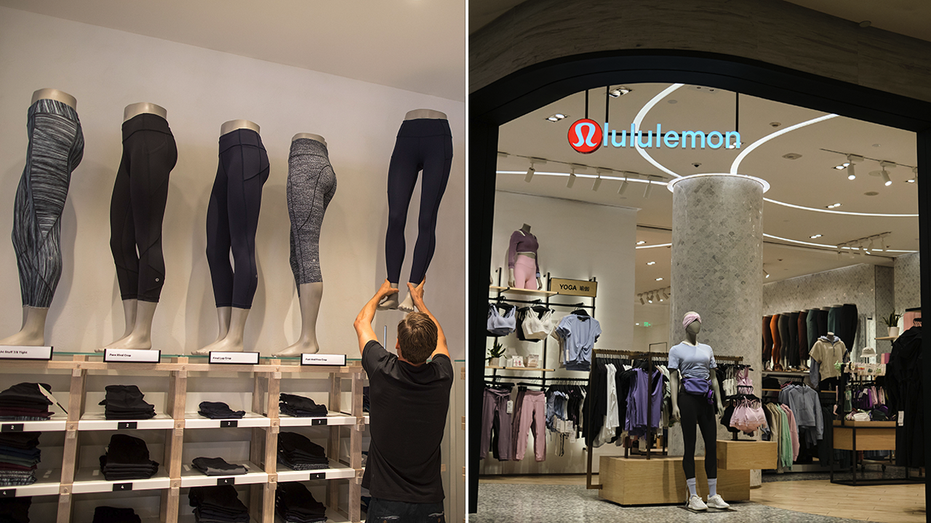
The discussion of where Lululemon makes its clothes is incomplete without addressing how they are made and the standards upheld. For a brand like Lululemon, which prides itself on premium quality and a conscientious image, robust quality control and ethical sourcing are non-negotiable elements that directly feed into its brand equity. These practices are not just compliance checkboxes; they are integral components of its corporate identity and a cornerstone of consumer trust.
The Rigor of Lululemon’s Quality Assurance
Lululemon’s brand is synonymous with high-performance fabrics, innovative designs, and exceptional durability. This reputation is meticulously built through a rigorous quality assurance process that spans the entire supply chain. Before any fabric is cut, it undergoes extensive testing to ensure it meets Lululemon’s specifications for stretch, recovery, moisture-wicking properties, and colorfastness. Manufacturing partners are subject to strict quality audits, often employing on-site Lululemon representatives or third-party inspectors to monitor production at various stages. From the precision of stitching and seam construction to the accuracy of sizing and final finishing, every detail is scrutinized.
This obsessive attention to quality is a critical differentiator for Lululemon, justifying its premium price point and fostering deep customer loyalty. When a customer purchases a Lululemon product, they expect a certain level of performance and longevity; the brand’s quality assurance process is what guarantees this promise. Any lapse in quality would not only lead to returns but, more significantly, would erode the perception of excellence that is central to the Lululemon brand.
Championing Ethical Labor Practices in the Supply Chain
In an industry frequently scrutinized for its labor practices, Lululemon has made a public commitment to ethical sourcing and fair labor. Its Vendor Code of Ethics outlines strict standards for working conditions, wages, working hours, non-discrimination, and prohibition of child and forced labor. These standards are aligned with international labor conventions and are part of the brand’s broader commitment to corporate social responsibility.
Lululemon conducts regular audits of its manufacturing partners, often unannounced, to ensure compliance with its code. The brand’s public reports and transparency initiatives detail its efforts to foster safe and equitable working environments. For the Lululemon brand, ethical sourcing is not just about avoiding negative press; it’s about aligning its operational practices with its core values of well-being and community. A brand that promotes health and mindfulness through its products must also demonstrate these values in its global operations. This commitment enhances its brand reputation, particularly among a socially conscious consumer base who increasingly expect transparency and ethical conduct from the brands they support.
Sustainability Initiatives: A Pillar of Modern Brand Responsibility
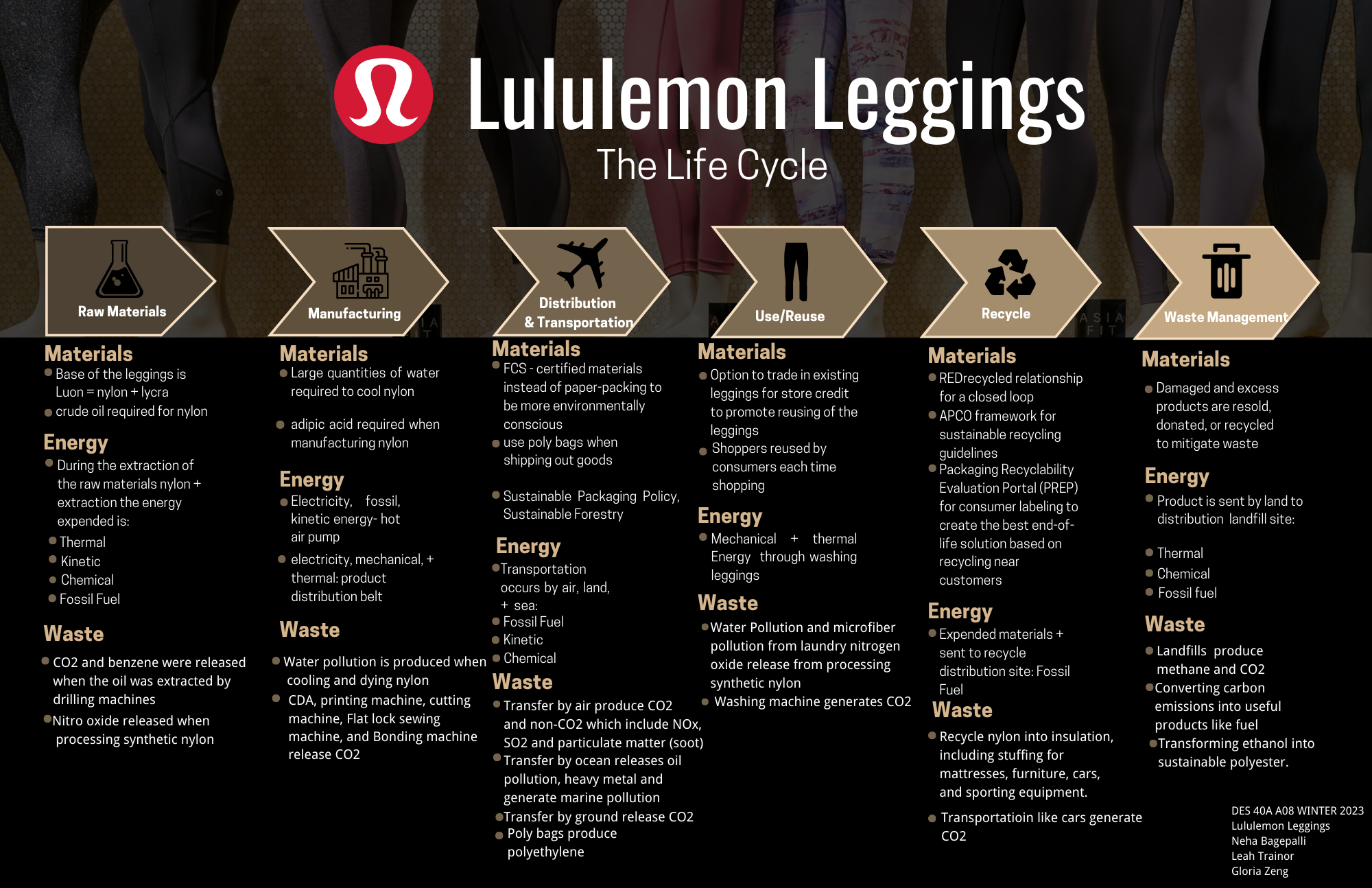
Beyond ethical labor, sustainability has become an increasingly vital aspect of Lululemon’s brand strategy and supply chain management. The brand recognizes the environmental impact of textile production and is actively working to mitigate it. This includes initiatives focused on reducing water and energy consumption, minimizing waste, and exploring more sustainable materials. Lululemon has set ambitious goals for reducing its carbon footprint and transitioning to renewable energy sources across its supply chain.
The brand’s investment in recycled materials, organic cotton, and innovative, low-impact dyeing processes directly contributes to its sustainability narrative. For its environmentally aware consumer base, these efforts are not peripheral but central to their perception of Lululemon as a responsible and forward-thinking brand. By embedding sustainability into its manufacturing strategy, Lululemon reinforces its brand image as a leader not just in athletic wear, but also in responsible business practices, connecting deeply with values that are increasingly important to its target demographic. This proactive stance on sustainability is a powerful tool for brand differentiation and a key driver of long-term brand equity.
The Brand Impact: From Factory Floor to Consumer Perception
The journey of a Lululemon garment from a raw material to a cherished item in a customer’s wardrobe is a testament to a meticulously managed supply chain. Every decision made along this path, particularly concerning where and how products are manufactured, has profound implications for the Lululemon brand.
Supply Chain Transparency and Brand Trust
In today’s hyper-connected world, consumers demand transparency. They want to know where products come from, who made them, and under what conditions. Lululemon’s efforts in mapping its supply chain and publicly sharing information about its manufacturing partners and ethical standards directly contribute to building brand trust. By being open about its global network, Lululemon positions itself as an accountable and responsible brand. This transparency helps alleviate concerns about “sweatshop” labor or environmental damage, which can severely tarnish a brand’s image. For Lululemon, demonstrating control and ethical oversight over its diverse manufacturing locations reinforces its commitment to integrity, fostering a deeper, more emotional connection with its consumers. When trust is established at this fundamental level, it strengthens brand loyalty and advocacy, turning customers into brand ambassadors.
How Manufacturing Choices Influence Product Value and Pricing
Lululemon’s choice of manufacturing locations and partners is inextricably linked to its premium brand positioning and pricing strategy. The brand’s decision to work with specialized, high-quality manufacturers, even if it entails higher costs than bargain-basement options, is a conscious investment in its product’s perceived value. Consumers understand that a Lululemon garment is not just a piece of clothing; it’s an investment in performance, durability, and a specific lifestyle. This perception is directly supported by the quality assurance and ethical standards upheld throughout the manufacturing process.
The brand’s ability to leverage global efficiencies while maintaining stringent quality control allows it to offer products that, while expensive, are justified by their superior attributes. If Lululemon were to compromise on manufacturing quality in pursuit of lower costs, it would risk undermining the very foundation of its value proposition. Thus, manufacturing choices are not merely about production costs, but about safeguarding the premium value and aspirational appeal of the Lululemon brand.
Building a Resilient Brand in a Complex Global Landscape
The global manufacturing landscape is fraught with complexities, from geopolitical tensions and trade wars to pandemics and climate-related disruptions. Lululemon’s strategic diversification of its manufacturing base is a testament to its commitment to building a resilient brand. A resilient brand is one that can withstand external shocks, maintain continuity of supply, and consistently deliver on its promises to consumers. By not putting all its eggs in one manufacturing basket, Lululemon ensures that it can adapt and pivot when unforeseen challenges arise. This operational resilience translates directly into brand resilience, as consumers see a brand that is dependable and capable of navigating a turbulent world without compromising product availability or quality. In an increasingly uncertain global economy, a robust and adaptable supply chain is a powerful asset that strengthens Lululemon’s brand identity as a reliable and enduring market leader.
The Future of Lululemon’s Supply Chain and Brand Evolution
As Lululemon continues its ambitious global expansion and deepens its commitment to innovation and sustainability, its manufacturing strategy will undoubtedly evolve. The challenges and opportunities of the coming decades will shape how and where Lululemon makes its clothes, further impacting its brand identity and market position.
Navigating Geopolitical Shifts and Trade Dynamics
The global political and economic landscape is constantly shifting, with trade agreements, tariffs, and international relations directly impacting supply chains. Lululemon, like all global brands, must continuously assess and adapt its manufacturing footprint to these dynamics. Potential shifts might include further diversification away from certain regions to mitigate geopolitical risks, or conversely, strengthening partnerships in stable, strategic locations. The brand will need to remain agile, leveraging its diversified network to navigate these complexities without disruption to production or significant impact on costs and quality. This strategic agility in supply chain management will be key to maintaining brand stability and growth in an unpredictable world. The ability to pivot quickly and efficiently will ensure that Lululemon’s brand promise remains unbroken, regardless of external political pressures.
Innovation in Materials and Manufacturing Processes
The future of Lululemon’s brand is deeply intertwined with its capacity for innovation, not just in design, but also in materials science and manufacturing processes. As the brand strives to meet ambitious sustainability goals, there will be an increased emphasis on sourcing and producing with recycled, renewable, and low-impact materials. This will require close collaboration with advanced textile manufacturers globally. Furthermore, advancements in automation, AI-driven logistics, and potentially even localized on-demand manufacturing could redefine Lululemon’s supply chain. The adoption of such technologies could lead to more efficient, sustainable, and responsive production, allowing Lululemon to bring innovative products to market faster, further solidifying its reputation as a pioneer in performance apparel. These innovations will not only improve operational efficiency but also enhance the brand’s narrative around cutting-edge technology and environmental stewardship, appealing to a consumer base that values both performance and purpose.
In conclusion, “where Lululemon makes its clothes” is a story woven into the very fabric of its brand. It speaks to strategic diversification, a relentless pursuit of quality, unwavering ethical commitments, and a forward-looking approach to sustainability. Every factory floor, every ethical audit, and every logistical decision contributes to the narrative of a premium brand that delivers not just high-performance apparel, but also a commitment to responsible global citizenship. As Lululemon continues to grow, its evolving manufacturing strategies will remain a critical determinant of its ability to uphold its brand promise, delight its customers, and maintain its coveted position at the pinnacle of the athletic apparel market.
aViewFromTheCave is a participant in the Amazon Services LLC Associates Program, an affiliate advertising program designed to provide a means for sites to earn advertising fees by advertising and linking to Amazon.com. Amazon, the Amazon logo, AmazonSupply, and the AmazonSupply logo are trademarks of Amazon.com, Inc. or its affiliates. As an Amazon Associate we earn affiliate commissions from qualifying purchases.