
In the rapidly evolving landscape of consumer finance, few names have garnered as much attention and adoption as Klarna. Originating in Sweden in 2005, Klarna has grown from a fledgling online payment provider into a global powerhouse, synonymous with the “buy now, pay later” (BNPL) model. Far more than just another payment gateway, Klarna represents a significant shift in how consumers manage their spending and how businesses facilitate transactions. It offers a suite of financial tools designed to make purchasing more flexible and accessible, fundamentally altering established notions of credit, budgeting, and retail finance.

At its heart, Klarna aims to simplify shopping by allowing consumers to receive goods immediately and pay for them over time, often interest-free. This model has resonated particularly with a younger demographic and online shoppers seeking alternatives to traditional credit cards. However, understanding “what’s Klarna” requires a deeper dive into its operational mechanisms, its profound impact on personal finances, its transformative role in retail, and the broader financial ecosystem it now inhabits. It’s a story of financial innovation, consumer empowerment, and the intricate balance between convenience and responsibility in the digital age.
The Core Mechanism: How Klarna Works as a Financial Tool
Klarna’s operational model is built on providing flexible payment options to consumers while guaranteeing payment to merchants. This dual-sided approach makes it a powerful financial intermediary. For consumers, it offers an immediate purchasing power that can be managed through various payment plans. For businesses, it translates into increased sales and reduced risk.
Flexible Payment Options: From Pay-in-4 to Monthly Financing
Klarna’s primary appeal lies in its diverse range of payment plans, each tailored to different spending habits and financial capacities. The most popular and iconic is the “Pay in 4” option, allowing customers to split their purchase into four interest-free installments, typically paid every two weeks. This short-term, zero-interest model is often seen as a budgeting tool, enabling consumers to manage larger purchases without immediate financial strain or the accumulation of interest charges associated with traditional credit cards. It’s a form of micro-loan that, when used responsibly, can genuinely assist with cash flow management.
Beyond “Pay in 4,” Klarna offers “Pay in 30 days,” which gives customers a window to receive and try on items before committing to payment, enhancing confidence in online shopping and reducing returns driven by uncertainty. For larger purchases, Klarna extends “Monthly Financing,” allowing consumers to spread costs over several months, usually with interest applied, similar to a personal loan. This comprehensive suite of options positions Klarna not just as a simple payment button but as a versatile financial instrument, catering to a wide spectrum of consumer needs from immediate gratification to long-term budgeting for significant expenditures. The transparency around interest rates (or lack thereof for short-term options) is a cornerstone of its appeal, differentiating it from more opaque financial products.
Merchant Integration and Revenue Streams
For merchants, integrating Klarna is a strategic business decision aimed at boosting sales and customer satisfaction. When a customer chooses Klarna at checkout, Klarna pays the merchant upfront for the full purchase amount, minus a commission fee. This eliminates the merchant’s risk of non-payment and simplifies their accounting processes. Klarna assumes the credit risk and the responsibility for collecting payments from the consumer. This model is particularly attractive to e-commerce businesses looking to reduce cart abandonment rates and attract a broader customer base who might be hesitant to use traditional credit or debit cards for various reasons.
Klarna’s revenue streams are multifaceted. The primary source comes from the fees charged to merchants for each transaction. Additionally, Klarna earns revenue from interest on its longer-term financing options and late fees if customers miss payments, although the latter is often a last resort and subject to local regulations and Klarna’s own policies aimed at customer retention. The effectiveness of this model hinges on Klarna’s sophisticated risk assessment algorithms, which determine creditworthiness in real-time without necessarily impacting a consumer’s credit score for most short-term options, further distinguishing it from conventional lending practices.
The Underlying Credit Assessment and Risk Management
Klarna’s ability to offer instant credit at the point of sale is backed by robust data analytics and proprietary credit assessment technologies. When a consumer opts for Klarna, the system performs a soft credit check (which typically doesn’t affect a credit score) combined with an analysis of transaction history, device information, and other data points. This allows Klarna to make immediate lending decisions, minimizing friction for the consumer while managing its own financial exposure.
This real-time risk assessment is critical to Klarna’s business model. It allows them to differentiate between responsible users and those who might pose a higher risk, adjusting credit limits or declining transactions accordingly. The sophistication of these algorithms is paramount to Klarna’s financial stability and its ability to offer interest-free options. While it simplifies the process for consumers, it’s a complex financial juggling act behind the scenes, ensuring the company can absorb defaults while maintaining profitability from merchant fees and interest-bearing loans.
Klarna’s Impact on Personal Finance
Klarna has undoubtedly reshaped how many individuals manage their finances and approach purchasing decisions. Its accessible nature offers both considerable advantages and potential pitfalls, necessitating a balanced understanding of its role in personal financial management.
Convenience and Budget Management
For many consumers, Klarna is a highly effective tool for budgeting and managing cash flow. The “Pay in 4” option, especially, allows individuals to spread the cost of an item over several weeks without incurring interest, making otherwise unaffordable purchases more manageable within a bi-weekly or monthly budget cycle. This can be particularly beneficial for essential items or unexpected expenses that might strain immediate funds. It provides a level of financial flexibility that traditional debit cards do not, and without the perpetual interest cycles often associated with credit cards.
Moreover, the “Pay in 30 days” feature offers a unique advantage for online shoppers: the ability to “try before you buy.” This reduces financial risk for the consumer, allowing them to assess a product’s suitability without committing funds upfront, thereby minimizing potential refund headaches and improving satisfaction. For financially savvy users, Klarna can be a powerful instrument for short-term liquidity management, enabling planned purchases without dipping into savings or incurring high-interest debt.
The Risks of Easy Credit and Debt Accumulation
Despite its benefits, Klarna’s ease of use also presents significant financial risks, primarily the potential for overspending and accumulating unmanageable debt. The immediate gratification offered by BNPL services can tempt consumers to make impulse purchases they might otherwise defer or avoid. Because individual Klarna transactions are often small and interest-free, it can be easy to lose track of multiple active payment plans across different retailers, leading to a “debt stack” that quickly becomes overwhelming.
While “Pay in 4” is interest-free, missed payments typically incur late fees, and these can quickly add up. Furthermore, if a customer defaults on a payment plan, it can be reported to credit bureaus (especially for longer-term financing options), negatively impacting their credit score and future borrowing capabilities. The psychological effect of seeing money seemingly appear without immediate consequence can lull consumers into a false sense of security, blurring the lines between wants and needs and fostering a culture of instant consumption over mindful financial planning. The accessibility of credit, while empowering for some, can be a slippery slope into financial distress for others.
Financial Education and Responsible Usage
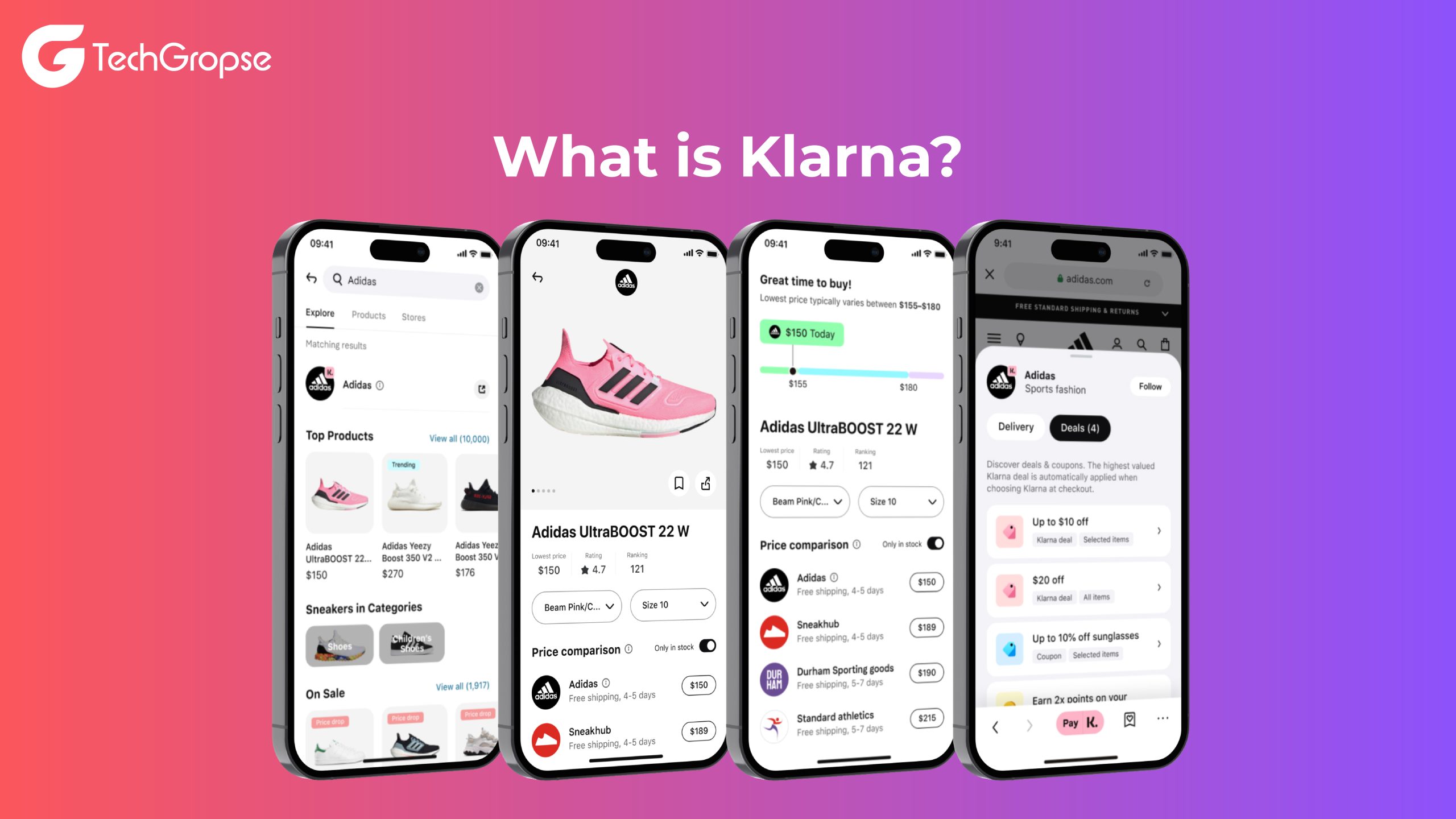
Given the dual nature of Klarna’s impact, financial education and responsible usage are paramount. Consumers must approach BNPL services with the same caution and discipline they would apply to any other credit product. This includes carefully reviewing payment schedules, understanding the consequences of missed payments, and realistically assessing their ability to meet future obligations.
Klarna itself has an interest in promoting responsible usage, as high default rates are detrimental to its business model. Many BNPL providers are now enhancing their financial literacy resources and improving transparency around terms and conditions. For individuals, tools like budgeting apps, spending trackers, and a clear understanding of personal financial limits are essential to harness the benefits of Klarna without falling prey to its risks. The key lies in viewing Klarna as a financial tool to manage purchases, rather than an endless source of free credit for discretionary spending.
Transforming Retail and Business Finance
Klarna’s influence extends far beyond individual consumers, acting as a catalyst for change within the retail sector and reshaping how businesses approach sales, cash flow, and customer engagement.
Driving Sales and Customer Conversion for Merchants
For retailers, integrating Klarna can be a game-changer for their bottom line. The ability to offer flexible payment options directly at checkout significantly reduces cart abandonment rates, a perennial challenge for e-commerce businesses. When customers know they can spread the cost of an item, they are more likely to complete a purchase, especially for higher-value goods. This immediate boost in purchasing power translates directly into increased sales volumes and higher average order values (AOV).
Moreover, Klarna often brings new customers to merchants. Its strong brand recognition and popularity mean that consumers actively look for Klarna as a payment option. By offering it, businesses tap into a segment of the market that might prefer BNPL over traditional credit cards or those who lack access to conventional credit. This expanded customer reach and improved conversion funnel are powerful incentives for businesses to adopt Klarna, making it a crucial component of modern e-commerce strategy.
Managing Cash Flow and Inventory
From a business finance perspective, Klarna streamlines cash flow management for merchants. By paying the merchant upfront for the full purchase amount, Klarna eliminates the merchant’s exposure to customer non-payment risk. This guaranteed revenue stream allows businesses to forecast their cash flow more accurately and manage inventory more efficiently. Instead of waiting for customer payments, merchants receive funds almost immediately, which can be reinvested into operations, marketing, or inventory replenishment.
This financial stability is particularly valuable for small and medium-sized enterprises (SMEs) that might struggle with unpredictable payment cycles or managing credit risk themselves. It liberates capital that would otherwise be tied up in accounts receivable, enabling faster growth and greater operational flexibility. By abstracting the complexities of consumer credit and payment collection, Klarna allows retailers to focus on their core business: selling products and services.
Competitive Landscape in the Payment Sector
Klarna’s success has not gone unnoticed, sparking a surge of competition in the BNPL space from both dedicated startups (like Afterpay and Affirm) and established financial institutions (like PayPal and even traditional banks entering the fray). This intense competition is driving innovation in payment solutions, pushing companies to offer more attractive terms, better user experiences, and integrate additional financial services.
For businesses, this competitive landscape means more options and potentially better terms for payment processing. However, it also requires strategic decision-making about which BNPL partners to integrate, weighing factors like fees, brand appeal, and the specific needs of their customer base. The rise of BNPL as a mainstream payment method has fundamentally disrupted the traditional credit card model, forcing legacy financial players to adapt and innovate, further democratizing access to short-term credit and payment flexibility.
Navigating the Regulatory and Future Financial Landscape
As Klarna and the BNPL sector continue their rapid expansion, they face increasing scrutiny from regulators and consumer advocacy groups, signaling a pivotal moment for the future of flexible payment solutions.
Emerging Regulations for BNPL Services
The rapid growth and unique financial characteristics of BNPL services have outpaced existing financial regulations in many jurisdictions. Historically, BNPL providers have often operated in a regulatory grey area, particularly concerning consumer credit laws designed for traditional lenders. Concerns primarily revolve around consumer protection: the potential for hidden fees, lack of clear disclosure, the impact on credit scores, and the ease with which consumers can accumulate multiple BNPL debts without comprehensive affordability checks.
As a result, governments and financial bodies worldwide are now actively exploring or implementing regulations specifically tailored for BNPL. This includes requirements for more robust affordability assessments, clearer disclosure of terms and conditions, limits on late fees, and provisions for dispute resolution. For Klarna, this means adapting its operations, potentially increasing compliance costs, and refining its risk assessment frameworks to align with new legal requirements. While regulations aim to protect consumers, they also pose a challenge to the frictionless experience that has been a cornerstone of BNPL’s appeal, requiring a delicate balance between innovation and oversight.
Klarna’s Evolution: Beyond Payments
Klarna’s vision extends beyond being merely a payment processor. The company is actively evolving into a broader financial ecosystem, aiming to become a comprehensive “shopping assistant” or a “super app” for consumer finance. This involves integrating features like personal finance management tools, budgeting insights, loyalty programs, and even personalized shopping recommendations based on purchasing history. The goal is to build deeper relationships with consumers, making Klarna an indispensable part of their daily financial lives rather than just a transaction facilitator.
This strategic shift means Klarna is increasingly competing not only with other BNPL providers but also with digital banks, budgeting apps, and even e-commerce platforms. By leveraging the vast amounts of consumer spending data it collects, Klarna seeks to offer more value-added services, enhancing customer stickiness and opening up new revenue streams beyond transaction fees and interest. This trajectory positions Klarna at the forefront of the convergence of fintech, e-commerce, and personal finance management.

The Future of Consumer Credit and Financial Innovation
The rise of Klarna and the BNPL model signals a fundamental re-evaluation of consumer credit and financial innovation. It challenges the dominance of traditional credit cards by offering more transparent, short-term, and often interest-free alternatives. This trend is driven by consumer demand for flexibility, control, and a more tailored financial experience, especially among younger generations who may be wary of traditional debt products.
The future financial landscape will likely see a continued diversification of payment methods, with BNPL becoming a standard option alongside debit and credit cards. Further innovation will focus on integrating these payment options seamlessly into the shopping experience, leveraging AI and machine learning for hyper-personalized financial advice and product offerings. Klarna’s journey exemplifies how technology can democratize access to credit and empower consumers with greater financial choice, while simultaneously highlighting the ongoing need for responsible innovation and robust regulatory frameworks to ensure long-term financial well-being for all. Klarna, in essence, is not just a payment method; it’s a window into the evolving relationship between consumers, commerce, and credit in the digital age.
aViewFromTheCave is a participant in the Amazon Services LLC Associates Program, an affiliate advertising program designed to provide a means for sites to earn advertising fees by advertising and linking to Amazon.com. Amazon, the Amazon logo, AmazonSupply, and the AmazonSupply logo are trademarks of Amazon.com, Inc. or its affiliates. As an Amazon Associate we earn affiliate commissions from qualifying purchases.