
In the rapidly evolving landscape of personal finance and online commerce, payment methods have diversified far beyond traditional credit cards and debit transactions. Among the most prominent innovations to emerge is the “Buy Now, Pay Later” (BNPL) model, with Klarna standing as a leading pioneer and global powerhouse in this space. But what exactly are Klarna payments, and how have they reshaped the way consumers manage their spending and businesses facilitate sales? This article delves into the core mechanics, financial implications, and broader impact of Klarna, offering an insightful look for anyone navigating the modern monetary ecosystem.

Klarna’s Core Offering: Reshaping Consumer Spending
At its heart, Klarna provides consumers with flexible payment options that allow them to defer or split the cost of purchases over time, often interest-free. This model offers an alternative to traditional credit, aiming to provide more financial control and accessibility for shoppers.
The Genesis of Klarna: A Swedish FinTech Revolution
Founded in Stockholm, Sweden, in 2005, Klarna began with a clear vision: to simplify online payments. The founders recognized the friction points in traditional e-commerce transactions and sought to create a smoother, more consumer-friendly experience. Over the years, Klarna evolved from a simple invoicing service into a comprehensive financial technology firm offering a suite of payment solutions. Its growth has been exponential, transforming it into one of the world’s most valuable private fintech companies, serving millions of consumers and hundreds of thousands of merchants globally. This trajectory highlights a significant shift in consumer preferences towards more adaptable and transparent payment methods.
Beyond Traditional Credit: The BNPL Model Explained
The Buy Now, Pay Later model, championed by Klarna, fundamentally differs from traditional credit cards or loans. Instead of requiring a full payment upfront or relying on a revolving credit line with accruing interest, BNPL services typically break down the total purchase amount into smaller, manageable installments. For many standard Klarna services, these installments are interest-free, provided payments are made on time. This structure appeals to consumers seeking greater budgetary flexibility, particularly for discretionary purchases or when managing fluctuating income streams. It represents a democratisation of credit, offering short-term financing to a broader demographic, often with less stringent initial checks than traditional credit providers. However, it’s crucial to understand that while interest may be absent, late payment fees and the potential impact on credit scores remain important financial considerations.
Navigating Klarna’s Payment Options
Klarna offers a variety of payment plans designed to cater to different purchasing needs and financial situations. Understanding each option is key to leveraging Klarna responsibly and effectively within one’s personal finance strategy.
Pay in 4: The Popular Installment Plan
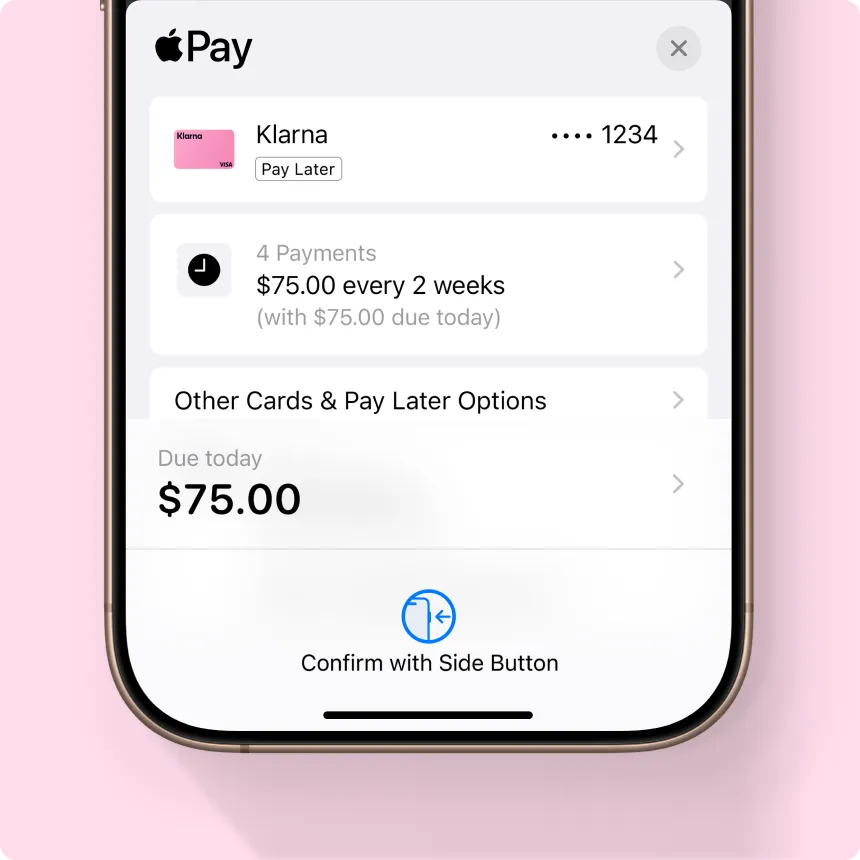
Perhaps Klarna’s most widely recognized offering, “Pay in 4” allows customers to split their purchase into four equal, interest-free payments. The first payment is typically due at the time of purchase, with the remaining three payments automatically scheduled every two weeks thereafter. This option is particularly popular for everyday purchases or smaller splurges, as it spreads the cost over a short period (usually six weeks) without incurring additional interest charges. For consumers managing a budget, Pay in 4 can provide immediate gratification while allowing them to align payments with their bi-weekly paychecks, making it a powerful tool for short-term cash flow management.
Pay in 30 Days: Flexibility Without Immediate Commitment
The “Pay in 30 Days” option offers a unique level of flexibility. With this plan, customers can receive their items and have up to 30 days to pay the full amount, interest-free. This is particularly appealing for online shoppers who want to try items on, ensure they are satisfied with their purchase, or simply wish to defer payment until their next payday. It eliminates the need for an immediate financial outlay, effectively acting as a digital layaway or an extended grace period for payment. This option is frequently used in fashion and retail, where returns are common, allowing consumers to make purchasing decisions with less upfront financial risk.
Financing: Longer-Term Solutions for Larger Purchases
For bigger ticket items, Klarna also offers a financing option, which functions more like a traditional loan. This plan allows customers to spread the cost over a longer period, typically 6 to 36 months, and usually involves interest charges. The interest rate and terms depend on the customer’s creditworthiness and the specific merchant agreement. While this option offers greater affordability for substantial purchases, it’s essential for consumers to carefully review the annual percentage rate (APR) and total cost of credit, as it does introduce a financial commitment similar to a traditional installment loan. This option moves beyond the short-term, interest-free model and requires more careful financial planning and consideration of one’s ability to meet regular payments over an extended duration.
One-Time Card: Extending BNPL to More Merchants
Klarna’s One-Time Card feature further expands its utility, allowing users to leverage Klarna’s payment options even with merchants that don’t directly integrate Klarna at checkout. Essentially, a customer can generate a virtual, single-use debit card within the Klarna app, fund it with their chosen Klarna payment plan (e.g., Pay in 4 or Pay in 30 Days), and then use that card number for online purchases anywhere Mastercard is accepted. This innovative feature effectively broadens the scope of BNPL, giving consumers more freedom to use Klarna for a wider range of transactions, thereby enhancing their financial flexibility across the digital shopping landscape.
The Financial Landscape of Klarna: Benefits and Considerations for Consumers
While Klarna offers undeniable convenience and flexibility, a thorough understanding of its financial implications—both positive and potentially negative—is paramount for responsible usage.
Empowering Budget Management and Flexibility
For many consumers, Klarna serves as a valuable tool for budget management. By splitting payments into smaller, predictable installments, individuals can better align their spending with their income cycles. This can prevent overspending at one go and alleviate immediate cash flow pressures, especially for those who receive paychecks bi-weekly or monthly. It enables access to desired goods and services without draining an emergency fund or relying on high-interest credit cards. Furthermore, the interest-free nature of Klarna’s standard plans means consumers can enjoy the benefit of short-term financing without incurring additional costs, provided they meet their payment obligations on time. This transparency can be a significant advantage over traditional credit, where interest can quickly compound if balances are not paid in full.
Potential Pitfalls: Late Fees, Debt Accumulation, and Credit Impact
Despite its advantages, Klarna payments are not without financial risks. The primary concern revolves around the potential for late fees and, more significantly, the accumulation of multiple BNPL debts. If a payment is missed, Klarna typically charges a late fee, which, while capped, can add up if multiple payments are delayed. More critically, engaging in multiple BNPL agreements across different providers or even within Klarna itself can lead to a fragmented view of one’s total financial obligations. This can make it difficult to track overall debt and increase the risk of overextension, potentially trapping consumers in a cycle of debt.
Regarding credit impact, while Klarna’s interest-free “Pay in 4” or “Pay in 30 Days” options often do not involve a hard credit check that impacts one’s score, sustained late payments or defaults can be reported to credit bureaus. Klarna does perform “soft” credit checks, which don’t affect your score but help them assess your ability to pay. For larger financing options, a hard credit check is typically conducted. Therefore, responsible use is crucial; consistent defaults can negatively affect one’s credit score, impacting future access to loans, mortgages, or other forms of credit.
Responsible Usage: A Key to Financial Wellness
The key to financially healthy use of Klarna, or any BNPL service, lies in mindful consumption and diligent payment management. Consumers should only use Klarna for purchases they can genuinely afford to pay for within the specified terms. Before committing to a purchase, it’s essential to assess one’s current financial situation, upcoming expenses, and overall debt load. Setting up automatic payments and ensuring sufficient funds are available in the linked account on due dates can prevent late fees and maintain a positive payment history. Integrating Klarna payments into a broader personal budget and financial tracking system can help individuals keep a clear overview of their obligations and avoid the trap of “death by a thousand BNPL cuts.”
Klarna for Businesses: Driving Sales and Customer Loyalty
Klarna’s impact extends beyond individual consumers, offering significant advantages for merchants looking to optimize their e-commerce operations and enhance customer engagement.
Increased Conversion Rates and Average Order Value
One of the most compelling reasons for businesses to integrate Klarna is its proven ability to boost sales metrics. By offering flexible payment options, merchants can significantly increase their conversion rates. Customers who might have hesitated due to an item’s upfront cost are more likely to complete a purchase when they can spread out the payments. This psychological aspect of affordability leads directly to fewer abandoned carts. Furthermore, the availability of BNPL often encourages customers to spend more. When the immediate financial burden is reduced, shoppers are more inclined to add additional items to their cart, resulting in a higher average order value (AOV). For businesses, this means a direct increase in revenue generated from each customer transaction.
Streamlined Checkout Experience
Klarna is designed to be a “smoooth” experience, not just for consumers but also for merchants. Its integration into the checkout process is typically seamless, requiring minimal steps from the customer. Often, Klarna can pre-fill customer information, reducing data entry and accelerating the transaction. A faster, less cumbersome checkout process directly contributes to higher conversion rates and a more positive shopping experience, which in turn fosters customer loyalty. Merchants benefit from a reduced administrative burden and a more efficient sales funnel.
Merchant Protection and Risk Management
From a business finance perspective, one of Klarna’s most attractive features is its approach to merchant protection. When a customer uses Klarna, Klarna typically takes on the credit and fraud risk. This means that once a purchase is approved and shipped, the merchant receives payment in full from Klarna, regardless of whether the customer defaults on their payments to Klarna. This guarantees immediate cash flow for the merchant and significantly reduces their exposure to credit risk and payment fraud, allowing them to focus on their core business operations rather than chasing customer payments. This risk transfer is a crucial benefit, especially for small and medium-sized businesses that may lack the resources to manage complex credit and fraud prevention systems.
Klarna in the Broader Financial Ecosystem
Klarna’s rise is not an isolated event but part of a larger trend reshaping how financial services are delivered and consumed. Its presence prompts a re-evaluation of traditional financial products and consumer financial habits.
Comparing Klarna to Traditional Credit Cards and Loans
The advent of Klarna and other BNPL services has sparked considerable debate about their relationship with traditional credit. Unlike credit cards, which offer a revolving line of credit with variable interest rates that can quickly escalate if balances aren’t paid in full, Klarna’s standard options are interest-free, making the cost of borrowing transparent. Traditional loans, while offering structured payments, typically involve more rigorous application processes and immediate interest accrual. Klarna aims to bridge a gap, providing instant, short-term financing with less friction. However, it’s important to recognize that while some Klarna options are interest-free, they are still a form of credit. The ease of access can lead to overspending for some, whereas traditional credit cards, with their higher barriers to entry and clearer credit limits, might implicitly encourage more cautious spending for others. Each tool has its place, and consumers must understand their differences to make informed financial choices.
The Evolution of BNPL and Its Future in Personal Finance
The BNPL sector is experiencing rapid growth and innovation, with Klarna at the forefront. As consumer demand for flexible payment solutions continues to surge, we can expect further evolution in product offerings, integration with other financial tools, and expansion into new markets and purchase categories. The future of personal finance is increasingly digital-first, personalized, and on-demand, and BNPL services perfectly align with these trends. They are transforming how people budget, manage their cash flow, and interact with retail. This shift indicates a broader movement towards financial services that prioritize user experience and immediate gratification, challenging the long-standing dominance of conventional banking products.

Regulatory Scrutiny and Consumer Protection
Given the rapid expansion and unique characteristics of the BNPL model, regulatory bodies worldwide have begun to take a closer look. Concerns primarily revolve around consumer protection, particularly regarding potential debt accumulation, transparency of terms, impact on credit scores, and responsible lending practices. Regulators are examining whether BNPL services should be subject to the same strict consumer credit laws as traditional lenders, especially regarding affordability checks and how defaults are reported. This scrutiny is a critical step in ensuring that the benefits of BNPL are not overshadowed by potential harm to vulnerable consumers. As the industry matures, a balanced regulatory framework will be essential to foster responsible innovation while safeguarding consumer financial well-being, ensuring Klarna and its peers operate within clear and fair guidelines.
In conclusion, Klarna payments represent a significant evolution in the world of personal finance and e-commerce. By offering flexible, often interest-free payment options, Klarna empowers consumers with greater control over their spending and provides merchants with powerful tools to boost sales. However, like any financial instrument, responsible usage, a clear understanding of terms, and careful consideration of one’s overall financial health are paramount to harnessing its benefits effectively while mitigating its potential risks.
aViewFromTheCave is a participant in the Amazon Services LLC Associates Program, an affiliate advertising program designed to provide a means for sites to earn advertising fees by advertising and linking to Amazon.com. Amazon, the Amazon logo, AmazonSupply, and the AmazonSupply logo are trademarks of Amazon.com, Inc. or its affiliates. As an Amazon Associate we earn affiliate commissions from qualifying purchases.