
Understanding the true financial worth of your car is more than just a matter of curiosity; it’s a critical component of sound personal finance. Whether you’re planning to sell, trade-in, refinance, or simply want a clear picture of your assets, accurately assessing your vehicle’s value empowers you to make informed decisions that impact your financial health. A car, for many, represents one of their largest depreciating assets, and its valuation is deeply intertwined with budgeting, investment strategies, and future financial planning. This article delves into the multifaceted world of vehicle valuation, guiding you through the factors that influence worth, the tools available for assessment, and strategies to maximize your financial return.

Understanding the Core Components of Car Value
The value of a car is not a fixed figure; it’s a dynamic estimation influenced by a myriad of factors, each contributing to its market appeal and eventual price tag. Dissecting these components is the first step toward a realistic financial assessment.
The Depreciating Asset: Age and Mileage
No factor impacts a car’s value as profoundly and universally as depreciation. From the moment it leaves the dealership lot, a new car begins to lose value, often shedding 20-30% in its first year alone, and 50-60% within five years. This rapid decline is primarily driven by age and mileage. As a vehicle ages, its components wear down, technology becomes outdated, and the warranty period typically expires, all of which reduce its desirability and perceived reliability. High mileage further accelerates depreciation, as it signifies greater wear and tear on the engine, transmission, and other critical systems. While age contributes to general obsolescence, mileage directly indicates how much a car has been used, directly correlating with potential maintenance costs for future owners. A low-mileage, well-maintained older car might retain more value than a high-mileage newer one, showcasing the intricate balance between these two powerful depreciation drivers.
Condition is King: Interior, Exterior, and Mechanical Health
Beyond age and mileage, the physical and mechanical condition of a car is paramount to its worth. A vehicle in pristine condition, both cosmetically and functionally, will always command a premium. The exterior – free of dents, scratches, rust, and with a well-maintained paint job – signals meticulous care. Similarly, a clean, odor-free interior with minimal wear and tear on seats, dashboard, and carpets enhances buyer appeal and suggests responsible ownership. However, superficial appearances can be deceiving. The true financial value often lies beneath the hood. A comprehensive mechanical assessment, including the engine, transmission, brakes, suspension, and electronics, is crucial. Undisclosed mechanical issues can drastically reduce a car’s value, leading to costly repairs for a new owner. Regular maintenance records provide tangible proof of good mechanical health, acting as a valuable asset that can significantly boost perceived and actual worth.
Make, Model, and Market Demand: The Intrinsic and Extrinsic Factors
The inherent characteristics of a vehicle, such as its make, model, and trim level, play a substantial role in its valuation. Certain brands are known for their reliability, luxury, or performance, commanding higher prices in the used car market. Popular models with strong reputations for longevity, fuel efficiency, or specific features often hold their value better than less sought-after alternatives. Beyond intrinsic qualities, extrinsic market demand heavily influences price. Economic conditions, fuel prices, seasonal trends (e.g., SUVs in winter, convertibles in summer), and even regional preferences can cause significant fluctuations. A car that is highly sought after due to current trends or limited availability will naturally be worth more than a plentiful model with waning interest. Researching market trends for specific makes and models is essential for an accurate financial estimation.
Optional Extras and Aftermarket Modifications: Blessing or Curse?
The impact of optional extras and aftermarket modifications on a car’s value is often a nuanced financial consideration. Factory-installed options that enhance safety, convenience, or luxury – such as advanced driver-assistance systems, premium sound systems, navigation, or leather interiors – typically add value, especially if they are desirable features in the used market. However, not all extras are created equal; some might only recover a fraction of their original cost. Aftermarket modifications, on the other hand, can be a double-edged sword. While some performance upgrades (e.g., professional engine tuning) or practical additions (e.g., quality roof racks, tow hitches) might appeal to a niche market and slightly increase value, overly personalized or extreme modifications often deter potential buyers. These can be perceived as unreliable, difficult to insure, or simply not to a buyer’s taste, potentially decreasing the car’s marketability and overall financial worth. The general rule is that modifications that enhance universal appeal and functionality tend to be better financial investments than those that cater to very specific tastes.
Practical Methods for Accurate Car Valuation
Once you understand the factors influencing value, the next step is to apply practical methods to get a concrete financial figure. Various tools and strategies are available, each offering a different level of detail and accuracy.
Leveraging Online Valuation Tools: A Starting Point
For most individuals, online valuation tools are the most accessible and convenient starting point for estimating a car’s worth. Websites like Kelley Blue Book (KBB), Edmunds, and NADAguides utilize vast databases of sales data, market trends, and vehicle specifications to provide estimated values based on your car’s make, model, year, mileage, condition, and optional features. These tools often offer different values for trade-in, private party sale, and retail, giving you a comprehensive financial overview. While incredibly useful for a baseline estimate, remember that these are algorithmic predictions. They cannot account for every unique nuance of your specific vehicle or local market conditions, so they should be treated as a guide rather than a definitive final offer.
Professional Appraisals: When Precision Matters
For unique vehicles, classic cars, heavily modified cars, or in situations requiring an undisputed valuation (e.g., insurance claims, divorce settlements, estate planning), a professional appraisal is indispensable. Certified automotive appraisers possess specialized knowledge and follow rigorous standards to conduct a thorough inspection of the vehicle, including its originality, condition, rarity, historical significance, and market comparables. They provide a legally recognized, detailed report of the car’s value, which can be crucial for financial transactions where precision and impartiality are paramount. While there’s a fee associated with professional appraisals, the accuracy and credibility they provide can be a valuable investment in specific financial scenarios.
Dealership Trade-In vs. Private Sale: Comparing Financial Outcomes
Deciding whether to trade your car in at a dealership or sell it privately is a significant financial choice with distinct implications. A dealership trade-in offers convenience: it’s a quick, single transaction that streamlines the purchase of your next vehicle and can often reduce the sales tax on your new purchase. However, the convenience comes at a financial cost, as dealerships typically offer a lower price than what you might achieve through a private sale, as they need to factor in reconditioning costs, profit margins, and sales efforts. A private sale, conversely, has the potential to yield a higher financial return, often fetching closer to the car’s true market value. The trade-off is the effort involved: advertising, fielding inquiries, arranging test drives, negotiating, and handling paperwork. Weighing the potential extra money against the time and effort required is a personal financial decision, but understanding the value difference is key.
Understanding Market Dynamics: Supply and Demand

Beyond the car’s inherent characteristics, its value is significantly shaped by the broader market forces of supply and demand. If a particular make and model is in high demand (perhaps due to current popularity, fuel efficiency, or limited production) and supply is low, its value will naturally increase. Conversely, if a car is readily available and demand is low, its value will likely decrease. Economic factors such as interest rates, consumer confidence, and the availability of new vehicles also play a role. A strong economy often means more people are buying cars, driving up prices, while rising interest rates can make financing more expensive, potentially cooling the market. Keeping an eye on these larger financial and economic trends can help you time your sale or purchase for optimal financial benefit.
Strategic Financial Decisions: Buying, Selling, and Owning
Armed with an understanding of car valuation, you can now make more strategic financial decisions throughout the lifecycle of vehicle ownership, from acquisition to disposition.
When to Sell: Maximizing Your Return
Timing your car sale strategically can significantly impact your financial return. Selling just before major maintenance becomes due (e.g., a timing belt replacement at 100,000 miles) can save you money on repairs and allow the next owner to address them. Similarly, selling before a significant mileage milestone (e.g., just before 50,000 or 100,000 miles) can make your car more attractive, as these thresholds often trigger a psychological drop in perceived value. From a depreciation standpoint, the steepest drops occur early in a car’s life. Selling after 3-5 years often strikes a good balance between recovering a decent portion of your investment and avoiding the continuous high depreciation of a brand-new vehicle. Additionally, consider seasonal trends; convertibles sell better in spring, and SUVs or all-wheel-drive vehicles might fetch more in the fall or winter in colder climates.
The Cost of Ownership: Beyond the Purchase Price
The financial impact of a car extends far beyond its initial purchase price or monthly loan payment. Understanding the total cost of ownership (TCO) is vital for accurate financial planning. TCO includes depreciation, which is often the largest hidden cost, alongside direct expenses such as fuel, insurance premiums, maintenance (both routine and unexpected repairs), registration fees, and taxes. Vehicles with high fuel efficiency, lower insurance ratings, and reputations for reliability typically have lower TCO, making them more financially prudent choices over the long run. When evaluating “what is car worth,” it’s crucial to factor in how these ongoing costs erode your overall financial position or preserve the asset’s residual value through diligent care.
Financing Your Next Vehicle: Loans, Leases, and Equity
The decision to finance a car through a loan or a lease, or to utilize the equity from your current vehicle, has profound financial implications. A car loan involves borrowing money to purchase the vehicle outright, with the goal of owning it free and clear. The car then becomes an asset (albeit depreciating) on your personal balance sheet. Leases, on the other hand, are essentially long-term rentals, typically resulting in lower monthly payments but no ownership at the end of the term. The choice depends on your financial goals, driving habits, and desire for ownership. Leveraging the equity in your current vehicle – the difference between its market value and any outstanding loan balance – can reduce the principal on your next car loan, lowering payments or allowing you to upgrade more affordably. Understanding your car’s worth directly informs how much equity you have available, influencing your purchasing power and financing options.
Insuring Your Investment: Protecting Your Car’s Value
Insurance is a critical financial tool for protecting your car’s worth. Comprehensive and collision coverage safeguards against financial losses due to accidents, theft, or damage, ensuring that you can repair or replace your vehicle if an unfortunate event occurs. Without adequate insurance, your car’s financial value could be wiped out in an instant, leaving you with a significant liability and no asset. Gap insurance is another important consideration, especially for new cars or those with high loan-to-value ratios, as it covers the difference between what your insurer pays out (market value) and what you still owe on your loan if the car is totaled. Protecting your investment through appropriate insurance coverage is a non-negotiable aspect of responsible financial car ownership.
Maximizing Your Car’s Resale Value: A Long-Term Financial Strategy
To ensure your car maintains as much of its financial worth as possible over time, a proactive, long-term strategy is essential. Every decision, from maintenance to minor upgrades, contributes to its future resale value.
Regular Maintenance and Service Records: A Priceless Asset
Consistent and timely maintenance is arguably the single most effective way to preserve and maximize your car’s financial value. Adhering to the manufacturer’s recommended service schedule – oil changes, tire rotations, fluid checks, filter replacements, and major service intervals – keeps the vehicle running optimally and prevents small issues from becoming costly problems. Beyond the mechanical benefits, meticulously kept service records are a priceless asset when selling. They provide undeniable proof to potential buyers that the car has been well-cared for, professionally serviced, and is likely reliable. This transparency builds trust and can justify a higher asking price, directly impacting your financial return.
Cosmetic Care: The First Impression Factor
While mechanical health is fundamental, cosmetic care is often the first thing a buyer sees and uses to judge the car’s overall condition and your ownership habits. A clean, well-detailed exterior (waxed, polished, free of swirl marks) and a spotless interior (vacuumed, stain-free, no odors) create an immediate positive impression. Addressing minor dents, scratches, and dings, along with repairing any torn upholstery or cracked trim, can significantly enhance perceived value without a major financial outlay. These small investments in cosmetic improvements often yield a disproportionately high return by making the car appear better maintained and more appealing, directly influencing a buyer’s willingness to pay a premium.
Smart Upgrades vs. Over-Personalization
When considering upgrades, think about those that offer universal appeal and functionality, rather than highly personalized modifications. Upgrades that enhance safety (e.g., new tires, upgraded headlights), improve technology (e.g., a modern infotainment system that integrates with smartphones), or provide practical utility (e.g., durable floor mats, cargo organizers) can subtly increase a car’s value or at least make it more competitive in the market. However, avoid radical cosmetic changes, extreme performance modifications, or highly specialized aftermarket parts that appeal to only a very specific niche. These can alienate the majority of potential buyers and may actually detract from the car’s broad market appeal, resulting in a lower financial return than anticipated.
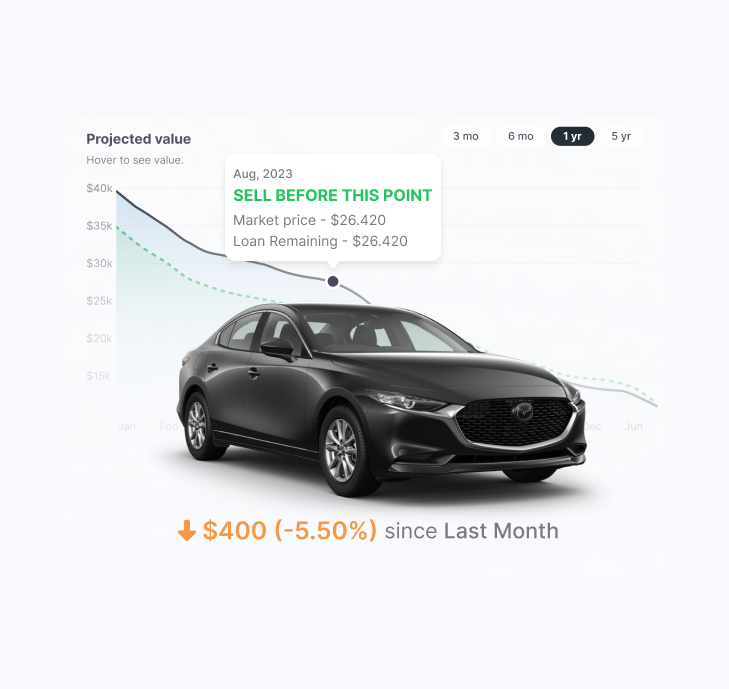
Timing Your Sale: Capitalizing on Market Trends
As previously touched upon, understanding and capitalizing on market trends can be a smart financial play. Beyond seasonal variations, being aware of broader economic shifts, interest rate changes, and even manufacturer recalls or new model releases can inform your selling decision. If a new model year is about to be released, the value of the previous year’s models often takes a slight dip. Similarly, if there’s a surge in demand for used vehicles due to economic factors, it might be an opportune time to sell. Staying informed about the automotive market, treating your car as a valuable asset within your personal finance portfolio, and making strategic decisions throughout its lifespan will ultimately help you maximize its worth when it comes time to move on.
aViewFromTheCave is a participant in the Amazon Services LLC Associates Program, an affiliate advertising program designed to provide a means for sites to earn advertising fees by advertising and linking to Amazon.com. Amazon, the Amazon logo, AmazonSupply, and the AmazonSupply logo are trademarks of Amazon.com, Inc. or its affiliates. As an Amazon Associate we earn affiliate commissions from qualifying purchases.