
Entering college marks a significant milestone, a journey into newfound independence, academic rigor, and often, financial autonomy. For many, it’s the first time managing their own money, a task that can feel daunting amidst tuition fees, living expenses, textbooks, and the ever-present temptation of social activities. However, mastering the art of budgeting as a college student isn’t just about surviving; it’s about thriving. It’s about empowering yourself to make informed financial decisions, reduce stress, avoid unnecessary debt, and lay a robust foundation for future financial well-being.
This comprehensive guide is designed to equip you with the knowledge, tools, and strategies necessary to take control of your finances. We’ll explore why budgeting is indispensable, how to effectively track your income and expenses, craft a personalized budget that works for you, and discover practical tips for saving money and even generating additional income. Embrace this opportunity to transform your financial habits and ensure your college years are defined by academic success and financial peace, rather than monetary anxiety.
The Imperative of Financial Literacy in College
The transition to college life is exhilarating but also fraught with new responsibilities, not least among them being financial management. Understanding and actively managing your money during these formative years is more than just a good idea; it’s a critical skill that will benefit you far beyond graduation. Developing financial literacy early on can dictate your college experience, influencing everything from your daily choices to your academic performance and even your long-term career prospects.
Navigating Newfound Financial Independence
For many college students, this period represents their first foray into true financial independence. Suddenly, you’re responsible for balancing various costs — housing, food, transportation, textbooks, and personal expenses — often without the direct oversight or immediate safety net of family. This independence is a double-edged sword: liberating but also potentially overwhelming. Without a clear understanding of your financial inflows and outflows, it’s easy to overspend, accumulate credit card debt, or constantly feel stressed about money. A budget acts as your financial compass, guiding you through these uncharted waters and helping you make conscious, informed spending decisions that align with your financial capacity. It moves you from a reactive spending pattern to a proactive, controlled approach.
Laying the Foundation for Future Financial Success
The budgeting habits you cultivate in college will likely stick with you for years to come. Learning to live within your means, prioritize needs over wants, save for future goals, and understand the impact of debt are invaluable lessons. These aren’t just skills for managing college funds; they are cornerstones of adult financial responsibility. By practicing prudent money management now, you’re not just ensuring a smoother college experience; you’re actively building a strong financial foundation for your postgraduate life, whether that involves further education, starting a career, or pursuing entrepreneurial ventures. Avoiding bad debt early on can save you years of repayment struggles and interest accumulation, freeing up capital for investments or more impactful life goals later.
Demystifying Your Finances: Income and Expenses
Before you can build an effective budget, you must first understand the landscape of your personal finances. This involves a clear, honest assessment of how much money you have coming in (income) and where every dollar is going out (expenses). This initial, often eye-opening, step is crucial for gaining control and making informed decisions about your spending.
Identifying Your Income Streams
Your income as a college student might be varied and sometimes inconsistent. Start by listing all potential sources of money that you anticipate receiving over a given period (e.g., a month or a semester). Common income streams for college students include:
- Financial Aid: Scholarships, grants, student loans (be mindful that loans need to be repaid).
- Parental Contributions: Regular allowances or money for specific expenses.
- Part-time Jobs: Wages from an on-campus job, off-campus employment, or internships.
- Savings: Money you’ve accumulated prior to college.
- Side Hustles: Freelance work, tutoring, selling items online, gig economy jobs.
Be realistic with these figures. If your income varies, use a conservative estimate or average your earnings over a few months to get a more accurate picture.
Cataloging Your Expenditure Categories
This is where the rubber meets the road. Every dollar you spend needs to be accounted for. Categorize your expenses into logical groups to help you see where your money is truly going. Think broadly at first, then narrow down. Key categories for college students often include:
- Fixed Expenses (typically consistent):
- Tuition and Fees (if paid monthly or quarterly)
- Rent/Housing (on-campus dorms or off-campus apartments)
- Utilities (electricity, internet, water)
- Loan Payments (student loans from previous semesters, car loans)
- Insurance (health, car, renter’s)
- Subscriptions (streaming services, gym memberships)
- Variable Expenses (fluctuate):
- Groceries and Dining Out
- Textbooks and School Supplies
- Transportation (gas, public transport, ride-sharing)
- Personal Care (toiletries, haircuts)
- Entertainment and Social Activities
- Clothing
- Miscellaneous/Emergency Fund contributions
The Power of Tracking: Where Does Your Money Go?
The most effective way to understand your expenses is to track them diligently. For at least one to two months, record every single dollar you spend. This can be done using:
- Budgeting Apps: Mint, YNAB (You Need A Budget), PocketGuard, or simple spreadsheet apps. These often link to your bank accounts and credit cards, automating much of the tracking process.
- Spreadsheets: Google Sheets or Excel offer customizable templates to manually enter and categorize transactions.
- Notebook and Pen: A simple, old-fashioned method that works if you’re consistent.
The goal here isn’t to judge your spending (yet), but simply to observe and gather data. This tracking period will reveal your actual spending habits, often highlighting areas where you might be spending more than you realize. This data is the raw material for building a truly effective and realistic budget.
Crafting Your Personalized College Budget
Once you have a clear picture of your income and expenses, the next critical step is to construct a budget that works for your unique situation. This isn’t about restriction; it’s about intentionality and empowerment. A well-crafted budget gives you permission to spend in areas you value, while ensuring you meet your financial obligations and future goals.
Choosing a Budgeting Method: 50/30/20, Zero-Based, or Envelope System
There isn’t a one-size-fits-all approach to budgeting. Experiment with different methods to find what resonates with your financial style and discipline level:
- The 50/30/20 Rule: A simple guideline where 50% of your after-tax income goes to Needs (rent, utilities, groceries), 30% to Wants (entertainment, dining out, hobbies), and 20% to Savings and Debt Repayment. This method is great for beginners due to its simplicity.
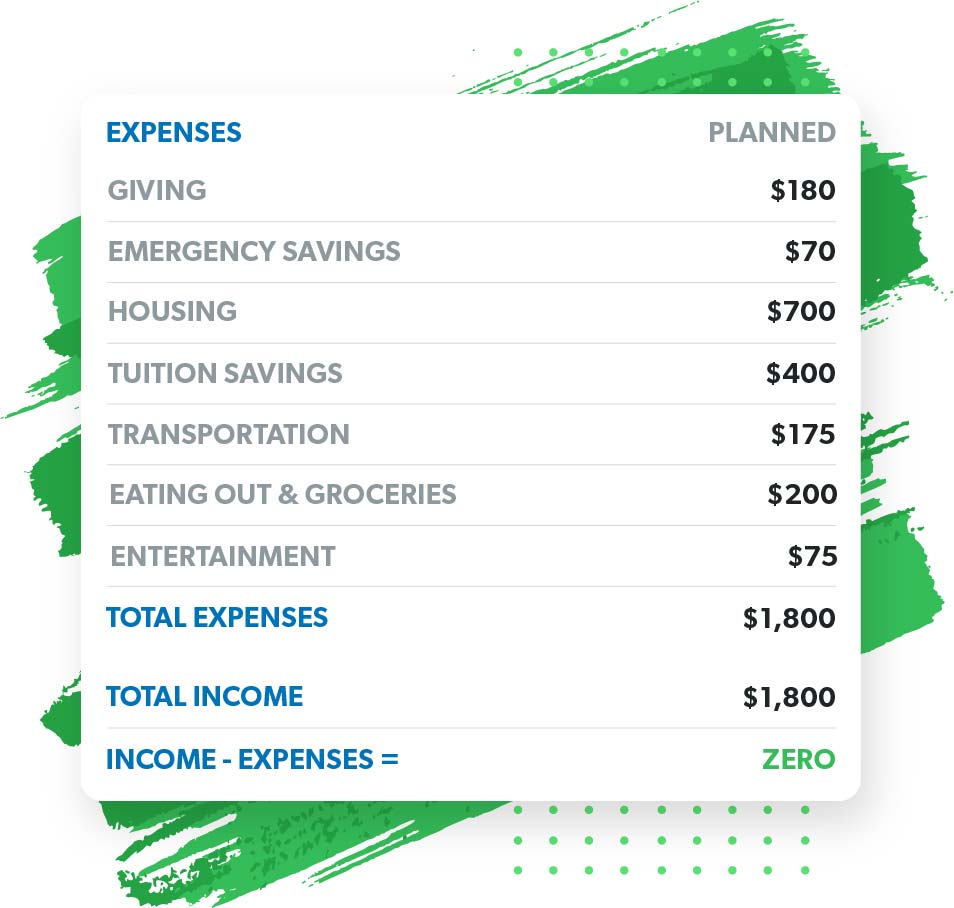
- Zero-Based Budgeting: Every dollar of your income is assigned a “job.” This means your income minus your expenses should equal zero. It requires meticulous planning and tracking but ensures you’re fully intentional with every penny, preventing overspending.
- Envelope System: A tactile method where you allocate physical cash into different envelopes for variable expenses (e.g., “Groceries,” “Entertainment”). Once an envelope is empty, you stop spending in that category until the next budgeting cycle. This is particularly effective for those who struggle with digital spending or credit card use.
Regardless of the method, the core principle remains: plan where your money goes before you spend it.
Allocating Funds Strategically: Essential vs. Discretionary Spending
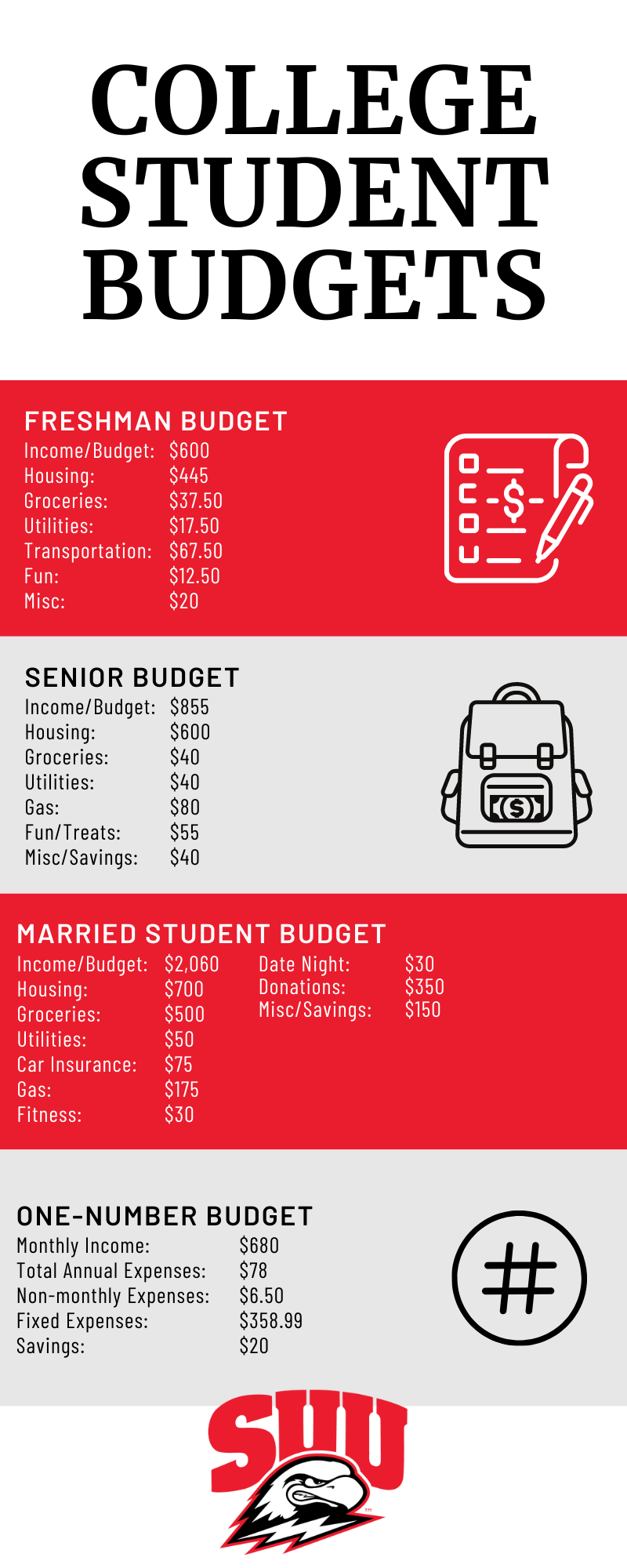
After choosing a method, begin to allocate specific amounts to each of your expense categories. This is where your tracking data from the previous step becomes invaluable.
- Needs (Essential Spending): These are non-negotiable expenses required for your basic survival and academic success. Prioritize these first. This includes rent, utilities, basic groceries, tuition, and required textbooks. If your “needs” exceed 50-60% of your income, you might need to re-evaluate your living situation or seek additional income.
- Wants (Discretionary Spending): These are the expenses that enhance your life but aren’t strictly necessary. This includes dining out, entertainment, subscriptions, new clothes, and travel. This is the area where most adjustments can be made to save money. Be realistic but firm; cutting out all fun can lead to budget burnout, so allow for some reasonable discretionary spending.
- Savings and Debt Repayment: Always allocate a portion of your budget to an emergency fund, future goals (like a post-graduation trip, down payment, or graduate school), and any high-interest debt you might have. Even small, consistent contributions add up.
Remember to be flexible. Life as a college student is dynamic. Your budget should be reviewed and adjusted monthly or quarterly to reflect changes in income, expenses, or priorities.
Setting Realistic Financial Goals
A budget is more effective when it’s tied to clear financial goals. These goals provide motivation and direction for your financial choices. They can be short-term, like saving for a new laptop or a spring break trip, or long-term, such as paying off student loans early or building an emergency fund of three to six months’ living expenses.
- Define your goals: Make them specific, measurable, achievable, relevant, and time-bound (SMART goals).
- Prioritize: You can’t save for everything at once. Decide which goals are most important to you.
- Incorporate into your budget: Allocate specific amounts each month towards these goals. Seeing progress will reinforce positive budgeting habits.
Smart Strategies for Saving and Earning More
Creating a budget is the first step, but actively seeking opportunities to save money and increase your income is how you truly optimize your financial situation as a college student. Small changes can lead to significant savings over time, and a little extra income can provide much-needed breathing room.
Mastering Everyday Savings: Food, Textbooks, and Entertainment
Many of a college student’s largest variable expenses lie in these three areas, making them prime targets for cost-cutting:
- Food:
- Cook at Home: Eating out is a major budget killer. Learn a few simple, cost-effective recipes.
- Meal Prep: Dedicate a few hours each week to prepare meals and snacks for the days ahead.
- Grocery Shopping Smarts: Make a list and stick to it, avoid shopping hungry, buy store brands, look for sales, and utilize student discounts at local grocery stores if available.
- Limit Coffee Shop Visits: Brew your coffee at home.
- Textbooks and School Supplies:
- Rent or Buy Used: Websites like Chegg, Amazon, and your campus bookstore often have rental or used options.
- Digital Versions: E-textbooks can sometimes be cheaper.
- Library Resources: Check if your university library has copies of required readings.
- Form Study Groups: Share the cost of a single textbook with group members, if feasible.
- Entertainment and Social Life:
- Free Campus Events: Utilize your student ID for free movies, concerts, lectures, and sports games.
- Student Discounts: Always ask! Many businesses (restaurants, museums, retail) offer discounts to students.
- Frugal Fun: Host potlucks, have movie nights at home, explore local parks, or organize study sessions that double as social gatherings.
- Prioritize: Decide what social activities are most important to you and budget for those, cutting back on less significant ones.
Exploring On-Campus and Remote Income Opportunities
Boosting your income can significantly alleviate financial pressure. College offers unique avenues for earning:
- On-Campus Jobs: Look for positions in the library, dining hall, administrative offices, tutoring centers, or as a resident advisor (RA), which often comes with free or discounted housing. These jobs are convenient and understand student schedules.
- Remote/Freelance Work: Leverage your skills for online opportunities. This could include freelance writing, graphic design, social media management, web development, virtual assistant work, or tutoring. Websites like Upwork, Fiverr, and various job boards can connect you with clients.
- Gig Economy: Services like DoorDash, Uber Eats, or Instacart offer flexible hours that can fit around classes.
- Sell Unused Items: Declutter your space and make some cash by selling old textbooks, clothes, electronics, or furniture on platforms like eBay, Facebook Marketplace, or local consignment shops.
Leveraging Student Discounts and Resources
Your student ID is a powerful tool for savings. Many companies and institutions offer discounts specifically for students:
- Software and Technology: Adobe, Microsoft, Apple, and various other tech companies offer reduced prices for educational users.
- Transportation: Some public transport systems or ride-sharing services have student programs.
- Retail and Entertainment: Always ask if a store or venue offers a student discount. Many online retailers also partner with student verification services to provide exclusive deals.
- Campus Resources: Your university likely offers free counseling, health services, career services, and even financial advising – utilize them! The financial aid office can also be a great resource for identifying additional scholarships or grants.
Tools and Mindset for Sustained Financial Health
Budgeting isn’t a one-time event; it’s an ongoing practice that requires consistency, adaptation, and the right mindset. Fortunately, modern technology offers powerful tools to simplify the process, while cultivating a disciplined approach ensures long-term success.
Digital Budgeting Tools and Apps
Gone are the days when budgeting meant meticulously balancing a checkbook. A plethora of digital tools can help you track, plan, and analyze your finances with ease:
- Mint: A popular free app that connects to your bank accounts, credit cards, and investments. It categorizes transactions automatically, tracks spending, and provides a comprehensive overview of your financial health. It also offers bill reminders and goal-setting features.
- You Need A Budget (YNAB): A powerful, paid zero-based budgeting app that focuses on giving every dollar a job. YNAB is known for its robust features and educational resources, helping users gain deep insights into their spending and saving habits. It’s excellent for those committed to a proactive budgeting approach.
- PocketGuard: Another free app that links your accounts and helps you “see what’s left to spend” after bills and savings are accounted for. It’s particularly good for a quick, clear snapshot of your disposable income.
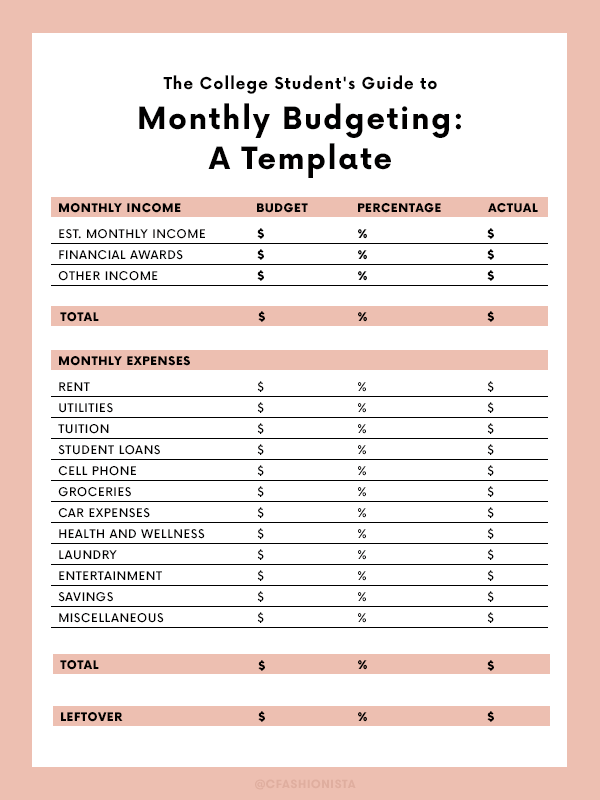
- Personal Finance Spreadsheets: For those who prefer manual control, a customizable spreadsheet (Google Sheets or Excel) can be an excellent tool. Templates are readily available online, allowing you to tailor categories and formulas to your specific needs. This method provides maximum transparency and hands-on engagement with your numbers.
- Bank and Credit Union Apps: Many financial institutions now offer robust budgeting features directly within their mobile apps, allowing you to track spending, set budgets for categories, and receive alerts.
The key is to choose a tool you’ll actually use consistently. Experiment with a few to find the interface and features that best suit your personal style and needs.
Cultivating a Mindset of Financial Discipline
Technology can assist, but true financial mastery stems from an internal commitment to discipline and thoughtful decision-making.
- Regular Reviews: Make it a habit to review your budget at least once a week or every two weeks. See how you’re doing, identify any overspending, and adjust as needed. This proactive approach prevents small issues from becoming big problems.
- Be Flexible, Not Rigid: Life happens. There will be unexpected expenses or opportunities. Acknowledge that your budget isn’t set in stone. If you overspend in one category, look for ways to cut back in another, or allocate less next month. The goal is progress, not perfection.
- Delay Gratification: One of the hardest but most rewarding aspects of financial discipline is learning to delay gratification. Instead of instant purchases, wait a day or two. Often, the urge to buy passes, or you find a better deal.
- Educate Yourself Continuously: Read personal finance blogs, listen to podcasts, and learn from experts. The more you understand about money, the better equipped you’ll be to manage it.
- Don’t Be Afraid to Ask for Help: If you’re struggling, reach out to your university’s financial aid office, a trusted mentor, or even a peer who is good with money. Many colleges offer free financial counseling services.
The Long-Term Rewards of Prudent Budgeting
While the immediate benefits of budgeting – reduced stress, avoiding debt, achieving short-term goals – are significant, the true power of this practice lies in its long-term impact. By consistently managing your money through your college years, you are building habits that will serve you throughout your entire life. You’ll gain confidence in your ability to handle financial challenges, develop a clearer understanding of your financial priorities, and set yourself on a path towards genuine financial independence and security. The discipline learned now will translate into greater control over your future, allowing you to pursue your dreams without being constantly held back by monetary concerns.
Budgeting as a college student is more than just balancing numbers; it’s an investment in yourself and your future. It’s a skill that pays dividends far beyond the classroom, empowering you to navigate life’s financial landscape with confidence and competence. Start today, stay consistent, and watch your financial future flourish.
aViewFromTheCave is a participant in the Amazon Services LLC Associates Program, an affiliate advertising program designed to provide a means for sites to earn advertising fees by advertising and linking to Amazon.com. Amazon, the Amazon logo, AmazonSupply, and the AmazonSupply logo are trademarks of Amazon.com, Inc. or its affiliates. As an Amazon Associate we earn affiliate commissions from qualifying purchases.