
In an increasingly complex world, mastering personal finance is not merely a desirable skill but an essential cornerstone for stability, growth, and ultimately, true freedom. The journey to financial well-being can seem daunting, yet it is a path accessible to everyone, regardless of current income or financial background. It begins with understanding, disciplined action, and a commitment to continuous learning. This comprehensive guide will demystify the process, offering actionable strategies to take control of your money and build a secure future.
I. Laying the Foundation: Understanding Your Financial Landscape
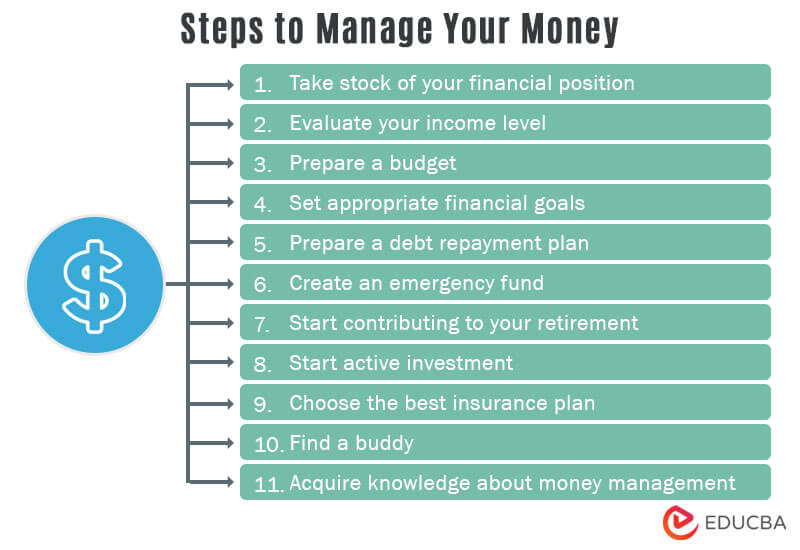
Before embarking on any financial strategy, it is paramount to gain a clear, honest picture of your current financial standing and to articulate where you want to go. This initial assessment provides the necessary context for all subsequent decisions.
A. Assessing Your Current Financial Health
Think of this as your financial health check-up. It involves a detailed inventory of your assets, liabilities, income, and expenses.
- Net Worth Calculation: This is a snapshot of your financial health at a specific point in time. Simply subtract your total liabilities (debts like mortgages, loans, credit card balances) from your total assets (cash, investments, property, retirement accounts). A positive and growing net worth is a strong indicator of financial progress. Don’t be discouraged by a negative net worth; the goal is to identify it and then work towards improving it.
- Income Streams: Document all sources of income, whether from a primary job, a side hustle, investments, or passive sources. Understanding your total monthly or annual inflow is crucial for budgeting.
- Expense Analysis: This is often the most revealing part of the assessment. Track every penny you spend for a month or two. Categorize your expenses into fixed (rent, loan payments, insurance) and variable (groceries, entertainment, dining out). Many free apps and online tools can automate this, but a simple spreadsheet or even a notebook can work wonders. The goal is not just to see where your money goes, but to identify patterns, potential waste, and areas for optimization.
- Debt Overview: List all your debts, including the creditor, interest rate, minimum payment, and remaining balance. High-interest debt, such as credit card balances, can be a major impediment to financial progress and should be prioritized.
B. Defining Your Financial Goals
Managing money effectively is impossible without knowing what you’re managing it for. Financial goals provide direction and motivation. They should be SMART: Specific, Measurable, Achievable, Relevant, and Time-bound.
- Short-Term Goals (1-3 years): Examples include building an emergency fund (3-6 months of living expenses), paying off a specific high-interest debt, saving for a down payment on a car, or funding a vacation.
- Mid-Term Goals (3-10 years): These might involve saving for a house down payment, funding a child’s education, or investing in a significant personal development course.
- Long-Term Goals (10+ years): Retirement planning, buying a dream home, starting a business, or achieving financial independence are common long-term aspirations.
Prioritize your goals. It’s often impossible to work on everything at once, so decide which goals are most important and allocate resources accordingly. Regularly reviewing and adjusting these goals is also important as life circumstances change.
II. Mastering Your Cash Flow: Budgeting and Tracking
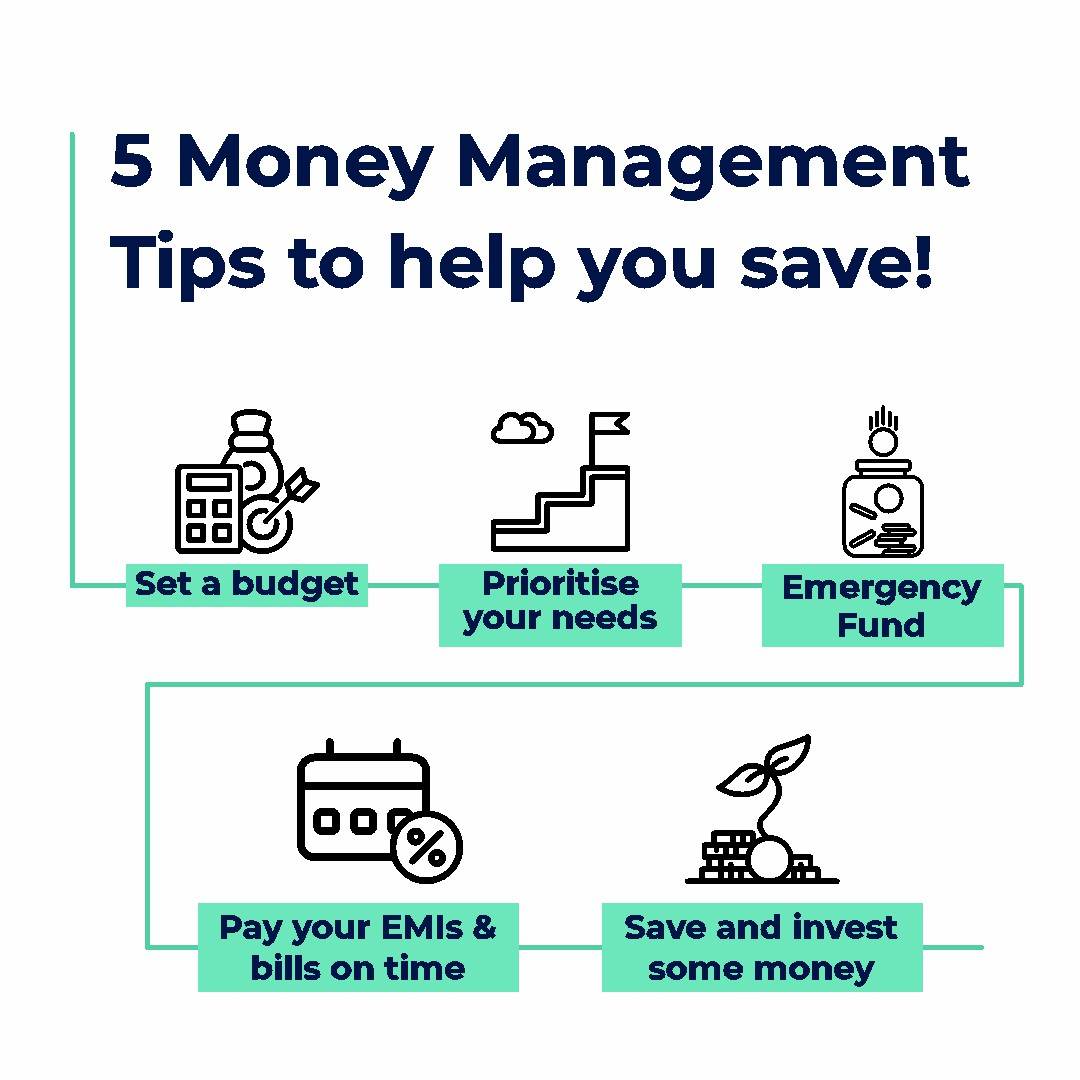
With a clear understanding of your financial present and future aspirations, the next step is to actively manage your cash flow. Budgeting is not about restriction; it’s about intentional spending and ensuring your money serves your goals.
A. The Power of a Budget: Knowing Where Your Money Goes
A budget is a personalized financial plan that allocates your income to various expenses, savings, and debt repayment. It gives you control, reduces financial stress, and highlights opportunities for improvement. The core principle is simple: make sure your outgoing money (expenses + savings) is less than or equal to your incoming money (income).
- Control and Clarity: A budget illuminates where your money is actually going versus where you think it’s going. This clarity empowers you to make conscious choices.
- Goal Attainment: By allocating funds specifically for savings and investments, a budget directly supports your financial goals.
- Reduced Stress: Knowing you have a plan for your money provides a sense of security and significantly reduces financial anxiety.
- Early Warning System: A budget helps you identify potential financial shortfalls before they become crises.
B. Choosing the Right Budgeting Method
There isn’t a one-size-fits-all budget. What works for one person might not work for another. Experiment to find a method that aligns with your personality and lifestyle.
- The 50/30/20 Rule: A popular and straightforward method.
- 50% for Needs: Housing, utilities, groceries, transportation, insurance, minimum debt payments.
- 30% for Wants: Dining out, entertainment, hobbies, travel, shopping, subscriptions.
- 20% for Savings & Debt Repayment: Emergency fund, retirement contributions, investments, extra debt payments.
- This method offers flexibility and is a great starting point for many.
- Zero-Based Budgeting: Every dollar of income is assigned a specific job (expense, savings, debt repayment) until your income minus your expenditures equals zero. This ensures every dollar is accounted for and eliminates aimless spending. It requires more detail but offers maximum control.
- Envelope System: A tactile approach, often used with cash. You allocate cash into physical envelopes for different spending categories (e.g., groceries, entertainment). Once an envelope is empty, you stop spending in that category until the next pay period. This is excellent for curbing overspending in variable categories.
- Pay Yourself First: This philosophy prioritizes savings and investments. As soon as your paycheck arrives, automate transfers to your savings, investment, and debt repayment accounts before you pay your bills or spend on wants. The remaining money is then used for your other expenses.
C. Effective Expense Tracking
A budget is only effective if you stick to it, and tracking your expenses is how you monitor adherence.
- Digital Tools: Many apps (e.g., Mint, YNAB, Personal Capital) sync with your bank accounts and credit cards, categorizing transactions automatically. This offers convenience and real-time insights.
- Spreadsheets: For those who prefer a hands-on approach, a simple spreadsheet allows for complete customization and a detailed overview.
- Manual Tracking: A notebook and pen can be surprisingly effective for a brief period to get a raw sense of spending habits, especially for cash transactions.
Regularly review your spending against your budget. This isn’t about guilt-tripping but about understanding where adjustments might be needed. If you consistently overspend in one category, either adjust your budget or find ways to reduce spending in that area.
III. Building Financial Security: Saving and Investing
While budgeting helps you manage your present, saving and investing are crucial for securing your future. These practices allow your money to work for you, creating a buffer against unforeseen circumstances and fostering long-term wealth growth.
A. The Imperative of an Emergency Fund
This is arguably the most critical component of financial security. An emergency fund is a stash of readily accessible cash, typically held in a high-yield savings account, dedicated solely to unexpected expenses.
- Purpose: Job loss, medical emergencies, car repairs, home repairs – life throws curveballs. An emergency fund prevents these events from derailing your financial progress or forcing you to incur high-interest debt.
- Size: Aim for at least 3-6 months’ worth of essential living expenses. For those with less stable income or dependents, 9-12 months might be more appropriate.
- Automation: Set up an automatic transfer from your checking account to your emergency fund every payday. Treat it as a non-negotiable bill.
B. Setting Up Savings Goals

Beyond your emergency fund, allocate savings for specific, defined goals.
- Short-term Savings: For a vacation, a new gadget, or holiday gifts. These are typically held in regular savings accounts.
- Long-term Savings: For a down payment on a home, a child’s education, or other significant future expenditures. Depending on the timeline, these might involve a mix of savings accounts and low-risk investments.
- Dedicated Accounts: Consider opening separate savings accounts for different goals. Naming them (e.g., “House Down Payment,” “Travel Fund”) can provide extra motivation.
C. Introduction to Investing: Growing Your Wealth
Once your emergency fund is robust and high-interest debt is under control, investing becomes the primary vehicle for long-term wealth creation. Investing allows your money to generate returns, benefiting from the power of compounding.
-
Compounding: This is the process where the returns you earn on your investments also start earning returns. Over time, this snowball effect can lead to significant wealth accumulation.
-
Risk vs. Return: Generally, higher potential returns come with higher risk. Understanding your risk tolerance is key.
-
Diversification: Don’t put all your eggs in one basket. Spread your investments across different asset classes (stocks, bonds, real estate) and sectors to mitigate risk.
-
Common Investment Vehicles:
- Retirement Accounts (401k, IRA): Tax-advantaged accounts specifically designed for retirement savings. Maximize contributions, especially if your employer offers a match (it’s free money!).
- Brokerage Accounts: For general investing goals. You can invest in stocks, bonds, mutual funds, and Exchange Traded Funds (ETFs).
- Mutual Funds & ETFs: Pooled investment vehicles that hold a diversified portfolio of assets, managed by professionals (mutual funds) or passively tracking an index (ETFs). They offer diversification and ease of management for beginners.
- Real Estate: Can be a powerful wealth builder, but requires significant capital and often active management.
-
Start Early, Invest Regularly: The longer your money is invested, the more time compounding has to work its magic. Consistent, regular investments (dollar-cost averaging) can smooth out market volatility. Begin with small, manageable amounts and gradually increase them as your income grows.
IV. Tackling Debt and Improving Credit
Debt can be a powerful tool for building wealth (e.g., a mortgage for a home), but unmanaged, high-interest debt can be a major obstacle. Understanding and strategically addressing debt, along with maintaining a healthy credit score, is vital for financial freedom.
A. Understanding Different Types of Debt
Not all debt is created equal. Distinguishing between “good” and “bad” debt helps in prioritization.
- Good Debt: Typically low-interest debt used to acquire appreciating assets or investments that generate income. Examples include a mortgage on a primary residence, student loans for a valuable education, or business loans that increase earning potential.
- Bad Debt: High-interest debt, often for depreciating assets or consumption. Credit card debt, payday loans, and car loans for rapidly depreciating vehicles fall into this category. These debts can quickly spiral out of control due to exorbitant interest rates.
B. Strategies for Debt Repayment
Focusing on eliminating bad debt should be a top priority once an emergency fund is established.
- Debt Snowball Method: List all your debts from smallest balance to largest. Pay the minimum on all debts except the smallest, which you attack with all extra funds. Once the smallest is paid off, take the money you were paying on it and add it to the payment for the next smallest debt. This method provides psychological wins and motivation.
- Debt Avalanche Method: List all your debts from highest interest rate to lowest. Pay the minimum on all debts except the one with the highest interest rate, which you attack with all extra funds. This method saves the most money on interest over time.
- Debt Consolidation: For multiple high-interest debts, consolidating them into a single loan with a lower interest rate (e.g., a personal loan or balance transfer credit card) can simplify payments and reduce total interest paid. Be cautious of fees and ensure the new interest rate is genuinely lower for the long term.
C. The Importance of a Good Credit Score
Your credit score is a numerical representation of your creditworthiness. It impacts your ability to borrow money, get favorable interest rates on loans (mortgages, car loans, personal loans), and even influence insurance premiums or rental applications.
- Factors Affecting Your Score: Payment history (most important), credit utilization (how much credit you use vs. how much is available), length of credit history, types of credit used, and new credit applications.
- Tips for Improving Credit:
- Pay all bills on time, every time.
- Keep credit utilization low (ideally below 30% of your available credit).
- Avoid opening too many new credit accounts at once.
- Regularly check your credit report for errors (you’re entitled to a free report annually from each of the three major bureaus).
- Maintain older credit accounts (don’t close them if they’re in good standing, as this shortens your credit history).
V. Advanced Strategies for Financial Freedom
Once you have a solid grasp of the fundamentals, you can explore more sophisticated strategies to optimize your financial journey and accelerate your path to financial independence.
A. Automating Your Finances
Automation is a powerful tool for consistent financial management, removing the need for constant vigilance and willpower.
- Automated Savings: Set up automatic transfers from your checking account to your savings, investment, and debt repayment accounts. “Set it and forget it” ensures you consistently work towards your goals.
- Automated Bill Payments: Use auto-pay for recurring bills (utilities, rent, loan payments) to avoid late fees and maintain a good payment history. Just ensure you have sufficient funds in your account.
- “Pay Yourself First”: This principle is greatly enhanced by automation. Set up transfers to your retirement and investment accounts to occur immediately after your paycheck hits.
B. Seeking Professional Financial Advice
While much of personal finance can be learned and managed independently, there are times when professional guidance is invaluable.
- When to Seek Advice: Complex investment portfolios, estate planning, retirement planning, tax optimization, significant life changes (marriage, divorce, inheritance), or when you simply feel overwhelmed.
- Types of Advisors:
- Fiduciary Advisors: Legally bound to act in your best interest. Look for fee-only fiduciaries, as they are compensated directly by you, reducing potential conflicts of interest.
- Robo-Advisors: Automated, algorithm-driven investment platforms that offer low-cost portfolio management, great for beginners or those with simpler needs.
- Due Diligence: Always vet financial advisors thoroughly. Ask about their qualifications, experience, fee structure, and whether they are fiduciaries.
C. Continuous Learning and Adaptation
The financial world is dynamic, with evolving markets, economic conditions, and personal circumstances. A lifelong commitment to learning and adapting is crucial.
- Stay Informed: Read reputable financial news, books, and articles. Follow experts in personal finance and investing.
- Review Regularly: Annually, or whenever significant life changes occur, review your budget, financial goals, investment portfolio, and insurance coverage. Adjust your strategy as needed.
- Be Patient and Persistent: Building wealth and achieving financial freedom is a marathon, not a sprint. There will be setbacks, but consistent effort, patience, and persistence will ultimately lead to success.
Managing your money is an ongoing process, a skill that improves with practice and discipline. By embracing these principles – understanding your financial landscape, mastering your cash flow, building security through saving and investing, tackling debt, and continuously learning – you empower yourself to navigate the complexities of personal finance and build a future of financial confidence and freedom.
aViewFromTheCave is a participant in the Amazon Services LLC Associates Program, an affiliate advertising program designed to provide a means for sites to earn advertising fees by advertising and linking to Amazon.com. Amazon, the Amazon logo, AmazonSupply, and the AmazonSupply logo are trademarks of Amazon.com, Inc. or its affiliates. As an Amazon Associate we earn affiliate commissions from qualifying purchases.