
In today’s fast-paced digital world, your computer is more than just a device; it’s a critical tool for productivity, communication, creativity, and financial management. Over time, however, even the most powerful machines can succumb to the digital equivalent of “wear and tear”: slow performance, persistent errors, unwanted software, and security vulnerabilities. When your PC starts to feel sluggish, unreliable, or simply not “right,” a fresh installation of Windows can be the ultimate solution, breathing new life into your system and restoring it to peak performance.
This comprehensive guide will walk you through every step of performing a clean Windows installation. Beyond just a technical walkthrough, we’ll explore why this process is invaluable, touching upon its impact on your digital security, productivity, and even the financial lifespan of your hardware, aligning perfectly with the Tech, Money, and Brand pillars of our website. Whether you’re a seasoned tech enthusiast or a first-time installer, preparing to tackle performance issues, clean out digital clutter, or ensure maximum security, this guide empowers you to regain control over your computing experience.
Why a Fresh Start Matters: More Than Just a Clean Slate
Many users hesitate at the thought of reinstalling their operating system, fearing complexity or data loss. However, understanding the profound benefits can quickly turn apprehension into determination. A fresh install isn’t merely about resetting; it’s about optimizing, securing, and empowering your digital life.
Revitalizing Performance and Efficiency
Imagine your computer as a perfectly organized office at the start of a new project. Over time, files accumulate, programs get installed and uninstalled leaving behind digital debris, and background processes multiply. This “digital clutter” – remnants of old software, corrupted registry entries, unnecessary startup programs, and fragmented data – can significantly degrade your system’s performance. Your once-snappy PC becomes a source of frustration, with slow boot times, application freezes, and unresponsive multi-tasking.
A fresh Windows installation acts like a complete office overhaul. It wipes away all the accumulated junk, reinstalling the operating system from scratch with only essential components. This results in dramatically improved boot times, smoother application launches, and more responsive overall system performance. For individuals focused on productivity and efficiency (a key aspect of personal and corporate branding), a faster, more reliable machine directly translates to more work done, less wasted time waiting, and a smoother workflow for tasks ranging from content creation to complex data analysis. From a “Money” perspective, a faster machine means you’re not needing to upgrade hardware as frequently, extending the useful life of your existing investments.
Enhanced Security and Stability
Beyond performance, a clean installation offers significant security advantages. Over months or years of use, even with robust antivirus software, systems can accumulate hidden malware, spyware, or other unwanted programs that subtly compromise your privacy and security. These threats can range from annoying pop-ups to sophisticated keyloggers or ransomware, putting your sensitive data, financial information, and digital reputation at risk.
A fresh install is the most effective way to eliminate deeply entrenched malware and ensure your system is entirely free from such persistent threats. You start with a pristine operating system, free from any past infections or vulnerabilities introduced by third-party software. This clean slate allows you to build a robust security foundation from the ground up, implementing the latest updates, choosing trusted security software, and configuring privacy settings optimally. This heightened level of digital security is paramount for protecting your personal data, online banking, and professional integrity, making it a critical “Tech” and “Money” consideration to avoid potential financial losses or reputational damage.
Preparing for a Sale or New Beginning
Whether you’re upgrading to a new device or simply want to give your old PC a new lease on life for another family member, a fresh Windows installation is indispensable. Before selling or donating a computer, securely wiping your personal data is not just advisable; it’s a critical step in safeguarding your privacy and preventing identity theft. Merely deleting files or formatting a drive isn’t enough, as data recovery tools can often retrieve seemingly erased information.
A fresh install, especially when combined with secure data erasure techniques for the prior OS installation (which often happens implicitly by fully reformatting the drive during the install process), ensures that all your personal files, accounts, and sensitive information are completely removed. This protects your personal brand and financial security. For a new user, a fresh install means they receive a clean, fully functional system without any residual software or configurations from the previous owner, enhancing the value and appeal of the device. This preparation maximizes the resale value (“Money”) and provides peace of mind.
Essential Pre-Installation Checklist: Your Foundation for Success
Before embarking on the fresh installation journey, thorough preparation is paramount. Skipping these vital steps can lead to significant data loss, installation hurdles, or a frustrating experience. Think of this as laying the groundwork for a robust, stable system – a smart investment of time that prevents headaches later.
Safeguarding Your Data: The Golden Rule
This is, without a doubt, the single most critical step. A fresh Windows installation involves formatting your primary hard drive, which will erase everything on it. This includes all your documents, photos, videos, music, applications, and custom settings. Failure to back up your data means permanent loss.
There are several reliable backup strategies:
- External Hard Drive: Copy all essential files and folders to an external USB drive.
- Cloud Storage: Utilize services like OneDrive, Google Drive, Dropbox, or iCloud to synchronize your critical files. This offers off-site backup and easy restoration.
- Network-Attached Storage (NAS): For more extensive home or small business setups, a NAS provides centralized, secure storage.
- Disk Imaging Software: Tools like Macrium Reflect or Acronis True Image can create a complete image of your existing drive, including the operating system and installed programs. While not essential for a fresh install, it’s invaluable for quick recovery if you ever need to revert to your old system.
Take the time to identify all important data – documents, family photos, financial records, browser bookmarks, software license keys – and ensure they are safely stored on a separate medium. This step directly impacts your “Money” and “Brand” by protecting valuable intellectual property, personal memories, and ensuring business continuity.
Gathering Your Arsenal: Product Keys and Installation Media
With your data secure, the next step is to gather the necessary tools for the installation itself.
- Windows Product Key: If your Windows license is not tied to your Microsoft account or embedded in your motherboard (common for OEM licenses on newer PCs), you’ll need your 25-character product key. You can often find this on a sticker on your PC, in an email from an online retailer, or by using third-party tools (though these only retrieve the currently installed key, which might not be needed if your license is digital). For older systems, having this key is crucial for activating your new Windows installation. For digital licenses tied to your Microsoft account, activation will often happen automatically once you sign in. This ensures your investment in a legitimate Windows license is maintained.
- USB Flash Drive (8GB or larger): This will serve as your bootable installation media. Ensure it’s empty or that you’ve backed up its contents, as the process will format it.
- Internet Connection: Required during the installation process for updates and initial setup, and crucial afterwards for drivers and software.
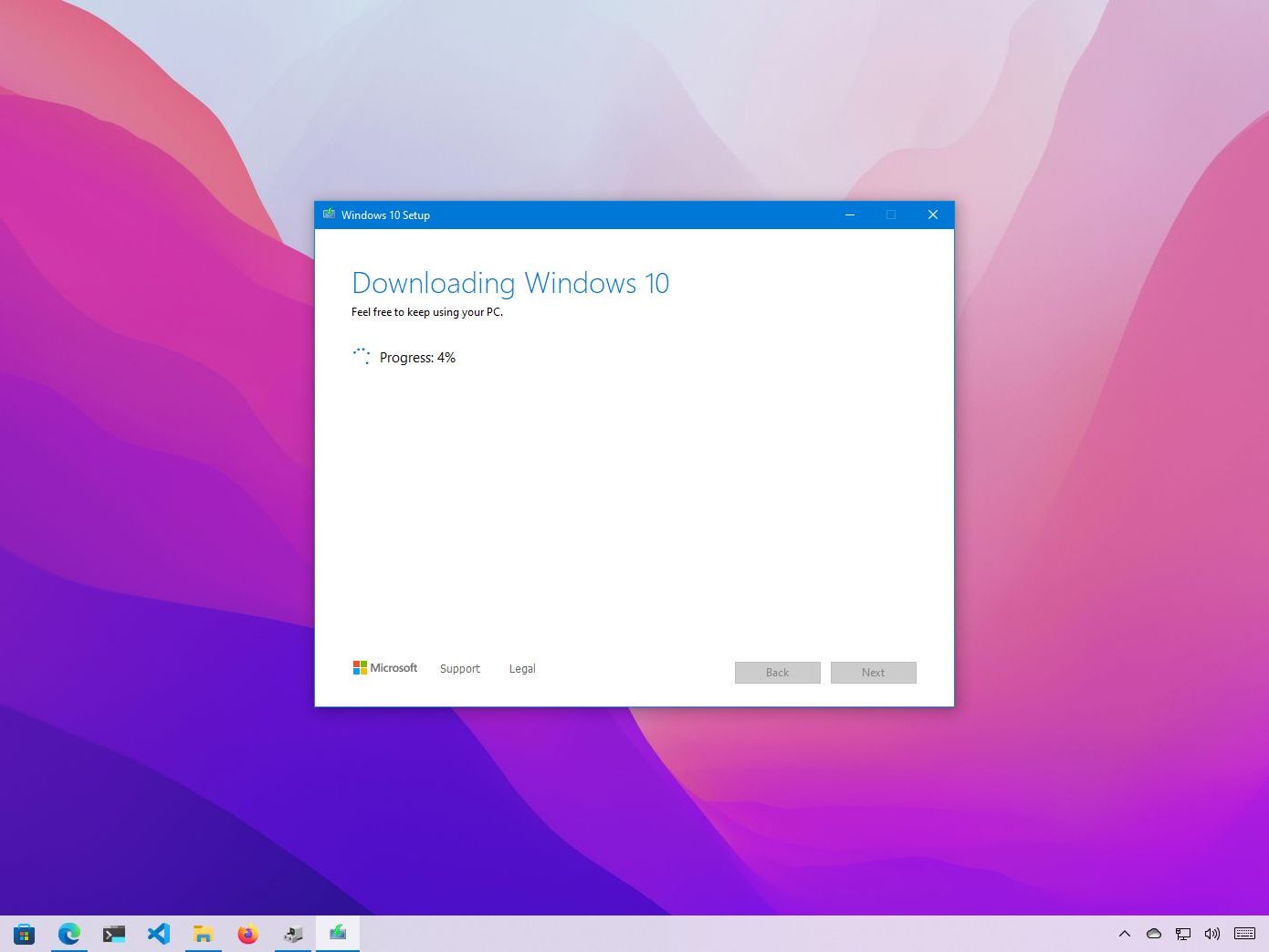
- Windows Media Creation Tool: This free utility from Microsoft is the easiest way to download the latest Windows ISO and create a bootable USB drive. You’ll need access to another working computer to download and run this tool.
System Requirements and Compatibility Checks
Before proceeding, quickly verify that your hardware meets the minimum system requirements for the version of Windows you intend to install (e.g., Windows 10 or Windows 11). While most modern PCs will pass, this check can save you from potential installation failures or performance issues later. This “Tech” check is a form of risk management, preventing wasted time and ensuring your hardware investment is utilized effectively. Also, consider if your machine has any proprietary drivers (e.g., specific motherboard drivers, RAID drivers) that might need to be downloaded in advance and saved to the installation USB or another drive.
Step-by-Step: The Windows Fresh Installation Process
With your preparations complete, you’re ready to initiate the installation. This section provides a detailed walkthrough, ensuring a smooth transition to your newly revitalized system.
Booting from Your Installation Media
The first challenge is to instruct your computer to start from the USB drive rather than its internal hard drive.
- Insert the USB Drive: Plug your bootable USB drive into an available USB port on your computer.
- Restart Your PC: Restart your computer. As it powers on, you’ll need to repeatedly press a specific key to enter your computer’s BIOS/UEFI settings or a Boot Menu. Common keys include
Del,F2,F10,F12, orEsc. The exact key varies by manufacturer (e.g., Dell, HP, Lenovo, Asus, MSI). Look for a prompt on the screen during startup. - Change Boot Order: Once in the BIOS/UEFI, navigate to the “Boot Options” or “Boot Priority” section. Here, you’ll need to set your USB drive as the primary boot device. Save your changes and exit. Your computer will then restart and boot from the USB drive. If you’re using a “Boot Menu,” simply select your USB drive from the list.
Navigating the Setup Wizard
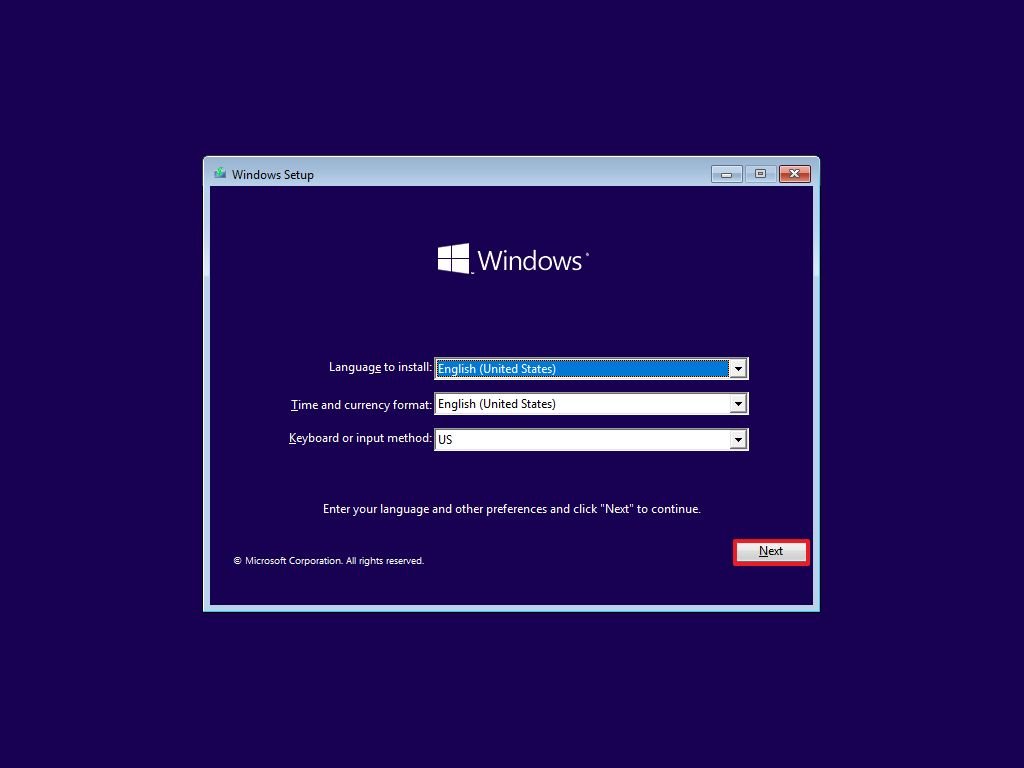
Once your PC boots from the USB drive, the Windows Setup wizard will launch.
- Language and Region: Select your language, time and currency format, and keyboard input method. Click “Next.”
- Install Now: Click the large “Install now” button.
- Product Key: If prompted, enter your Windows product key. If you don’t have one readily available or your license is digitally tied to your Microsoft account, select “I don’t have a product key.” Windows will often activate automatically after installation once connected to the internet and you log in with your Microsoft account.
- License Terms: Accept the Microsoft Software License Terms.
- Type of Installation: This is a crucial step. Choose “Custom: Install Windows only (advanced).” This option allows you to manage disk partitions, which is essential for a clean install. Do not choose “Upgrade.”
Custom Installation and Disk Partitioning
This is where you decide where Windows will be installed and how your drive will be organized. Proceed with caution, as incorrect steps here can lead to data loss if you haven’t backed up properly.
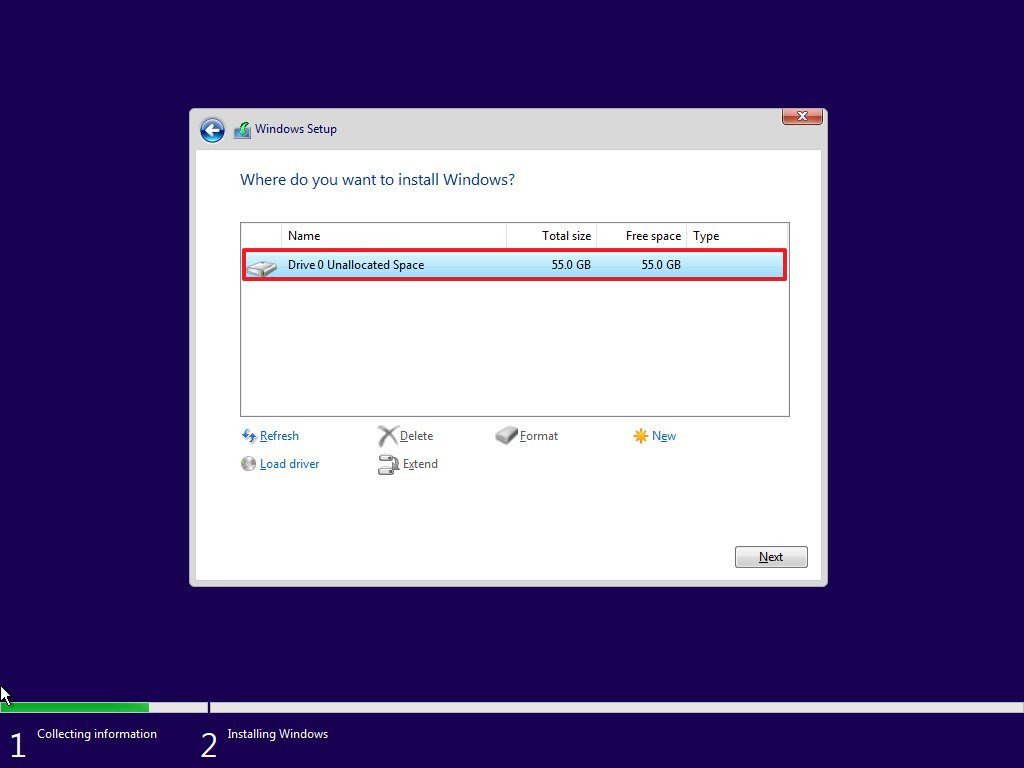
- Select Drive to Install Windows: You’ll see a list of drives and partitions. To perform a truly clean install, you’ll want to delete all existing partitions related to your previous Windows installation.
- Identify the drive where your old Windows was installed (usually “Drive 0”).
- Select each partition associated with your old OS (e.g., “Recovery,” “System,” “Primary” partitions for the old Windows) and click “Delete.” Confirm any warnings. This will merge them into “Unallocated Space.”
- Create New Partition (Optional but Recommended): Select the “Unallocated Space” and click “New” to create a fresh partition for your new Windows installation. Windows will typically recommend the maximum available size. Click “Apply” to create the primary partition and any small system partitions Windows needs.
- Format (Optional): If you chose to keep an existing partition (not recommended for a truly fresh install of the main OS drive), you would select it and click “Format.” For a clean install deleting all previous partitions, this step is often handled automatically when creating a new partition from “Unallocated Space.”
- Select Target Partition: Choose the newly created “Primary” partition (or the “Unallocated Space” if you skipped creating a new partition and let Windows do it) and click “Next.”
Windows will now begin the installation process, copying files and performing initial setups. This will involve several restarts.
Initial Configuration: User Accounts and Privacy Settings
After the main installation files are copied, your PC will restart, and you’ll be guided through the final setup steps.
- Region and Keyboard Layout: Confirm your region and keyboard layout.
- Network Connection: Connect to a Wi-Fi or Ethernet network. This is crucial for subsequent updates and activation.
- Account Setup:
- Microsoft Account: Windows will prompt you to sign in with or create a Microsoft account. Using a Microsoft account links your PC to cloud services, allows for easier license activation, and syncs settings. This is generally recommended for personal use.
- Offline Account (Local Account): If you prefer not to use a Microsoft account, look for an option like “Offline account” or “Skip for now” during the setup.
- Create PIN (Optional): For quick sign-in.
- Privacy Settings: Windows will present various privacy settings (location, diagnostic data, tailored experiences). Review these carefully and make choices that align with your privacy preferences. These choices can affect your digital security and how your data is used, impacting your overall digital brand and potential data monetization.
- Cortana: Choose whether to enable Cortana.
Once these steps are complete, Windows will finalize the setup, and you’ll be presented with your brand-new desktop!
Post-Installation: Optimizing Your Newly Refreshed System
Your PC is now running Windows fresh from the factory, but the journey isn’t over. Several critical steps remain to ensure your system is secure, fully functional, and optimized for maximum productivity. This stage is crucial for realizing the full “Tech” and “Money” benefits of your fresh install.
Drivers and Windows Updates: The First Priority
Your clean Windows installation comes with generic drivers that might not fully utilize your hardware’s capabilities. Furthermore, new operating systems always require immediate updates for security and stability.
- Run Windows Update: Connect to the internet immediately and go to
Settings > Update & Security > Windows Update(orSettings > Windows Updateon Windows 11). Click “Check for updates” and install everything available. This will often download many essential device drivers (for graphics, audio, network adapters) and critical security patches. Restart your PC as prompted. Repeat this process until no more updates are found. This is the most crucial step for maintaining digital security and ensuring stability. - Install Remaining Drivers: For certain specialized hardware (e.g., dedicated graphics cards like NVIDIA or AMD, specific motherboard chipsets, or peripherals), you might need to visit the manufacturer’s website to download and install the latest drivers manually. This ensures optimal performance for gaming, video editing, and other resource-intensive tasks, maximizing your hardware investment. Check your “Device Manager” (search for it in the Start Menu) for any devices with yellow exclamation marks, indicating missing drivers.
Restoring Data and Essential Software
With your system updated and drivers installed, it’s time to bring back your files and set up your daily workflow.
- Restore Your Backups: Copy your backed-up personal files (documents, photos, music, videos) from your external drive or cloud storage back to their appropriate locations on your PC.
- Install Essential Applications: Reinstall your critical software:
- Web Browser: Your preferred browser (Chrome, Firefox, Edge, Brave).
- Antivirus/Security Suite: While Windows Defender is built-in and robust, many users prefer third-party solutions. Choose a reputable one that fits your needs. This is fundamental for digital security.
- Office Suite: Microsoft Office, LibreOffice, or Google Workspace.
- Productivity Tools: Any specific software for your work or hobbies (e.g., Photoshop, video editors, communication apps, development tools).
- Cloud Sync Software: Reinstall and configure services like OneDrive, Dropbox, or Google Drive for continuous file synchronization.
Prioritize software that directly contributes to your productivity and online income if applicable, ensuring your workflow is quickly re-established.
Security Best Practices and Productivity Tools
Finally, integrate ongoing security and productivity habits to maintain your pristine system.
- Firewall Configuration: Ensure Windows Firewall is active and configured correctly.
- Password Manager: Use a strong password manager (e.g., LastPass, Bitwarden, 1Password) to generate and store unique, complex passwords for all your online accounts. This drastically improves your digital security and protects your personal brand from breaches.
- Regular Backups: Establish a routine for ongoing data backups, whether automated to the cloud or manual to an external drive. This safeguards your data and provides peace of mind, minimizing financial risk.
- System Maintenance: Periodically run disk cleanup, defragment your hard drive (if it’s an HDD, not an SSD), and review startup programs. Avoid installing unnecessary software (“bloatware”) to keep your system lean and fast, preserving its performance and extending its lifespan.
A clean, well-maintained system isn’t just a technical achievement; it’s a strategic move. It enhances your productivity by reducing downtime, bolsters your digital security by minimizing vulnerabilities, and optimizes your financial investment in your hardware by extending its useful life.
Troubleshooting Common Issues and Advanced Tips
Even with careful preparation, unexpected issues can arise. Knowing how to troubleshoot common problems and adopting best practices for long-term system health will empower you further.
Addressing Installation Hurdles
- Boot Issues: If your PC doesn’t boot from the USB, double-check your BIOS/UEFI settings for the correct boot order. Ensure “Secure Boot” and “Fast Startup” are temporarily disabled during installation, as they can sometimes interfere. Try a different USB port or re-create the bootable USB drive using the Media Creation Tool.
- Driver Problems: If your network or other essential hardware isn’t working after installation, revisit the manufacturer’s website for specific drivers. You might need to download them on another PC and transfer them via another USB drive.
- Activation Issues: If Windows doesn’t activate automatically, ensure you’re connected to the internet and signed in with the correct Microsoft account (if your license is digital). If using a product key, verify it’s entered correctly. For persistent issues, Microsoft’s activation troubleshooter (in Settings) can often help.
Best Practices for Long-Term System Health
A fresh install is an excellent reset, but maintaining that pristine state requires ongoing diligence.
- Be Selective with Software: Only install programs you genuinely need and trust. Resist the urge to download questionable “free” software that often bundles unwanted bloatware or adware. This directly impacts your system’s performance and security.
- Regular Updates: Make Windows Update and application updates a routine. They often include critical security patches and performance improvements.
- Monitor Performance: Pay attention to how your PC feels. If it starts to slow down, investigate. Use Task Manager to identify resource-hungry applications.
- Cloud Integration: Leverage cloud services not just for backup, but also for collaborative work and access to files from anywhere. This boosts productivity and adds another layer of data safety.
- Physical Maintenance: Don’t forget physical cleanliness. Dust buildup can lead to overheating, which in turn causes performance throttling and reduces hardware lifespan – a direct impact on your money spent on tech.
By following these tips, you not only maintain the benefits of your fresh install but also build a robust, secure, and highly efficient computing environment that supports your professional brand and helps manage your digital assets effectively.
Conclusion
Performing a fresh installation of Windows is a powerful way to revitalize your computer, transforming a sluggish, error-prone machine into a fast, secure, and reliable workhorse. This guide has provided you with the knowledge and steps to navigate the process confidently, from crucial pre-installation backups to post-installation optimization.
By investing your time in this process, you’re not just reinstalling an operating system; you’re making a strategic decision that impacts your Tech experience through enhanced performance and stability, safeguards your Money by extending hardware lifespan and preventing security-related financial losses, and boosts your Brand by empowering you with a more productive and secure digital environment. Embrace the clean slate, enjoy the renewed speed, and operate with the peace of mind that comes from a perfectly optimized system. Your journey to a better computing experience starts now.
aViewFromTheCave is a participant in the Amazon Services LLC Associates Program, an affiliate advertising program designed to provide a means for sites to earn advertising fees by advertising and linking to Amazon.com. Amazon, the Amazon logo, AmazonSupply, and the AmazonSupply logo are trademarks of Amazon.com, Inc. or its affiliates. As an Amazon Associate we earn affiliate commissions from qualifying purchases.