
Tax season, for many, evokes a mix of apprehension and urgency. It’s an annual reckoning with our financial responsibilities, a period demanding precision, compliance, and often, a clear understanding of complex regulations. Whether you’re a first-time filer, a seasoned investor, a burgeoning small business owner managing online income or side hustles, or simply navigating the nuances of personal finance, knowing where and how to file your taxes efficiently is paramount. This guide aims to demystify the process, offering insights into various filing avenues and empowering you to make informed decisions that align with your financial profile.

The choice of where to file can significantly impact your experience, from the cost incurred to the level of support received and the ultimate accuracy of your return. From do-it-yourself digital solutions to expert professional guidance, the landscape of tax filing is diverse. Understanding these options is the first step towards a stress-free tax season and robust personal financial management.
Understanding Your Tax Filing Options: Navigating the Landscape of Financial Responsibility
The modern financial world offers an array of methods for fulfilling your tax obligations. Each comes with its own set of advantages, catering to different levels of financial complexity, budget constraints, and personal preferences. Selecting the right approach is a critical decision in your annual financial planning.
DIY Online Platforms: Cost-Effective & Convenient Solutions
For many individuals with relatively straightforward financial situations, online tax preparation software presents an attractive and highly convenient option. These digital financial tools have revolutionized personal finance, allowing millions to file their taxes from the comfort of their homes. Platforms like TurboTax, H&R Block Online, and FreeTaxUSA guide users step-by-step through the filing process, asking questions about income, deductions, and credits, and automatically calculating the figures.
The primary appeal here is cost-effectiveness – many offer free federal filing for simple returns, and even paid versions are often significantly cheaper than professional assistance. They also provide instant gratification, with e-filing often leading to quicker refunds. For those with online income from side hustles or simple investment portfolios, these platforms can capably handle the intricacies, often providing prompts for common financial scenarios. They are essentially personal financial tools designed for mass accessibility.
Traditional Tax Software: Desktop Solutions for Enhanced Control
Beyond web-based platforms, dedicated desktop tax software (e.g., downloadable versions of TurboTax Deluxe, H&R Block Premium) offers a similar DIY experience but with the added benefit of local installation. This can be particularly appealing for those who prefer to keep their sensitive financial data offline or have specific needs that warrant a more robust, locally managed financial tool.
These software packages often come with advanced features, such as import capabilities for investment transactions (crucial for those actively engaged in investing) or specific tools for small business finance, self-employment income, or rental property deductions. While they require an initial purchase, they can be a worthwhile investment for individuals or families with more complex financial profiles who still prefer a hands-on approach.
Professional Tax Preparers: Expert Guidance for Complex Financial Scenarios
For individuals, families, and businesses with intricate financial situations, the expertise of a professional tax preparer is often invaluable. This category includes Certified Public Accountants (CPAs), Enrolled Agents (EAs), and other qualified tax professionals. They offer more than just data entry; they provide strategic financial advice, ensuring you leverage every possible deduction and credit, and navigate complex tax laws (e.g., related to business finance, international income, significant investment portfolios, or inheritance).
The benefits include peace of mind, audit support, and often, the discovery of savings you might have overlooked. While this is typically the most expensive option, the value derived from optimized returns and expert financial planning can far outweigh the cost, especially for those managing substantial assets, running businesses, or dealing with major life changes. For those with substantial online income or multiple side hustles, a professional can help properly categorize and deduct business expenses.
Free Tax Assistance Programs: Community Support for Eligible Taxpayers
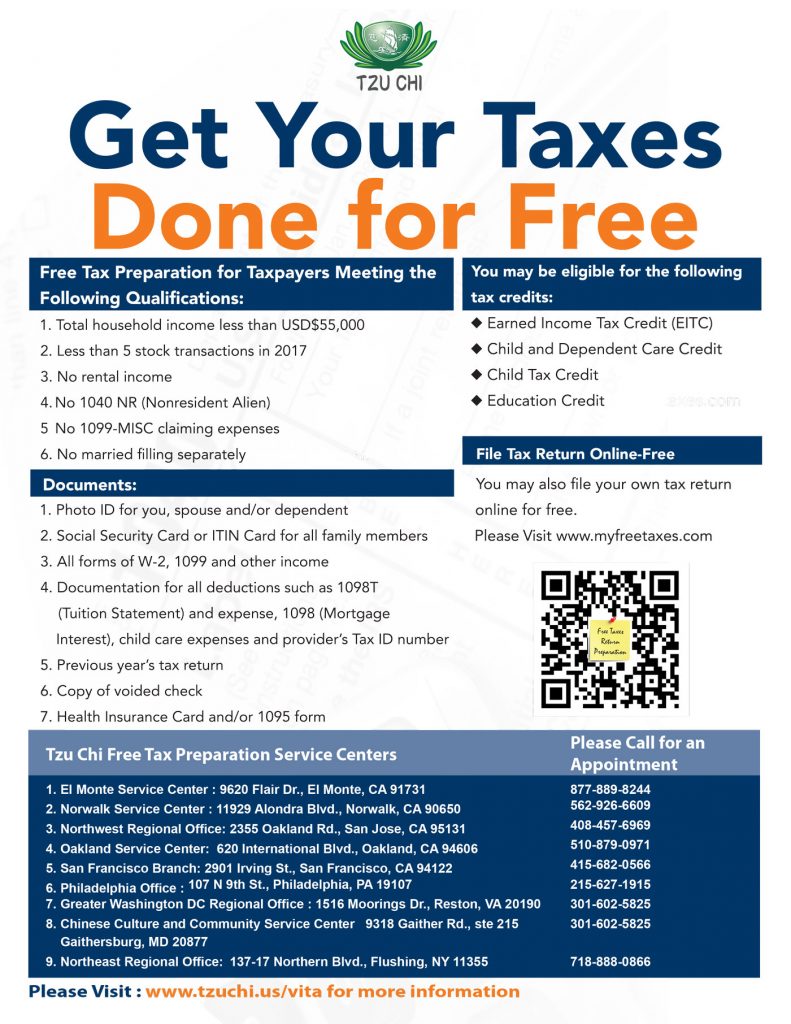
Financial literacy and access to tax filing assistance are crucial for community well-being. Recognizing this, several programs offer free tax preparation services to eligible individuals. The IRS-sponsored Volunteer Income Tax Assistance (VITA) program and Tax Counseling for the Elderly (TCE) program are cornerstones of this effort. VITA generally serves people who make $64,000 or less, persons with disabilities, and limited English-speaking taxpayers. TCE specializes in tax issues unique to seniors, typically those aged 60 and over.
These programs are staffed by IRS-certified volunteers who provide free basic income tax return preparation with electronic filing. They are invaluable community financial tools, ensuring that economic constraints do not prevent individuals from meeting their tax obligations. Finding a VITA or TCE site “near me” is a common query, highlighting the local nature of these essential services.
Locating Your Ideal Filing Solution: Practical Steps to Financial Compliance
Once you’ve identified the type of filing solution that best suits your financial needs, the next step is to locate a reliable provider or resource. This often involves leveraging online search tools, community directories, and even direct government resources.
Searching for Local Tax Professionals: Proximity and Specialization
If you opt for professional help, a quick online search for “CPA near me” or “tax preparer near me” will yield numerous results. However, proximity is just one factor. It’s crucial to consider their specialization. Do they have experience with business finance for online entrepreneurs, extensive investment portfolios, or specific state tax complexities? Professional organizations like the National Association of Enrolled Agents (NAEA) or state CPA societies often provide searchable directories of their members. Referrals from trusted friends or financial advisors can also lead to excellent local experts who understand the nuances of personal finance in your area.
Identifying VITA/TCE Sites: Accessing Free Community Resources
To find a VITA or TCE site, the IRS website is your best resource. Their “Free Tax Help” tool allows you to search by zip code for nearby locations. These sites are often located in community centers, libraries, schools, and other public venues. Given their community-driven nature, they are excellent examples of local financial assistance, making tax filing accessible to all segments of the population.
IRS Taxpayer Assistance Centers (TACs): Direct Support for Federal Matters
While IRS Taxpayer Assistance Centers (TACs) do not prepare taxes, they are invaluable for specific federal tax matters. You can find your nearest TAC on the IRS website. They offer in-person assistance with tax account issues, tax law questions, and can help with inquiries about your refund or payment. For complex federal issues that go beyond the scope of general preparation, a visit to a TAC, often by appointment, can provide direct guidance from the ultimate authority on federal financial compliance.
Employer-Provided Resources and Referrals: Hidden Perks for Financial Planning
Some employers, as part of their employee benefits package, offer access to financial planning services or provide referrals to tax professionals. This can be a significant perk, especially for those navigating stock options, retirement contributions, or other employer-specific financial instruments. Always inquire with your HR department about any such benefits that could simplify your personal finance management and tax filing process.
Preparing for a Smooth Tax Filing Experience: Maximizing Your Financial Efficiency
Regardless of your chosen filing method, thorough preparation is the cornerstone of a smooth, accurate, and potentially more financially rewarding tax season. Being organized can save you time, stress, and even money by ensuring you don’t miss out on valuable deductions or credits.
Essential Documents Checklist: Gathering Your Financial Paperwork
Before you begin, gather all necessary financial documents. This includes:
- Income Statements: W-2 forms (from employers), 1099 forms (for freelance income, online income, side hustles, dividends, interest, retirement distributions), K-1 forms (for partnerships/S-corps), Social Security statements.
- Proof of Deductions & Credits: Mortgage interest statements (Form 1098), property tax records, charitable contribution receipts, medical expense records, student loan interest statements, records of business expenses (for self-employed individuals), childcare expenses, retirement contributions (IRA, 401k), and educational expenses.
- Investment Records: Brokerage statements detailing stock sales, dividends, and interest received are vital for accurate reporting of your investing activities.
- Personal Information: Social Security numbers for all family members, bank account information for direct deposit/debit.
Organizing these documents systematically is a fundamental practice in personal finance and greatly expedites the tax filing process.
Understanding Your Tax Obligations: Federal, State, and Local Considerations
Taxes aren’t solely a federal matter. Most states also levy income taxes, and some localities have their own income taxes or specific property-related levies. Understanding the different layers of your financial responsibility is key. Your choice of where to file might need to accommodate all these tiers. Many online platforms and professional preparers can handle multi-state filings, but it’s an important point to clarify, especially if you’ve moved or worked in different states during the tax year.
Key Deadlines and Extensions: Staying Financially Compliant
Knowing the annual tax deadline (typically April 15th for federal and most state income taxes) is non-negotiable. Missing it can result in penalties and interest. If you anticipate needing more time, filing an extension will give you an additional six months to file your return, though it does not extend the time to pay any taxes owed. Proactive financial planning throughout the year, including estimating your tax liability, can help avoid last-minute surprises.
Proactive Financial Planning Throughout the Year: Beyond Just Tax Season
The best tax filing strategy begins long before January 1st. Incorporating tax considerations into your year-round financial planning is a hallmark of sound personal finance. This includes:
- Estimating Quarterly Taxes: If you have significant online income, freelance earnings, or investment income, you may need to pay estimated taxes quarterly.
- Maximizing Deductions and Credits: Keeping meticulous records of charitable contributions, medical expenses, and business deductions (for side hustles) throughout the year.
- Retirement Contributions: Contributing to IRAs or 401(k)s can reduce your taxable income.
- Tax Loss Harvesting: For investors, strategically selling losing investments can offset capital gains.
These strategies not only simplify tax season but also optimize your overall financial health, demonstrating how tax filing is an integral component of comprehensive personal finance.
Choosing the Right Path: Tailoring Your Tax Strategy to Your Financial Profile
The ultimate decision on where to file your taxes should be a thoughtful one, weighing various factors specific to your individual or business financial situation.
Complexity of Your Financial Situation: When to Seek Expert Financial Guidance
Your financial profile is the primary determinant. If you have a W-2 and take the standard deduction, a DIY online platform is likely sufficient. However, if you are self-employed with significant online income, actively investing in diverse portfolios, own rental properties, have multiple side hustles, or recently experienced a major life event (marriage, divorce, birth of a child, home purchase/sale), your situation warrants a more robust approach. In these cases, a professional tax preparer offers specialized business finance insights and can navigate the complexities, potentially identifying tax-saving opportunities you might miss.
Cost-Benefit Analysis of Filing Methods: Weighing Fees Against Peace of Mind
Consider the fees associated with each method. Free online options are great for simple returns, but if your return is complex, the paid versions or professional fees might be justified by the potential for greater deductions, reduced audit risk, and the sheer peace of mind. A few hundred dollars spent on a skilled CPA could save you thousands in missed deductions or penalties, proving to be a wise investment in your financial future.
Data Security and Privacy Concerns: Protecting Your Financial Information
In an increasingly digital world, protecting your sensitive financial information is paramount. Reputable online tax software providers invest heavily in cybersecurity. When choosing a professional, ensure they have strong data protection protocols. Be wary of unverified services or individuals who promise unrealistic refunds. Always verify credentials and prioritize services that demonstrate a clear commitment to safeguarding your personal financial data.
Post-Filing Best Practices: Safeguarding Your Financial Future
Filing your taxes is not the end of your financial responsibilities; rather, it’s a critical milestone in a year-long cycle of financial management. What you do after you file is just as important for maintaining financial integrity and optimizing your long-term financial health.
Record Keeping and Audit Preparedness: Maintaining Financial Integrity
After filing, always keep copies of your tax return and all supporting documents (W-2s, 1099s, receipts, investment statements, etc.) for at least three years, and ideally seven. This meticulous record-keeping is a fundamental principle of sound personal finance. In the rare event of an IRS audit, having organized records will simplify the process and strengthen your position, demonstrating due diligence and financial integrity.
What to Do with Your Refund or Payment: Smart Financial Decisions
If you receive a tax refund, view it as an opportunity for strategic financial growth, not just extra spending money. Consider using it to:
- Pay Down High-Interest Debt: A refund can significantly reduce credit card balances or personal loans.
- Boost Your Savings: Contribute to an emergency fund or a high-yield savings account.
- Invest for the Future: Allocate funds to your retirement accounts (IRA, 401(k)), brokerage account for long-term investing, or even a college savings plan.
- Invest in Your Business: For those with online income or side hustles, a refund can be reinvested into your business for growth.
Conversely, if you owe taxes, make sure to pay by the deadline to avoid penalties. Consider adjusting your withholdings or making estimated payments for the upcoming year to prevent a similar situation.

Year-Round Tax Planning: Optimizing Your Financial Health
The most financially savvy individuals integrate tax planning into their ongoing personal finance strategies. This includes:
- Regular Review of Withholdings: Ensure your W-4 is accurate to avoid underpaying or overpaying taxes.
- Tracking Deductible Expenses: Keep a digital or physical record of all potential deductions and credits throughout the year, especially for business finance related to online income or side hustles.
- Consulting a Financial Advisor: For complex situations, a financial advisor can provide year-round guidance, helping you make investment decisions, retirement contributions, and other financial moves with tax implications in mind.
- Staying Informed: Tax laws change. Subscribing to financial news, attending webinars, or simply dedicating time to understanding tax updates can keep your financial strategies current.
By approaching tax season with preparation, understanding, and a forward-looking perspective, you transform a potentially daunting obligation into a powerful tool for enhancing your overall financial health and securing your future. Whether you choose to file “near me” through a local professional, a community program, or from the comfort of your home via an online financial tool, the objective remains the same: compliant, efficient, and optimized financial management.
aViewFromTheCave is a participant in the Amazon Services LLC Associates Program, an affiliate advertising program designed to provide a means for sites to earn advertising fees by advertising and linking to Amazon.com. Amazon, the Amazon logo, AmazonSupply, and the AmazonSupply logo are trademarks of Amazon.com, Inc. or its affiliates. As an Amazon Associate we earn affiliate commissions from qualifying purchases.