
For anyone meticulously managing their personal finances, travel expenses often represent a significant line item that demands strategic planning and astute decision-making. The pursuit of affordable airfare is not merely about finding a deal; it’s about optimizing your travel budget, maximizing value, and ensuring your hard-earned money takes you further. One of the most enduring questions in this quest for savings is whether a particular day of the week consistently offers lower flight prices. While the airline industry’s dynamic pricing algorithms often make definitive answers elusive, there are discernible patterns and strategic approaches that can significantly influence your financial outlay for air travel. This article delves into the economics behind flight pricing, offering insights and actionable strategies to help you identify the cheapest days to fly and, more broadly, to master the art of financially savvy air travel.

Decoding the Flight Pricing Mystery: The Weekday Advantage
The perception that certain days offer cheaper flights is rooted in the fundamental principles of supply and demand, heavily influenced by traveler demographics and airline revenue management strategies. Airlines constantly adjust prices based on booking patterns, seasonal demand, competition, and even the time of day a search is conducted. However, overarching trends persist, creating windows of opportunity for cost-conscious consumers.
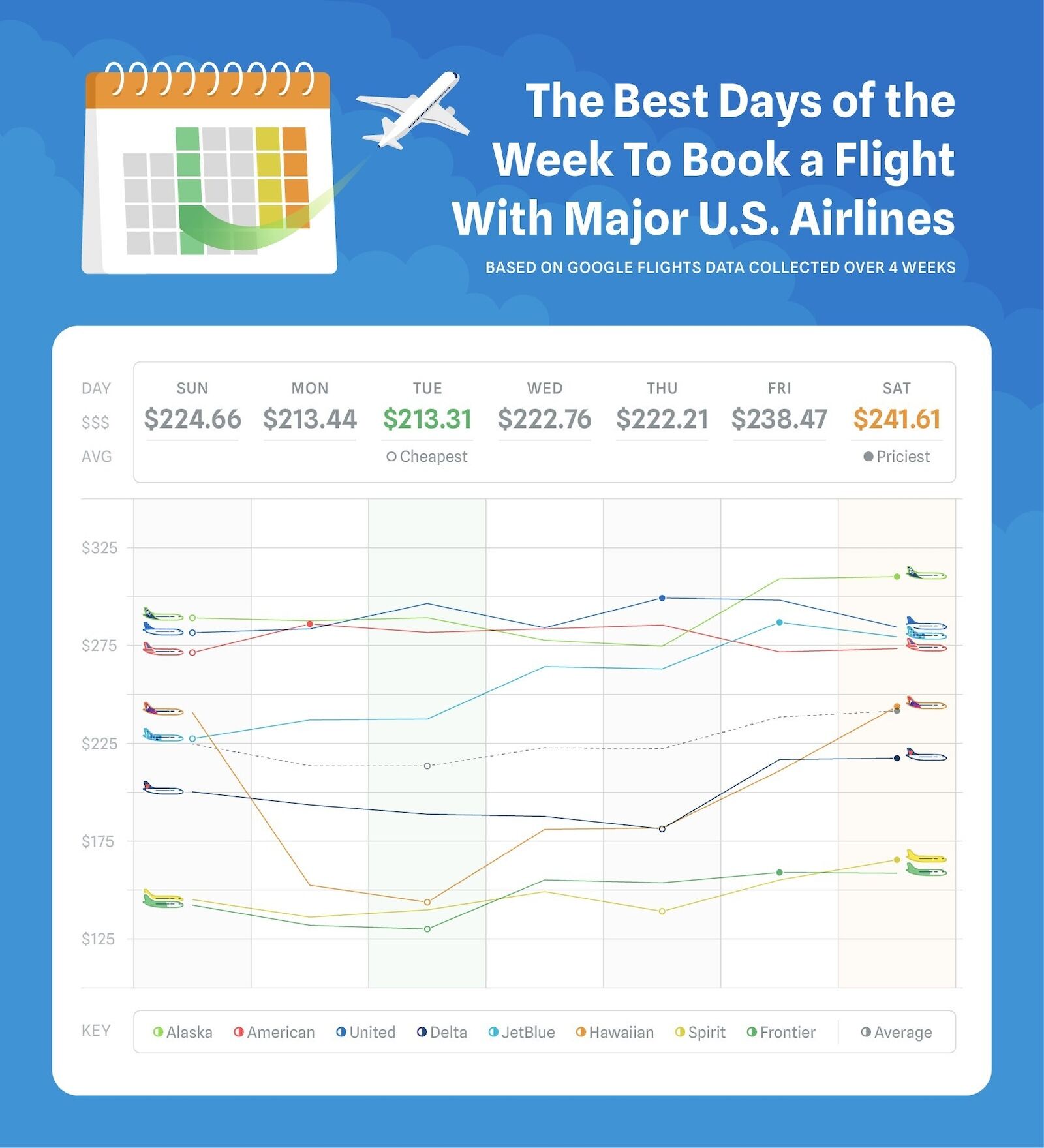
The Conventional Wisdom: Tuesdays and Wednesdays Reign Supreme
For decades, travel experts and frequent flyers have pointed to Tuesdays and Wednesdays as the sweet spot for booking and flying at the lowest prices. This advice, while subject to modern algorithm complexities, still holds considerable weight due to several interconnected financial and behavioral factors:
- Business Traveler Patterns: Business travelers, who often book last-minute and are less price-sensitive due to corporate budgets, typically fly out on Mondays and return on Thursdays or Fridays. This creates high demand and, consequently, higher prices at the beginning and end of the workweek. Mid-week, especially Tuesday and Wednesday, sees a dip in business travel demand, prompting airlines to lower fares to fill seats.
- Airline Sales Cycles: Many airlines historically released their weekly sales early in the week, often by Monday evening or Tuesday morning. Competitors would then match these fares, leading to a cascade of lower prices mid-week. While sales cycles are less predictable now, a residual effect means that some of the most competitive pricing can still be found during these days as airlines aim to capture a broader market.
- Leisure Traveler Avoidance: Many leisure travelers prefer to start their vacations on weekends, leading to higher demand for Friday and Saturday departures. By contrast, flying out on a Tuesday or Wednesday means taking extra days off work, a commitment fewer travelers are willing to make, thus reducing demand and prices for these mid-week slots.
Understanding these dynamics allows financially astute travelers to schedule their departures and returns strategically, capitalizing on periods of lower demand to significantly reduce costs.
Weekends and Mondays: The Premium Price Tag
Conversely, the bookends of the week—Mondays, Fridays, and weekends (Saturdays and Sundays)—are almost universally the most expensive days to fly. This is directly attributable to peak demand from both business and leisure travelers:
- Monday Mornings: Mark the start of the business week, with a surge of corporate travelers heading to meetings and conferences.
- Friday Afternoons/Evenings: Are popular for weekend getaways and the start of leisure trips, as people aim to maximize their time away from work.
- Saturdays and Sundays: Remain prime travel days for leisure travelers due to school schedules, work commitments, and the desire for convenient weekend departures and returns. The convenience factor for these days translates directly into higher prices, as airlines know consumers are willing to pay a premium for flexibility that aligns with their personal schedules.
For those operating under strict budget constraints, avoiding travel on these peak days is often the most straightforward way to realize immediate savings.
The Elusive “Sweet Spot” for Booking
Beyond when to fly, the question of when to book is equally critical for financial planning. While Tuesday is often cited as the best day to book, the reality is more nuanced. Airlines continuously monitor booking trends, competitor pricing, and demand forecasts using sophisticated algorithms.
- Advance Booking: Generally, booking flights several weeks or months in advance (typically 1-3 months for domestic, 2-8 months for international) tends to yield better prices. This allows airlines to fill seats gradually and offers early birds access to lower fare classes before they sell out.
- Last-Minute Deals: While rare and unpredictable, last-minute deals can sometimes emerge, often for less popular routes or during off-peak seasons, as airlines desperately try to fill remaining seats. However, relying on these is a high-risk strategy that seldom pays off for popular routes or peak travel times.
- The Myth of Tuesday Booking: While it was once common for airlines to launch sales on Tuesdays, modern dynamic pricing means there’s no single “best” day to book. Instead, setting up price alerts and booking when a good fare appears, regardless of the day of the week, is a more effective strategy for financial optimization.
Beyond the Day: Other Critical Financial Levers for Flight Savings
While the day of the week is a significant factor, a holistic approach to saving money on flights requires understanding other pivotal elements that influence airfare. Integrating these considerations into your travel planning can amplify your financial efficiency.
The Impact of Booking Timing: Advance vs. Last-Minute
The timing of your booking relative to your travel date profoundly affects the price.
- Optimal Booking Window: For domestic flights, many experts suggest booking between 1 to 3 months in advance. For international travel, this window extends to 2 to 8 months. During these periods, airlines are balancing the desire to fill seats against the anticipation of future demand, often leading to competitive pricing.
- The Cost of Procrastination: Booking too close to the departure date (e.g., within 2 weeks) almost invariably results in higher prices. Airlines assume these last-minute travelers have urgent needs and are less price-sensitive, allowing them to charge a premium.
- Early Bird Catches the Worm: Conversely, booking too far in advance (e.g., more than 11 months) might also not be optimal, as airlines sometimes price initial seats higher before adjusting based on demand forecasts.
Seasonality and Demand Surges
Travel demand fluctuates dramatically throughout the year, driven by holidays, school vacations, and popular event seasons.
- Peak Seasons: Travel during major holidays (Christmas, New Year’s, Thanksgiving), summer breaks, and spring break periods will always be more expensive. Airlines capitalize on captive demand, knowing that many travelers have limited flexibility.
- Shoulder Seasons: Flying during “shoulder seasons”—the periods immediately before or after peak season—can offer a significant financial advantage. For example, traveling in late spring or early fall often provides pleasant weather and substantially lower prices compared to peak summer.
- Off-Peak Travel: If your schedule allows, traveling during the true off-peak—e.g., late January to early March (excluding President’s Day), or parts of November and early December—will almost always yield the lowest fares due to minimal demand.
Flexibility is Your Financial Friend
Perhaps the single most powerful tool in a savvy traveler’s financial arsenal is flexibility.
- Flexible Dates: Being open to shifting your travel dates by a day or two, or even a week, can unlock substantial savings. Flight search engines often show a calendar view of prices across several days or months, clearly illustrating the financial benefits of flexibility.
- Flexible Airports: Consider flying into or out of alternate airports in the same region. Major hubs often have higher fees and more demand, while smaller, regional airports might offer cheaper flights, even accounting for additional ground transportation costs.
- Flexible Destinations: If your primary goal is simply to “travel somewhere new,” rather than a specific destination, using tools that show the cheapest destinations from your departure city for a given period can lead to incredible deals and unexpected adventures.
The Role of Airlines and Fare Sales

Different airlines cater to different market segments, and understanding their strategies can contribute to your financial savings.
- Budget Airlines: Carriers like Southwest, Spirit, Ryanair, and EasyJet often offer significantly lower base fares but may charge extra for baggage, seat selection, and other amenities. For minimalist travelers, these can be exceptionally cost-effective.
- Full-Service Carriers: While typically more expensive, major airlines sometimes run deep fare sales, particularly during off-peak times or for new routes. Subscribing to their newsletters can alert you to these opportunities.
- Loyalty Programs and Credit Card Points: Strategic use of airline loyalty programs and travel credit cards can generate points and miles that significantly offset cash costs, representing a substantial financial return on your spending.
Strategic Tools and Tactics for Savvy Travelers
Leveraging modern technology and adopting specific strategies can transform the arduous task of finding cheap flights into a more streamlined and financially rewarding experience.
Leveraging Flight Comparison Websites and Price Alerts
These digital tools are indispensable for any budget-conscious traveler.
- Google Flights, Skyscanner, Kayak, Expedia: These platforms aggregate data from numerous airlines and online travel agencies, allowing you to compare prices across different dates, airlines, and airports. They offer features like flexible date search, multi-city options, and price prediction tools.
- Price Alerts: A crucial feature offered by most comparison sites. By setting up an alert for your desired route, you’ll receive notifications when prices drop, allowing you to book at an opportune financial moment without constantly monitoring fares. This proactive approach saves time and money.
The Art of Incognito Browsing and VPNs
There’s a persistent myth that airlines or booking sites track your searches and raise prices on subsequent visits. While direct price manipulation based on individual browsing history is largely debunked by industry experts, using incognito mode or a VPN can still be beneficial for a different reason:
- Cookie Clearing: Incognito mode ensures that previous search cookies don’t influence what fares you’re shown, offering a “fresh start” for each search session. While unlikely to dramatically alter prices, it ensures you’re seeing the most current, unbiased fares available to the general public.
- Geographic Pricing: Some airlines or booking sites might display different prices based on your IP address’s geographical location. Using a VPN to connect from a different country can sometimes reveal lower fares, especially for international routes, though this is less common for domestic flights. This tactic can introduce additional financial complexity, so proceed with caution.
Considering Alternate Airports and Connecting Flights
Direct flights offer convenience, but they often come at a premium.
- Alternate Airports: As discussed, exploring smaller airports within a reasonable radius of your destination or origin can often reveal significantly cheaper flights. Factor in the cost and time of ground transportation to determine if the overall savings are worthwhile.
- Connecting Flights: While adding travel time and potentially increasing the risk of delays, connecting flights are almost universally cheaper than direct routes, especially for long-haul journeys. Airlines price direct routes higher due to demand for convenience. For the financially motivated traveler, an extra layover can translate into hundreds of dollars in savings.
Packaging Deals: Flights + Hotel Savings
For comprehensive travel planning, consider bundling your flight with other travel components.
- Online Travel Agencies (OTAs): Websites like Expedia, Travelocity, and Priceline often offer discounts when you book a flight and hotel together. This is because they have bulk purchasing agreements with hotels and airlines, allowing them to pass on savings.
- Vacation Packages: Especially for popular destinations, specific tour operators or even airlines might offer vacation packages that include flights, accommodation, and sometimes even activities, often at a lower cumulative cost than booking each component separately. This approach helps consolidate travel expenses within a single, manageable budget.
Integrating Flight Savings into Your Personal Finance Strategy
Optimizing flight costs is not an isolated tactic; it’s an integral part of a broader personal finance strategy aimed at maximizing value, achieving financial goals, and enabling desired lifestyle experiences without compromising fiscal health.
Budgeting for Travel: A Holistic Approach
Effective travel planning starts with a robust budget.
- Dedicated Travel Fund: Establishing a separate savings fund specifically for travel helps you proactively save for future trips, reducing the temptation to dip into other financial reserves or incur debt.
- Comprehensive Cost Analysis: Beyond just the flight, budget for accommodation, food, local transportation, activities, travel insurance, and an emergency fund. Understanding the full financial picture ensures no hidden costs derail your budget.
- Prioritizing Travel Spending: Evaluate travel against other financial goals. Is this trip worth delaying a down payment on a house, or pushing back retirement savings? Smart budgeting involves conscious trade-offs and aligning spending with personal financial priorities.
Maximizing Rewards and Credit Card Points
Leveraging financial products strategically can turn everyday spending into travel opportunities.
- Travel Credit Cards: Many credit cards offer substantial sign-up bonuses in points or miles, ongoing rewards for spending, and perks like lounge access or free checked bags. Using these cards responsibly for everyday expenses can accrue significant travel capital.
- Airline Loyalty Programs: Even if you don’t fly frequently, signing up for airline loyalty programs is free and can earn you miles for every flight, even partner flights. These miles can eventually be redeemed for future travel, upgrades, or other benefits, representing a direct financial return on your travel spending.
- Strategic Redemptions: Learn the intricacies of loyalty programs. Redeeming points for flights during peak season or for business class tickets can often yield a higher per-point value than simply using them for economy flights during off-peak times, effectively stretching your financial rewards further.
The Long-Term Benefits of Smart Travel Planning
Consistently applying these financially savvy travel strategies has long-term benefits beyond just saving money on a single trip.
- Increased Financial Freedom: By reducing travel costs, you free up capital that can be allocated to other financial goals—investing, debt reduction, or building an emergency fund.
- More Frequent or Ambitious Travel: The money saved on one trip can contribute to future adventures, enabling you to travel more often or pursue more ambitious, once-in-a-lifetime experiences that might otherwise be financially out of reach.
- Reduced Stress: Knowing you’ve secured the best possible price provides peace of mind and reduces financial anxiety associated with travel, allowing you to fully enjoy your experience.
In conclusion, while Tuesdays and Wednesdays often present the best opportunities for cheaper flights, the modern landscape of air travel pricing demands a multifaceted approach. By combining an understanding of airline economics with strategic planning, flexibility, and the smart use of financial tools, you can unlock significant savings and ensure your travel budget works harder for you. This meticulous approach to flight booking is not just about finding a deal; it’s about making financially intelligent decisions that contribute to your overall personal financial well-being and enable a richer, more adventurous life.
aViewFromTheCave is a participant in the Amazon Services LLC Associates Program, an affiliate advertising program designed to provide a means for sites to earn advertising fees by advertising and linking to Amazon.com. Amazon, the Amazon logo, AmazonSupply, and the AmazonSupply logo are trademarks of Amazon.com, Inc. or its affiliates. As an Amazon Associate we earn affiliate commissions from qualifying purchases.