
For the financially astute traveler, the decision of when to purchase an international flight transcends mere convenience; it is a critical strategic move that can significantly impact a travel budget. Airfare, particularly for global journeys, is a notoriously volatile asset, fluctuating based on an intricate web of economic indicators, market demand, and airline algorithms. Understanding these dynamics and employing a disciplined financial approach is paramount to securing the best possible value for your hard-earned money. This comprehensive guide will dissect the financial considerations involved in international flight purchases, providing actionable insights to empower your travel planning and optimize your financial outcomes.

Understanding the Financial Dynamics of Flight Pricing
The price you pay for an international flight is not arbitrary; it’s a carefully calculated sum influenced by a multitude of economic and market forces. Acknowledging these underlying financial mechanics is the first step toward making a cost-effective booking decision.
The Volatile Nature of Airfare Markets
International airfare markets are a prime example of dynamic pricing in action. Airlines employ sophisticated algorithms that constantly adjust ticket prices in real-time, sometimes hourly, based on factors such as current demand, competitor pricing, seat availability, and historical booking patterns. This volatility means that the price you see today may be significantly different tomorrow, presenting both opportunities for savings and risks of higher costs if not monitored strategically. For the savvy financial planner, this inherent variability necessitates a proactive and analytical approach to purchasing.
Key Economic Factors Influencing Price Fluctuations
Beyond the immediate supply and demand, broader economic factors play a substantial role in setting ticket prices. Fuel costs are a primary driver; when oil prices rise, airlines face increased operational expenses, which are often passed on to consumers through higher fares. Conversely, a drop in fuel prices can sometimes lead to more competitive pricing. Global economic health also influences travel demand; in periods of prosperity, more people travel, potentially driving prices up, while economic downturns can lead to reduced demand and more aggressive pricing strategies from airlines. Furthermore, the level of competition on a given route can lead to price wars, temporarily lowering fares, while monopolies or limited competition often result in higher, less negotiable prices. Understanding these macroeconomic pressures allows for a more informed financial forecast when planning travel.
The Impact of Seasonality and Major Events on Your Budget
Perhaps one of the most predictable, yet often underestimated, financial drivers of international airfare is seasonality. Travel during peak seasons—summer holidays, Christmas and New Year, spring break, and major festivals in destination countries—invariably commands premium prices due to heightened demand. Conversely, traveling during the “shoulder seasons” (just before or after peak) or the “off-peak” season often presents significant cost savings. Major international events, such as the Olympics, World Cups, large conferences, or significant cultural festivals, also create artificial spikes in demand for flights to specific regions, leading to drastically inflated prices. Budget-conscious travelers must meticulously plan around these predictable periods of high demand to protect their financial investment in travel.
Identifying the Financial “Sweet Spot” for Booking
There’s a persistent myth about a single “best time” to buy flights, but the reality is more nuanced. Instead, financial analysis points to a strategic window, a “sweet spot,” where prices tend to be optimally balanced between early booking premiums and last-minute price gouging.
The “Goldilocks Zone” – Weeks Out for Optimal Savings
Extensive financial data analysis from various travel aggregators consistently suggests a “Goldilocks Zone” for booking international flights. For most long-haul international routes, this optimal window typically falls between 2 to 8 months prior to departure. Within this timeframe, airlines begin to release their inventory, and initial pricing aims to attract early bookers without sacrificing potential revenue from later demand. Booking too early (e.g., more than 8-10 months out) can sometimes mean paying higher initial “bucket” fares before airlines fully assess demand. Booking within this 2-8 month window allows travelers to leverage competitive pricing while still having ample availability for preferred dates and seats.
Debunking Last-Minute Bargains and Early Bird Traps
The romantic notion of a deeply discounted last-minute international flight is largely a relic of the past for most popular routes. While domestic flights might occasionally see last-minute deals to fill unsold seats, international carriers rarely offer such incentives. For international travel, booking within a few weeks of departure almost invariably results in significantly higher fares, sometimes double or triple the cost found in the “sweet spot.” This is because airlines prioritize revenue management, and late bookers are often business travelers or those with urgent needs, who are less price-sensitive. Conversely, booking excessively early (e.g., a year or more in advance) can also be a financial trap. Airlines may initially price flights conservatively high to gauge demand, or their pricing models may not yet account for future market shifts or competitive pressures that could lead to lower fares later on. A balanced approach, within the identified sweet spot, minimizes both financial risks.
Strategic Timing for Different Destinations and Travel Periods
The optimal booking window is not uniform across all international destinations or travel periods. For highly popular destinations or during peak travel seasons, the booking window may shift earlier, perhaps leaning towards the 5-8 month mark. This is particularly true for flights to remote destinations with limited flight options or during major global events. Conversely, for less popular destinations or during the absolute off-peak season, the sweet spot might extend closer to the 2-4 month mark, as airlines might hold out longer for demand to build. A critical financial strategy is to research the specific demand patterns for your intended destination and travel dates, using historical price data where available, to fine-tune your booking timing within the general Goldilocks Zone.
Financial Strategies for Price Optimization
Beyond understanding market dynamics and identifying the booking window, employing specific financial strategies and tools is crucial for securing the lowest possible fare. These strategies are all about financial due diligence and leveraging available resources.
Leveraging Price Comparison Platforms and Financial Alerts

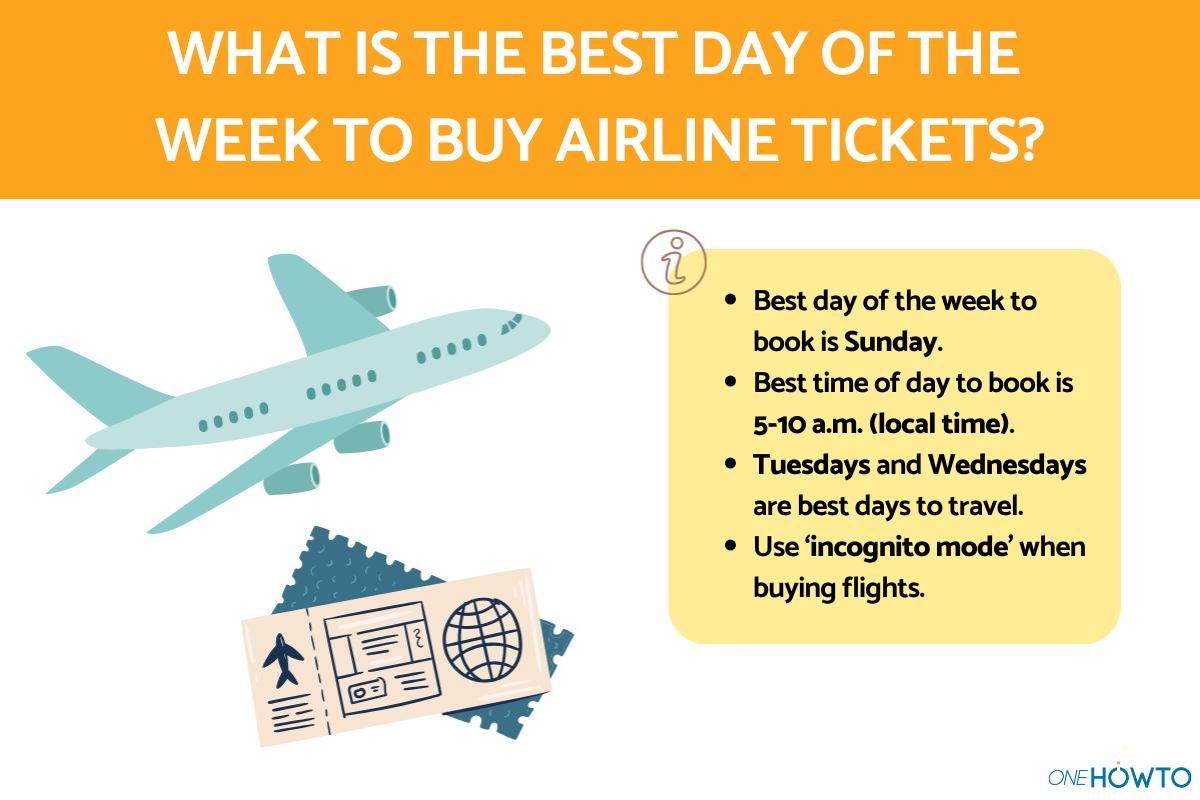
One of the most powerful financial tools at a traveler’s disposal is the intelligent use of flight price comparison websites (e.g., Google Flights, Skyscanner, Kayak, Expedia). These platforms aggregate data from numerous airlines and online travel agencies, allowing for a comprehensive overview of prices across different dates and carriers. More importantly, many offer price alert features. By setting up alerts for your desired route and dates, you receive email notifications when the fare drops, empowering you to act swiftly when a financially advantageous price appears. This proactive monitoring eliminates the need for constant manual checking and ensures you don’t miss out on savings. Consider using incognito mode when browsing to prevent potential dynamic pricing adjustments based on your search history.
The Economic Value of Flexibility (Dates, Airports, Stopovers)
Flexibility is perhaps the most significant financial lever a traveler can pull. Being flexible with travel dates, even by a day or two, can yield substantial savings. Mid-week flights (Tuesday, Wednesday, Thursday) are often cheaper than weekend travel, and early morning or late-night flights typically cost less than those during peak daytime hours. Similarly, considering alternative airports near your origin or destination can unlock significant financial advantages. A flight into a smaller, secondary airport, even with an added ground transfer cost, might be significantly cheaper than flying into a major hub. Finally, embracing flights with layovers or longer stopovers, rather than direct routes, almost always results in lower fares. While requiring more time, the financial trade-off can be considerable, making it an attractive option for budget-conscious travelers with flexible schedules.
Harnessing Loyalty Programs and Credit Card Rewards for Maximum ROI
For frequent international travelers, airline loyalty programs and travel-focused credit cards are not just perks; they are integral financial instruments. Accumulating miles or points through these programs can lead to significant savings, often enabling “free” flights or substantial upgrades for a fraction of the cash price. The key is strategic accumulation and redemption. Choosing a credit card that aligns with your spending habits and offers generous travel rewards (e.g., sign-up bonuses, category multipliers for travel or everyday spending) can accelerate point accumulation. Understanding the value of your points (e.g., points per dollar spent vs. potential redemption value) is crucial for maximizing your return on investment (ROI). Redeeming points during off-peak times or for premium cabin travel often yields the highest per-point value, stretching your financial resources further.
Mitigating Financial Risks and Unexpected Costs
Purchasing international flights involves a significant financial commitment, and like any investment, it comes with potential risks and hidden costs. Prudent financial planning includes anticipating and mitigating these factors.
The Role of Travel Insurance in Protecting Your Investment
Once you’ve made a substantial investment in an international flight, protecting that investment becomes paramount. Travel insurance, while an added upfront cost, acts as a crucial financial safety net. It can cover non-refundable flight costs in scenarios such as unforeseen trip cancellations (due to illness, natural disaster, etc.), medical emergencies abroad, lost luggage, or flight delays. Without it, a sudden change in plans or an unfortunate incident could result in a complete loss of your flight expenditure, alongside potentially exorbitant out-of-pocket expenses. When selecting a policy, carefully evaluate its coverage limits, exclusions, and the cost-benefit analysis relative to your overall travel investment and personal risk tolerance.
Hidden Fees and How to Budget for Them
The advertised price of an international flight is often not the final price. Airlines frequently employ “unbundling” strategies, charging separately for services that were once included. Common hidden fees include checked baggage fees, seat selection charges, in-flight meals, and even fees for printing boarding passes at the airport. For budget management, it’s essential to factor these potential costs into your overall travel budget before booking. Many comparison sites now allow you to see an estimated total cost including common fees. Proactively researching an airline’s fee structure for your specific fare class can prevent unwelcome financial surprises at the airport.
Planning for Currency Fluctuations and Exchange Rates
International travel inherently involves dealing with foreign currencies, and fluctuations in exchange rates can impact your overall travel expenses, including the effective cost of your flight if you’re paying in a different currency. While major flight purchases are usually locked in at the time of booking, subsequent payments for hotels, activities, and daily expenses will be subject to current exchange rates. A significant depreciation of your home currency against your destination’s currency can make your trip considerably more expensive. While predicting currency movements is challenging, being aware of current trends and using financially savvy methods for currency exchange (e.g., using a no-foreign-transaction-fee credit card, withdrawing local currency from ATMs with a debit card, avoiding airport exchange kiosks) can help minimize losses and maximize your purchasing power.
Long-Term Financial Planning for International Travel
The most successful international travelers don’t just find deals; they integrate travel into their broader financial strategy. This involves consistent planning, saving, and disciplined execution.
Incorporating Travel into Your Annual Budget
For those who view international travel as a regular part of their lifestyle, it’s beneficial to treat it as a recurring line item in an annual personal budget. Just like housing, food, and utilities, allocating a specific amount of funds towards travel each month or year transforms it from a discretionary splurge into a planned financial goal. This approach fosters financial discipline and ensures that when the opportune moment to book a flight arises, the necessary funds are readily available without disrupting other financial commitments.
Building a Travel Fund: Savings Strategies
Once travel is budgeted, establishing a dedicated travel fund is the next logical step. This could be a separate savings account, or even a sub-account within a larger savings vehicle, where you regularly deposit allocated funds. Automating these savings transfers can be highly effective, ensuring consistent contributions. Consider strategies such as “round-up” apps, diverting unexpected income (bonuses, tax refunds), or temporarily reducing other discretionary spending categories to accelerate your travel fund growth. A healthy travel fund provides the financial flexibility to jump on excellent flight deals as soon as they appear, without having to wait for a paycheck or resort to high-interest credit card debt.
The Financial Discipline of Consistent Monitoring
Finally, mastering the art of buying international flights requires ongoing financial discipline and consistent monitoring. This isn’t about obsessive daily checking, but rather maintaining a strategic awareness of market conditions for your desired routes. Regularly reviewing price alerts, understanding seasonal patterns, and staying informed about airline sales or new route announcements can position you to act decisively when a financially advantageous opportunity arises. It’s a continuous process of learning, adapting, and leveraging financial tools to ensure that your international adventures are not only memorable but also financially optimized.
In conclusion, purchasing international flights is a financial transaction that demands strategic thinking, market awareness, and disciplined execution. By understanding the underlying economic forces, identifying optimal booking windows, employing smart financial tools, and mitigating risks, travelers can transform the often-stressful process of flight booking into a financially rewarding endeavor, paving the way for more frequent and more affordable global explorations.
aViewFromTheCave is a participant in the Amazon Services LLC Associates Program, an affiliate advertising program designed to provide a means for sites to earn advertising fees by advertising and linking to Amazon.com. Amazon, the Amazon logo, AmazonSupply, and the AmazonSupply logo are trademarks of Amazon.com, Inc. or its affiliates. As an Amazon Associate we earn affiliate commissions from qualifying purchases.