
Navigating the labyrinthine world of airline pricing can feel like a high-stakes gamble. For many, the cost of airfare represents a significant portion of their travel budget, making the quest for the ‘best time to book’ a perennial concern. It’s not merely about convenience; it’s about financial prudence, maximizing travel experiences, and ensuring your hard-earned money stretches further. This comprehensive guide delves into the intricate dynamics of flight pricing, offering actionable insights and proven strategies to help you secure the most advantageous deals, transforming you into a savvy traveler who consistently flies smarter, not just harder.
Understanding The Dynamics Of Flight Pricing
Before diving into specific booking windows and tactics, it’s crucial to grasp the fundamental forces that dictate flight prices. Airlines employ sophisticated algorithms and complex revenue management systems, making pricing an ever-shifting landscape influenced by a multitude of factors.
The Supply and Demand Equation
At its core, flight pricing is a classic case of supply and demand. When demand is high (e.g., during holidays, peak seasons, or major events) and supply is limited (fewer seats available), prices naturally skyrocket. Conversely, during off-peak seasons or on less popular routes, lower demand can lead to more competitive pricing. Airlines continuously adjust prices based on real-time booking trends, competitor pricing, and historical data, aiming to fill every seat at the highest possible yield. Understanding this fundamental principle is the first step towards predicting price movements.
Seasonal Fluctuations and Special Events
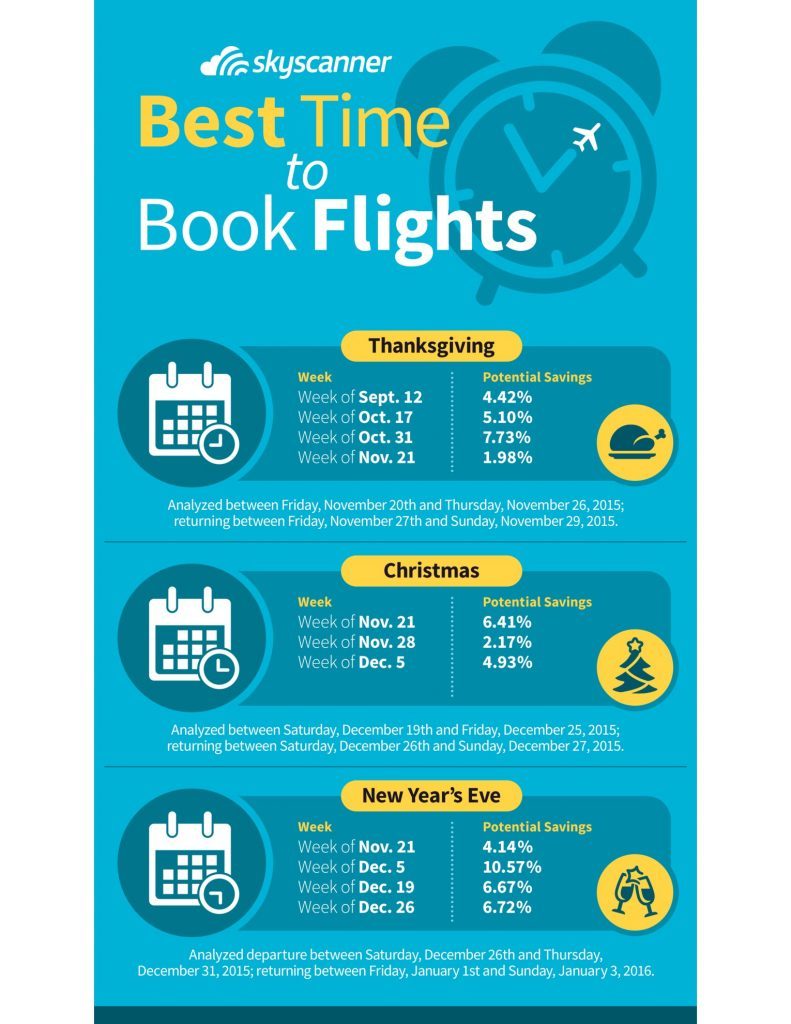
Flight prices exhibit distinct seasonal patterns. Summer months, major holidays (Christmas, New Year’s, Thanksgiving), and school breaks universally see higher fares due to increased travel demand. Conversely, the shoulder seasons (e.g., spring and autumn in many destinations) often present a sweet spot: pleasant weather combined with lower tourist volumes and, consequently, more affordable flights. Special events, such as major sports tournaments, festivals, or conferences, can also cause localized price surges. Being aware of these predictable demand spikes allows for strategic advance planning or flexible date selection to avoid peak premiums.
Airline Algorithms and Dynamic Pricing
Modern airline pricing is incredibly dynamic, often changing multiple times a day. Algorithms analyze vast amounts of data, including search history, origin and destination, booking class availability, competitor pricing, and even the type of device you’re using. This enables airlines to implement personalized pricing strategies. While the idea that prices go up if you repeatedly search for the same flight is largely anecdotal, airlines do use complex models to predict willingness to pay, potentially offering different prices to different segments of customers. This complexity underscores why a single “best time” is often a moving target, necessitating continuous monitoring and flexible strategies.
Pinpointing The Optimal Booking Window
While there’s no single magic number, extensive data analysis from various travel aggregators and industry experts reveals consistent patterns regarding the ideal time frame to book flights. This “Goldilocks Zone” maximizes your chances of securing a good deal.
The “Goldilocks Zone” for Domestic Flights
For domestic travel, the consensus typically points to booking 1 to 3 months (approximately 28 to 112 days) in advance. Within this window, airlines are usually balancing the desire to fill seats with the need to attract early bookings. Prices tend to be higher further out (when demand is uncertain) and then start to creep up again closer to departure as remaining seats become scarce. The sweet spot within this zone is often cited as around 45-60 days out, where price reductions are frequently observed before the inevitable late-booking price hikes. Booking too early (e.g., 6+ months out) can sometimes be more expensive as airlines haven’t yet released their full range of discounted fares or fully adjusted for demand.
International Travel: Planning Further Ahead
International flights, given their longer routes, higher operating costs, and greater variability in demand, typically require a longer booking lead time. The optimal window for international travel is generally 2 to 8 months (approximately 56 to 224 days) in advance. For popular routes or during peak international travel seasons, extending this to 6 months or even a year can yield substantial savings. The further you’re traveling and the more complex your itinerary, the earlier you should consider booking to lock in better fares, as prices tend to escalate more dramatically closer to the departure date.
Last-Minute Deals vs. Risky Gambles
The allure of a last-minute bargain is strong, but it’s largely a relic of the past for commercial flights. While exceptional circumstances might occasionally lead to a distress sale for an almost-empty flight, modern revenue management makes such occurrences rare. For most routes, booking within two weeks of departure is almost guaranteed to result in significantly higher prices. Airlines know that last-minute travelers are often business travelers or those with urgent needs, who are less price-sensitive and thus willing to pay a premium. Therefore, relying on last-minute deals is generally a risky and expensive gamble, especially for leisure travel where flexibility is often possible.
The Best Days and Times: A Strategic Approach
Beyond the overall booking window, specific days of the week and even times of day can influence flight prices, both for when you book and when you actually fly.
Booking Smart: Tuesdays and Wednesdays
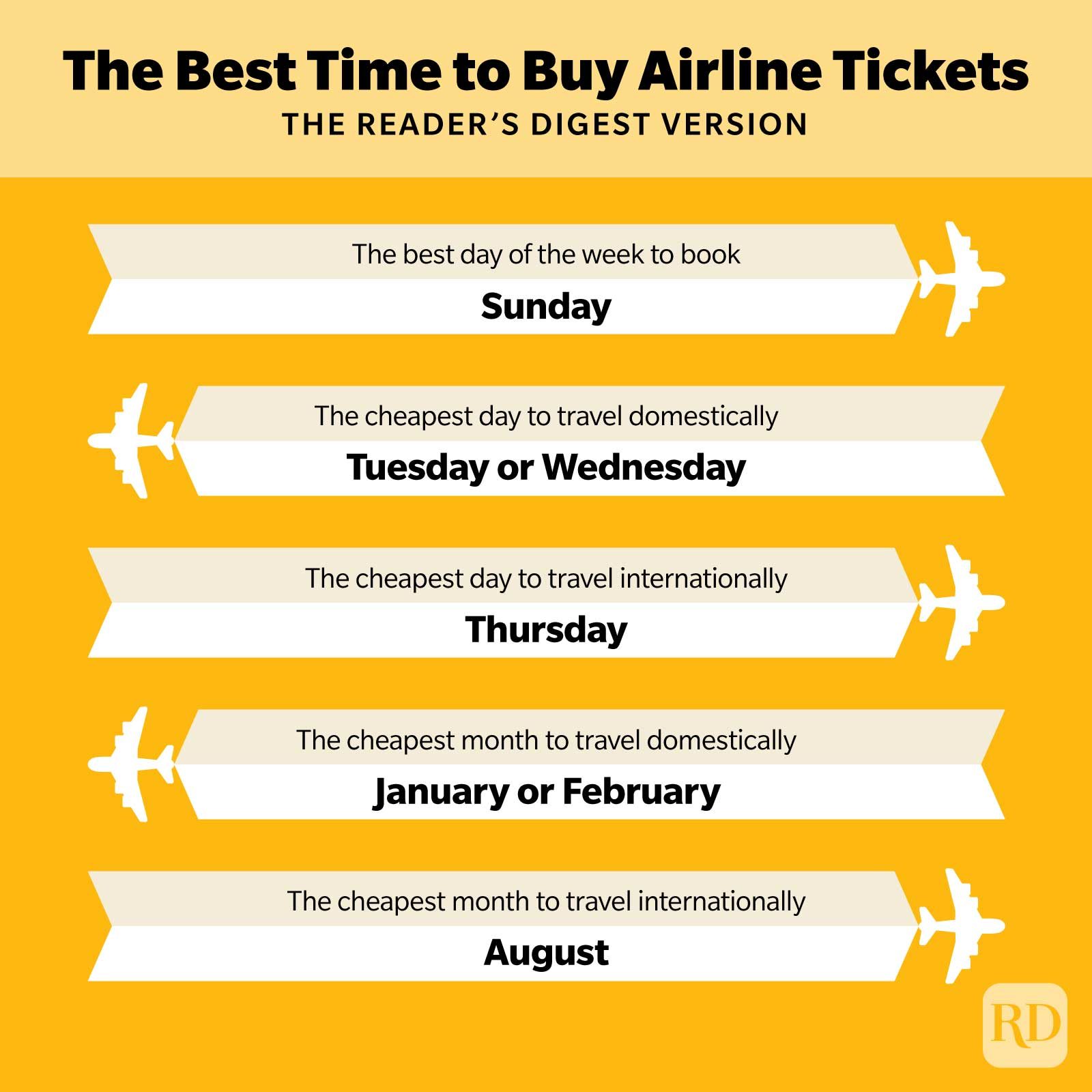
Industry data frequently indicates that Tuesday and Wednesday afternoons are often the best times to find cheaper flights. This theory stems from airline pricing practices: new sales are often launched on Monday evenings, and by Tuesday morning, competitors have had a chance to match those prices, leading to a temporary dip in fares across the board. By late Wednesday, these prices may start to rise again as the week progresses and weekend travel plans solidify. While not a guaranteed rule, checking for flights during these mid-week periods can often reveal more favorable rates. Conversely, booking on weekends (especially Sunday) tends to be more expensive as leisure travelers are actively planning trips.

Flying Smart: Off-Peak Days and Hours
The day you choose to fly has an even more significant impact on the ticket price than the day you book. Mid-week flights (Tuesday, Wednesday, and sometimes Thursday) are consistently cheaper than weekend flights (Friday, Saturday, Sunday). This is due to lower demand from both business and leisure travelers during the middle of the week. Similarly, early morning flights (first wave of departures) and late-night flights (red-eyes) often come with a lower price tag. While less convenient, these off-peak hours are less desirable for most travelers, leading airlines to price them more competitively. Flexibility in your departure and arrival dates, even by a single day, can often unlock substantial savings.
The Impact of Holidays and Weekends
As discussed, flying immediately before, during, or after major holidays, or on popular weekend days, will almost always be more expensive. If your travel dates are fixed around a holiday, the key is to book as far in advance as possible within the recommended international or domestic windows. For maximum savings, consider flying on the actual holiday itself (e.g., Thanksgiving Day or Christmas Day), as fewer people want to travel then, often resulting in lower fares. Similarly, adjusting your weekend travel to depart on a Monday and return on a Thursday can often be significantly cheaper than the typical Friday-Sunday trip.
Leveraging Tools and Tactics for Maximum Savings
Beyond timing, a proactive approach utilizing various tools and strategies can significantly enhance your chances of securing the best deals. Financial savvy isn’t just about when you book, but how.
Price Alerts and Comparison Sites
One of the most effective strategies is to set up price alerts. Many flight comparison websites (like Google Flights, Skyscanner, Kayak, Expedia, etc.) allow you to track specific routes and notify you via email when prices drop or change. This automates the process of monitoring fluctuations, ensuring you don’t miss out on a sudden deal. Using multiple comparison sites is also advisable, as no single platform captures every single fare, and some may have exclusive partnerships or slightly different pricing algorithms. Remember to compare the final prices, including any baggage fees or hidden costs, when evaluating options.
Flexibility is Your Financial Friend
If your travel dates or destination are flexible, you hold a significant advantage. Tools like Google Flights’ “Explore” map or Skyscanner’s “Everywhere” search allow you to see the cheapest destinations for a given period or the cheapest dates to fly to a particular place. Even shifting your departure or return by a day or two can sometimes halve the price. Embrace non-traditional travel periods if possible; traveling during the “shoulder season” (just before or after peak season) can offer excellent weather and fewer crowds, alongside more attractive flight prices.
The Incognito Mode Myth and Browser History
A common piece of advice is to search for flights in incognito mode or clear your browser cookies, based on the belief that airlines track your searches and raise prices. While airline algorithms are sophisticated, there’s little conclusive evidence that your individual browser history directly impacts the price you see for a specific flight search. Prices change dynamically based on demand, remaining seat availability, and broader market conditions, not usually because your browser remembers your previous query. However, using incognito mode doesn’t hurt and ensures a clean slate for each search session, so it can be a good habit to adopt, if only for peace of mind.
Exploring Alternative Airports and Connecting Flights
Don’t limit your search to just one airport in your origin or destination city. Larger metropolitan areas often have multiple airports (e.g., JFK, LGA, EWR in New York; LAX, LGB, ONT in Los Angeles). Flying into or out of a smaller, less popular, or slightly further alternative airport can sometimes offer substantial savings. Similarly, consider flights with layovers instead of direct routes. While less convenient, connecting flights are almost invariably cheaper, presenting a trade-off that can significantly reduce your travel expenditure, especially for long-haul international journeys.
Harnessing Loyalty Programs and Credit Card Rewards
For frequent travelers, loyalty programs and travel-focused credit cards are invaluable financial tools. Accumulating airline miles or credit card points can lead to free flights, upgrades, or significant discounts. Strategically choosing a credit card that offers robust travel rewards, sign-up bonuses, and perks like free checked bags or lounge access can transform your travel budget. Timing your bookings around points promotions or leveraging companion passes can also unlock exceptional value, effectively reducing your cash outlay for flights.
Common Pitfalls and Advanced Strategies
Even with the best intentions, travelers can fall into common traps. Being aware of these and employing more advanced techniques can further refine your money-saving approach.
Avoiding the Booking Black Hole
One of the biggest mistakes is waiting too long. As established, booking too close to departure (within 2 weeks) almost guarantees higher prices. On the other end, booking excessively early (over 8 months for domestic, over 12 for international) can sometimes mean you pay more than you would in the “Goldilocks Zone,” as airlines haven’t yet fine-tuned their lowest fare buckets. The key is to find that optimal window and be prepared to act when a good price appears, especially if price alerts indicate a dip.
Budget Airlines: Friend or Foe?
Budget airlines can offer incredibly low base fares, but they often come with a plethora of extra charges for seemingly basic services: checked bags, carry-on bags, seat selection, printing boarding passes, and even water. While these can be a great money-saving option for minimalist travelers on short trips, it’s crucial to calculate the all-in cost before booking. Factor in all potential fees, and compare that final price against a full-service airline’s offering. Sometimes, the “budget” option ends up being more expensive or less convenient once all add-ons are included.
The Art of the Open-Jaw Ticket
For multi-city trips, consider an “open-jaw” ticket, where you fly into one city and depart from another. For example, flying into London and out of Rome. This can sometimes be cheaper than booking separate one-way tickets and often more efficient than booking a round trip into one city and then having to backtrack. Many search engines allow for multi-city searches, enabling you to explore these more creative and potentially cost-effective routing options.
Conclusion
Mastering the art of booking flights for the best price is a skill that evolves with experience and an understanding of market dynamics. While there’s no single, universally perfect moment, adhering to the principles outlined above — understanding demand, pinpointing optimal booking windows, leveraging off-peak days, and employing smart tools — will consistently put you in a stronger financial position. Be flexible, be vigilant with price alerts, and be strategic in your approach. By doing so, you’ll not only save money but also unlock more opportunities to explore the world, making your travel budget work harder and smarter for you. Happy travels, and may your flights always be fiscally friendly!
aViewFromTheCave is a participant in the Amazon Services LLC Associates Program, an affiliate advertising program designed to provide a means for sites to earn advertising fees by advertising and linking to Amazon.com. Amazon, the Amazon logo, AmazonSupply, and the AmazonSupply logo are trademarks of Amazon.com, Inc. or its affiliates. As an Amazon Associate we earn affiliate commissions from qualifying purchases.