
In the realm of personal finance, travel expenses often represent one of the most significant discretionary outlays for individuals and families. While the allure of exploring new destinations is undeniable, the cost of flights can frequently be a deterrent, or at the very least, a major factor in determining where and when one can travel. For the financially savvy, understanding the intricate dynamics of flight pricing is not merely about convenience; it’s a critical component of effective budget management and a direct path to substantial savings. This article delves into the strategic financial considerations behind booking flights, offering insights and actionable advice to ensure you secure the best possible value for your money, transforming a potentially costly endeavor into an intelligently managed investment in experience.
Understanding the Dynamics of Flight Pricing
To truly master the art of booking cost-effective flights, one must first grasp the complex financial mechanisms that dictate airfare. Airlines operate sophisticated revenue management systems designed to maximize profit, meaning prices are rarely static and are subject to constant fluctuation based on a multitude of factors.
The Supply and Demand Equation
At its core, flight pricing is a classic example of supply and demand economics. During peak travel seasons such as major holidays, school breaks, or summer vacations, demand for flights surges. Airlines, recognizing this heightened interest, respond by increasing prices. Conversely, during off-peak periods or “shoulder seasons,” when fewer people are traveling, demand wanes, and airlines often lower fares to stimulate bookings and fill seats. Understanding these cycles allows a financially astute traveler to strategically plan trips during less popular times, thereby leveraging lower demand for significant cost savings. The financial prudence lies in anticipating these fluctuations and adjusting travel plans accordingly to capitalize on periods of surplus seat availability.
Airline Revenue Management Systems
Behind every flight booking portal lies a complex algorithmic beast: the airline’s revenue management system. These sophisticated software solutions continuously analyze vast datasets, including historical booking patterns, competitor pricing, current booking trends, fuel costs, and even weather forecasts, to dynamically adjust fares. This means that two passengers sitting next to each other on the same flight might have paid vastly different prices because they booked at different times, or their tickets fell into different “fare buckets.” These systems are engineered to predict demand and optimize yield, ensuring that airlines sell the maximum number of seats at the highest possible price point. For the consumer, this necessitates a proactive and informed approach to booking, understanding that prices are not arbitrary but are a calculated financial strategy by the airline.
Fare Classes and Seat Availability
It’s a common misconception that all economy seats on a flight are priced equally. In reality, airlines categorize seats into numerous “fare classes” or “buckets,” each corresponding to a different price point and set of rules (e.g., flexibility for changes, baggage allowance). As lower-priced fare classes sell out, the system automatically moves to the next, more expensive fare class, even if the physical seat is identical. This tiered pricing model is a key element of revenue management. Your goal as a budget-conscious traveler is to secure a seat within a lower fare class before it’s gone. This strategic understanding highlights the financial benefit of booking early, particularly for popular routes or dates, as it increases your chances of accessing these more economical fare buckets before they are depleted.
The “Sweet Spot” for Domestic and International Travel
While the financial dynamics are complex, empirical data and travel industry insights have identified optimal booking windows that tend to offer the best value for money. These “sweet spots” are crucial for budget planning.
Domestic Flights: The 1-3 Month Window
For internal flights within a country, the general consensus among financial experts and travel analysts points to a booking window of approximately one to three months prior to departure. Booking too early (e.g., six months out) often means airlines haven’t yet finalized their pricing strategies and may be testing higher initial fares. Conversely, waiting until the last minute (within a few weeks of departure) significantly increases the risk of higher prices as demand solidifies and cheaper fare classes disappear. This 1-3 month period typically represents the point where airlines have a clearer picture of demand and begin to offer more competitive pricing to fill their remaining inventory without resorting to distress sales. Aligning your booking strategy with this window is a financially sound approach to securing good domestic airfares.
International Flights: The 2-8 Month Advantage
International travel, with its longer lead times, higher demand, and greater logistical complexity, necessitates a more extended booking horizon. The optimal window for international flights typically falls between two to eight months before your departure date. This extended period allows you to capitalize on earlier, often lower, fare classes and provides ample opportunity to monitor price fluctuations. Booking well in advance is particularly critical for popular international routes, multi-leg journeys, or travel during peak global seasons. The financial implications of delaying an international flight booking can be severe, as prices tend to escalate dramatically as the departure date approaches, reflecting a dwindling supply of seats and high inelastic demand from committed travelers.
The Myth of Last-Minute Deals
While the romantic notion of scoring a “steal” on a last-minute flight persists in popular culture, for the vast majority of routes and travel situations, this is largely a myth and a significant financial gamble. Airlines rarely offer deep discounts on popular routes close to departure, as they can usually fill those seats with business travelers or those with urgent travel needs who are less price-sensitive. Waiting until the eleventh hour often means paying a premium, sometimes double or triple the price one would have paid months earlier. The financial risk associated with last-minute booking outweighs the slim chance of a true bargain, making it an ill-advised strategy for anyone focused on budget optimization. The few exceptions might be for highly niche or obscure routes with exceptionally low demand, but these are not the norm.
Timing Your Purchase: Days, Weeks, and Seasons
Beyond the lead time, the specific day you book, the day you fly, and the time of year all have significant financial implications for your airfare.
Best Day of the Week to Book
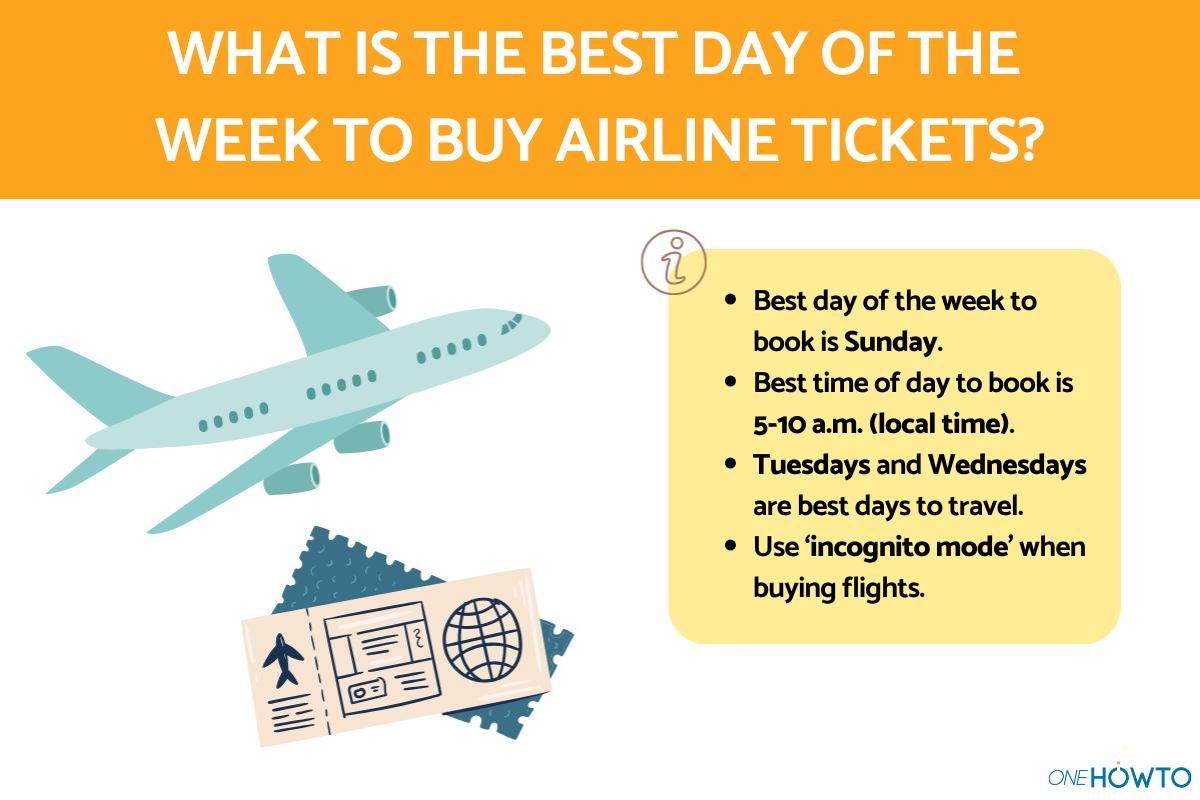
While the exact day can vary, Tuesdays and Wednesdays have historically been cited as the best days to find flight deals. This trend is often attributed to airlines releasing new sales or matching competitors’ price drops early in the week, with other airlines adjusting their fares in response. By mid-week, the market has settled, offering a window of competitive pricing before potential increases towards the weekend when leisure travelers typically plan their trips. Monitoring prices mid-week can yield tangible financial benefits, but consistent tracking, rather than rigidly adhering to a specific day, is the most robust strategy.
Best Days to Fly
The days you choose to fly have an even more direct impact on your wallet. Mid-week travel (Tuesday, Wednesday, Thursday) and non-peak hours (very early morning or late night) are almost invariably cheaper than weekend flights. This is due to lower demand from business travelers and weekend leisure travelers. Avoiding Friday evenings and Sunday afternoons, which are prime travel times for both business and leisure, can result in substantial savings. Flexibility with your travel dates, even by a single day, can often unlock significantly lower fares, demonstrating the financial power of adaptability.
Avoiding Peak Travel Seasons
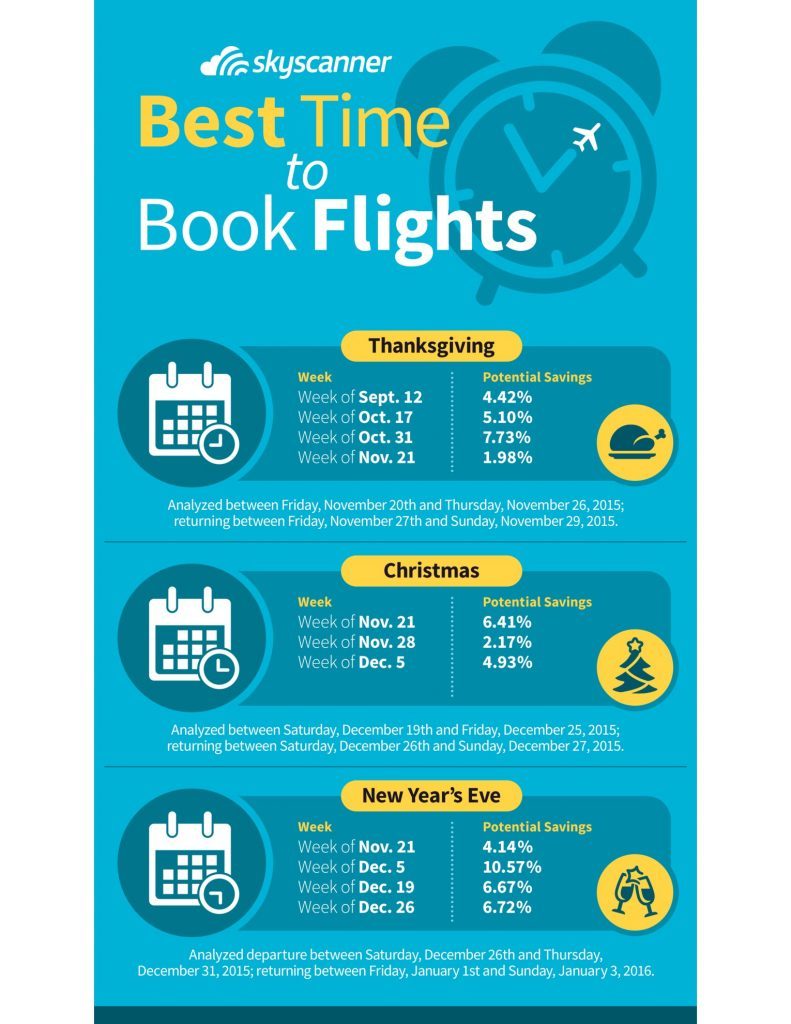
The ultimate financial hack for budget travel is to avoid peak seasons entirely. Holidays like Christmas, New Year’s, Easter, Thanksgiving, and the entire summer vacation period in many regions are synonymous with inflated airfares. Demand is at its zenith, and airlines capitalize accordingly. Instead, focus on shoulder seasons – the periods immediately preceding or following the peak. For instance, traveling in late spring or early autumn often offers pleasant weather, fewer crowds, and, crucially, significantly lower flight prices and accommodation costs. This strategic timing is a cornerstone of smart financial planning for travel.
The Impact of Major Events
Be acutely aware of major events at your destination. Concerts, large sporting events, festivals, conventions, or national holidays can cause localized spikes in flight prices, sometimes extending to surrounding dates. Before finalizing your travel dates, a quick check for local events can prevent an unexpected financial hit. If your travel coincides with such an event, booking much further in advance than usual might be necessary to mitigate the financial impact, or consider alternative dates.
Tools and Strategies for Savvy Flight Booking
In the digital age, a plethora of tools and strategic approaches exist to empower the financially astute traveler. Leveraging these resources can transform your booking process from a guessing game into a precise, money-saving operation.
Price Comparison Websites and Aggregators
Platforms like Google Flights, Skyscanner, Kayak, and Expedia are indispensable financial tools. They allow you to compare fares across multiple airlines and online travel agencies (OTAs) simultaneously, providing a holistic view of the market. Crucially, many of these sites offer flexible date search options, allowing you to see price variations across an entire month, which can immediately highlight the cheapest days to fly. Always compare directly with airline websites too, as sometimes they offer exclusive deals not found elsewhere, ensuring you don’t leave potential savings on the table.
Price Alerts and Tracking Tools
For the truly dedicated budget traveler, setting up price alerts is a non-negotiable strategy. Most comparison websites offer this feature, notifying you via email when the price for a specific route and date range drops. This passive monitoring allows you to “set it and forget it,” only intervening when a financially advantageous fare appears. Tools like Hopper even predict future price movements with a reasonable degree of accuracy, advising you whether to “buy now” or “wait,” adding another layer of financial intelligence to your booking process.
Flexibility is Your Financial Friend
The single most powerful leverage you have as a traveler aiming for cost savings is flexibility.
- Flexible Dates: As mentioned, shifting your departure or return by a day or two can unlock significantly cheaper fares.
- Flexible Airports: Consider flying into or out of alternative, smaller airports near your desired destination. These often have lower landing fees for airlines, which can translate into cheaper tickets.
- Flexible Destinations: If your travel intent is broad (e.g., “somewhere warm in Europe”), tools that show “everywhere” prices can reveal unexpectedly cheap destinations, guiding your financial decision-making towards maximum value.
The Power of Incognito Mode and VPNs
While its effectiveness is debated, some travelers swear by using their browser’s incognito or private browsing mode, or even a VPN to mask their IP address, when searching for flights. The theory is that websites might track your browsing history and potentially increase prices on routes you’ve repeatedly searched, creating an urgency for you to book. While airlines largely deny this, using incognito mode ensures you’re seeing prices uninfluenced by your past search behavior, potentially presenting a cleaner, more competitive fare. It’s a low-effort financial safeguard worth considering.
Leveraging Loyalty Programs and Credit Card Perks
For frequent travelers, loyalty programs and travel-specific credit cards are powerful financial instruments. Accumulating miles or points through airline loyalty programs can lead to free flights or significant discounts. Travel credit cards often come with lucrative sign-up bonuses (enough for a free flight), offer bonus points on travel purchases, and may include perks like free checked bags, lounge access, or travel insurance – all of which translate directly into financial savings and enhanced value. Strategically utilizing these programs requires careful consideration of annual fees versus benefits, ensuring the financial outlay aligns with the value received.
Common Pitfalls and How to Avoid Them
Even with the best intentions, travelers can fall prey to common booking errors that undermine their financial goals. Awareness of these pitfalls is key to avoiding them.
Over-optimization Leading to Missed Opportunities
While the quest for the absolute lowest fare is admirable, over-optimizing can be detrimental. Spending weeks or months waiting for a price drop that never materializes, or missing out on a perfectly good deal in pursuit of a marginal theoretical saving, can ultimately lead to paying more. Establish a budget, research what a reasonable price is for your desired route, and when you see a fare within that range, book it. The stress of constant monitoring and the risk of prices rising outweigh the often minimal extra savings of waiting indefinitely. Smart financial decisions involve a balance between seeking value and making timely commitments.
Ignoring Hidden Costs
The sticker price of a flight is rarely the final cost. Budget travelers must factor in potential hidden costs: checked baggage fees, seat selection charges, in-flight meal purchases, airport transfer costs, and even credit card surcharges from some booking sites. These can quickly erode any savings made on the base fare. Always read the fine print and calculate the “true cost” of your journey before hitting the purchase button. Many budget airlines, in particular, excel at unbundling services, making their initial fares seem incredibly low, only for add-ons to inflate the final price significantly.

Falling for Misleading “Deals”
The internet is rife with “deals” that are not as good as they appear. Be wary of extremely low prices from obscure third-party booking sites that may have restrictive terms, poor customer service, or hidden fees. Always cross-reference prices with major comparison sites and the airline’s official website. A genuine deal will hold up to scrutiny; anything that seems too good to be true often carries a financial catch. Protect your personal finances by exercising due diligence.
In conclusion, booking flights strategically is not about luck; it’s a disciplined exercise in personal financial management. By understanding the underlying economic forces, leveraging optimal booking windows, embracing flexibility, and utilizing modern financial tools, travelers can consistently secure better value for their money. This informed approach ensures that your travel budget is maximized, allowing you to explore more of the world without compromising your financial well-being.
aViewFromTheCave is a participant in the Amazon Services LLC Associates Program, an affiliate advertising program designed to provide a means for sites to earn advertising fees by advertising and linking to Amazon.com. Amazon, the Amazon logo, AmazonSupply, and the AmazonSupply logo are trademarks of Amazon.com, Inc. or its affiliates. As an Amazon Associate we earn affiliate commissions from qualifying purchases.