
For many, the cost of air travel represents a significant portion of their vacation or business trip budget. Understanding the intricate dynamics that govern flight pricing is not merely an academic exercise; it’s a critical financial skill that can lead to substantial savings, making travel more accessible and frequent. This guide delves into the economic forces, temporal strategies, and practical tools that empower consumers to identify and capitalize on periods when flight prices are at their lowest, transforming travel from a luxurious expense into an attainable financial goal.
The Golden Window: Timing Your Booking for Maximum Savings
One of the most persistent questions in personal finance for travelers is: when exactly is the best time to book a flight? While there’s no single, universally applicable answer, extensive data analysis reveals discernible patterns and “sweet spots” that savvy consumers can exploit. The core principle revolves around balancing the airline’s need to fill seats with the traveler’s desire for affordability.
The 3-Month Sweet Spot: Domestic vs. International
For domestic flights, the consensus among travel experts and data scientists points to a booking window approximately 1 to 3 months (30 to 90 days) before the departure date. Within this period, airlines are actively managing their inventory, often releasing promotional fares to stimulate demand without cannibalizing potential higher-yield bookings closer to the travel date. Booking too early, say 6-12 months out, often means you’re seeing initial, higher prices set to capture early planners, and airlines haven’t yet begun their aggressive pricing adjustments.
International flights, due to their longer lead times and higher price points, often require a slightly extended booking horizon. A window of 2 to 8 months (60 to 240 days) in advance typically offers the most competitive fares. This longer window accounts for the increased complexity of international routes, visa requirements, and the higher fixed costs airlines face, prompting them to stabilize pricing earlier. Ignoring these optimal booking periods can lead to unnecessary expenditure, directly impacting your travel budget.
Avoiding the Last-Minute Rush and Premature Purchases
The common adage that “the early bird gets the worm” often doesn’t apply to flight bookings, especially if “early” means too early. Booking a year in advance seldom yields the best prices, as airlines initially set high base fares to gauge demand and capture the market of travelers with rigid plans. They haven’t yet begun the sophisticated dynamic pricing adjustments that occur closer to the departure date.
Conversely, the last-minute scramble is almost always a financially perilous strategy. As the departure date approaches, remaining seats become a premium commodity. Airlines know that travelers booking within two weeks of a flight are often business travelers or those with urgent personal needs, who are less price-sensitive. Consequently, prices often skyrocket, sometimes by hundreds of dollars, making spontaneity an expensive luxury. Financially astute travelers understand that avoiding both extremes—booking excessively early or dangerously late—is paramount for securing the best deals.
The Impact of Advance Purchase Requirements
Airlines frequently employ “advance purchase requirements” as a mechanism to segment the market. These rules dictate that certain lower-priced fare classes are only available if booked a specific number of days (e.g., 7, 14, 21, or 30 days) in advance. This strategy is designed to differentiate between leisure travelers, who typically book further out and are more price-sensitive, and business travelers, who often book closer to departure and are willing to pay more for flexibility and convenience. By understanding and adhering to these implicit (or explicit) requirements, travelers can strategically position themselves to access more affordable fare buckets, directly impacting their overall travel expenses.
Decoding Daily and Weekly Price Fluctuations
Beyond the long-term booking window, flight prices also exhibit granular fluctuations based on the day of the week you choose to book and the day of the week you choose to fly. This micro-level pricing behavior is a direct consequence of demand patterns and airline revenue management strategies.
The Best Day to Book Flights: Myth vs. Reality
For years, Tuesday has been heralded as the “best day to book flights.” The rationale was that airlines would release sales on Monday evenings, and competitor airlines would match those prices by Tuesday morning. While there might still be a residual effect of this, modern dynamic pricing algorithms and real-time competitive analysis have somewhat eroded the clear-cut advantage of a specific booking day.
Today, prices can change multiple times a day, every day. While some minor fluctuations might still occur, relying solely on Tuesday to find a deal might mean missing out on a better price that surfaced on a Thursday or Saturday. The more reliable strategy is to monitor prices consistently within your optimal booking window and act swiftly when a desirable fare appears, rather than fixating on a single day. Price tracking tools have become more valuable than a specific day-of-week booking strategy.
Flying Mid-Week: A Cost-Saving Strategy
The day of the week you fly, however, continues to have a significant impact on price. Weekends, particularly Fridays and Sundays, are typically the most expensive days to travel. This is due to high demand from both business travelers commuting for weekend conferences and leisure travelers embarking on short trips. These days command premium pricing because of their convenience.
Conversely, Tuesdays, Wednesdays, and often Saturdays (especially for domestic travel) tend to be the cheapest days to fly. Mid-week travel experiences lower demand from business travelers and fewer leisure travelers willing to sacrifice part of their weekend for cheaper fares. Shifting your departure or return by just a day or two can often yield substantial savings, directly contributing to your travel budget’s longevity.
The Rationale Behind Off-Peak Day Savings
The pricing disparity between peak and off-peak travel days is a classic example of supply and demand at work. Airlines operate with high fixed costs (aircraft, crew, fuel, maintenance) and seek to maximize revenue per seat. On high-demand days, they can charge more without significant loss of occupancy. On low-demand days, they are more willing to offer discounted fares to fill seats that would otherwise fly empty, as even a lower fare contributes to covering those fixed costs. Understanding this economic principle empowers travelers to make financially astute choices, prioritizing flexibility over rigid schedules when aiming for cost efficiency.
Seasonal Trends and Holiday Price Surges
Beyond daily and weekly fluctuations, broader seasonal patterns and major holidays exert immense influence on flight pricing. Ignoring these macro trends is a sure way to overspend on airfare.
Navigating Peak Travel Seasons
Every destination has its “peak season”—periods when weather is ideal, major events occur, or school holidays coincide. For many popular destinations, this includes summer (June-August), Christmas/New Year’s, and Spring Break. During these times, demand surges, and airlines capitalize by significantly increasing prices. Booking during peak season is almost always more expensive, regardless of how far in advance you book. Financial planning for travel must account for these predictable surges, either by adjusting expectations or by implementing strategies to mitigate costs.
Capitalizing on Shoulder Seasons and Off-Peak Months
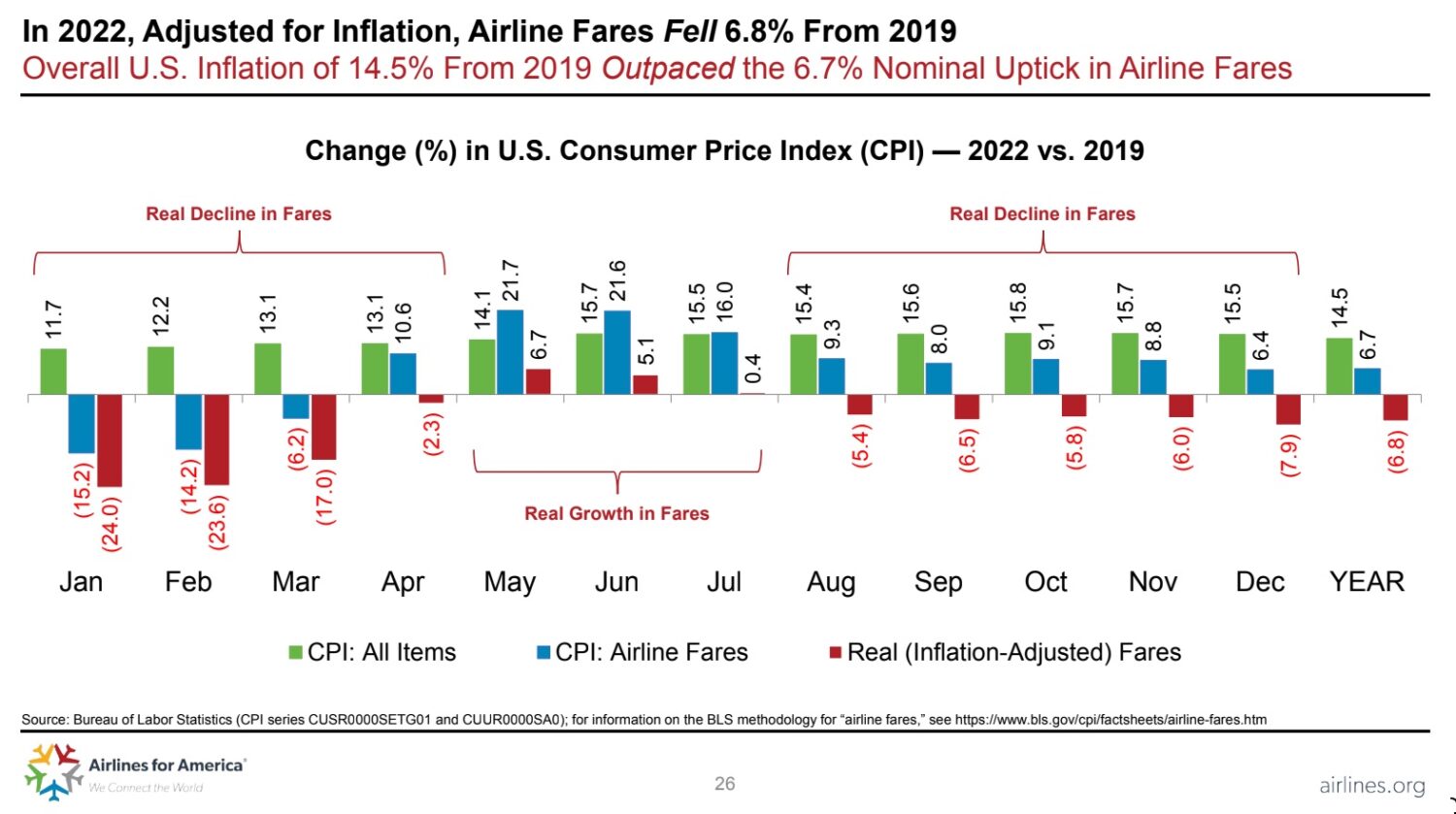
The most financially rewarding periods for travel are often the “shoulder seasons” or entirely “off-peak” months. Shoulder seasons are the periods immediately before or after the peak season (e.g., May or September/October for many European destinations). The weather is often still pleasant, but crowds are thinner, and critically, prices for flights and accommodation drop considerably. Off-peak months, such as January-February (excluding major holidays) or late autumn, often present the lowest fares, as demand is at its nadir.
Choosing to travel during these less popular times is a direct and powerful financial strategy. It allows travelers to experience destinations at a fraction of the peak season cost, stretching their budget further and potentially enabling more frequent trips. This requires flexibility, but the financial rewards are substantial.
Holiday Travel: Strategies for Minimizing Expense
Traveling during major holidays (Thanksgiving, Christmas, New Year’s, Easter, etc.) is notoriously expensive. Demand is exceptionally high as families and friends gather, and airlines know travelers are often less price-sensitive due to strong personal motivations. To mitigate these high costs:
- Book Exceptionally Early: For holiday travel, the “sweet spot” extends further out, often 4-6 months in advance. Prices begin to climb steadily as the holidays approach.
- Fly on the Holiday Itself: Christmas Day, Thanksgiving Day, or New Year’s Day often see significantly lower fares than the days immediately surrounding them, as fewer people prefer to travel on the actual holiday.
- Be Flexible with Dates: If possible, consider flying a few days before or after the main holiday crush.
- Consider Alternative Airports: Sometimes flying into or out of a smaller, secondary airport nearby can yield savings.
- Utilize Rewards Points: Holiday travel is often an ideal time to cash in accumulated airline miles or credit card points, as the cash price savings are maximized.
Strategic planning for holiday travel is not just about convenience; it’s a critical component of responsible personal finance, preventing budget overruns.
Leveraging Tools and Tactics for Savvy Travelers
Beyond understanding the temporal aspects of pricing, modern travelers have an array of digital tools and tactical approaches at their disposal to unearth the best deals.
Price Alerts and Prediction Tools
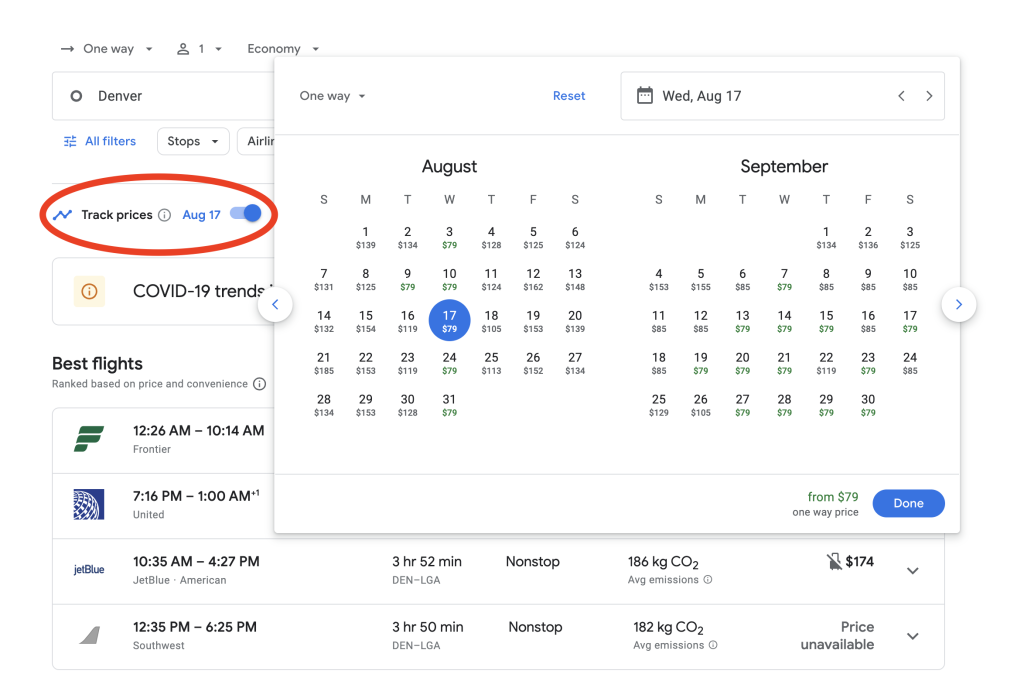
One of the most effective strategies for identifying when prices drop is to automate the monitoring process. Websites and apps like Google Flights, Skyscanner, Kayak, and Hopper offer price alert features. You can set up alerts for specific routes and dates, and you’ll receive notifications when the fare changes. Hopper even goes a step further with its “price prediction” feature, advising whether to book now or wait, based on historical data and predictive algorithms. Leveraging these tools transforms passive waiting into active financial monitoring, ensuring you’re informed the moment a good deal surfaces.
Flexibility is Your Financial Friend: Dates and Destinations
Rigidity in travel plans is often the enemy of affordability. Travelers who are flexible with their dates and/or destinations consistently find better deals.
- Flexible Dates: Instead of searching for a specific date, search for a range of dates (e.g., “travel any time in October”). Many flight search engines allow you to view prices across an entire month on a calendar, quickly highlighting the cheapest days.
- Flexible Destinations: If your primary goal is simply to “go somewhere,” rather than a specific location, use “explore” features on sites like Google Flights or Skyscanner. You can input your departure airport and see a map of destinations with the cheapest flights, opening up possibilities you might not have considered and offering significant savings.
Embracing flexibility is a powerful financial lever, allowing travelers to adapt to the market’s offerings rather than forcing the market to meet rigid demands.
The Incognito Mode and Cookie Conundrum
The myth persists that airlines or booking sites track your searches via cookies and increase prices when you return to view the same flight. While direct evidence of airlines intentionally raising prices solely based on an individual user’s repeated searches is largely unsubstantiated, prices do change constantly due to dynamic pricing. Browsing in incognito mode (or clearing your browser’s cookies) can’t hurt, and some users report a psychological comfort in doing so. The primary reason for fluctuating prices is the rapid changes in supply and demand, competitive pricing, and the sophisticated algorithms that adjust fares in real-time. Focus on the tools that notify you of actual price drops, rather than fearing personalized price hikes.
Exploring Budget Airlines and Alternative Airports
Don’t overlook the financial advantages of budget airlines and considering alternative airports.
- Budget Airlines: Carriers like Southwest, Spirit, Frontier (in the US), Ryanair, EasyJet (in Europe), and AirAsia (in Asia) often offer significantly lower base fares. However, be mindful of their unbundled pricing model, where checked bags, seat selection, and even carry-on bags can incur extra fees. Always calculate the total cost before booking.
- Alternative Airports: Many major cities are served by multiple airports. Flying into or out of a smaller, less congested airport (e.g., Oakland instead of SFO, or Newark/Long Island instead of JFK/LaGuardia) can sometimes lead to cheaper fares, as landing fees and operational costs for airlines might be lower. This strategy often requires a bit more ground transportation planning but can yield meaningful savings.
Understanding the Airline’s Dynamic Pricing Algorithm
At the heart of flight price fluctuations lies a complex system known as dynamic pricing or yield management. This sophisticated algorithm is designed to maximize an airline’s revenue by adjusting prices in real-time based on a multitude of factors.
Supply and Demand: The Core Driver
The fundamental economic principle of supply and demand is the primary driver. If a particular flight route is popular and seats are filling up quickly (high demand, diminishing supply), prices will rise. Conversely, if a flight has many empty seats and departure is approaching (low demand, abundant supply), prices may drop to stimulate bookings. Airlines are constantly monitoring booking rates, historical data, and competitor pricing to fine-tune these adjustments.
Fuel Costs, Competition, and Route Popularity
Several other factors feed into the dynamic pricing model:
- Fuel Costs: Jet fuel is a significant operational expense for airlines. Fluctuations in global oil prices can directly impact ticket prices, often with a lag.
- Competition: On routes served by multiple airlines, competition can drive prices down. A new airline entering a route or an existing one launching a promotional fare can trigger a price war, benefiting consumers. Conversely, a monopoly or duopoly on a route often leads to higher prices.
- Route Popularity & Seasonality: As discussed, routes to popular tourist destinations during peak seasons will always command higher prices. Business routes might see higher prices during weekdays.
- Ancillary Services: While not directly influencing the base fare, the increasing reliance on revenue from baggage fees, seat selection, and in-flight services allows airlines to keep base fares seemingly competitive while generating additional income.

Yield Management and Revenue Optimization
Airlines employ highly sophisticated “yield management” systems. These systems continuously analyze booking curves, forecast demand, and adjust the number of seats available at each price point (fare bucket). They aim to sell exactly the right number of seats at each price to maximize total revenue. This means that two passengers on the same flight, sitting next to each other, might have paid vastly different fares, simply because they booked at different times or met different fare class requirements. For the financially aware traveler, understanding this system is key to navigating it successfully and securing the best possible price for their journey.
In conclusion, finding cheap flights is not about luck; it’s about informed financial strategy. By understanding the optimal booking windows, leveraging daily and seasonal trends, utilizing modern price tracking tools, and embracing flexibility, travelers can significantly reduce their airfare expenses. This empowers them to allocate more of their hard-earned money towards enriching their travel experiences, rather than simply getting there.
aViewFromTheCave is a participant in the Amazon Services LLC Associates Program, an affiliate advertising program designed to provide a means for sites to earn advertising fees by advertising and linking to Amazon.com. Amazon, the Amazon logo, AmazonSupply, and the AmazonSupply logo are trademarks of Amazon.com, Inc. or its affiliates. As an Amazon Associate we earn affiliate commissions from qualifying purchases.