
In an increasingly interconnected world, the ability to monitor the real-time movement of aircraft has transitioned from a niche interest to a widely accessible and incredibly powerful tool. Whether you’re an anxious family member awaiting a loved one’s arrival, an aviation enthusiast, or simply curious about the silent giants traversing our skies, the technology to track planes is now at your fingertips. This guide delves into the technological underpinnings, essential tools, practical applications, and advanced functionalities that empower millions to keep an eye on air traffic globally.
Understanding the Technology Behind Plane Tracking
The seemingly magical ability to pinpoint an aircraft’s location in real-time is not magic at all, but a sophisticated tapestry of technologies working in concert. These systems have evolved significantly, moving beyond traditional radar to more precise and publicly accessible data streams.
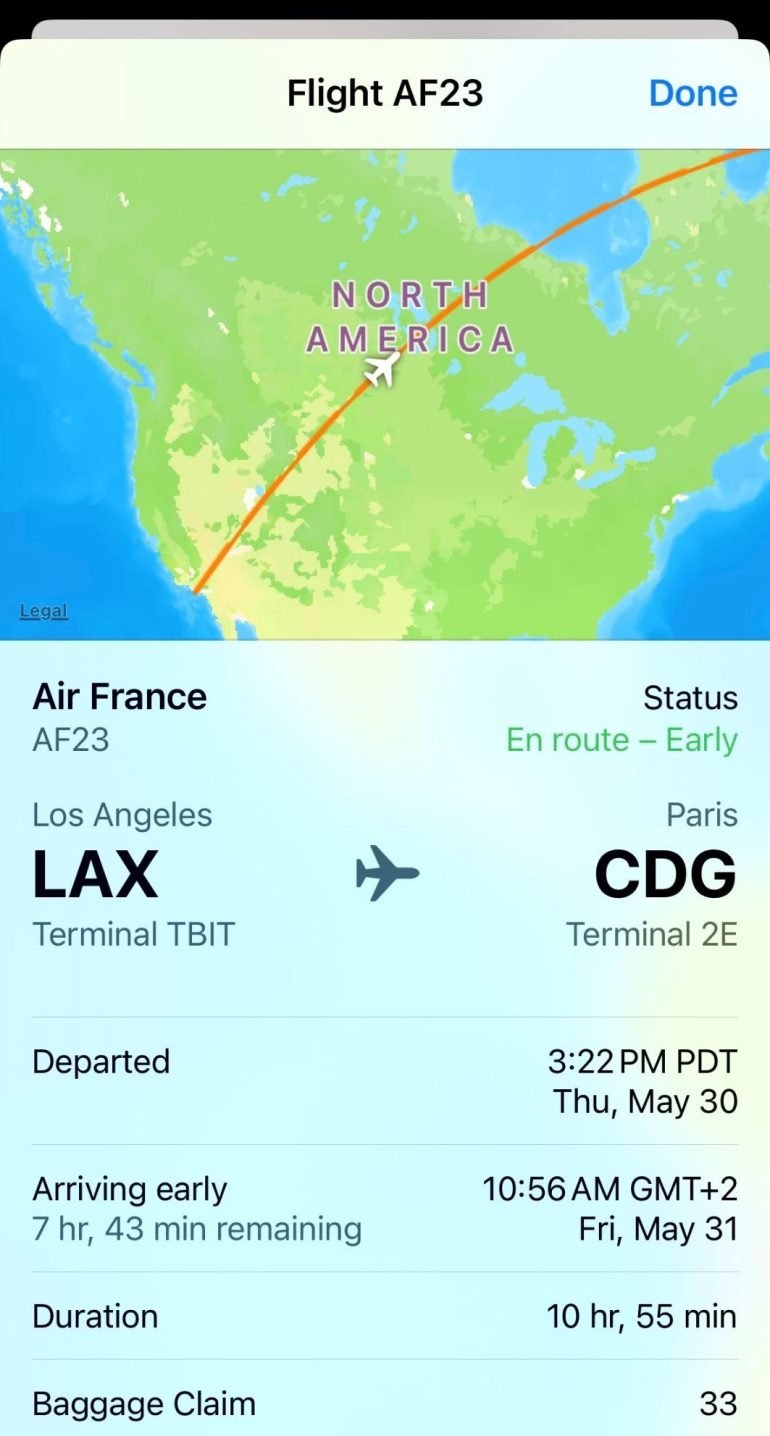
ADS-B: The Backbone of Modern Tracking
The cornerstone of contemporary flight tracking is Automatic Dependent Surveillance–Broadcast (ADS-B). This revolutionary technology enables aircraft to automatically broadcast their position, altitude, speed, and other flight data to ground stations and other aircraft. Unlike traditional radar, which “pings” an aircraft and measures the reflected signal, ADS-B is an active transmission from the aircraft itself.
Each ADS-B equipped aircraft sends out messages containing its unique ICAO 24-bit aircraft address, GPS-derived position, altitude, velocity, and flight number. These signals are broadcast on a universal frequency (1090 MHz for most commercial aircraft) and can be picked up by relatively inexpensive receivers on the ground. A network of thousands of volunteer-run and commercial ADS-B receivers around the world collect this data, aggregate it, and feed it into large databases that power flight tracking websites and apps. This peer-to-peer data collection model is a testament to distributed computing and crowd-sourced intelligence, making real-time tracking possible on a global scale, particularly over landmasses where ground receivers are abundant. The FAA’s NextGen modernization program in the United States and similar initiatives internationally have mandated ADS-B Out capabilities for most aircraft, solidifying its role as the primary data source.
Radar Systems and Air Traffic Control
While ADS-B forms the accessible backbone of public flight tracking, traditional radar systems remain critical for Air Traffic Control (ATC) operations and as a complementary data source. Primary Surveillance Radar (PSR) emits radio waves that bounce off aircraft and return to a receiver, providing range and bearing. Secondary Surveillance Radar (SSR) works in conjunction with a transponder on the aircraft, which replies with identification and altitude information when interrogated.
ATC facilities rely heavily on these radar systems to maintain separation between aircraft, guide them through complex airspace, and manage traffic flow. For public tracking services, radar data can sometimes fill gaps where ADS-B coverage is sparse, particularly in older systems or specific regions. However, radar data is generally not as granular or as easily disseminated to the public as ADS-B, making it less central to the consumer-facing flight tracking experience. Its primary role is safety and operational control by authorities, rather than public information.
Satellite-Based Tracking
For flights over oceans, remote areas, or polar regions where ground-based ADS-B receivers are non-existent, satellite-based tracking offers a vital solution. Companies like Aireon have deployed ADS-B receivers on constellations of low-Earth orbit satellites. These satellites can pick up the same ADS-B signals broadcast by aircraft, relaying them back to ground stations. This technology extends real-time tracking capabilities to virtually the entire globe, closing the previously existing gaps over vast stretches of water and unpopulated land.
Satellite-based ADS-B is crucial for maritime flights, enabling continuous monitoring of aircraft on transoceanic routes. This advancement significantly enhances safety and efficiency, providing ATC with real-time positional data even in the most remote locations. For public tracking services, this means a more complete picture of global air traffic, allowing users to follow flights from takeoff to landing, regardless of their route’s geographical challenges. While still an evolving technology, its impact on global air traffic surveillance is profound and continues to expand the reach of flight tracking capabilities.
Essential Tools and Platforms for Plane Tracking
Accessing the wealth of flight data made available by ADS-B and satellite networks requires specialized software and platforms. Fortunately, a robust ecosystem of websites and mobile applications has emerged, making plane tracking intuitive and accessible to everyone.
Dedicated Flight Tracking Websites
The most comprehensive and feature-rich way to track planes is through dedicated flight tracking websites. These platforms aggregate data from thousands of sources worldwide, presenting it on interactive maps with a wealth of associated information.
- FlightAware: One of the pioneers in the field, FlightAware offers extensive global coverage, real-time tracking, historical flight data, and predictive analytics for delays. It’s renowned for its robust feature set, including detailed flight plans, aircraft histories, and airport status information. Users can track specific flights, search for planes by tail number or airline, and view global air traffic on a dynamic map.
- FlightRadar24: Perhaps the most popular and visually appealing tracking service, FlightRadar24 boasts an incredibly intuitive interface and impressive real-time data visualization. Its map displays hundreds, often thousands, of aircraft movements simultaneously, complete with aircraft type, registration, altitude, speed, and origin/destination. It also allows users to “point” their device at the sky to identify overhead planes using augmented reality (via their app). FlightRadar24’s global ADS-B receiver network is vast, providing exceptional coverage.
- PlaneFinder: Another strong contender, PlaneFinder provides similar real-time tracking capabilities with a user-friendly interface. It offers detailed information on aircraft, routes, and airports, alongside features like 3D flight views and historical playback. PlaneFinder often highlights unique aircraft and notable flight paths, appealing to aviation enthusiasts looking for something specific.
These websites typically offer both free tiers with core tracking functionalities and premium subscriptions that unlock advanced features such as historical data access, ad-free experience, enhanced filters, and custom alerts. They serve as indispensable resources for anyone serious about following air traffic.
Mobile Applications for On-the-Go Tracking
For convenience and portability, mobile applications offer a streamlined experience for tracking flights directly from your smartphone or tablet. Most leading tracking services, including FlightAware, FlightRadar24, and PlaneFinder, provide dedicated apps that mirror much of their website’s functionality.
The advantages of mobile apps include:
- Portability: Track flights from anywhere with an internet connection.
- Push Notifications: Receive alerts for flight status changes, gate assignments, delays, or arrivals.
- Augmented Reality (AR): As mentioned, some apps like FlightRadar24’s allow you to point your phone at a plane in the sky to instantly identify it.
- User-Friendly Interfaces: Apps are often designed with touch navigation in mind, offering a highly intuitive experience.
While mobile apps provide an excellent way to track individual flights or quickly check airport status, their smaller screen size might offer a less comprehensive overview compared to desktop websites for tracking multiple flights or analyzing broad air traffic patterns. However, for most users, the convenience and real-time alerts of mobile apps make them an indispensable tool for personal travel management and casual tracking.
DIY ADS-B Receivers and Community Networks

For the true aviation enthusiast or tech-savvy individual, contributing to the global flight tracking network by running a DIY ADS-B receiver is a rewarding endeavor. This involves setting up a small, low-cost receiver unit (often based on a Raspberry Pi and a USB SDR dongle) connected to an antenna. This setup passively listens for ADS-B signals from nearby aircraft and uploads the decoded data to tracking networks like FlightAware or FlightRadar24.
By becoming a data feeder, you:
- Enhance Coverage: Especially in areas with limited existing receiver coverage.
- Gain Premium Access: Many tracking services offer free premium accounts to their data feeders as an incentive.
- Deepen Understanding: Provides a hands-on learning experience about radio technology, data processing, and aviation communication.
- Join a Community: Become part of a global network of volunteers passionate about aviation and technology.
The process typically involves installing specific software on a micro-computer, configuring network settings, and positioning an antenna with a clear view of the sky. While requiring a bit of technical know-how, numerous online guides and communities provide ample support. This “maker” approach to flight tracking not only satisfies a hobbyist’s curiosity but also plays a vital role in the distributed infrastructure that makes real-time global flight tracking possible for everyone.
Practical Applications and Benefits of Plane Tracking
The ability to track planes in real-time extends far beyond mere curiosity, offering substantial practical benefits for individuals, professionals, and enthusiasts alike. This technology streamlines travel, enriches hobbies, and even plays a role in emergency response.
Personal Travel Management
For travelers and those expecting them, plane tracking technology is an invaluable tool for personal travel management. No longer do you need to guess about delays or make multiple phone calls to airlines.
- Meeting Loved Ones: Family and friends can monitor incoming flights, precisely timing their departure to the airport to avoid long waits, even accounting for early or delayed arrivals.
- Connecting Flights: Travelers themselves can keep an eye on their connecting flight’s status, helping them navigate tight layovers and make informed decisions if a previous leg is delayed.
- Managing Itineraries: Airlines sometimes make gate changes or operational adjustments. Real-time tracking apps can provide immediate updates, helping travelers stay informed and avoid missing crucial information.
- Traffic and Parking Planning: Knowing the exact landing time allows for better planning of ground transportation, factoring in potential traffic to and from the airport.
By providing immediate, accurate information, flight tracking significantly reduces stress and uncertainty associated with air travel, enhancing the overall experience for passengers and their welcoming parties.
Aviation Enthusiast and Hobbyist Insights
For aviation enthusiasts, plane spotters, and hobbyists, flight tracking platforms are an indispensable resource, transforming their passion into an even more engaging pursuit.
- Aircraft Spotting: Spotters can use the apps to identify planes overhead, check their origin/destination, and anticipate the arrival of specific aircraft types or rare liveries at their local airport.
- Data Analysis: Enthusiasts can delve into historical data to analyze air traffic patterns, track specific airlines, or monitor particular aircraft registrations over time. This can include understanding route efficiency, fleet utilization, or even identifying interesting charter flights.
- Understanding Air Traffic Patterns: Observing the intricate dance of aircraft in busy airspace provides a deeper understanding of air traffic control, flight corridors, and the sheer volume of global aviation.
- Photography Planning: Photographers can use tracking data to position themselves perfectly for capturing landings, takeoffs, or specific aircraft types, knowing their exact approach or departure path.
These tools provide a window into the dynamic world of aviation, fueling curiosity and facilitating a deeper engagement with the mechanics and logistics of flight.
Crisis Management and Emergency Preparedness
Beyond personal and recreational uses, plane tracking technology plays an increasingly important, albeit often behind-the-scenes, role in crisis management and emergency preparedness. While public-facing tracking might have limitations during sensitive operations, the underlying data infrastructure is critical.
- Search and Rescue Operations: In the unfortunate event of an aircraft going missing, the last known ADS-B or satellite-derived position data provides a crucial starting point for search and rescue teams, significantly narrowing the search area.
- Incident Response: For airport authorities and emergency services, real-time tracking of an aircraft experiencing an in-flight emergency allows for coordinated ground response, ensuring that paramedics, fire services, and other personnel are in position the moment the aircraft lands.
- General Awareness: Public tracking can raise awareness during major events, such as tracking humanitarian aid flights or monitoring air traffic during natural disasters to understand logistical movements.
- Security Monitoring: While not fully publicly disclosed, authorities utilize these technologies, often with enhanced access, for national security and border surveillance purposes, monitoring suspicious or unscheduled flights.
In these critical scenarios, the ability to quickly and accurately ascertain an aircraft’s location and trajectory can be the difference between a successful intervention and a more tragic outcome, underscoring the profound societal value of continuous air traffic surveillance.
Advanced Features and Data Interpretation
Beyond basic real-time map displays, modern flight tracking platforms offer a suite of advanced features designed for deeper analysis and personalized engagement. Mastering these tools can significantly enhance the user’s experience and insight.
Real-time Data Visualization and Filters
The core appeal of flight tracking lies in its real-time data visualization, presented primarily through interactive maps. However, the sophistication goes much deeper.
- Map Layers: Users can typically switch between various map layers (e.g., satellite, street, terrain) and overlay additional information like weather radar, airport boundaries, or restricted airspace. This context helps in understanding environmental impacts on flights.
- Aircraft Details: Clicking on an aircraft reveals a wealth of information: aircraft type (e.g., Boeing 747-8, Airbus A320), tail number/registration, airline, origin and destination airports, estimated time of arrival (ETA), current altitude, ground speed, vertical speed, heading, and even squawk code (a four-digit transponder code that can indicate emergencies or specific flight types). Some platforms even show the aircraft’s photo.
- Filtering Options: To manage the often overwhelming number of planes on screen, advanced filters are essential. Users can filter by:
- Aircraft Type: View only commercial jets, private planes, cargo aircraft, or specific models.
- Airline: Track all flights by a particular carrier.
- Airport: See only arrivals or departures from a specific airport.
- Altitude/Speed: Focus on high-altitude long-haul flights or low-flying regional aircraft.
- Registration/Flight Number: Track a precise aircraft or flight.
These visualization and filtering capabilities transform a chaotic map into a focused analytical tool, allowing users to extract specific information relevant to their interests.
Alerts and Notifications
One of the most powerful features for personal travel management and dedicated enthusiasts is the ability to set up alerts and notifications. These push notifications or email alerts keep users informed without needing to constantly monitor the map.
- Flight Status Changes: Receive alerts for departure, arrival, gate changes, delays, diversions, or cancellations for a specific flight. This is invaluable for meeting travelers or staying updated on one’s own itinerary.
- Aircraft Movement: Get notified when a particular aircraft (identified by tail number) takes off or lands, or enters/leaves a defined geographical area. This is popular among spotters tracking unique planes.
- Airport Activity: Set alerts for specific airport activities, such as all departures or arrivals within a certain timeframe, or when a particular type of aircraft lands.
- Squawk Code Alerts: For advanced users, getting notifications for specific squawk codes (e.g., emergency codes like 7700) can provide immediate insight into in-flight incidents.
These proactive notifications transform the tracking experience from reactive observation to proactive information reception, ensuring critical updates are delivered instantly.

Understanding Aircraft Data Parameters
Interpreting the rich data stream displayed by tracking platforms requires some familiarity with aviation terminology.
- Altitude: Displayed in feet, indicates the aircraft’s height above mean sea level (AMSL) or ground level (AGL). Understanding typical cruising altitudes (30,000-40,000 ft for commercial jets) helps distinguish flight phases.
- Ground Speed: The speed of the aircraft relative to the ground, distinct from airspeed (speed relative to the air). Ground speed is affected by winds.
- Vertical Speed: Rate of climb or descent, measured in feet per minute. Positive values indicate climbing, negative values indicate descending.
- Squawk Codes: A unique four-digit code transmitted by the aircraft’s transponder. While most are routine, specific codes signal emergencies (7700), radio failure (7600), or unlawful interference (7500).
- ICAO 24-bit Aircraft Address: A unique hexadecimal code assigned to each aircraft for identification within the ADS-B system.
- Flight Number/Callsign: The alphanumeric code identifying a specific scheduled flight (e.g., BA245) or the aircraft’s radio callsign.
- Route Information: Detailed flight path, including waypoints, standard instrument departures (SIDs), and standard terminal arrival routes (STARs), often visible as lines on the map.
By understanding these parameters, users can gain a much deeper appreciation for the operational dynamics of air travel, transforming raw data into meaningful insights about any given flight’s status and trajectory. This technical literacy empowers users to engage with flight tracking on a more sophisticated level, moving beyond simple observation to informed analysis.
aViewFromTheCave is a participant in the Amazon Services LLC Associates Program, an affiliate advertising program designed to provide a means for sites to earn advertising fees by advertising and linking to Amazon.com. Amazon, the Amazon logo, AmazonSupply, and the AmazonSupply logo are trademarks of Amazon.com, Inc. or its affiliates. As an Amazon Associate we earn affiliate commissions from qualifying purchases.