
Investing in a vehicle is one of the most significant financial commitments a consumer can make. Beyond the initial purchase price, the long-term cost of ownership is defined by maintenance, repairs, and strategic upgrades. One of the most common yet misunderstood expenditures in this category is the installation of a car starter—whether that refers to replacing a failed starter motor or installing a modern remote start system.
When asking “how much to install a starter car,” the answer is rarely a single figure. It involves a complex interplay of hardware costs, labor markets, and the financial concept of value-added investment. This guide analyzes the fiscal realities of starter installation, providing a comprehensive breakdown for the budget-conscious car owner and the financially savvy investor looking to maintain their automotive assets.

Understanding the Primary Cost Components of Starter Installation
The total expenditure for a car starter installation is divided into two primary categories: hardware (the physical unit) and labor (the expertise required for integration). Understanding these components is essential for accurate budgeting and avoiding “sticker shock” at the mechanic’s shop.
The Price of Hardware: Replacement vs. Remote Systems
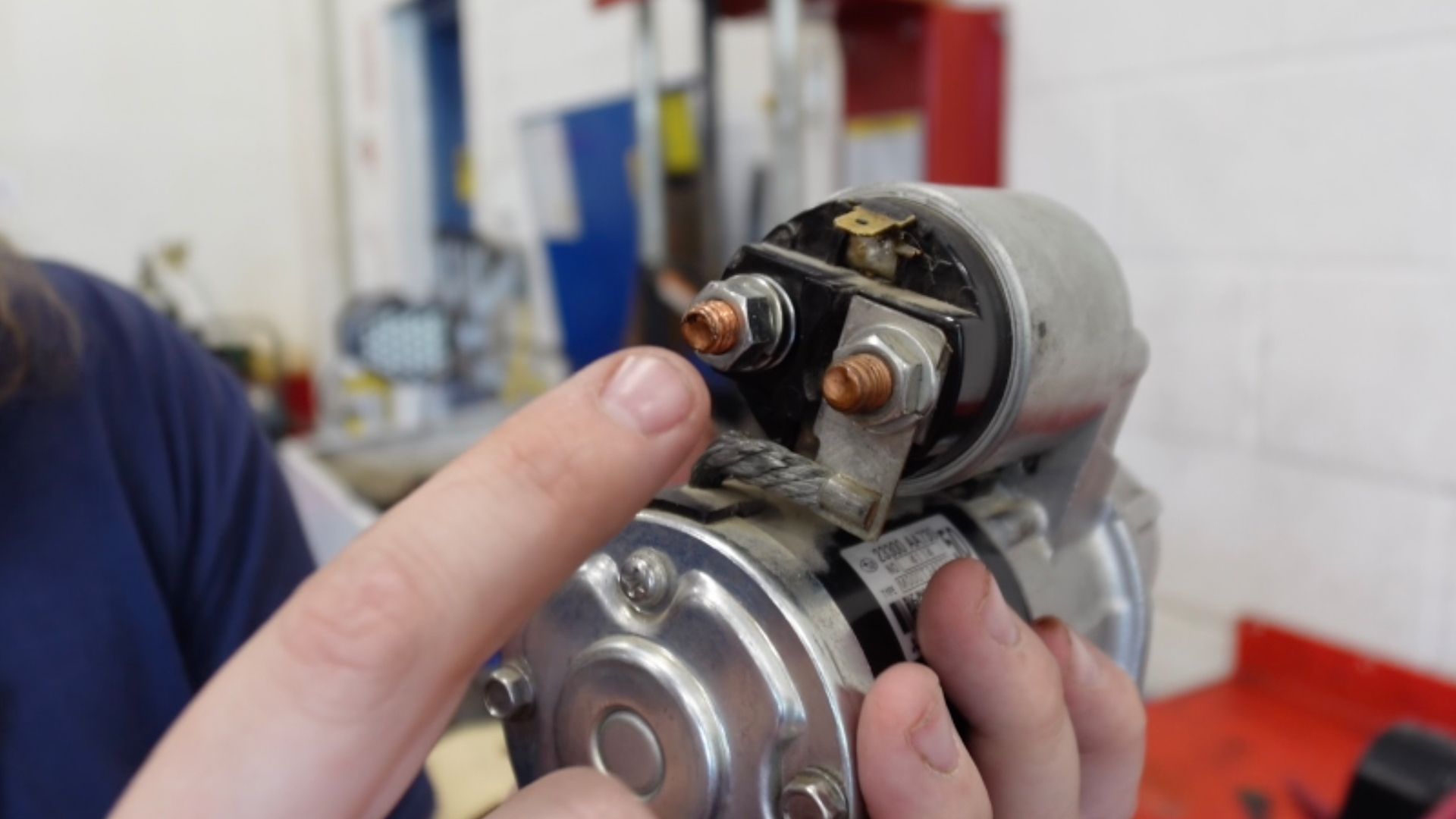
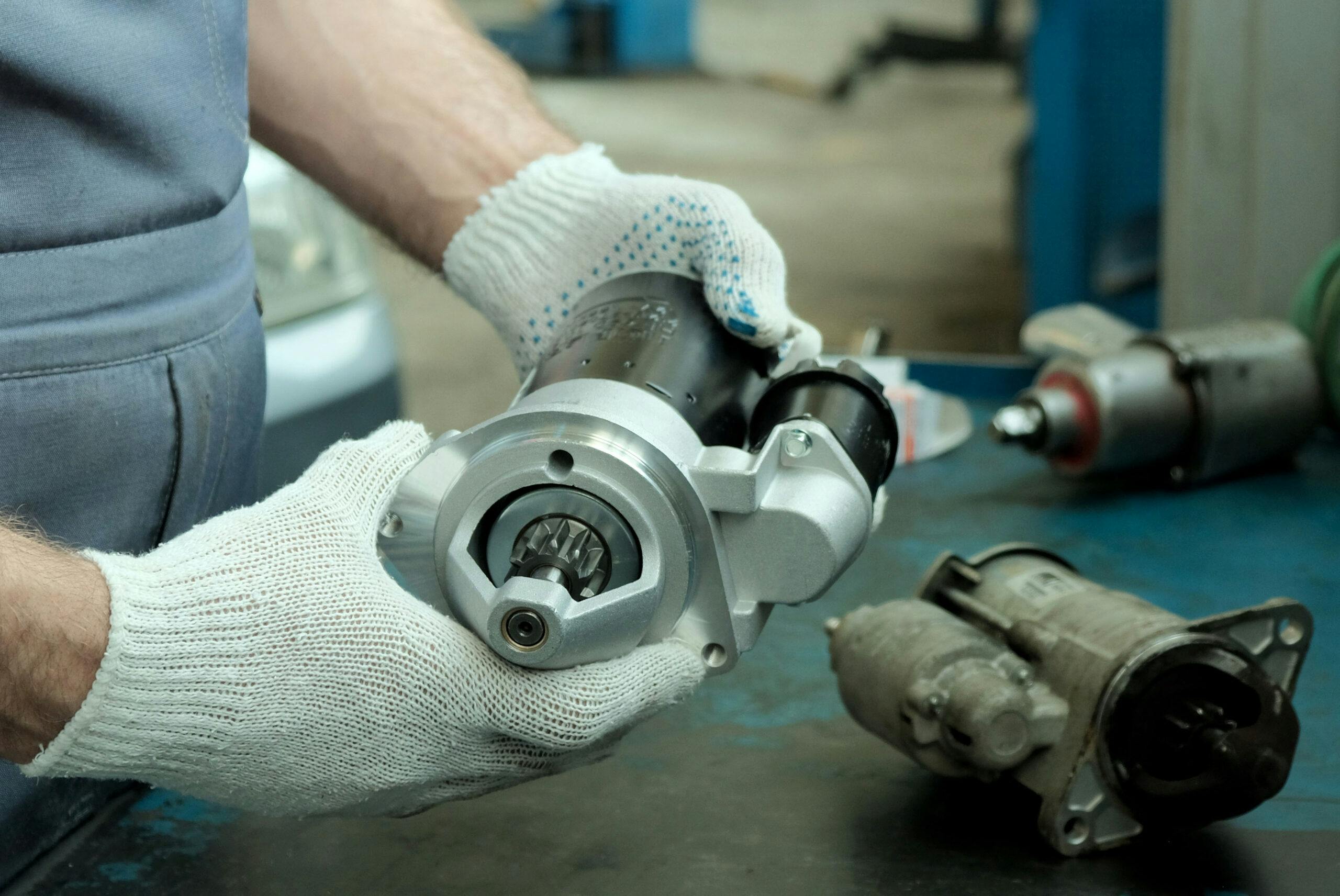
From a financial perspective, we must distinguish between a “replacement starter motor” and a “remote starter system.” A replacement starter motor is a necessary repair—a capital expenditure required to keep the asset operational. These units typically range from $80 to $250 for the part alone, depending on the vehicle’s make and model. High-performance or luxury vehicles may command prices upwards of $500 for the component.
On the other hand, a remote starter system is an elective upgrade. These systems vary significantly in price based on their feature sets. Basic one-way systems can be acquired for as little as $50 to $100, while sophisticated two-way systems with smartphone integration and GPS tracking can exceed $300. When budgeting, one must decide if the convenience of a remote starter offers a sufficient personal return on investment (ROI) in terms of comfort and time saved during extreme weather conditions.
Labor Rates and Regional Economic Factors
Labor is often the most volatile variable in the total cost equation. Automotive technicians generally bill based on a “book rate”—a standardized estimate of how many hours a specific job should take. Replacing a starter motor usually takes between 1.5 to 4 hours. In a market where labor rates range from $90 to $200 per hour, this can add $135 to $800 to the final bill.
Geographic location plays a significant role here. A shop in a high-cost-of-living urban center will naturally have higher overhead costs, which are passed on to the consumer. Conversely, independent shops in rural areas may offer more competitive rates. From a personal finance standpoint, it is always advisable to obtain quotes from at least three different service providers to establish the local market equilibrium.
Hidden Costs and Long-Term Value Assessment
A common mistake in financial planning for car repairs is failing to account for secondary expenses. The “advertised price” is rarely the “out-the-door” price. By identifying hidden costs, you can create a more resilient budget.
Bypass Modules and Supplementary Hardware
For modern vehicles equipped with advanced anti-theft systems, a remote starter installation often requires a “bypass module.” This piece of hardware allows the starter to communicate with the car’s encrypted security system. Financially, this adds an unexpected $50 to $150 to the project. Furthermore, if your vehicle requires specialized wiring harnesses or relays to maintain factory warranties, these minor components can aggregate, pushing a “budget” installation into a much higher price bracket.
Impact on Resale Value and Asset Protection
When assessing the cost of a car starter, one should consider the impact on the vehicle’s resale value. In colder climates, a professionally installed remote start system is a highly sought-after feature that can increase the liquidity of the asset—making it easier and faster to sell on the secondary market.
From a mechanical preservation standpoint, a starter motor replacement is a critical maintenance item. Ignoring a failing starter can lead to “stranded costs,” such as towing fees and lost wages due to a non-functional vehicle. Therefore, the cost of the starter should be viewed not just as an expense, but as an insurance policy against the much higher costs of emergency repairs and lost productivity.
Comparing Service Providers: Professional vs. DIY Financial Outlay
The “Do It Yourself” (DIY) route is often touted as a way to save money, but a rigorous financial analysis suggests that the risks often outweigh the rewards for the average consumer.
The True Cost of DIY: Risk vs. Reward
On paper, the DIY approach saves 100% of labor costs. However, this ignores the “opportunity cost” of your time and the “risk premium” of a potential error. Modern automotive electrical systems are incredibly complex. A mistake during a remote starter installation can lead to a “fried” Electronic Control Unit (ECU), a component that can cost between $1,000 and $3,000 to replace.
Unless you possess professional-grade tools and significant technical expertise, the financial risk of a catastrophic error makes the professional labor fee look like a bargain. When you pay a professional, you are not just paying for their time; you are paying for a service guarantee and the transfer of risk from yourself to the shop’s insurance policy.
Dealerships vs. Independent Shops: A Margin Analysis
Choosing where to take your vehicle is a classic exercise in cost-benefit analysis. Dealerships typically have the highest labor rates but offer the highest level of specialization and use Original Equipment Manufacturer (OEM) parts. This is often the safest choice for vehicles under warranty, as it prevents any disputes regarding warranty coverage.
Independent shops often have lower overhead and may offer “aftermarket” parts which are functionally equivalent to OEM parts but significantly cheaper. For an older vehicle that is no longer under warranty, the independent shop is almost always the more fiscally responsible choice. By opting for a reputable independent mechanic, you can often save 20% to 40% on the total bill without sacrificing the quality of the installation.
Strategic Budgeting for Automotive Maintenance
Navigating the costs of car ownership requires a proactive financial strategy. Instead of reacting to car trouble as a crisis, savvy owners treat it as a line item in their monthly budget.
Sinking Funds for Automotive Repair
The most effective way to manage the cost of a starter installation—or any repair—is through the use of a “sinking fund.” By setting aside a fixed amount each month (e.g., $50 to $100) specifically for car maintenance, the $500 bill for a new starter becomes a non-event rather than a financial emergency. This approach prevents the need to rely on high-interest credit cards, which can effectively double the cost of the repair over time through interest payments.
Evaluating Warranty and Insurance Implications
Before authorized any expenditure, check if your vehicle is covered by a powertrain warranty or an extended service contract. If the starter motor fails, the cost may be $0 out of pocket.
Additionally, be aware of how elective upgrades like remote starters interact with your insurance. Some insurance providers may offer a slight discount for vehicles with GPS-enabled remote systems (due to theft recovery features), while others may require you to declare the modification to ensure it is covered in the event of a total loss. Understanding these nuances ensures that your investment is fully protected within your broader financial ecosystem.
Conclusion: Making the Financially Sound Decision
Determining “how much to install a starter car” is a multi-faceted financial calculation. While the raw numbers generally fall between $250 and $800 for most vehicles, the true cost includes the quality of the components, the reliability of the labor, and the long-term impact on the vehicle’s value.
By approaching this task with the mindset of a portfolio manager—evaluating risks, comparing market rates, and planning for future expenditures—you can ensure that your vehicle remains a reliable asset rather than a financial burden. Whether you are replacing a vital component to keep your commute viable or adding a luxury feature to enhance your daily life, the key is to prioritize professional installation and transparent budgeting to achieve the best possible return on your automotive investment.
aViewFromTheCave is a participant in the Amazon Services LLC Associates Program, an affiliate advertising program designed to provide a means for sites to earn advertising fees by advertising and linking to Amazon.com. Amazon, the Amazon logo, AmazonSupply, and the AmazonSupply logo are trademarks of Amazon.com, Inc. or its affiliates. As an Amazon Associate we earn affiliate commissions from qualifying purchases.