
In the ever-evolving landscape of automotive technology, convenience and comfort are no longer luxuries but expected amenities. Among the most sought-after vehicle upgrades is the remote car starter, a device that allows you to warm up or cool down your car from a distance, making those frigid winter mornings or scorching summer afternoons significantly more bearable. However, for many prospective buyers, the primary hurdle isn’t choosing a specific brand or feature, but understanding the financial commitment involved. “How much to install a remote car starter?” is a question laden with variables, encompassing everything from the device’s technology to the installer’s expertise. This article delves deep into the costs associated with remote car starter installation, offering a detailed breakdown to help you budget wisely and make an informed decision.
Understanding the Core Investment: Device and Installation Costs
The total cost of installing a remote car starter is primarily a sum of two major components: the price of the remote starter unit itself and the labor cost for professional installation. These two elements, while distinct, are intricately linked and fluctuate based on a multitude of factors.
The Remote Starter Unit: Features and Price Tiers
The heart of the system is the remote starter unit, and its price can vary dramatically based on its technological sophistication, range, and included features. Understanding these tiers is crucial for managing your “Money” aspect of this purchase.
- Basic 1-Way Systems (Typically $50 – $150 for the unit): These are the most economical options. A 1-way system allows you to send commands (start, lock, unlock) to your vehicle, but the remote unit does not receive confirmation that the command was successfully executed. They generally offer a range of a few hundred feet and are perfect for those on a tight budget or who only need the most fundamental remote start function. The “Tech” here is simple, relying on basic radio frequency signals.
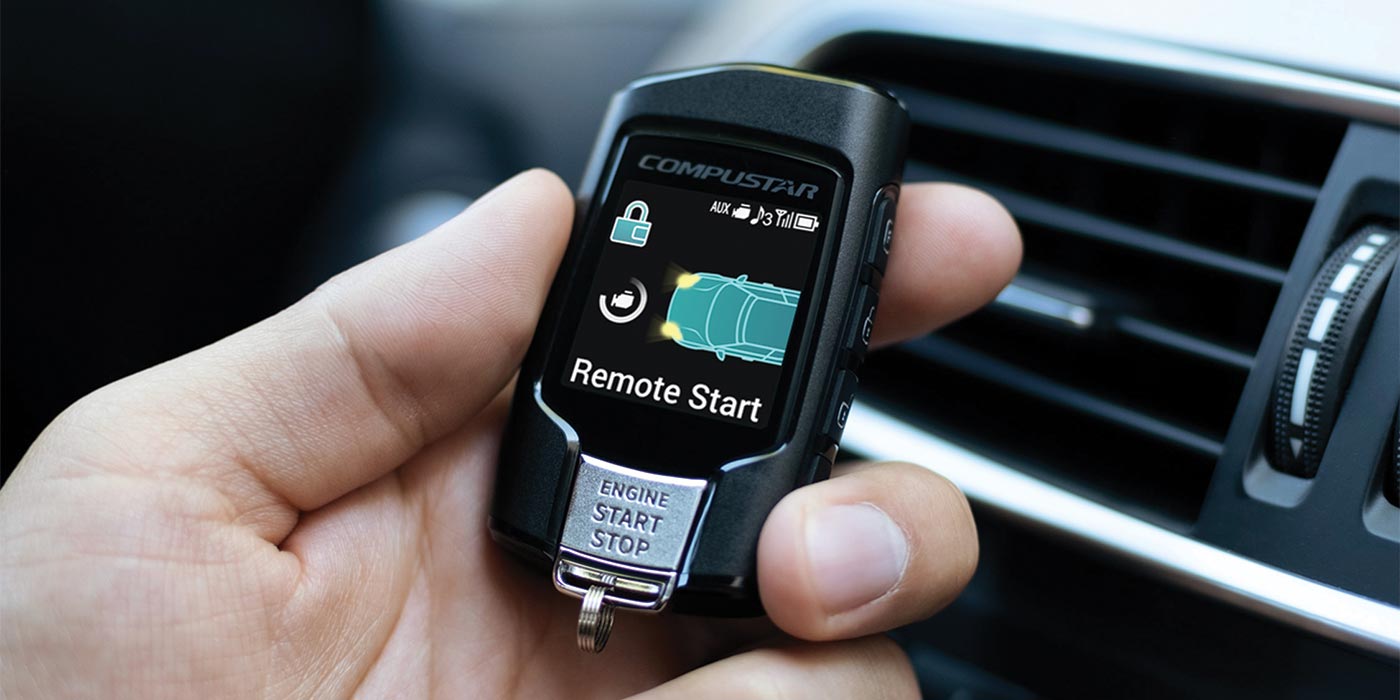
- Advanced 2-Way Systems (Typically $150 – $300 for the unit): Stepping up in “Tech,” 2-way systems provide confirmation feedback to your remote, usually via a small LCD screen or LED lights. This means you’ll know if your car actually started, locked, or unlocked, offering greater peace of mind. These systems often boast longer ranges, sometimes up to a mile or more, and might include additional features like real-time temperature display or timer functions. For many, the added assurance and extended range make the extra “Money” spent worthwhile.
- Smartphone-Controlled Systems / Telematics (Typically $200 – $500+ for the unit, plus subscription fees): This represents the pinnacle of remote starter “Tech” and convenience. These systems integrate with your smartphone via a dedicated app, allowing you to control your car from virtually anywhere with cellular service. Beyond starting and stopping, they often include GPS tracking, vehicle diagnostics, geofencing capabilities, and even security alerts. While the initial unit cost is higher, and most require an annual subscription fee (ranging from $50 to $150), the unparalleled range and rich feature set offer immense value. This option perfectly aligns with “Technology Trends” and “Apps” found on many tech-focused websites.
Beyond these core types, some units come bundled with alarm systems, keyless entry, or even advanced security features, naturally increasing their standalone price.
Professional Installation Labor: What You’re Paying For
While the remote starter unit is a tangible product, the installation labor is where the true “Brand” and “Tech” expertise of a service provider come into play. Labor costs can range from $100 to $350 or more, depending on several critical factors. When you pay for professional installation, you’re investing in:
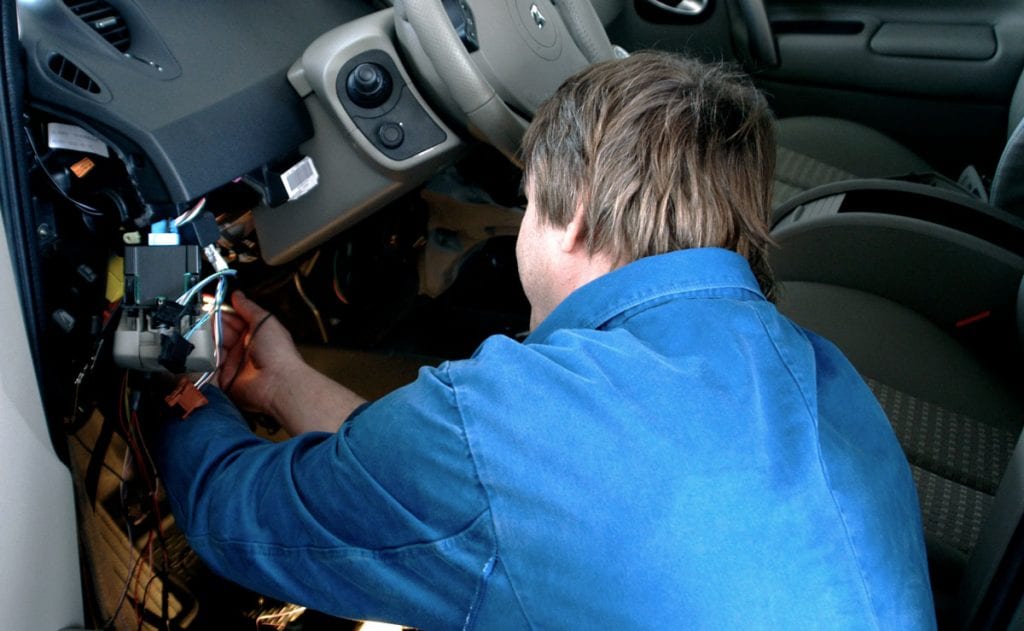
- Expertise and Training: Modern vehicles are incredibly complex, laden with intricate wiring, sophisticated computer systems (CAN bus, immobilizers), and sensitive electronics. A professional installer has the specialized knowledge, diagnostic tools, and ongoing training to safely integrate a remote starter without damaging your vehicle’s electrical system or voiding warranties. This isn’t just about connecting wires; it’s about understanding vehicle architecture.
- Time and Complexity: Installation time can vary from 2-3 hours for a straightforward vehicle to 6+ hours for more complex models, especially those requiring specialized bypass modules or extensive wiring. The labor cost directly reflects this time investment.
- Specialized Tools and Equipment: Professionals utilize specific tools for wiring, soldering, testing, and programming the bypass modules that allow the remote starter to communicate with your car’s immobilizer system. These tools represent a significant “Tech” investment for the installer.
- Insurance and Warranty: Reputable installers carry liability insurance, protecting both them and you in case of an unforeseen issue. Moreover, professional installations often come with a labor warranty (e.g., 1 year), providing peace of mind. This adds to the perceived “Brand” value and “Reputation” of the installer.
- Location and Overhead: Installation costs can vary geographically. Shops in urban areas with higher overheads typically charge more than those in rural settings.
In essence, the labor cost isn’t just for turning wrenches; it’s for the assurance that your vehicle’s complex “Tech” will function flawlessly and safely after the upgrade.
Key Factors Influencing Your Total Expenditure
Beyond the base price of the unit and labor, several other elements can significantly sway your final bill. Being aware of these helps you manage your “Personal Finance” and avoid unexpected costs.
Vehicle Compatibility and Complexity
This is perhaps the most significant determinant of installation complexity and, consequently, cost.
- Older vs. Newer Vehicles: Generally, older vehicles (pre-2000s) with simpler electrical systems are easier and cheaper to install remote starters in. Newer vehicles, especially those with advanced security features, push-button start, or complex data bus systems, require more sophisticated bypass modules and specialized wiring harnesses. This means more expensive parts and longer installation times.
- Push-Button Start vs. Key Ignition: Vehicles with push-button start systems typically cost more to equip with remote starters. They often require more complex integration with the vehicle’s immobilizer system to safely start the engine without a key present, potentially needing more advanced bypass modules.
- Brand and Model Specifics: Some car brands and models are inherently more challenging than others. Luxury vehicles, European imports, or cars with unique electrical architecture might demand custom wiring, specialized interfaces, or simply more labor-intensive processes, pushing up the “Money” required.
Desired Features: Beyond Basic Remote Start
While basic remote start is the core function, many systems offer an array of additional features that enhance convenience and security, each potentially adding to the cost.
- Keyless Entry Integration: Many remote starters can be integrated with your car’s existing keyless entry system or replace it entirely. This is often a standard feature in 2-way and smartphone systems.
- Alarm and Security Features: Combining a remote starter with an alarm system provides a comprehensive security solution. Features like shock sensors, motion detection, tilt sensors, and proximity alerts enhance your vehicle’s “Digital Security,” but come at an additional cost for the hardware and integration.
- Heated Seat/Steering Wheel Activation: Some advanced systems can be programmed to activate your heated seats or steering wheel automatically when the temperature drops below a certain point, adding to the comfort but requiring more complex wiring and programming.
- Window Roll-Up/Down: Certain high-end systems can control power windows, allowing you to vent hot air from your car before you even get in.
- GPS Tracking: Offered mainly with smartphone-controlled systems, GPS tracking adds significant “Tech” capability, allowing you to locate your vehicle, monitor driving habits, and set geofences. This is a premium feature, often tied to the aforementioned subscription services.
Each added feature contributes to the overall complexity of the unit and the installation, thereby increasing the final price.
Installer Expertise and Location
The “Brand” and “Reputation” of your installer play a massive role in both the quality of the installation and the price you pay.
- Dealerships: While convenient, dealerships often charge the highest prices for remote starter installation. They typically use OEM (Original Equipment Manufacturer) parts, which can be more expensive, and their labor rates are generally higher. However, you often benefit from factory-trained technicians and the assurance that your vehicle’s warranty remains intact.
- Specialty Car Audio/Electronics Shops: These are often the sweet spot. They specialize in aftermarket electronics, employ experienced technicians, and offer a wider range of remote starter “Brands” and features. Their prices are usually competitive, and their expertise in “Tech” is top-notch. Look for shops with excellent reviews and established “Reputation.”
- Independent Mechanics/Mobile Installers: Prices here can vary widely. While some independent shops or mobile installers are highly skilled and offer great value, others may lack the specialized tools or experience with modern vehicle electronics. It’s crucial to do thorough research and check references when considering these options.
- Geographic Location: As mentioned, labor rates differ by region. Major metropolitan areas tend to have higher installation costs compared to smaller towns or rural areas.
Brand Reputation and Warranty Considerations
The “Brand” of the remote starter unit itself can influence pricing. Well-known “Brands” like Compustar, Viper, Directed Electronics, and Clifford often command higher prices due to their established “Reputation” for reliability, advanced “Tech,” and comprehensive warranties. Opting for a lesser-known “Brand” might save you “Money” upfront, but could lead to issues down the line. It’s wise to consider the long-term support and warranty offered by both the product manufacturer and the installer. A good warranty provides peace of mind and protects your “Money” investment.
DIY vs. Professional Installation: Weighing the Options
When contemplating the “Money” aspect, many individuals consider a Do-It-Yourself (DIY) installation. While it seems like a straightforward way to save on labor costs, it’s a decision that warrants careful consideration, especially given the “Tech” complexity of modern vehicles.

The DIY Path: Potential Savings vs. Risks
For the mechanically inclined with a strong understanding of automotive electronics, performing a DIY installation can save the entire labor cost (typically $100-$350). You would only pay for the remote starter unit and any necessary bypass modules.
- Potential Savings: The primary appeal is cost reduction.
- Required Skills and Tools: You’ll need a multimeter, soldering iron, wire strippers, basic hand tools, and a thorough understanding of your vehicle’s wiring diagrams. More importantly, you need to understand how immobilizer systems work and how to correctly integrate a bypass module without causing electrical issues.
- Significant Risks:
- Electrical Damage: Incorrect wiring can lead to blown fuses, damage to your car’s Body Control Module (BCM), or even a vehicle fire. Repairs for such damage can far exceed the cost of professional installation.
- Voided Warranty: Many vehicle manufacturers will void parts of your electrical warranty if an aftermarket device is installed improperly by a non-certified technician. This is a critical “Money” risk.
- Security Vulnerabilities: A poorly installed system could create security weaknesses, potentially making your car easier to steal. This impacts your “Digital Security.”
- Functionality Issues: The system might not work reliably, experience intermittent failures, or conflict with other vehicle electronics.
- Time Commitment and Frustration: What seems like a few hours can easily turn into a multi-day project, especially if you encounter unexpected wiring complexities or diagnostic challenges.
Given the potential for expensive repairs and “Digital Security” risks, the DIY approach is generally not recommended for anyone without extensive automotive electronics experience.
The Professional Advantage: Expertise, Warranty, and Peace of Mind
Investing in professional installation offers significant advantages that often outweigh the upfront labor cost.
- Guaranteed Quality and Reliability: Professionals ensure the system is installed correctly, functions optimally, and integrates seamlessly with your vehicle’s existing “Tech.”
- Preservation of Warranty: A reputable installer will use techniques that minimize the risk of voiding your vehicle’s factory warranty. Some installers are even certified by vehicle manufacturers or aftermarket “Brands.”
- Safety and Security: Correct installation prevents electrical hazards and ensures the remote starter doesn’t compromise your vehicle’s “Digital Security.”
- Troubleshooting and Support: If issues arise, you have a professional to turn to for diagnosis and repair, backed by their labor warranty. This saves you “Time” and “Money” in the long run.
- Access to Advanced Features: Professionals can often activate advanced features that might be difficult for a DIYer to set up, such as specific climate control integrations or customized security settings.
When evaluating “Corporate Identity” and “Brand Strategy” for an installer, consider their certifications, experience, and the “Reputation” they’ve built through customer reviews and industry recognition. This ensures your “Money” is well spent.
Maximizing Value: Smart Choices for Your Remote Starter
Making an informed decision about your remote car starter involves more than just tallying costs. It’s about maximizing the “Money” you spend to get the best “Tech” and service.
Researching Reputable Installers and Products
Before committing, dedicate time to researching both the remote starter unit and the installer.
- Read Reviews: Check online reviews (Google, Yelp, specialized automotive forums) for both product “Brands” and local installers. Pay attention to comments regarding reliability, customer service, and technical expertise.
- Compare Quotes: Obtain at least three quotes from different reputable installers. Ensure these quotes are itemized, detailing the cost of the unit, bypass modules, labor, and any additional features. Ask if they use new parts or refurbished components.
- Verify Certifications: Ask installers about their certifications, training, and experience with your specific vehicle make and model.
- Understand Warranties: Clarify both the product warranty and the labor warranty provided by the installer. A longer warranty period often reflects confidence in their “Brand” and “Quality.”
- Discuss Vehicle-Specific Requirements: A good installer will ask detailed questions about your car and explain any specific challenges or additional components required for your model.
The “Money” Aspect: Long-term Benefits and Resale Value
While the upfront cost is a consideration, think about the remote car starter as an investment, not just an expense.
- Enhanced Comfort and Productivity: For many, the ability to start their car remotely saves significant time and discomfort, especially in extreme weather. This indirectly boosts “Productivity” by making your commute more pleasant.
- Potential Resale Value: A professionally installed, high-quality remote car starter can be an attractive feature for future buyers, potentially adding a small amount to your vehicle’s resale value, or at least making it more marketable.
- Insurance Discounts (Seldom): While rare, some insurance companies might offer a small discount if your remote starter is part of a comprehensive alarm system, recognizing the added “Digital Security.” It’s worth inquiring.
Timing Your Purchase and Installation
The “Money” aspect can also be influenced by timing.
- Off-Season Discounts: Many specialty shops offer promotions during the warmer months (spring and summer) when demand for remote starters is lower. Purchasing and installing during these periods can lead to savings.
- Holiday Sales: Keep an eye out for Black Friday, Cyber Monday, or other holiday sales events, as both remote starter units and installation services might be discounted.
Beyond the Price Tag: The True Value of a Remote Car Starter
Ultimately, the decision to install a remote car starter extends beyond the immediate financial outlay. It’s about investing in comfort, convenience, and a touch of modern “Tech” for your daily drive.
Enhancing Comfort and Convenience
Imagine stepping into a perfectly pre-conditioned car, whether it’s a frosty winter morning or a scorching summer afternoon. No more shivering while the engine warms up or enduring a blast of hot air from the vents. This enhancement to your daily commute provides a tangible improvement to your quality of life, transforming mundane journeys into more pleasant experiences. The simple act of pressing a button from your home or office to prepare your vehicle represents a significant leap in automotive convenience, making your car feel more like an extension of your smart home environment.
Boosting Vehicle Security
While the primary function is convenience, many remote starter systems come integrated with or can be upgraded to include advanced “Digital Security” features. These can range from sophisticated alarm systems with shock and tilt sensors to GPS tracking capabilities. For those concerned about vehicle theft or merely wanting an extra layer of protection, combining a remote starter with a robust security package offers dual benefits. You get the comfort of a pre-warmed car and the peace of mind knowing your vehicle is better protected against potential threats, monitored through modern “AI Tools” and “Apps” on your smartphone.
A Modern Tech Upgrade for Your Daily Drive
In an era defined by “Technology Trends,” adding a remote car starter is a practical and desirable upgrade. Especially with smartphone-controlled systems, your vehicle becomes more integrated into your digital ecosystem. It’s not just about starting your car; it’s about checking its status, location, and even locking/unlocking doors from anywhere in the world. This level of connectivity and control aligns perfectly with the desire for smart, efficient, and technologically advanced living. It positions your vehicle as a modern “Gadget” that enhances “Productivity” and lifestyle, a testament to how automotive technology continues to evolve to meet consumer demands for greater ease and control.
In conclusion, while the question of “how much to install a remote car starter” can seem daunting at first, breaking down the costs into unit price, installation labor, and various influencing factors reveals a clearer picture. By carefully considering your vehicle’s specifics, desired features, and the reputation of your chosen installer, you can make a financially sound decision that delivers long-lasting comfort, convenience, and a welcome technological upgrade to your daily driving experience.
aViewFromTheCave is a participant in the Amazon Services LLC Associates Program, an affiliate advertising program designed to provide a means for sites to earn advertising fees by advertising and linking to Amazon.com. Amazon, the Amazon logo, AmazonSupply, and the AmazonSupply logo are trademarks of Amazon.com, Inc. or its affiliates. As an Amazon Associate we earn affiliate commissions from qualifying purchases.