
In an era where global exploration has become more accessible than ever, the dream of visiting far-flung destinations often collides with the reality of airfare costs. For many, the price of a flight ticket is the most significant barrier to travel, dictating not just where we go, but if we go at all. Yet, finding cheap flights isn’t a mythical quest reserved for seasoned travel hackers; it’s a skill rooted in financial literacy, strategic planning, and an understanding of market dynamics. This guide is designed to empower you with the knowledge and tools to consistently uncover affordable airfare, transforming your travel aspirations into tangible, budget-friendly realities. We’ll delve deep into the financial strategies, timing tactics, and savvy tools that enable you to maximize your travel budget, ensuring your adventures don’t break the bank.

Mastering the Art of Timing: When and How to Book
Timing is perhaps the most critical factor in securing cheap flights. The price of an airline ticket is not static; it fluctuates constantly based on demand, season, events, and a myriad of complex algorithms. Understanding these patterns can unlock significant savings, allowing you to allocate more funds to experiences rather than airfare.
The “Goldilocks” Window for Booking: Optimizing Your Lead Time
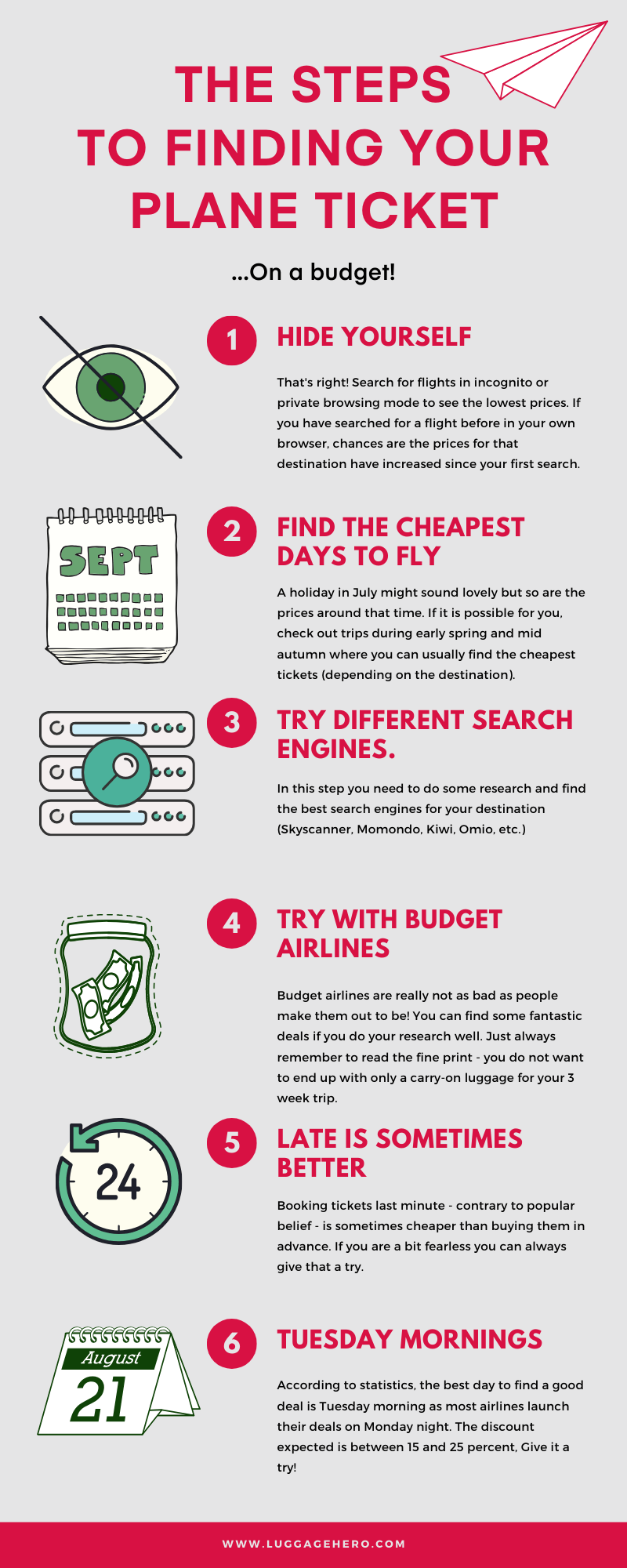
There’s a sweet spot for booking flights that many financial experts and travel data analysts refer to as the “Goldilocks” window – not too early, not too late. For domestic flights, this typically falls between 1 to 4 months before your departure date. For international journeys, the window expands to 2 to 8 months out. Booking too early often means airlines haven’t released their full range of discounted fares, while waiting too long puts you at the mercy of rising prices as seats fill up. The optimal time allows airlines to gauge demand and adjust pricing accordingly, often resulting in more competitive rates before last-minute surges. Monitoring prices within this window, rather than making an impulse purchase, is a key financial discipline.
Mid-Week Magic and Off-Peak Perks: Leveraging Specific Days and Seasons
When you fly can be just as important as when you book. Statistically, Tuesday, Wednesday, and Saturday are often the cheapest days to fly, largely due to lower business travel demand during mid-week and the avoidance of prime weekend departure times. Furthermore, consider traveling during the “shoulder season” – the periods just before or after peak tourist times – or during the true off-peak season. For example, visiting Europe in late fall or early spring can yield substantial savings on both flights and accommodation compared to the summer months. While this might require flexibility in your schedule, the financial rewards are often significant, allowing for more frequent travel or a more luxurious experience within the same budget.
The Myth and Reality of Last-Minute Deals: When They Work, and When They Don’t
The allure of a spontaneous, cheap last-minute flight is powerful, but the reality is often disappointing. While some last-minute deals exist, particularly for charter flights or when airlines need to fill empty seats on less popular routes, they are the exception rather than the rule. Relying on last-minute discounts is a high-risk financial strategy for most travelers, especially for popular destinations or during peak seasons. Prices typically skyrocket in the weeks leading up to departure as demand increases. However, if your travel plans are exceptionally flexible and you’re willing to go wherever the lowest price takes you, last-minute deals can occasionally offer a serendipitous saving. For planned travel, advance booking within the Goldilocks window remains the financially prudent approach.
Leveraging Digital Tools and Strategic Search Techniques
The digital age has revolutionized the way we search for and purchase flights, putting a wealth of information and sophisticated tools at our fingertips. Mastering these resources is crucial for any budget-conscious traveler.
The Power of Flight Comparison Websites: A Deep Dive into Aggregators and Their Limitations
Flight comparison websites like Google Flights, Skyscanner, Kayak, and Momondo are indispensable financial tools. They aggregate data from hundreds of airlines and online travel agencies (OTAs), allowing you to quickly compare prices across various providers for your desired route and dates. These platforms often feature powerful filters for price, layovers, airlines, and departure/arrival times, streamlining your search. However, it’s vital to understand their limitations: not all airlines (especially budget carriers) list their fares on every aggregator, and sometimes booking directly with the airline can offer a slightly better price or more favorable cancellation policies. Always cross-reference a few different aggregators and check the airline’s own website before making a final decision.
Setting Up Price Alerts and Forecasts: Using Technology to Track Price Fluctuations
One of the smartest financial moves you can make is to automate your flight search with price alerts. Most major comparison sites offer this feature, allowing you to receive email notifications when the price for a specific route drops. Services like Google Flights even offer “price prediction” features, advising you whether to book now or wait based on historical data. This passive monitoring saves you countless hours of manual searching and ensures you’re notified the moment a good deal emerges, reducing the risk of missing out on a temporary price dip. This strategy transforms a potentially active and time-consuming search into a passive, efficient one, perfectly aligning with smart money management principles.
Incognito Mode and VPNs: Do They Really Work? Demystifying Common Search Hacks
You might have heard advice about using incognito mode or a Virtual Private Network (VPN) to find cheaper flights. The theory suggests that airlines or OTAs track your search history via cookies and might inflate prices for routes you’ve repeatedly viewed. While the impact of incognito mode is largely anecdotal and usually negligible for major price shifts, clearing cookies can occasionally help reset pricing, though its effect is often minimal. Using a VPN to search from a different country, on the other hand, can sometimes yield savings, particularly if airfares are cheaper when purchased from regions with lower purchasing power or different market dynamics. However, this is not a guaranteed strategy and requires experimentation. The most consistent financial savings come from fundamental strategies like flexibility and timing, rather than relying solely on these less predictable hacks.
Exploring Alternative Airports and Routes: Expanding Your Search Radius for Better Deals
A key financial tactic is to be flexible not just with dates, but also with your departure and arrival airports. Flying into or out of a smaller, secondary airport nearby can often be significantly cheaper than using a major international hub. For instance, flying into London Stansted or Luton might be cheaper than Heathrow, even with the added cost of ground transport. Similarly, consider “indirect” routes – sometimes a flight with a layover, even if slightly longer, can be hundreds of dollars cheaper than a direct flight. Mapping out these alternative options and calculating the total cost (flight + ground transport + time) is essential to determine the true financial benefit. Tools like Google Flights’ “explore” feature are excellent for visualizing these possibilities.
Embracing Flexibility and Smart Choices for Maximum Savings

Beyond timing and tools, your mindset and personal choices significantly impact your ability to save money on flights. Flexibility is your most potent weapon in the quest for cheap airfare.
Dates and Destinations: The Cornerstones of Flexibility
The single most impactful financial decision you can make when planning travel is to be flexible with your dates and, if possible, your destination. If you’re open to traveling a day or two earlier or later, or considering multiple destinations within a region, you’ll uncover a multitude of cheaper options. Airlines often have significant price differentials between adjacent days. Similarly, using a ” कहीं भी” (anywhere) search function on a site like Skyscanner, or exploring destinations based on a specific budget on Google Flights, can reveal amazing deals to places you hadn’t even considered. This approach shifts the focus from a rigid plan to an opportunistic search, perfectly aligning with a savvy financial mindset.
Budget Airlines vs. Full-Service Carriers: Weighing the Trade-Offs and Hidden Costs
Budget airlines have revolutionized air travel by offering extremely low base fares. While seemingly a no-brainer for saving money, it’s crucial to understand their business model and potential hidden costs. These carriers unbundle services that are standard with full-service airlines, charging extra for everything from checked baggage and carry-on bags to seat selection, meals, and even printing your boarding pass at the airport. Before booking, meticulously calculate the total cost, including all potential add-ons, to ensure the budget airline remains the cheaper option. Sometimes, a slightly more expensive ticket with a full-service carrier might offer better value when all services are considered.
Unbundling Costs: Avoiding Ancillary Fees
Ancillary fees can quickly erode any savings from a cheap base fare. To manage your travel budget effectively, be proactive:
- Baggage: Pack light to avoid checked bag fees. Understand the specific carry-on dimensions and weight limits for your chosen airline to prevent surprises at the gate. If you must check a bag, pay for it online in advance; it’s almost always cheaper than at the airport.
- Seat Selection: Unless absolutely necessary, forgo paid seat selection. You’ll usually be assigned a seat at check-in.
- Meals & Drinks: Bring your own snacks and an empty reusable water bottle to fill after security.
- Check-in: Always check in online to avoid potential fees for airport check-in.
By being mindful of these potential costs, you maintain financial control over your travel expenses.
Loyalty Programs and Travel Rewards Cards: Accumulating Points for Future Savings
For frequent flyers, or even those who travel a few times a year, loyalty programs and travel rewards credit cards offer substantial long-term financial benefits. Joining airline frequent flyer programs is free and allows you to accrue miles or points with every flight, which can eventually be redeemed for free flights, upgrades, or other travel perks. Similarly, strategically using travel rewards credit cards for everyday spending can quickly accumulate points that translate directly into free or heavily discounted flights. However, this strategy requires financial discipline to avoid interest charges; pay off your balance in full each month to truly leverage the benefits without incurring debt.
Beyond the Ticket Price: Holistic Financial Planning for Travel
Securing a cheap flight is a fantastic first step, but it’s only one component of a financially savvy trip. A truly budget-conscious traveler considers the entire financial landscape of their journey.
Budgeting for the Entire Trip: Accommodation, Transport, Food, and Activities
A cheap flight is pointless if the rest of your trip breaks the bank. Before booking any flight, create a comprehensive budget that includes accommodation (hostels, guesthouses, Airbnb, hotels), local transportation, food, activities, and a buffer for unexpected expenses. Utilize tools like budgeting apps or simple spreadsheets to track your spending. Research average costs for your chosen destination to set realistic expectations. This holistic financial planning prevents the common pitfall of being “flight-rich, experience-poor.”
Currency Exchange and Transaction Fees: Smart Money Management Abroad
Navigating international finances without incurring unnecessary fees is another critical aspect of saving money. Avoid exchanging currency at airports, which typically offer the worst rates. Instead, research fee-free travel credit cards or debit cards that offer favorable exchange rates and no foreign transaction fees. If you need cash, use an ATM in your destination, preferably one from a major bank, to withdraw local currency – but be aware of potential ATM operator fees. Always choose to be charged in the local currency when making card payments abroad, as dynamic currency conversion (DCC) offered by merchants almost always results in a worse exchange rate.
Travel Insurance as a Financial Safeguard: Protecting Your Investment
While seemingly an added cost, travel insurance is a crucial financial safeguard, particularly for more expensive or complex trips. It protects your investment against unforeseen circumstances such as flight cancellations, lost luggage, medical emergencies abroad, or trip interruptions. The cost of comprehensive travel insurance is often a fraction of what you stand to lose if something goes wrong. Forgoing insurance to save a small amount upfront can lead to devastating financial losses if an emergency occurs, making it a wise financial expenditure for peace of mind and protection.
The True Cost of Convenience vs. Savings: Making Informed Financial Decisions
Ultimately, finding cheap flights and managing your travel budget effectively comes down to making informed financial decisions. This often involves weighing the “true cost” of convenience against potential savings. Is saving $50 worth a 10-hour layover, or an airport that’s two hours from your final destination? Is a direct flight worth an extra $100 if it saves you a day of travel? There’s no single right answer, as it depends on your personal priorities, time constraints, and overall budget. The goal isn’t just to find the cheapest ticket, but to find the best value that aligns with your financial goals and travel preferences.
Conclusion
Finding cheap flights is less about luck and more about strategy, financial discipline, and utilizing the right tools. By mastering the art of timing your bookings, leveraging digital search platforms, embracing flexibility in your travel plans, and making smart choices about airlines and ancillary services, you can significantly reduce your airfare expenses. Moreover, by adopting a holistic approach to your travel budget – considering everything from accommodation to currency exchange and insurance – you empower yourself to travel more frequently, experience more deeply, and journey without the burden of financial strain. Apply these insights, and you’ll not only discover how to find cheap flights but also how to become a more financially savvy and adventurous traveler.
aViewFromTheCave is a participant in the Amazon Services LLC Associates Program, an affiliate advertising program designed to provide a means for sites to earn advertising fees by advertising and linking to Amazon.com. Amazon, the Amazon logo, AmazonSupply, and the AmazonSupply logo are trademarks of Amazon.com, Inc. or its affiliates. As an Amazon Associate we earn affiliate commissions from qualifying purchases.