
For the modern traveler, airfare often represents the single largest line item in a discretionary budget. Whether you are a digital nomad managing a lean startup or a family planning an annual vacation, the quest for the “cheapest” flight is not merely a search for a bargain—it is an exercise in financial optimization. The reality of the aviation industry is that no single airline holds the permanent crown for the lowest prices. Instead, the market is a volatile ecosystem of dynamic pricing, algorithmic competition, and regional monopolies.
To truly answer who has the cheapest flights, one must look past the marketing slogans and analyze the underlying economic structures of the airline industry. Finding the best value requires a strategic approach that combines data analysis, an understanding of “unbundled” pricing models, and the effective use of financial tools designed to arbitrage the system.
The Economics of Dynamic Pricing and Market Competition
At its core, the price of a flight is a reflection of supply and demand, governed by sophisticated revenue management systems. These algorithms are designed to extract the maximum amount of money from every passenger. This is why two people sitting in the same row may have paid vastly different amounts for their seats. To find the cheapest flights, you must first understand the financial logic used by carriers.
The Role of Legacy Carriers vs. Low-Cost Carriers (LCCs)
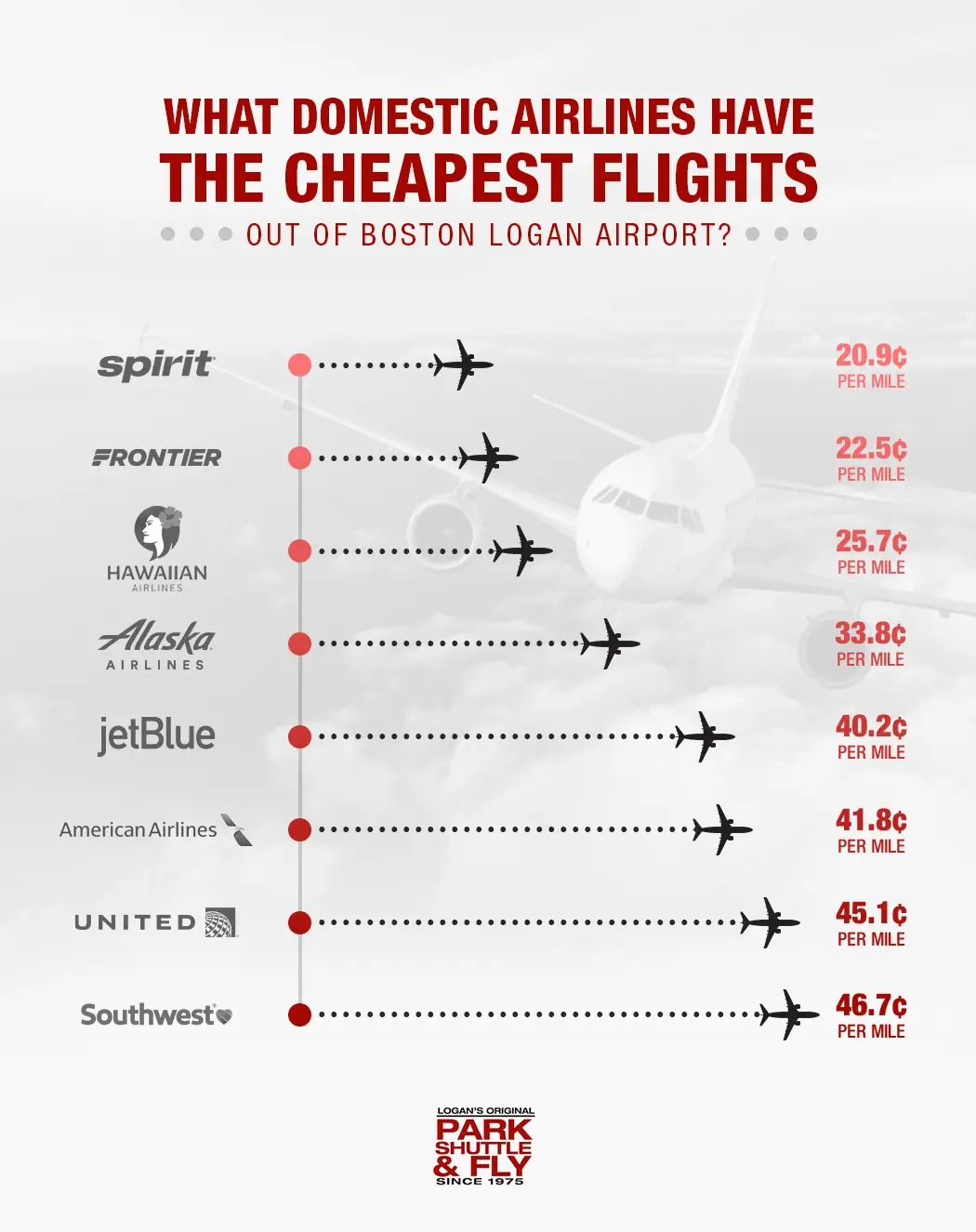
In the United States, the market is divided between legacy carriers like Delta, United, and American, and Low-Cost Carriers (LCCs) such as Spirit, Frontier, and Allegiant. In Europe, the landscape is dominated by giants like Ryanair and EasyJet.
Financially, LCCs almost always offer the lowest “base fare.” However, their business model relies on “unbundling.” By stripping away services like carry-on bags, seat selection, and even water, they can advertise headline prices that seem impossibly low. For a traveler with a strict budget and minimal luggage, these airlines are undeniably the cheapest. However, once a consumer begins adding “ancillaries,” the total cost of ownership (TCO) of that flight often rises to meet or exceed the prices of legacy carriers. From a personal finance perspective, the cheapest flight is the one with the lowest all-in cost, not the lowest initial quote.
Geographic Arbitrage and Hub Dominance
Airlines often maintain “fortress hubs”—airports where one carrier controls a majority of the gates and flight paths. For example, Delta dominates Atlanta, while United dominates Newark. In these markets, the dominant carrier often charges a premium for direct flights because they control the supply.
Counterintuitively, the cheapest flights are often found by adding a connection or flying out of a secondary “budget” airport. For instance, flying out of Fort Lauderdale (FLL) instead of Miami (MIA) can save a traveler hundreds of dollars. This is a form of geographic arbitrage where the consumer trades time and convenience for a significant reduction in capital expenditure.
Aggregators, Meta-Search Engines, and the Financial Advantage of Data
In the digital age, the “who” in the search for cheap flights often refers to the platform used to find them. The financial tools available to consumers have leveled the playing field, allowing individuals to view the global inventory of seats in real-time.
Google Flights: The Gold Standard for Price Tracking
From a data-driven finance perspective, Google Flights is currently the most powerful tool for price discovery. Its “Track Prices” feature allows users to monitor fluctuations in a specific route, providing a historical look at whether a current price is “low,” “typical,” or “high.” This historical context is vital for making an informed purchasing decision. Instead of guessing if a $400 ticket to London is a good deal, the data can confirm if that price is in the lower 10th percentile of historical costs.
The Aggregator Landscape: Skyscanner, Momondo, and Kayak
While Google Flights is excellent for tracking, meta-search engines like Skyscanner and Momondo often find the absolute lowest prices by searching smaller, third-party Online Travel Agencies (OTAs). These OTAs sometimes offer “private fares” or take a lower commission to undercut the airline’s direct price.
However, there is a financial risk associated with booking through obscure OTAs. While the initial price may be $20 cheaper, these agencies often have predatory change fees and non-existent customer service. In the event of a flight cancellation, the consumer may find their “savings” wiped out by the inability to get a refund. A sound financial strategy involves weighing the marginal savings against the risk of total loss.
Leveraging Credit Rewards and Points as a Secondary Currency
For many sophisticated travelers, the “cheapest” flight is the one that costs zero dollars out-of-pocket. Travel hacking—the strategic accumulation and redemption of credit card rewards—has turned airline miles into a valuable secondary currency.
The ROI of Credit Card Sign-Up Bonuses
The most efficient way to acquire “cheap” flights is through credit card sign-up bonuses. By hitting a minimum spend requirement on a new card, a consumer can earn 60,000 to 100,000 points, which is often enough for a round-trip international flight. When calculated as a Return on Investment (ROI), the value of these points can exceed 20% or 30% of the money spent to earn them.
Cards like the Chase Sapphire Preferred, American Express Gold, and Capital One Venture X allow users to transfer points to various airline partners. This flexibility is the key to financial optimization. By transferring points to a partner airline with a lower redemption table (such as transferring Amex points to Virgin Atlantic for a Delta flight), a traveler can secure a flight for a fraction of its cash value.
Fixed-Value vs. Transferable Points
It is important to distinguish between fixed-value points (like those from a specific airline card) and transferable points. From a financial flexibility standpoint, transferable points are far superior. They protect the consumer against “devaluation”—the process by which an airline increases the number of miles required for a flight. By holding points in a neutral ecosystem like Chase Ultimate Rewards, you retain the power to move your capital to whichever airline offers the best current value.
Timing and Tactical Maneuvers: When to Buy
The myth that “Tuesday at 3:00 PM” is the best time to buy a flight has been largely debunked by data science. Modern pricing is too fluid for such simple rules. However, there are still tactical windows that offer the best probability of finding low-cost options.
The “Goldilocks” Window
For domestic flights, the financial “Goldilocks” window is typically 1 to 3 months before departure. For international travel, that window expands to 2 to 8 months. Booking too early can be as expensive as booking too late, as airlines often set high initial prices and only lower them once they can gauge actual demand.
Exploiting Mistake Fares and Hidden-City Ticketing
For those with a high tolerance for risk, there are aggressive financial maneuvers like “Hidden-City Ticketing” (popularized by sites like Skiplagged). This involves booking a flight with a layover in your actual destination and simply walking out of the airport at the connection point. While this can save 50% or more on airfare, it carries risks, including the potential for the airline to void your return ticket or frequent flyer account.
Mistake fares—where an airline accidentally publishes a price that is missing a zero—are the holy grail of cheap travel. These require immediate action and a “book now, ask questions later” mentality. From a budgetary perspective, having an emergency fund or a “travel opportunity fund” allows you to capitalize on these rare financial anomalies when they appear.

The Total Cost of Ownership: A Final Financial Audit
Ultimately, the quest to find who has the cheapest flights requires a shift from “price-tag thinking” to “total-cost thinking.” A $40 flight on a budget carrier may seem like a victory for the wallet, but if it requires a $50 Uber to a secondary airport, a $30 carry-on fee, and a $20 seat assignment, it is financially inferior to a $120 flight on a legacy carrier from a local airport.
To optimize your travel spending:
- Audit the Ancillaries: Always calculate the final price including bags and transport to the terminal.
- Use Technology: Set price alerts on Google Flights months in advance.
- Leverage Capital: Use credit card points for long-haul international flights where the cash-to-point value is highest.
- Stay Flexible: If your goal is the lowest possible price, let the price dictate the destination and the timing, rather than the other way around.
By treating airfare as a market to be analyzed rather than a fixed cost to be accepted, consumers can reclaim thousands of dollars in their annual budgets. The “cheapest” flight is not found by looking at one airline, but by mastering the financial tools and market mechanics that govern the skies.
aViewFromTheCave is a participant in the Amazon Services LLC Associates Program, an affiliate advertising program designed to provide a means for sites to earn advertising fees by advertising and linking to Amazon.com. Amazon, the Amazon logo, AmazonSupply, and the AmazonSupply logo are trademarks of Amazon.com, Inc. or its affiliates. As an Amazon Associate we earn affiliate commissions from qualifying purchases.