
Embarking on a weight management journey often involves exploring various avenues, and for some, prescription medication like Phentermine becomes a viable option. While the primary focus is always on health outcomes, the financial implications of accessing and sustaining such treatment are a crucial, often overlooked, aspect. This article delves exclusively into the financial considerations involved in getting prescribed Phentermine, providing a comprehensive guide to understanding, planning for, and managing the costs associated with this medical intervention. By approaching this topic through a personal finance lens, individuals can make informed decisions that support both their health goals and their financial well-being.
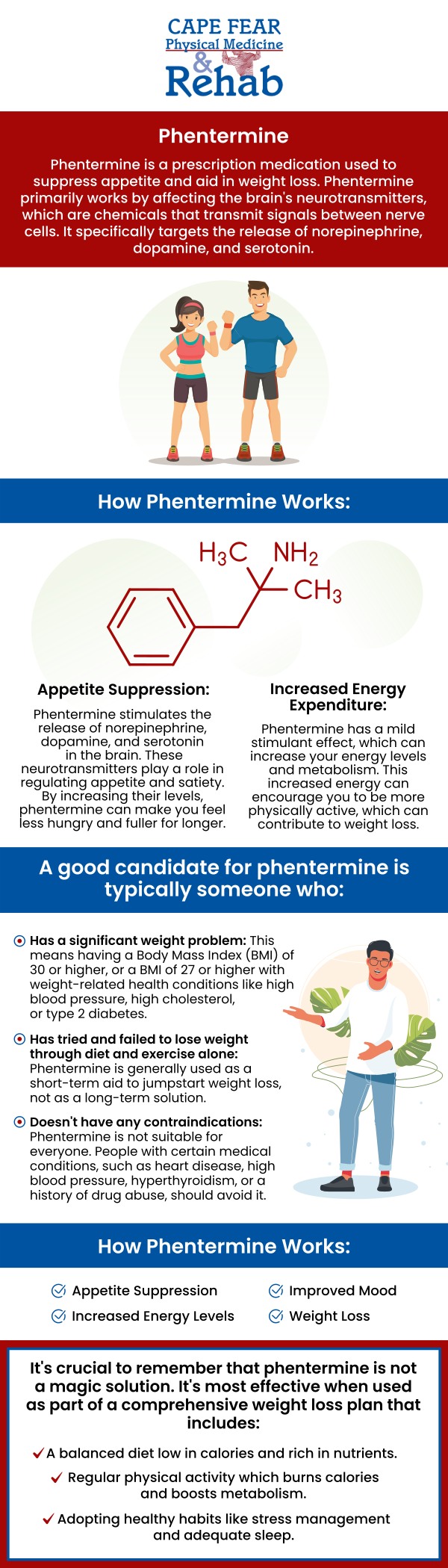
Understanding the Upfront Financial Investment in Your Health Journey
Before Phentermine can even be considered, there’s an initial financial investment in professional medical consultation and assessment. This isn’t just a casual conversation; it involves doctor visits, potential diagnostic tests, and the administrative processes inherent in healthcare. Understanding these initial costs is paramount to budgeting effectively and avoiding unexpected expenses.
Physician Consultation Fees: What to Budget For
The first step in getting prescribed Phentermine is a thorough medical evaluation by a qualified healthcare professional. The cost of this initial consultation can vary significantly based on several factors:
- Type of Provider:
- Primary Care Physician (PCP): Generally, a visit to your PCP is the most cost-effective entry point. If you have health insurance, your co-pay for a PCP visit might range from $20 to $75, depending on your plan. If uninsured, cash prices can vary widely, from $100 to $300 or more for an initial comprehensive visit.
- Specialists: If your PCP determines your case requires further evaluation, they might refer you to a specialist, such as an endocrinologist, a bariatric specialist, or a weight management clinic. Specialist co-pays are often higher, perhaps $40 to $100, and uninsured cash prices can easily exceed $250-$500 for an initial consultation, particularly at specialized weight loss clinics.
- Telehealth Options: In recent years, telehealth services have emerged as a potentially more affordable alternative. Some virtual platforms offer initial consultations for weight management at reduced rates compared to in-person visits, sometimes ranging from $50 to $150. However, ensure the platform and prescribing physician are legitimate and follow all state and federal regulations for prescribing controlled substances like Phentermine.
- Diagnostic Tests: A responsible physician will likely order baseline blood work and other diagnostic tests to assess your overall health, rule out underlying conditions, and determine your suitability for Phentermine. These tests can include blood pressure, cholesterol levels, thyroid function, and blood glucose. The cost of these tests can range from $50 to $300+, depending on your insurance coverage (deductibles, co-insurance) and whether you use in-network labs. Always inquire about the estimated costs beforehand.
Deciphering Insurance Coverage for Weight Management Consultations
Navigating the complexities of health insurance is critical to managing the financial aspects of your weight management journey. Insurance coverage for weight loss-related consultations and medications can be highly variable.
- Reviewing Your Policy: Before scheduling appointments, thoroughly review your health insurance policy documents or contact your provider directly. Look for sections related to “preventive care,” “weight management benefits,” “medically necessary services,” and “prescription drug formulary.”
- Co-pays, Deductibles, and Co-insurance:
- Co-pay: This is a fixed amount you pay for a doctor’s visit or prescription at the time of service.
- Deductible: This is the amount you must pay out-of-pocket for covered healthcare services before your insurance plan starts to pay. If you haven’t met your deductible for the year, you’ll be responsible for the full negotiated cost of the consultation and tests until it’s met.
- Co-insurance: Once your deductible is met, co-insurance is the percentage of the cost of a covered service you’re responsible for. For example, if your plan pays 80%, you pay 20%.
- Pre-authorization: Some insurance plans require pre-authorization for specialist visits or certain diagnostic tests. Failing to obtain this can result in your claim being denied, leaving you responsible for the entire cost.
- Health Savings Accounts (HSAs) and Flexible Spending Accounts (FSAs): If you have an HSA or FSA, these pre-tax savings accounts are excellent tools for covering qualified medical expenses, including doctor’s visits, diagnostic tests, and prescription medications. Utilizing these accounts can effectively reduce your out-of-pocket costs by using tax-advantaged funds.
The Ongoing Financial Commitment of Phentermine Prescription
Should you be deemed a suitable candidate and prescribed Phentermine, the financial considerations don’t end with the initial consultations. The ongoing cost of the medication itself and the intricacies of insurance formulary coverage become central to your financial planning.
Medication Costs: Comparing Pharmacy Prices and Discounts
Phentermine is available in both brand-name and generic forms. The generic version (Phentermine HCl) is significantly more affordable, which is good news for budget-conscious patients.
- Average Costs:
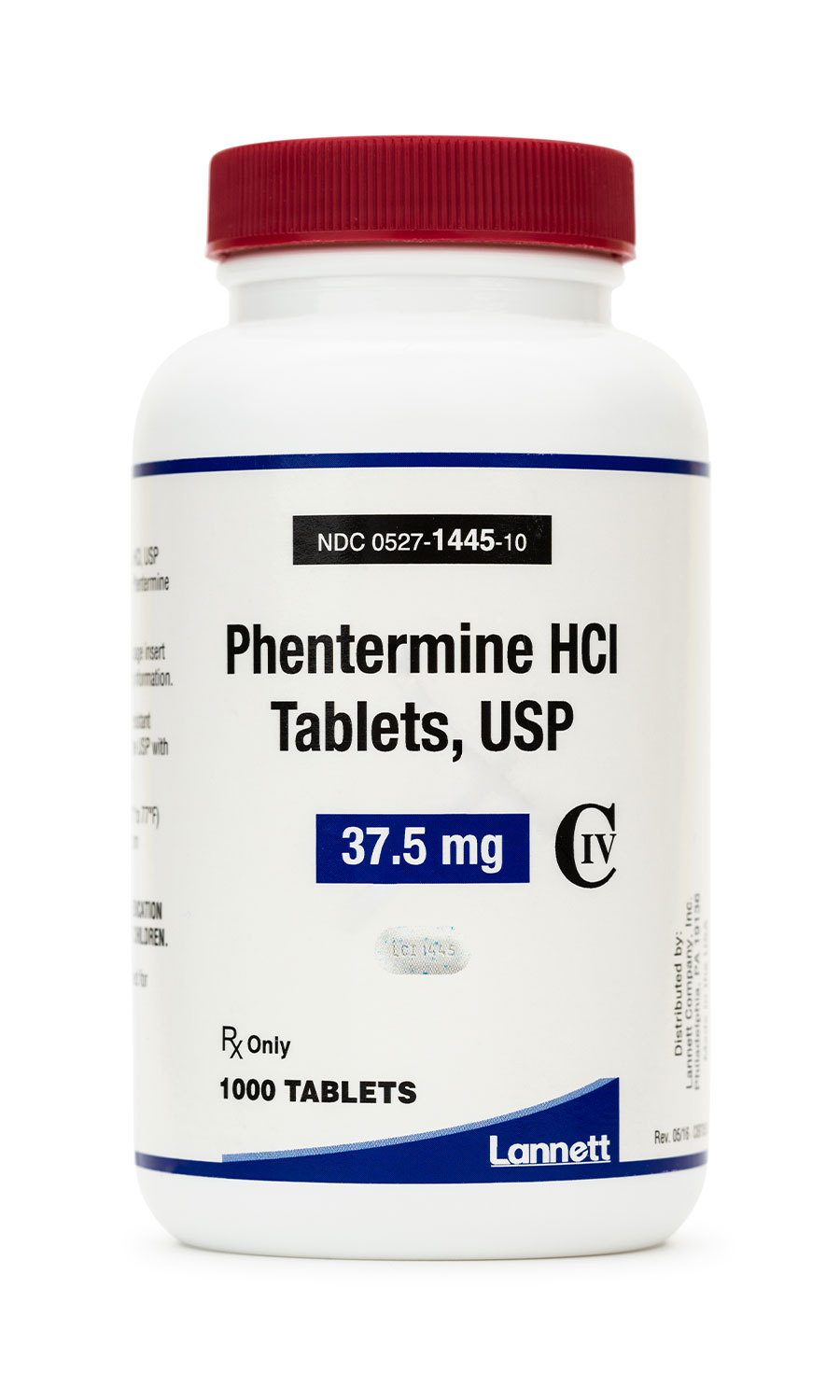
- Generic Phentermine: Without insurance, a typical 30-day supply of generic Phentermine (e.g., 37.5mg) can range anywhere from $20 to $60. Prices can fluctuate based on the dosage, quantity, and the specific pharmacy.
- Brand-name Phentermine (e.g., Adipex-P): Brand-name versions are considerably more expensive, often ranging from $100 to $300 per month without insurance.
- Utilizing Discount Programs:
- Pharmacy Discount Cards: Services like GoodRx, SingleCare, and Optum Perks offer substantial discounts on prescription medications, including generic Phentermine. By simply presenting a coupon code at the pharmacy, you can often pay less than your insurance co-pay or significantly reduce the cash price if uninsured. Always compare the discount card price with your insurance co-pay, as sometimes the cash price with a coupon is lower.
- Pharmacy Loyalty Programs: Many major pharmacy chains (e.g., CVS, Walgreens, Rite Aid) offer their own prescription savings programs or loyalty clubs that can provide discounts. Inquire at your local pharmacy.
- Comparing Pharmacies: Prices for the same generic medication can vary widely between different pharmacies (local independents vs. large chains, even within the same city). It pays to call around or use online comparison tools to find the best price. Mail-order pharmacies, especially those affiliated with your insurance, can also offer competitive pricing for a 90-day supply.
Insurance Formulary and Prescription Coverage

Even with insurance, getting Phentermine covered isn’t always straightforward. It’s classified as a controlled substance and a weight-loss drug, which sometimes places it under specific restrictions.
- Formulary Check: Your insurance company’s formulary is a list of prescription drugs covered by your plan. You must check if Phentermine (generic or brand) is on your plan’s formulary.
- Tiered Coverage: Most formularies use a tiered system. Generic drugs are typically in lower tiers (Tier 1 or 2) with lower co-pays, while brand-name drugs are in higher tiers (Tier 3 or 4) with much higher co-pays or co-insurance. Phentermine is usually in a lower tier if covered.
- Prior Authorization (PA): Many insurance plans require prior authorization for weight loss medications, including Phentermine. This means your doctor must submit documentation to your insurance company explaining the medical necessity for the drug based on specific criteria (e.g., BMI, co-morbidities, previous weight loss attempts). Without approved PA, your insurance will likely deny coverage, leaving you to pay the full cash price.
- Quantity Limits and Step Therapy: Insurance plans might impose quantity limits (e.g., only a 30-day supply at a time) or step therapy requirements (e.g., requiring you to try a less expensive or less potent drug first before they will cover Phentermine).
- Patient Assistance Programs: While less common for generic medications, some pharmaceutical manufacturers offer patient assistance programs for brand-name drugs to help eligible patients afford their prescriptions. It’s worth researching if you are prescribed a brand-name version and face significant financial barriers.
Strategic Financial Planning for Long-Term Weight Management
Weight management is rarely a short-term fix; it’s a long-term commitment that extends beyond just taking a pill. Effective financial planning must account for the ancillary services and lifestyle changes that complement medication and contribute to sustained results.
Beyond Phentermine: Budgeting for Ancillary Services
While Phentermine can be a valuable tool, it’s most effective when integrated into a comprehensive weight loss plan. This often involves other services that come with their own costs.
- Follow-up Appointments: Regular follow-up visits with your prescribing physician are essential to monitor your progress, assess side effects, and adjust treatment as needed. These visits will incur recurring co-pays or direct fees, similar to your initial consultation.
- Nutritional Counseling/Dietitian Services: Many people find success by combining medication with professional dietary guidance. While some insurance plans cover nutritional counseling for specific medical conditions (e.g., diabetes), coverage for general weight loss counseling can be limited or nonexistent. Out-of-pocket costs for a registered dietitian can range from $75 to $200 per session.
- Exercise Programs/Gym Memberships: Incorporating regular physical activity is crucial. Budgeting for gym memberships (typically $30-$70 per month), personal trainers ($50-$100+ per session), or even specialized fitness classes should be part of your financial plan if these are avenues you choose.
- Managing Side Effects: While generally well-tolerated, Phentermine can have side effects. In some cases, managing these might require additional medical attention or over-the-counter remedies, adding to your overall healthcare expenses.
Financial Alternatives and Prudent Healthcare Spending
For those facing significant financial constraints or looking for more cost-effective approaches, exploring alternatives and being a savvy healthcare consumer is key.
- Community Clinics and Government Programs: Some community health clinics offer services on a sliding scale based on income, which can significantly reduce consultation and testing fees. Investigate state or local health department programs that might offer subsidized weight management services.
- Negotiating Cash Prices: Don’t be afraid to ask providers for their cash price, especially if you’re uninsured or have a high deductible. Sometimes, paying cash upfront can be less expensive than using insurance if you haven’t met your deductible.
- Weighing Financial Trade-offs: Consider the total financial commitment of a medication-based approach versus other weight loss strategies. While medication can accelerate results, purely lifestyle-based approaches (diet, exercise, behavioral therapy) might have different cost structures. Evaluate which approach aligns best with your budget and long-term financial goals.
- Long-term Financial Health Benefits: While there are upfront and ongoing costs, achieving and maintaining a healthy weight can lead to significant long-term financial benefits. Reduced risk of chronic diseases (diabetes, heart disease) means fewer medical bills, hospitalizations, and medication costs in the future. This is an investment in your financial future, not just your health.
Avoiding Financial Pitfalls and Scams
In the pursuit of health, it’s easy to fall prey to schemes that promise quick results or cheap access to medications. When dealing with prescription drugs like Phentermine, which is a controlled substance, caution is paramount to protect both your health and your finances.
Recognizing Red Flags in Prescription Acquisition
Protecting yourself from illegitimate sources is crucial, as they pose both health risks and financial threats.
- Illegitimate Online Pharmacies: Be extremely wary of websites that offer to prescribe and ship Phentermine without requiring a legitimate doctor’s consultation or without verifying a valid prescription from your own physician. These sites often sell counterfeit, substandard, or dangerous products. They can also steal your financial information and personal data. Legitimate online pharmacies require a valid prescription from a licensed doctor and are transparent about their licensing and location. Always verify a pharmacy’s legitimacy through organizations like the National Association of Boards of Pharmacy (NABP).
- “Pill Mills” and Unethical Prescribing Practices: Avoid clinics or doctors who appear to prescribe Phentermine (or any controlled substance) too readily, without a thorough medical evaluation, without discussing risks, or without requiring follow-up. These “pill mills” are illegal and dangerous. Engaging with them not only jeopardizes your health but can also lead to legal issues and significant financial losses for products that may be ineffective or harmful.
- Unusually Low Prices or Guarantees Without Medical Process: If an offer for Phentermine seems too good to be true – unusually low prices, no questions asked, guaranteed prescription – it almost certainly is. Legitimate medical care and prescription medications come with inherent costs. Shortcuts often lead to financial exploitation and health risks.
- Understanding Legal and Ethical Prescribing: Phentermine is a Schedule IV controlled substance, meaning its use is regulated to prevent abuse and dependence. It should only be prescribed by a licensed physician after a comprehensive medical evaluation and ongoing monitoring. Understanding this helps you identify when a provider or service is operating outside of legal and ethical boundaries, thereby protecting you from both financial fraud and medical harm. Always ensure your physician is licensed in your state and that the prescription is filled by a reputable, licensed pharmacy.
In conclusion, the journey to getting prescribed Phentermine is multifaceted, extending beyond the purely medical aspects to encompass significant financial considerations. By meticulously planning for consultation fees, understanding insurance nuances, comparing medication costs, and budgeting for long-term supportive services, individuals can navigate this path with greater confidence and less financial stress. Furthermore, exercising due diligence to avoid financial pitfalls and illegitimate sources is essential for safeguarding both your wallet and your health. Approaching your weight management journey with a robust financial strategy ensures that your pursuit of better health is both effective and sustainable.
aViewFromTheCave is a participant in the Amazon Services LLC Associates Program, an affiliate advertising program designed to provide a means for sites to earn advertising fees by advertising and linking to Amazon.com. Amazon, the Amazon logo, AmazonSupply, and the AmazonSupply logo are trademarks of Amazon.com, Inc. or its affiliates. As an Amazon Associate we earn affiliate commissions from qualifying purchases.