
In an era where healthcare costs continue to climb, the price of prescription medications has become a significant financial burden for millions of individuals and families. For many, managing chronic conditions or unexpected illnesses often means facing daunting pharmacy bills, which can quickly derail carefully constructed budgets and savings plans. However, navigating the complex landscape of prescription pricing doesn’t have to be a journey of despair. With the right strategies, tools, and understanding, it is entirely possible to significantly reduce your medication expenses and reclaim control over this crucial aspect of your personal finance.

Understanding how to secure prescription discounts is not merely about finding a cheaper price; it’s about smart financial planning, resourcefulness, and proactive engagement with the healthcare system. This guide delves into practical, actionable steps that empower consumers to make informed decisions, leverage available resources, and ultimately keep more money in their pockets without compromising their health. From exploiting the power of discount cards to optimizing insurance benefits and exploring alternative avenues, we’ll uncover a comprehensive approach to mastering medication affordability.
Understanding the Financial Burden of Prescription Medications
Before diving into solutions, it’s crucial to grasp the scope of the problem. Prescription drug costs are a major component of healthcare spending, often leading to difficult choices for consumers. Many forgo necessary medications due to cost, leading to poorer health outcomes and higher costs down the line.
The Escalating Cost Landscape
The United States boasts some of the highest prescription drug prices globally. Several factors contribute to this phenomenon: the lack of price negotiation power for government programs like Medicare, patent protections that grant monopolies to drug manufacturers, complex supply chains involving multiple intermediaries (like pharmacy benefit managers, or PBMs), and often opaque pricing models. These elements combine to create a market where consumers frequently pay exorbitant amounts for essential medications. For individuals without comprehensive insurance, or those with high-deductible plans, a single prescription can represent a significant financial hit, sometimes hundreds or even thousands of dollars. This financial pressure extends beyond the individual, impacting family budgets, retirement savings, and overall financial stability. A proactive approach to managing these costs is therefore not just advisable, but often critical for maintaining financial health.
The Role of Insurance in Cost Management (and its Limitations)
Health insurance is often seen as the primary shield against high medical costs, and it certainly plays a vital role. Most insurance plans include a prescription drug benefit, usually categorized into tiers (e.g., generic, preferred brand, non-preferred brand, specialty drugs), each with a different co-pay or co-insurance percentage. While insurance can significantly reduce out-of-pocket expenses, it’s far from a perfect solution.
Firstly, deductibles can mean paying the full price for medications until a certain spending threshold is met. Secondly, formularies—the list of drugs covered by your plan—may not always include the most effective or affordable option for your specific condition. If your prescribed medication isn’t on the formulary, or is in a high-tier, you might face substantial costs or require prior authorization, a bureaucratic hurdle that can delay access to treatment. Furthermore, many plans have annual out-of-pocket maximums, but these can still be very high, and reaching them can be a stretch for many households. Understanding your specific plan’s formulary, deductible, co-pays, and out-of-pocket limits is the first step in strategically managing your medication expenses through insurance. However, even with good insurance, additional strategies are often needed to truly optimize savings.
Leveraging Prescription Discount Programs and Cards
One of the most immediate and accessible ways to reduce prescription costs is by utilizing various discount programs and cards. These tools operate outside of, or in conjunction with, your insurance and can often provide significant savings.
The Power of Prescription Discount Cards
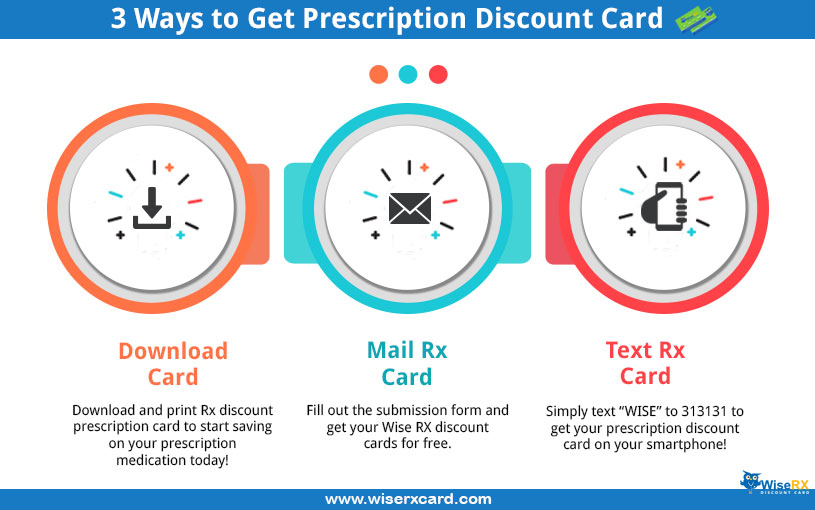
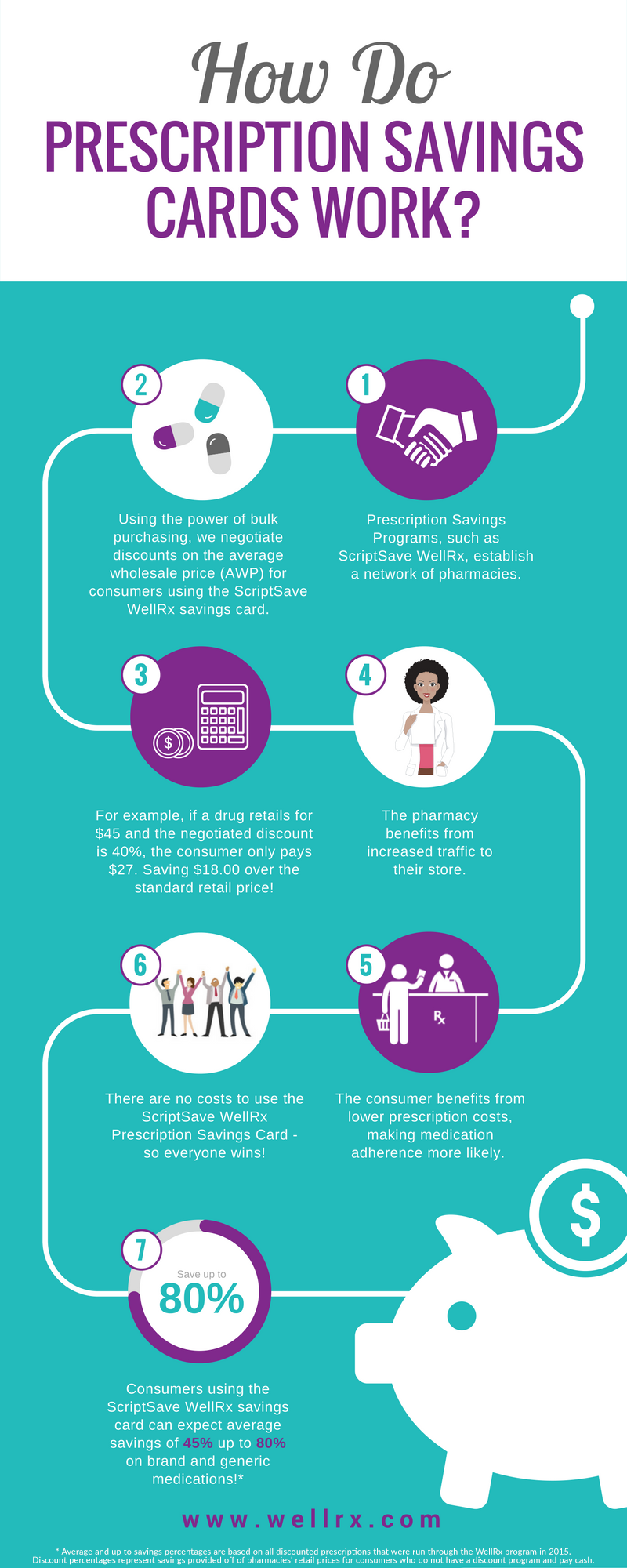
Prescription discount cards are a cornerstone of modern medication savings. Companies like GoodRx, SingleCare, ScriptSave WellRx, and Optum Perks offer free cards (or app-based access) that can be used at most pharmacies nationwide. These cards are not insurance; rather, they negotiate prices with pharmacies and pass those negotiated discounts directly to the consumer. The process is remarkably simple: present the card or coupon code to the pharmacist, and they will apply the discount.
The real power of these cards lies in their flexibility and potential for greater savings than insurance co-pays, especially for generic drugs. It’s not uncommon for a discount card to offer a lower price than your insurance co-pay, or even to provide a discount on medications not covered by your insurance. The savvy financial move is to always compare the discount card price to your insurance co-pay before making a purchase. Many of these platforms also allow you to compare prices across different pharmacies in your area, revealing which store offers the best deal for your specific medication. This competitive pricing transparency empowers consumers to make cost-effective choices, turning what was once an opaque pricing system into a manageable comparison shopping experience.
Manufacturer Patient Assistance Programs (PAPs)
For individuals taking expensive brand-name medications, especially those for chronic or rare conditions, manufacturer patient assistance programs (PAPs) can be a lifeline. Pharmaceutical companies often sponsor these programs to provide free or low-cost medications to qualifying patients who are uninsured or underinsured and meet certain income guidelines.
Navigating PAPs can be more involved than using a discount card, as they typically require an application process, proof of income, and sometimes a doctor’s endorsement. However, the financial relief can be substantial, often covering the full cost of a medication for a period, sometimes even for a year. Websites like NeedyMeds.org and RxAssist.org serve as valuable clearinghouses, providing databases of various PAPs and detailing their eligibility requirements and application processes. Engaging with your prescribing physician or their office staff can also be beneficial, as they often have experience assisting patients with these applications and can provide necessary documentation. While not a universal solution, PAPs are an indispensable resource for those struggling with the high cost of specific brand-name drugs.
Pharmacy Loyalty Programs and In-House Discounts
Many pharmacies, particularly larger chains and some independent establishments, offer their own loyalty programs or in-house discount initiatives. These programs vary widely but can include benefits such as exclusive discounts on certain medications, reduced co-pays, or points that accumulate for future savings. For example, some pharmacies might have a list of commonly prescribed generic medications available at a fixed low price (e.g., $4 for a 30-day supply, or $10 for a 90-day supply) for members of their discount club.
Signing up for these programs is usually free and straightforward, often just requiring your name and contact information. While the savings might not always be as dramatic as those offered by dedicated discount cards or PAPs, they can add up, especially for routine prescriptions. It’s always worth asking your pharmacist if they offer any specific in-house discounts or have a loyalty program that could benefit you. Combining these localized benefits with broader discount card strategies can create a multi-layered approach to cost reduction, ensuring you’re taking advantage of every available opportunity for savings.
Navigating Insurance and Pharmacy Strategies for Maximum Savings
Optimizing your use of health insurance and making strategic choices about where and how you fill your prescriptions can significantly impact your out-of-pocket costs.
Maximizing Your Health Insurance Benefits
Understanding and proactively managing your health insurance benefits is paramount. This starts with knowing your plan’s formulary inside out. If your doctor prescribes a medication not on your plan’s preferred list, ask if there’s an equally effective, covered alternative. Sometimes, a simple conversation with your physician about cost-effective options can lead to a switch that saves you a substantial amount.
Furthermore, pay close attention to your deductible and co-insurance. If you have a high deductible, it might be more cost-effective to use a discount card for common generic medications until your deductible is met, especially if the discount card price is lower than the negotiated insurance price (which can happen). For maintenance medications, consider opting for 90-day supplies instead of 30-day fills, which often come with a lower per-pill cost and fewer co-pays over time. Many insurance plans also encourage mail-order pharmacies for maintenance medications, offering further discounts or extended supply options. Regularly reviewing your Explanation of Benefits (EOB) statements can also help you track your spending against your deductible and out-of-pocket maximum, ensuring you’re making financially sound decisions.
Comparing Pharmacy Prices
Just as you would compare prices for groceries or electronics, comparing pharmacy prices for your medications is a crucial financial habit. Prices for the exact same drug can vary significantly from one pharmacy to another, even within the same neighborhood. This variability is due to different contractual agreements pharmacies have with PBMs and different pricing strategies.
Online tools and apps like GoodRx or SingleCare not only offer discount coupons but also serve as excellent price comparison engines. Before heading to the pharmacy, take a few minutes to check prices at various local pharmacies – including independent pharmacies, large retail chains (e.g., CVS, Walgreens, Rite Aid), and big-box stores with pharmacies (e.g., Walmart, Target, Costco). Costco, for instance, often has very competitive cash prices, even for non-members, making it a valuable option for some. Don’t overlook supermarket pharmacies either, as they sometimes have promotional pricing. A quick comparison can often reveal hundreds of dollars in savings over the course of a year, transforming a routine task into a strategic financial decision.
Asking for Generic Alternatives or Therapeutic Substitutions
Generic drugs are chemically identical to their brand-name counterparts, equally effective, and significantly cheaper because they don’t carry the research and marketing costs of new drugs. Always ask your doctor if a generic version of your prescribed medication is available. If so, request that they write the prescription for the generic version.
In cases where a direct generic isn’t available, or if the generic is still costly, ask your doctor about a “therapeutic substitution.” This means asking if there’s a different drug in the same class that treats the same condition but might be available as a generic or at a lower cost. For example, if you’re prescribed a new, expensive brand-name cholesterol medication, your doctor might be able to prescribe an older, equally effective generic statin that costs a fraction of the price. This conversation with your doctor is vital; they are your primary partner in identifying clinically appropriate yet financially sound treatment options. Empower yourself by proactively asking these questions at your appointment.
Alternative Avenues for Medication Savings
Beyond traditional discount programs and insurance, several other strategies can help mitigate prescription costs, especially for those with unique circumstances or chronic needs.
Utilizing 340B Programs and Community Health Centers
For individuals with limited income or those who lack insurance, federally funded community health centers (CHCs) and hospitals participating in the 340B Drug Pricing Program can be invaluable resources. The 340B program requires drug manufacturers to provide outpatient drugs to eligible healthcare organizations and pharmacies at significantly reduced prices. These savings are then passed on to eligible patients.
If you receive care at a community health center, a rural hospital, or certain other types of safety-net providers, inquire if they participate in the 340B program. Your prescriptions filled through their associated pharmacies could be substantially cheaper than elsewhere. These centers are often designed to serve underserved populations and understand the financial constraints many face, making them excellent points of contact for affordable care and medication access. Connecting with such local resources can provide consistent and significant relief from medication expenses.
Proactive Health Management to Reduce Medication Needs
While not a direct discount mechanism, proactive health management is a powerful, long-term strategy for reducing overall medication expenses. Many chronic conditions that require costly, lifelong medications—such as type 2 diabetes, high blood pressure, and high cholesterol—are significantly influenced by lifestyle factors.
Investing in your health through diet, exercise, stress management, and preventative care can potentially reduce the dosage or even the need for certain medications over time. Regular check-ups, adhering to screening schedules, and openly discussing lifestyle changes with your doctor can lead to better health outcomes and, consequently, lower medication requirements. For example, a person with well-managed blood sugar through diet and exercise might need less insulin or fewer oral medications than someone with uncontrolled diabetes. This holistic approach empowers individuals to take charge of their health and, by extension, their financial burden related to medication, representing a long-term investment in both well-being and fiscal stability.
Considering Over-the-Counter (OTC) Alternatives
For certain conditions, there might be effective over-the-counter (OTC) medications that can address symptoms or manage mild conditions at a fraction of the cost of a prescription drug. While OTC drugs are typically not covered by insurance, their lower price point often makes them more economical than a prescription with a co-pay.
Always consult with your doctor or pharmacist before switching from a prescribed medication to an OTC alternative to ensure it’s safe, appropriate, and won’t interact negatively with other medications you’re taking. For example, some acid reflux medications, pain relievers, or allergy medications are available in both prescription and OTC strengths. Your healthcare provider can guide you on whether an OTC option is suitable for your specific needs, potentially saving you a trip to the doctor and the cost of a prescription. This strategy aligns perfectly with smart personal finance by identifying equally effective, lower-cost solutions where appropriate.
Long-Term Financial Planning for Healthcare Costs
Beyond immediate discounts, integrating medication costs into your broader financial plan is essential for sustained financial health.
Incorporating Healthcare Costs into Your Budget
A robust personal budget must include a realistic allocation for healthcare expenses, including prescription medications. This means not just budgeting for predictable co-pays, but also setting aside funds for unexpected medical needs or changes in medication costs. Review your past year’s medication spending to get an average monthly or annual figure. For those with chronic conditions, this might involve a dedicated “health expense” line item that anticipates regular medication refills, specialist visits, and potential adjustments in treatment plans.
For those with high-deductible health plans, consider budgeting for the full deductible amount over the year, even if you don’t expect to hit it. This creates a buffer for unexpected medical events. Regularly tracking your healthcare spending, just like any other expense category, allows you to identify trends, make adjustments, and ensure that medication costs don’t become an unplanned drain on your savings or investment goals.
Leveraging Health Savings Accounts (HSAs) and Flexible Spending Accounts (FSAs)
Health Savings Accounts (HSAs) and Flexible Spending Accounts (FSAs) are powerful financial tools designed to help individuals save money on healthcare expenses, including prescription medications.
- HSAs: Available to those with high-deductible health plans (HDHPs), HSAs offer a triple tax advantage: contributions are tax-deductible, funds grow tax-free, and withdrawals for qualified medical expenses are tax-free. Unused funds roll over year to year, and the account is portable. An HSA acts as both a spending account for current medical needs and a long-term savings vehicle for future healthcare costs, including medications in retirement. Maximizing contributions to an HSA is an excellent financial strategy for anyone eligible.
- FSAs: Offered through employers, FSAs allow you to set aside pre-tax money from your paycheck to pay for qualified medical expenses. While FSA funds typically have a “use-it-or-lose-it” rule (though some plans allow a carryover of a limited amount or a grace period), they can significantly reduce your taxable income and make routine medication costs more manageable.
Both HSAs and FSAs provide a tax-advantaged way to pay for prescriptions, effectively reducing the net cost of your medications and enhancing your overall financial well-being. Understanding and utilizing these accounts can be a cornerstone of a well-rounded personal finance strategy for healthcare.
Engaging in Preventative Care and Lifestyle Investments
Ultimately, the most effective long-term strategy for managing prescription costs is to minimize the need for them. Investing in preventative care and adopting a healthy lifestyle can significantly reduce your risk of developing chronic conditions that often necessitate expensive, ongoing medication regimens. Regular check-ups, vaccinations, appropriate screenings, and proactive management of existing health issues are not just good for your body; they are sound financial investments.
Adopting habits like a balanced diet, regular physical activity, adequate sleep, and stress management can have a profound impact on your overall health, potentially reducing reliance on medication. While some conditions are unavoidable, a commitment to wellness can mitigate the progression of others and even prevent new ones from arising. This perspective views health as a form of capital, where smart investments today yield financial dividends in the form of reduced healthcare and medication costs tomorrow.
Conclusion
The journey to obtaining prescription discounts is a multifaceted endeavor, but one that is well within the reach of every financially conscious consumer. By understanding the underlying mechanics of drug pricing, actively leveraging discount cards and patient assistance programs, strategically navigating your insurance benefits, and making informed choices about where and how you fill your prescriptions, you can significantly mitigate the financial impact of medication costs. Moreover, integrating long-term financial planning tools like HSAs and embracing a preventative health mindset can provide sustained relief and foster greater financial security.
Taking control of your prescription expenses is more than just saving a few dollars; it’s about empowering yourself within a complex healthcare system, freeing up resources for other financial goals, and ensuring that essential medications remain accessible, rather than becoming a barrier to your health and financial well-being. Arm yourself with knowledge, be proactive, and consistently seek out the best financial solutions for your medication needs. Your health and your wallet will thank you.
aViewFromTheCave is a participant in the Amazon Services LLC Associates Program, an affiliate advertising program designed to provide a means for sites to earn advertising fees by advertising and linking to Amazon.com. Amazon, the Amazon logo, AmazonSupply, and the AmazonSupply logo are trademarks of Amazon.com, Inc. or its affiliates. As an Amazon Associate we earn affiliate commissions from qualifying purchases.