
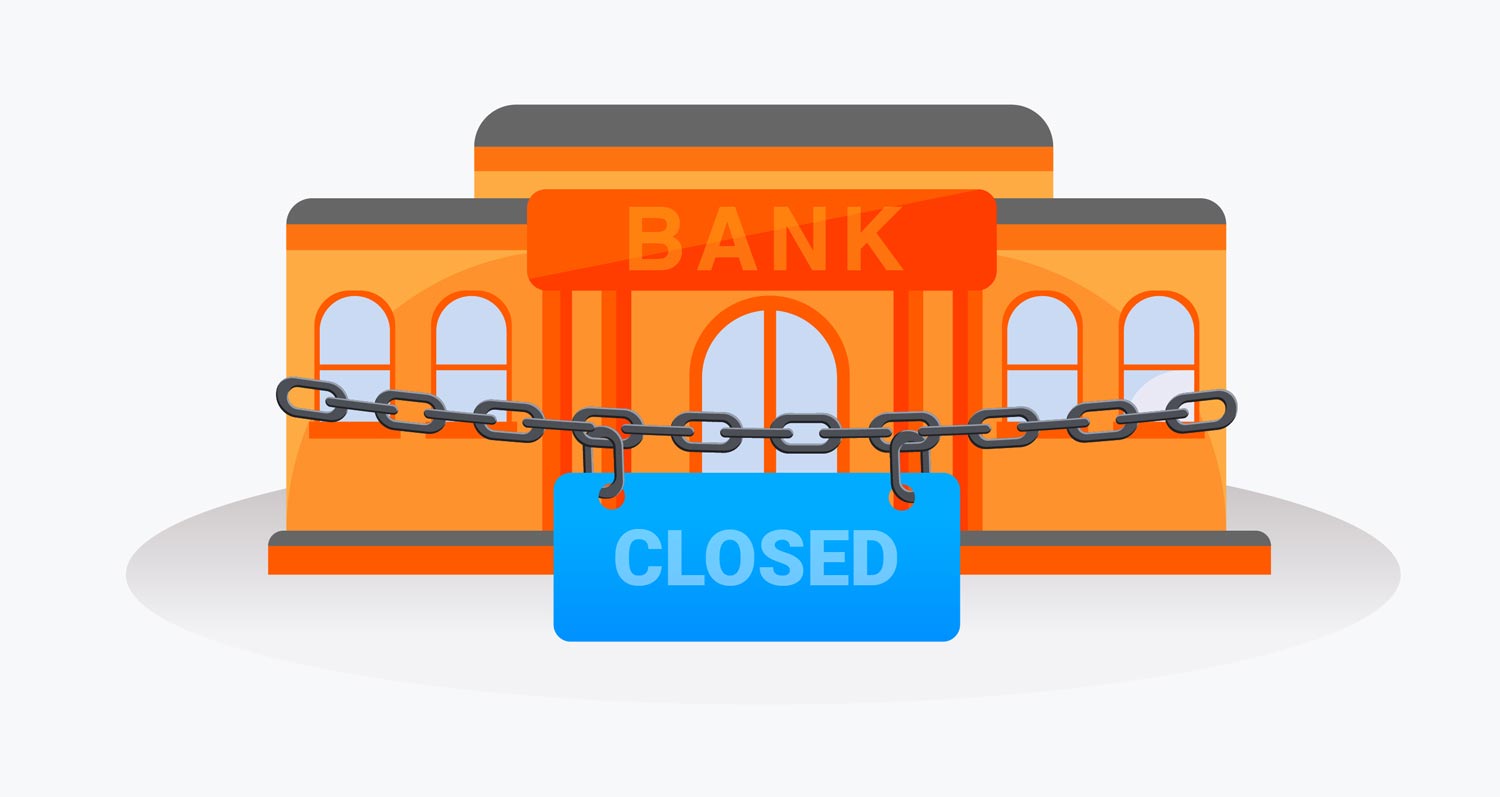
The sight of a closed bank branch, or the news of a smaller financial institution being absorbed by a larger one, has become increasingly common in recent years. This phenomenon is not merely an isolated incident but rather a symptom of profound shifts within the global financial landscape. From technological disruptions and evolving consumer behaviours to stringent regulatory frameworks and challenging economic climates, a confluence of pressures is reshaping the banking sector, leading many institutions, particularly traditional ones, to consolidate, downsize, or even cease operations. Understanding these underlying forces is crucial for anyone interested in the future of finance, from individual savers to business owners and policymakers.
The Evolving Financial Landscape: A Confluence of Pressures
The banking industry, long perceived as an immutable pillar of stability, is experiencing a seismic shift. This transformation is driven by a complex interplay of macroeconomic factors and relentless competitive dynamics that are forcing banks to fundamentally rethink their operating models.
Economic Headwinds and Monetary Policy Shifts
Economic conditions play a pivotal role in the health and viability of banks. Periods of recession or slow economic growth invariably lead to a decrease in loan demand, higher default rates, and reduced profitability. When businesses struggle, they borrow less and are more prone to defaulting on existing loans, directly impacting a bank’s asset quality and earnings. Similarly, individual consumers, facing job insecurity or reduced income, may struggle with mortgage or personal loan repayments.
Moreover, the environment of interest rates, largely dictated by central banks’ monetary policies, significantly affects a bank’s net interest margin (NIM)—the difference between the interest income generated and the interest paid out to depositors. Historically low-interest rates, a feature of many developed economies post-2008 financial crisis, have compressed NIMs, making it harder for banks to generate substantial profits from traditional lending activities. While rising rates can increase NIMs, they also elevate the risk of loan defaults and can slow down economic activity, creating a double-edged sword for financial institutions. Banks must navigate these fluctuating economic cycles and interest rate regimes, often with limited control, making long-term strategic planning a formidable challenge.
Intensifying Competition from Non-Traditional Players
Perhaps one of the most significant disruptors to traditional banking comes from outside the established financial services industry. The rise of fintech companies, challenger banks (neobanks), and even large technology firms entering the payment and lending space has dramatically altered the competitive landscape. These new entrants often boast leaner operational structures, superior digital interfaces, and a hyper-focus on specific customer segments or services.
Fintech companies, unburdened by legacy infrastructure and extensive branch networks, can develop innovative solutions faster and often at a lower cost. They excel in areas like mobile payments, peer-to-peer lending, robo-advisory services, and specialized financial analytics, chipping away at traditional banks’ market share in lucrative areas. Neobanks, operating entirely online, offer convenience, speed, and often lower fees, appealing particularly to younger, digitally native generations who have fewer ties to physical banking. Furthermore, tech giants like Apple, Google, and Amazon are leveraging their vast customer bases and technological prowess to offer financial services, from payment solutions to credit, posing an existential threat to banks that fail to adapt. This intense competition forces traditional banks to invest heavily in technology and innovation, often straining their already tight margins.
Operational Challenges and the Burden of Legacy
Beyond external pressures, many traditional banks grapple with inherent operational inefficiencies and the weight of their own historical development, which impede their ability to compete effectively in the modern financial arena.
The High Cost of Physical Branches and Outdated Infrastructure
For decades, a sprawling network of physical branches was a cornerstone of banking, signifying trust, accessibility, and community presence. However, in the digital age, these branches have increasingly become a liability. Maintaining a physical branch network involves significant overheads: rent, utilities, security, and a large workforce. As customer preferences shift towards digital channels for everyday transactions, foot traffic in branches has plummeted, rendering many locations economically unviable. The cost-to-income ratio associated with these underutilized assets puts immense pressure on a bank’s profitability.
Compounding this issue is the prevalence of legacy IT infrastructure. Many older banks operate on decades-old core banking systems, often patched and modified over time, making them slow, inflexible, and expensive to maintain. Integrating new digital services or implementing innovative features on these systems is a complex, time-consuming, and costly undertaking. This technological debt hinders banks’ ability to innovate quickly, offer seamless digital experiences, and achieve the operational efficiencies enjoyed by their agile fintech rivals. The choice between a costly overhaul and maintaining an increasingly obsolete system is a dilemma many banks face.
Regulatory Compliance and Increasing Operational Expenses
The global financial crisis of 2008 ushered in an era of unprecedented regulatory scrutiny and complexity. Banks, as custodians of public trust and vital cogs in the economic machine, are subject to a dense web of regulations designed to prevent systemic failures, combat money laundering (AML), and protect consumers. While necessary, complying with these myriad rules—ranging from capital adequacy requirements (like Basel III) to data privacy laws (e.g., GDPR) and stringent reporting obligations—demands substantial investment.
Banks must allocate significant resources to compliance departments, employ specialists, and invest in sophisticated RegTech (regulatory technology) solutions. The costs associated with compliance audits, risk management frameworks, and the potential fines for non-compliance are enormous. For smaller banks, in particular, the disproportionate burden of these regulatory costs can severely impact profitability and even threaten their ability to operate. These rising operational expenses, combined with the need to constantly update systems and processes to meet evolving regulatory standards, place a heavy strain on bank finances, often leading to consolidation or closures as smaller players find it unsustainable to keep pace.
Shifting Consumer Behavior and Digital Transformation
At the heart of many bank closures is a fundamental change in how people interact with their money and financial institutions. Digital transformation isn’t just a trend; it’s a new reality shaped by evolving customer expectations.
The Irreversible Shift to Digital Banking

The smartphone has become the primary interface for many aspects of modern life, and banking is no exception. Customers now expect 24/7 access to their accounts, seamless mobile payment options, instant transfers, and personalized financial insights—all accessible from their devices. The convenience, speed, and intuitiveness of digital platforms offered by neobanks and fintechs have set a new standard, making traditional banking processes often seem cumbersome and outdated.
For banks, this means a significant reduction in the need for physical branch visits. Transactions that once required a trip to the bank—depositing checks, transferring funds, checking balances, paying bills—are now routinely performed through mobile apps or online portals. This shift has rendered many physical branches redundant, leading to closures and consolidations as banks re-evaluate their expensive real estate portfolios. Banks that have been slow to embrace or adequately invest in robust digital transformation risk alienating younger generations and losing market share to more agile, digitally-native competitors.
Demographic Changes and Branch Footprint Optimization
Demographic shifts further exacerbate the decline in traditional branch banking. Younger generations, having grown up with the internet and mobile technology, rarely see the need for a physical bank branch for their day-to-day banking needs. Their financial habits are inherently digital, making them less likely to establish relationships with banks based on physical proximity. As these cohorts gain more economic power, their preference for digital channels will continue to shape the industry.
This trend compels banks to engage in “branch footprint optimization.” This strategy involves strategically closing underperforming branches, relocating others to higher-traffic areas (e.g., shopping centers instead of suburban streets), and transforming remaining branches into advisory hubs rather than transaction centers. The aim is to reduce operational costs associated with physical infrastructure while still maintaining a physical presence for complex financial advice, loan applications, or community engagement where face-to-face interaction is still valued. For many smaller, community-focused banks, however, the loss of branches can signify a retreat from their historical mission and a struggle to adapt to these sweeping demographic and technological currents.
Risk Management Failures and Strategic Missteps
While external and operational factors are significant, some bank closures can be directly attributed to internal failings in risk management and strategic decision-making, highlighting the inherent fragility of financial institutions.
Credit Risks and Asset Quality Deterioration
At the core of banking lies the management of credit risk—the risk that borrowers will default on their loans. Poor lending practices, such as extending credit to uncreditworthy borrowers, insufficient collateralization, or overconcentration in a specific sector or region, can lead to a rapid deterioration of a bank’s asset quality. When a significant portion of a bank’s loan portfolio becomes non-performing, it directly impacts profitability and capital reserves. Economic downturns often expose these underlying weaknesses, as widespread defaults can quickly wipe out a bank’s capital.
Furthermore, banks engage in various forms of investment beyond traditional lending. Speculative investments, exposure to volatile financial markets, or holding illiquid assets can also pose substantial risks. A sudden downturn in market values or a lack of buyers for these assets can leave a bank with significant losses, threatening its solvency. Proper due diligence, robust credit analysis, and diversified portfolios are essential, yet failures in these areas have historically been a common precursor to bank distress and eventual closure.
Inadequate Capitalization and Systemic Vulnerabilities
Maintaining adequate capital reserves is paramount for a bank’s resilience. Capital acts as a buffer against unexpected losses, allowing a bank to absorb shocks without failing. Regulatory frameworks like Basel III mandate minimum capital requirements, but some banks, particularly smaller ones or those mismanaging their balance sheets, may operate with insufficient capital cushions. When losses exceed these buffers, a bank becomes insolvent and faces regulatory intervention, which often leads to closure or forced acquisition.
Systemic vulnerabilities can also play a role. While an individual bank might manage its risks diligently, broader contagion from failures elsewhere in the financial system, or a sudden loss of depositor confidence (a bank run), can trigger a crisis that even well-managed institutions struggle to withstand. The interconnectedness of the global financial system means that distress in one area can quickly cascade, underscoring the importance of robust oversight and proactive risk mitigation strategies at both institutional and systemic levels. Strategic missteps, such as failing to diversify revenue streams, neglecting emerging market trends, or making poor merger and acquisition decisions, can also leave a bank vulnerable to these internal and external pressures, ultimately contributing to its downfall.
The Future of Banking: Consolidation and Specialization
The forces driving bank closures are also shaping the future structure of the industry, pointing towards a landscape dominated by fewer, larger players and a rise in specialized financial service providers.
Mergers and Acquisitions as a Survival Strategy
In an environment of intense competition, squeezed margins, and escalating regulatory costs, mergers and acquisitions (M&A) have become a prevalent survival strategy for banks. Larger banks acquire smaller ones to gain market share, expand their geographic reach, absorb talent, and achieve economies of scale. Consolidating operations allows institutions to spread the fixed costs of technology investments and regulatory compliance over a larger revenue base, improving efficiency and profitability.
For smaller banks, M&A can offer an exit strategy for shareholders, provide access to greater capital and technological resources, and ensure their customers retain access to comprehensive financial services. While often leading to brand disappearance and further branch closures post-merger, this trend is reshaping the banking map, creating a more concentrated industry with fewer, but potentially stronger, national or international players. This consolidation reflects a pragmatic response to the operational and financial realities of modern banking.

The Rise of Niche Banking and Specialized Services
Despite the trend towards consolidation, there’s also a counter-movement towards specialization. As mega-banks become broader and more universal, opportunities emerge for smaller, agile institutions to focus on niche markets or specialized services where they can offer superior expertise and tailored solutions. This might include community banks deeply rooted in local economies, providing personalized service to small businesses and individuals; ethical banks focused on sustainable investing; or digital-only banks catering to specific demographics or offering unique financial tools (e.g., crypto-friendly banking, specific lending for freelancers).
These specialized institutions can often compete effectively by excelling in customer experience for their chosen segment, leveraging technology to deliver hyper-focused products, and building strong brand loyalty within their niche. This differentiation allows them to avoid direct competition with the large, diversified financial behemoths. The future of banking, therefore, appears to be a dual landscape: a core of large, consolidated universal banks providing a wide array of services, alongside a vibrant ecosystem of specialized, often technologically advanced, niche players. Understanding “why banks are closing” is ultimately about grasping this profound, ongoing evolution within one of the world’s most critical industries.
aViewFromTheCave is a participant in the Amazon Services LLC Associates Program, an affiliate advertising program designed to provide a means for sites to earn advertising fees by advertising and linking to Amazon.com. Amazon, the Amazon logo, AmazonSupply, and the AmazonSupply logo are trademarks of Amazon.com, Inc. or its affiliates. As an Amazon Associate we earn affiliate commissions from qualifying purchases.