
In the intricate world of personal and business finance, certain numerical identifiers serve as crucial lynchpins for smooth and secure transactions. Among these, the routing number stands out as a fundamental element, essential for a vast array of financial operations. Far from being a mere arbitrary sequence, this nine-digit code acts as a digital address for your financial institution, directing funds to the correct bank or credit union during electronic transfers. For anyone managing their finances, from setting up direct deposit to paying bills online, understanding what a routing number is, why it’s important, and—crucially—where to find it, is a cornerstone of financial literacy. This guide will demystify the routing number, provide clear instructions on how to locate it across various platforms, and offer insights into its role in safeguarding your financial well-being.

Understanding the Cornerstone of Financial Transactions: What is a Routing Number?
At its core, a routing number, often referred to as an ABA (American Bankers Association) routing transit number, is a nine-digit code used to identify specific financial institutions in the United States. It’s a critical component of the electronic infrastructure that underpins the modern financial system, ensuring that money moves accurately and efficiently between banks. Established by the American Bankers Association in 1910, these numbers were initially designed to facilitate the sorting and routing of paper checks. While their original purpose has evolved with the advent of digital banking, their fundamental role in directing financial transactions remains indispensable.
The Purpose and Importance of This Nine-Digit Code
The primary purpose of a routing number is to identify the financial institution involved in a transaction. When you send money to someone, or someone sends money to you, the routing number tells the Automated Clearing House (ACH) network or the Federal Reserve where the funds should ultimately go. Without this specific identifier, an electronic transfer would be akin to sending a letter without a street address – it simply wouldn’t know its destination.
Its importance extends to nearly every facet of modern financial management:
- Direct Deposit: Your employer needs your bank’s routing number to deposit your salary directly into your account.
- Automatic Bill Payments: Utility companies, landlords, and subscription services use your bank’s routing number to debit payments from your account.
- Electronic Funds Transfers (EFTs): Sending or receiving money electronically from another bank account, whether it’s paying a friend or transferring funds between your own accounts at different institutions, relies on routing numbers.
- Wire Transfers: While often using a slightly different set of identifiers for international transfers (SWIFT codes), domestic wire transfers also heavily depend on accurate routing numbers.
- Online Payment Services: Many third-party payment platforms integrate with banking systems using routing and account numbers to facilitate transactions.
In essence, the routing number is the foundational element that enables the seamless flow of money in today’s digital economy, making it an indispensable piece of information for any financially active individual or business.
Differentiating Routing Numbers from Account Numbers
A common point of confusion for many is distinguishing between a routing number and an account number. While both are critical for financial transactions, they serve distinct purposes and identify different entities.
- Routing Number: As discussed, this nine-digit code identifies your specific financial institution (e.g., Chase Bank, Bank of America, local credit union). Think of it as the bank’s unique street address within the financial system. A single bank may have several routing numbers, especially if it operates in different regions or for different types of transactions (e.g., one for ACH, another for wire transfers, though often they are the same for most common uses).
- Account Number: This numerical sequence uniquely identifies your specific account within that financial institution. It tells the bank which account to credit or debit once the funds have reached the correct bank via the routing number. It’s your personal “apartment number” within the bank’s “building.” Account numbers vary significantly in length and format from one bank to another, typically ranging from 10 to 12 digits, but sometimes more or less.
To illustrate: when you make an electronic transfer, the routing number directs the funds to your bank, and then your account number ensures the funds are placed into your specific checking or savings account at that bank. Both are necessary; neither can function effectively without the other for most electronic transactions. Understanding this distinction is vital for accurate and secure financial operations.
Your Go-To Sources for Locating Your Routing Number
Fortunately, finding your routing number is generally straightforward, as banks make this essential information readily accessible. There are several reliable methods to locate this nine-digit code, whether you prefer traditional paper documents or modern digital platforms. Knowing these sources will empower you to quickly access the information whenever it’s needed for a financial transaction.
The Classic Method: Your Checkbook
For generations, the most common place to find a routing number has been on a physical check. This method remains highly reliable and is often the first place people look.
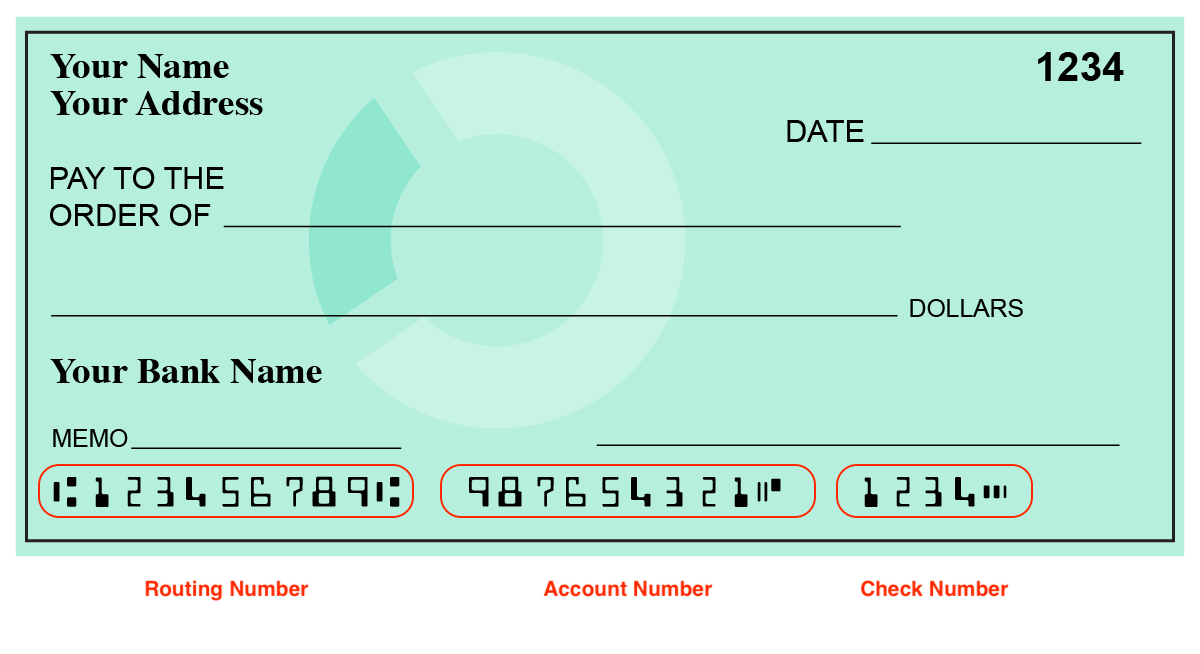
- Location: Look at the bottom edge of one of your checks. You will typically see three sets of numbers, printed in a magnetic ink character recognition (MICR) font.
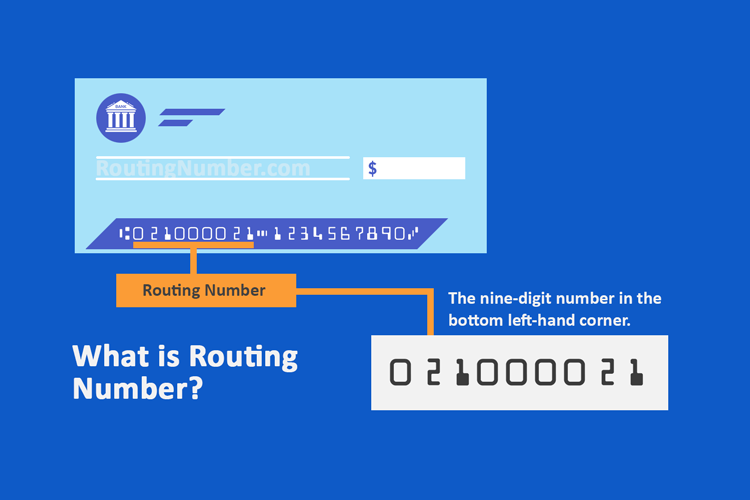
- Identification: The routing number is almost always the first set of nine digits on the left. Following it will be your account number, and then the check number (though sometimes the check number is first).
- Caveat: While consistent for personal checks, some business checks or temporary checks might have a slightly different layout. Always double-check if unsure. Also, some financial institutions might have different routing numbers for checking and savings accounts, though this is less common for routing numbers and more so for account numbers.
Digital Convenience: Online Banking Portals
In an increasingly digital world, your bank’s online banking portal is perhaps the quickest and most convenient way to find your routing number.
- Access: Log in to your bank’s official website or mobile app using your secure credentials.
- Navigation: Once logged in, look for sections related to “Account Details,” “Account Information,” “My Accounts,” or “Direct Deposit Information.” Many banks display the routing number prominently on the main account summary page.
- Specifics: For some banks, you might need to click on a specific account (e.g., checking or savings) to view its details, which will include the routing number. The exact location can vary slightly between different bank interfaces, but it’s usually clearly labeled.
This method offers instant access and is particularly useful if you don’t have a physical checkbook handy or prefer digital record-keeping.
Archival Access: Bank Statements
Whether you receive paper statements in the mail or access them electronically, your bank statement is another official and reliable source for your routing number.
- Paper Statements: If you receive monthly paper statements, examine the document carefully. The routing number is usually printed near your account number, often at the top or bottom of the statement.
- Electronic Statements: For those who opt for paperless banking, you can typically download PDF versions of your monthly statements from your online banking portal. Once downloaded, open the PDF and search for the routing number, which will be in the same location as on a physical statement.
- Benefit: Bank statements are excellent historical records and can confirm the routing number associated with a specific account during a particular period.
Direct Information: Your Bank’s Official Website and Contact Channels
When all else fails, or if you simply prefer direct confirmation, your bank’s official resources are always available.
- Bank’s Official Website (General Information): Even without logging into your personal account, most banks list their general routing numbers on their public website. Look for sections like “Contact Us,” “Help,” “FAQs,” or “About Us.” Often, there will be a dedicated page for “Routing Numbers” or “Direct Deposit Information.” Be mindful that larger banks might have different routing numbers for various states or transaction types (e.g., ACH vs. Wire Transfers), so ensure you select the correct one for your specific branch or intended transaction.
- Customer Service: If you’re still unable to locate it, or if you need to confirm a specific routing number for a complex transaction, don’t hesitate to call your bank’s customer service line. A representative will be able to provide the correct routing number after verifying your identity.
- Branch Visit: For those who prefer in-person assistance, visiting a local branch of your bank is always an option. A teller or customer service representative can quickly provide the routing number and answer any related questions.
By leveraging these various sources, you can confidently and quickly locate your routing number whenever necessary, ensuring your financial transactions proceed without delay or error.
When and Why You’ll Need Your Routing Number
The routing number is not merely an abstract piece of data; it’s a vital key to unlocking a wide range of financial services and executing essential transactions. Understanding the specific scenarios where this nine-digit code becomes indispensable is crucial for effective financial management, both personally and professionally. Its widespread application underscores its fundamental role in connecting individuals and businesses to the broader banking ecosystem.
Setting Up Direct Deposit and Automatic Bill Payments
Perhaps the most common and recurring uses of your routing number are for direct deposit and automatic bill payments. These conveniences are pillars of modern personal finance, streamlining income reception and expense management.
- Direct Deposit: When you start a new job or wish to switch how you receive your salary, your employer will typically require your bank’s routing number along with your account number to set up direct deposit. This ensures your paycheck is electronically transferred directly into your designated checking or savings account on payday, avoiding the need for physical checks and speeding up access to your funds. The HR or payroll department will provide a form that explicitly asks for this information.
- Automatic Bill Payments: To ensure timely payments for recurring expenses like rent, utilities, loan installments, or subscription services, you can often set up automatic withdrawals directly from your bank account. This process, often called an ACH debit, requires you to provide the biller with your bank’s routing number and your account number. This eliminates the risk of missed payments and late fees, contributing to better financial health and credit scores.
In both these scenarios, providing accurate routing and account numbers is paramount to prevent delays, rejections, or even misdirected funds.
Facilitating Electronic Funds Transfers (EFTs)
Beyond direct deposits and bill payments, routing numbers are central to virtually all forms of Electronic Funds Transfers (EFTs). EFTs encompass any transfer of funds initiated through an electronic terminal, telephonic instrument, computer, or magnetic tape, serving as the backbone of modern cashless transactions.
- Sending Money to Others: If you need to send money to a family member, friend, or vendor directly from your bank account to theirs (an “ACH credit”), you will need their bank’s routing number and their account number. This is common for peer-to-peer transfers, gifts, or payments for services.
- Transferring Between Your Own Accounts: Moving money between your own accounts held at different financial institutions (e.g., from a checking account at a large bank to a high-yield savings account at an online bank) will also require the respective routing numbers for each institution involved.
- Online Purchases and Payments: While credit and debit cards often abstract the routing number from the user, the underlying payment processing systems for direct bank transfers or e-checks initiated online will still utilize routing numbers to facilitate the transaction.
The seamless execution of these EFTs relies heavily on the unique identification provided by the routing number, guiding the funds through the complex network of financial institutions.
Important Considerations for Specific Transaction Types
While the fundamental purpose of a routing number remains constant, there can be nuances depending on the specific type of transaction. Being aware of these distinctions can prevent errors and ensure your money moves as intended.
- ACH vs. Wire Transfers: Most common electronic transfers, like direct deposits and online bill payments, utilize the Automated Clearing House (ACH) network. However, for faster, often higher-value, and irreversible transfers (especially international ones), banks use wire transfers. While domestic wire transfers typically use the standard routing number, some banks might have a specific routing number designated solely for wire transfers, distinct from their general ACH routing number. It’s crucial to confirm this with your bank for wire transfer instructions. International wire transfers, on the other hand, primarily rely on SWIFT (Society for Worldwide Interbank Financial Telecommunication) codes, which are international bank identifiers, in addition to routing numbers for domestic legs of the transfer.
- Branch-Specific Routing Numbers: While less common today due to bank consolidations and centralized processing, some older or very large banks might have different routing numbers for different geographical regions or even specific branches. Always confirm the routing number associated with your specific account and your branch, especially if you opened your account in a specific state or region. Your online banking portal or checkbook will usually display the correct one for your account.
- Bank Mergers and Acquisitions: If your bank has recently merged with or been acquired by another institution, its routing number might change. Banks typically notify customers well in advance of such changes, but it’s wise to verify if you’ve been affected by a merger. Using an old routing number after a change can lead to rejected transactions and delays.
By being mindful of these considerations, you can navigate various financial transactions with greater confidence and accuracy, leveraging your routing number effectively in all your money management endeavors.
Safeguarding Your Financial Information: Security Best Practices
While your routing number is essential for facilitating financial transactions, it’s also a piece of sensitive information that, along with your account number, should be treated with appropriate care. Understanding and implementing security best practices is crucial for protecting yourself from fraud, identity theft, and unauthorized access to your funds. In an increasingly digital world, vigilance is your first line of defense.
Protecting Against Fraud and Unauthorized Access
The combination of your routing number and account number is what allows funds to be moved in and out of your bank account. While a routing number alone is generally not enough for a fraudster to drain your account (they would typically need your account number and other personal identifying information), its exposure increases risk.
- Be Discerning About Sharing: Only provide your routing and account numbers to trusted entities. This includes your employer for direct deposit, legitimate billers for automatic payments, and reputable financial institutions or services you explicitly authorize.
- Secure Online Transactions: When entering your bank details online, always ensure you are on a secure website. Look for “https://” in the website address and a padlock icon in your browser’s address bar. Avoid entering sensitive financial information on public Wi-Fi networks that are not secured.
- Beware of Phishing Scams: Be highly suspicious of unsolicited emails, texts, or phone calls asking for your banking information. Legitimate banks and institutions will rarely ask for your full account details or routing number via these channels. Always verify the sender’s identity through official channels (e.g., calling the bank’s published customer service number) if you have any doubt.
- Shred Old Documents: Before discarding old checks, bank statements, or any documents containing your routing and account numbers, shred them thoroughly. This prevents “dumpster diving” fraudsters from gaining access to your financial information.
- Monitor Your Accounts Regularly: Proactively check your bank statements and online transaction history for any unauthorized or suspicious activity. Catching fraudulent transactions early is key to limiting potential losses. Most banks offer alerts for large transactions or unusual activity, which you should utilize.
By adopting a cautious and informed approach, you can significantly reduce the risk of your financial details falling into the wrong hands and mitigate the potential for fraud.
Verifying Information for Critical Transactions
Accuracy is paramount when dealing with financial numbers. A single digit error in a routing or account number can lead to rejected transactions, significant delays, or, in unfortunate cases, funds being sent to an incorrect recipient.
- Double-Check All Entries: Whenever you are entering your routing and account numbers into an online form, a physical document, or verbally providing them, take a moment to double-check every digit. A simple typo can create headaches and consume valuable time to rectify.
- Confirm with Recipients: If you are providing your bank details for someone to send you money, or vice-versa, always confirm the numbers with the other party through a separate, secure communication channel if possible. For example, if someone emails you their bank details, you might call them to confirm the numbers before initiating a transfer. This helps guard against email compromise scams where fraudsters intercept communications and swap banking details.
- Use Official Sources: Always retrieve your routing number from official sources like your bank’s website, online banking portal, or a physical check. Avoid relying on numbers found through generic search engines without cross-referencing, as incorrect or outdated information could lead to errors.
- Understand Different Routing Numbers: As mentioned, be aware that some banks may have different routing numbers for specific transaction types (e.g., wire transfers) or for different regions. Always ensure you are using the correct routing number for the specific transaction you intend to make. If in doubt, consult your bank directly.
By adopting these security best practices and exercising diligence in verifying your financial information, you can ensure the smooth, accurate, and secure execution of all your banking transactions, giving you greater peace of mind in your financial dealings.
Troubleshooting and Advanced Tips for Financial Clarity
Even with a clear understanding of routing numbers and where to find them, sometimes unexpected situations arise. Knowing how to troubleshoot common issues and being aware of advanced considerations can further enhance your financial literacy and ensure you’re always prepared. This section addresses potential hiccups and offers tips to navigate more complex scenarios.
What to Do If You Can’t Locate It Immediately
Despite knowing all the common sources, there might be times when you’re in a hurry or simply can’t find your routing number. Don’t panic; there are always solutions.
- Check All Your Accounts Online: If you have multiple accounts or different types of accounts (checking, savings), make sure you are looking at the details for the correct one in your online banking portal. Banks sometimes display general routing numbers on a central page, but clicking into the specific account might reveal a slightly different one or confirm the general one applies.
- Utilize Bank Finder Tools: Many banks, especially larger ones, have dedicated “routing number finder” tools on their public websites. You might be asked to input your state or a zip code to find the correct number. The American Bankers Association (ABA) also provides a bank routing number lookup tool, although this might require some specific bank details.
- Call Customer Service: This is often the quickest and most reliable method if you’re struggling. Have your account details ready for verification, and a bank representative will be able to provide the exact routing number for your account. This is particularly recommended for critical or large-value transactions.
- Visit a Branch: If time permits and a branch is convenient, an in-person visit allows you to get direct assistance and clarify any doubts.
- Review Your Bank’s App: Many bank mobile apps now offer full account details including routing numbers. Ensure your app is up-to-date for the best functionality.
Persistence and utilizing your bank’s official channels are key to resolving any difficulty in locating this crucial number.
Common Misconceptions and FAQs
Addressing common misunderstandings about routing numbers can prevent errors and enhance financial clarity.
- “Is my routing number the same as my debit card number?” Absolutely not. Your debit card number is linked to your account but is a distinct identifier primarily used for card-based transactions. Your routing number and account number are for direct bank-to-bank transfers. Never confuse the two.
- “Does my bank have only one routing number?” Not necessarily. While many smaller banks and credit unions might use a single routing number for all standard transactions, larger banks, especially those operating nationwide, often have multiple routing numbers. These can be specific to geographic regions (states, Federal Reserve districts), branches, or even different types of transactions (e.g., one for ACH, another for wire transfers, though often these are the same for simpler domestic uses). Always confirm the specific routing number associated with your account for the intended transaction.
- “Can I use a routing number from another bank if I know it?” No, using a routing number from a bank where you don’t hold an account, or an incorrect routing number for your own bank, will result in a failed transaction. The funds will either be returned to the sender (often with a fee) or, in rare cases of misdirection, could be difficult to recover. Always use the correct routing number for the specific financial institution and your specific account.
- “Is my routing number a secret?” While not as confidential as your PIN or full account number, it’s considered sensitive financial information. It’s generally publicly available for a bank, but its combination with your account number is what needs protection. Avoid broadcasting it or sharing it with untrusted parties.
- “What happens if I use an incorrect routing number?” Typically, the transaction will be rejected by the receiving bank because the routing number doesn’t match the account number provided, or it might be routed to the wrong bank entirely if the incorrect number corresponds to another legitimate institution. In most cases, funds are returned, but the process can incur fees and significant delays. Contact your bank immediately if you suspect you’ve used an incorrect number.
By understanding these nuances and common pitfalls, you can navigate your financial life with greater confidence, ensuring that your funds always reach their intended destination efficiently and securely. The routing number, though a seemingly small detail, is indeed a giant in the world of modern money management.
aViewFromTheCave is a participant in the Amazon Services LLC Associates Program, an affiliate advertising program designed to provide a means for sites to earn advertising fees by advertising and linking to Amazon.com. Amazon, the Amazon logo, AmazonSupply, and the AmazonSupply logo are trademarks of Amazon.com, Inc. or its affiliates. As an Amazon Associate we earn affiliate commissions from qualifying purchases.