
For many, direct deposit is the cornerstone of personal finance, offering a seamless and secure way to receive wages, benefits, and other regular payments directly into a bank account. As a prominent financial institution, Chase Bank processes millions of direct deposits daily. Yet, despite its widespread adoption, a common question often arises: “When exactly does my Chase direct deposit hit?” Understanding the mechanics and variables behind direct deposit timings is crucial for effective financial planning, budgeting, and avoiding unexpected cash flow issues.
This comprehensive guide delves into the intricate factors that influence when your money becomes available in your Chase account. We’ll explore the underlying processes, common reasons for delays, how you can track your funds, and strategies to optimize your financial management around your direct deposit schedule. By demystifying the direct deposit process, we aim to empower you with the knowledge needed to anticipate your funds confidently.
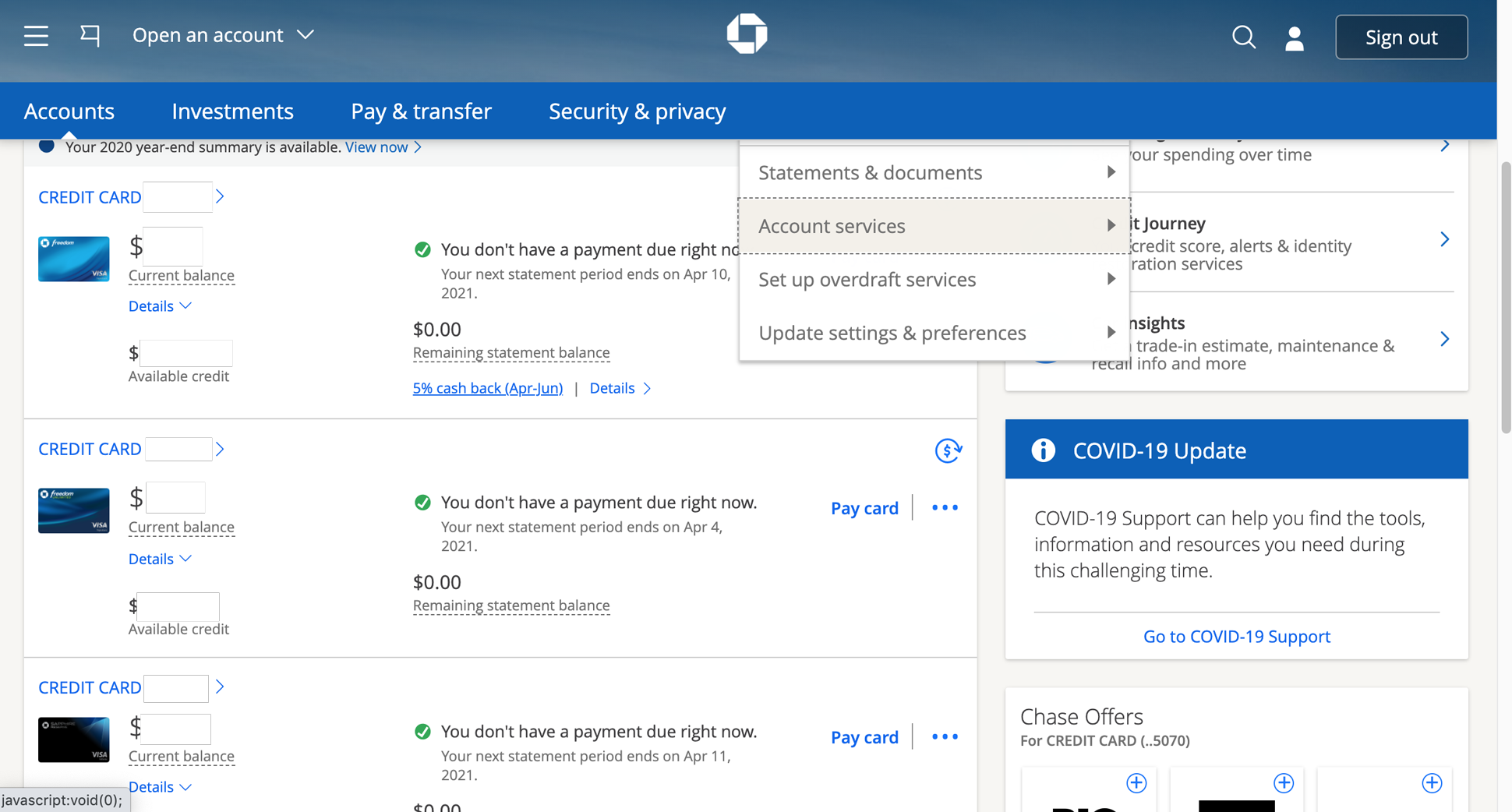
Understanding the Mechanics of Direct Deposit with Chase
Before we pinpoint specific timings, it’s essential to grasp how direct deposit operates. It’s not an instantaneous transfer but rather a multi-step process involving your employer (or payer), their bank, the Automated Clearing House (ACH) network, and finally, Chase Bank. This sophisticated system ensures accuracy and security, but it also introduces certain timeframes.
The Role of the ACH Network
The Automated Clearing House (ACH) network is the electronic backbone for financial transactions in the United States, facilitating direct deposits, direct payments (like bill payments), and other electronic fund transfers between banks. When your employer initiates a direct deposit:
- Initiation: Your employer sends payroll information (including your account and routing numbers) and the funds to their bank.
- Batch Processing: The employer’s bank bundles these transactions with others and sends them to the ACH network.
- Settlement: The ACH network processes these batches, typically overnight, and sends them to the recipient banks (in this case, Chase).
- Posting: Chase receives the instruction and credits your account with the funds.
This entire process typically takes 1-2 business days from the moment your employer initiates the payment to when it’s available in your Chase account. It’s not a real-time transfer, which is a common misconception.
Standard Processing Times and Business Days
For most direct deposits, the standard processing time for the ACH network is one to two business days. This means:
- If your employer submits payroll on a Monday, the funds might settle with Chase and be available by Tuesday or Wednesday.
- Crucially, “business days” exclude weekends and federal holidays. If your employer submits payroll on a Friday, the funds won’t start processing until the next Monday (assuming no holiday), potentially making them available by Tuesday or Wednesday.
Chase, like other financial institutions, adheres to these standard processing windows. While the bank works efficiently, it cannot post funds to your account until they have been officially received and cleared through the ACH network.
Key Factors Influencing Chase Direct Deposit Timelines
While the ACH network provides a general framework, several specific factors can significantly impact when your direct deposit becomes accessible in your Chase account. Understanding these variables can help you better predict your payday.
Employer’s Payroll Schedule and Submission Time
The most significant factor determining when your direct deposit hits is your employer’s payroll schedule and when they submit the payroll file to their bank.
- Payroll Cut-off Times: Employers often have specific cut-off times for submitting payroll. If they miss this deadline, the submission might be delayed by a day.
- Processing Lead Time: Most employers submit payroll several days in advance of the actual payday. For example, if your official payday is Friday, your employer might submit the file on Tuesday or Wednesday to ensure the funds arrive on time. If they submit it closer to the payday, the funds might appear later.
- Company Policy: Some companies may hold funds for an extra day after receiving them to manage their cash flow, though this is less common with direct deposit systems designed for efficiency.
It’s always a good practice to confirm your employer’s specific payroll submission schedule, as this is the starting point for the entire process.
Bank Processing Times and Early Availability
Chase, like many banks, receives incoming ACH files throughout the day. While the official “payday” might be Friday, Chase often processes and posts these deposits as soon as they are fully cleared and confirmed by the ACH network.
- Early Release Programs: Some banks offer “early direct deposit” services, allowing customers to access their funds up to two days earlier than the official payday. This is often based on the bank’s policy to make funds available upon receipt of the ACH notification, rather than waiting for the official settlement date. Chase has historically not offered an official “early direct deposit” program for all customers as a standard feature, unlike some challenger banks or credit unions. However, individual deposits can sometimes hit a day earlier than expected if the employer submits early and Chase processes it quickly.
- Specific Posting Hours: While Chase doesn’t publish exact minute-by-minute schedules, most direct deposits typically post early in the morning on the scheduled payday, often between 3:00 AM and 6:00 AM ET. However, deposits can continue to post throughout the day. It’s rare for a deposit to hit late in the evening on the scheduled payday unless there was a significant delay in the ACH network or employer submission.
Impact of Weekends and Federal Holidays
Weekends and federal holidays can significantly shift your direct deposit timeline.
- Non-Processing Days: The ACH network does not process transactions on weekends or federal holidays. If your scheduled payday falls on one of these days, your direct deposit will typically be processed on the preceding business day.
- Example: If your payday is Friday, but it’s a federal holiday, your direct deposit will likely be available on Thursday. If your payday is Monday, but it’s a federal holiday, your deposit would typically hit on the preceding Friday.
- Planning Ahead: Always check the federal holiday schedule to anticipate any shifts in your direct deposit availability, especially around long weekends or holiday seasons.

How to Track Your Chase Direct Deposit Status
Waiting for your direct deposit can be anxiety-inducing, especially when bills are due. Fortunately, Chase provides several convenient ways to monitor the status of your incoming funds.
Using Chase Online Banking and Mobile App
The most efficient ways to check for your direct deposit are through Chase’s digital platforms:
- Chase Online Banking: Log in to your Chase account via a web browser. Your account summary or transaction history will display pending and posted deposits.
- Chase Mobile App: The Chase Mobile App offers real-time access to your account balances and transaction history. Many users find the app to be the quickest way to check for new deposits. Simply open the app, log in, and check your primary checking account. Pending deposits might appear with a “pending” status before they fully post.
It’s advisable to check your account regularly on your expected payday morning. Keep in mind that while a pending deposit might show, the funds may not be available for immediate use until they fully post.
Setting Up Alerts and Notifications
To proactively stay informed, leverage Chase’s alert system:
- Account Alerts: You can set up custom alerts through Chase Online Banking or the mobile app to receive notifications when a direct deposit posts to your account. This can be an email or a text message.
- Low Balance Alerts: While not directly about direct deposit, setting up low balance alerts can help you avoid overdrafts if your deposit is delayed for any reason.
These alerts can provide peace of mind and prevent you from constantly checking your account manually.
What to Do If Your Deposit Is Delayed
If your direct deposit doesn’t appear by the expected time on your payday, don’t panic immediately. Here’s a systematic approach:
- Check Again Later: Direct deposits can post throughout the day. If it’s not there in the morning, check again in the afternoon.
- Verify Employer Submission: Your first point of contact should be your employer’s payroll department. Confirm that they submitted your payroll on time and that there were no issues with your account information. They can provide the exact date and time the deposit was initiated.
- Review Bank Information: Double-check with your employer that they have the correct Chase account number and routing number on file. A single incorrect digit can cause significant delays.
- Contact Chase Customer Service: If your employer confirms the deposit was sent correctly and within the expected timeframe, and it still hasn’t appeared, contact Chase customer service. Provide them with the exact amount, the expected date, and the sender’s name (your employer). They can investigate if the funds have been received by the bank but are pending internal processing or if there’s any hold on your account.
Optimizing Your Financial Flow with Direct Deposit
Understanding the “when” of your Chase direct deposit isn’t just about avoiding frustration; it’s a fundamental aspect of sound personal finance. By mastering this rhythm, you can significantly enhance your financial well-being.
Budgeting Around Your Pay Cycle
Knowing precisely when your money arrives allows for more accurate and effective budgeting.
- Synchronize Bill Payments: Align your bill payment due dates with your direct deposit schedule. If you get paid bi-weekly, schedule your automatic payments to go out shortly after your first or second direct deposit of the month.
- “Pay Yourself First”: As soon as your direct deposit hits, consider automating transfers to your savings, investment, or emergency fund accounts. This ensures you prioritize your financial goals before discretionary spending.
- Cash Flow Projections: With predictable direct deposit timings, you can create more reliable cash flow projections, helping you anticipate periods of surplus or scarcity and plan accordingly.
Leveraging Direct Deposit for Enhanced Financial Management
Beyond just receiving your pay, direct deposit offers several avenues for smarter money management.
- Split Deposits: Many employers and Chase allow you to split your direct deposit across multiple accounts. For example, you could have a portion go directly to your Chase checking account for daily expenses and another portion automatically deposited into a Chase savings account or even a different bank’s account for specific savings goals. This automates your savings efforts.
- Automating Savings and Investments: Once your main deposit hits your checking account, you can set up recurring automatic transfers to other Chase accounts (like a high-yield savings account or a You Invest account) or external investment platforms. This consistent, hands-off approach to saving and investing is a cornerstone of long-term financial success.
- Avoiding Overdrafts: By knowing exactly when your funds will arrive, you can time your expenditures to avoid overdraft fees. For instance, avoid making large purchases or scheduling automatic payments that would clear before your expected direct deposit hits.

Building a Financial Buffer
Even with a perfectly timed direct deposit, unexpected expenses can arise. Building a financial buffer is paramount.
- Emergency Fund: Aim to have at least 3-6 months’ worth of living expenses saved in an easily accessible emergency fund. Your direct deposit, when consistently hitting, is the perfect source to fund this.
- Small Buffer in Checking: Keep a small buffer ($100-$200) in your checking account above your usual spending to absorb minor fluctuations or unexpected small debits without dipping into savings or incurring fees.
- Reviewing Statements: Regularly review your Chase bank statements and transaction history to ensure all direct deposits have posted correctly and that there are no unauthorized withdrawals, further reinforcing financial security and awareness.
In conclusion, while the question “When does Chase direct deposit hit?” might seem simple, the answer involves a nuanced understanding of the ACH network, employer practices, bank processing, and the impact of non-business days. By actively tracking your deposits, understanding the influencing factors, and leveraging Chase’s digital tools, you can ensure your financial rhythm is smooth, predictable, and supportive of your broader financial goals. Direct deposit is a powerful financial tool; mastering its timing is key to harnessing its full potential.
aViewFromTheCave is a participant in the Amazon Services LLC Associates Program, an affiliate advertising program designed to provide a means for sites to earn advertising fees by advertising and linking to Amazon.com. Amazon, the Amazon logo, AmazonSupply, and the AmazonSupply logo are trademarks of Amazon.com, Inc. or its affiliates. As an Amazon Associate we earn affiliate commissions from qualifying purchases.