
In an increasingly interconnected global economy, the ability to seamlessly transfer funds across borders is paramount for individuals and businesses alike. Whether you’re sending money to family overseas, receiving payments from international clients, or managing cross-border investments, understanding the mechanisms that facilitate these transactions is crucial. Among the most fundamental of these mechanisms is the SWIFT code, a unique identifier that ensures your money reaches its intended destination securely and efficiently. For customers of one of the world’s largest financial institutions, Chase Bank, knowing their SWIFT code is a cornerstone of international financial literacy.
This comprehensive guide delves into the specifics of Chase’s SWIFT code, exploring its significance, how to correctly identify it, and best practices for navigating international money transfers. We will demystify this essential financial tool, empowering you to manage your global finances with confidence and precision.
Decoding the SWIFT Code: Your Gateway to International Finance
The journey of an international wire transfer begins long before the funds leave your account. It starts with a series of precise identifiers, chief among them being the SWIFT code. Often shrouded in technical jargon, understanding what a SWIFT code truly represents is the first step towards mastering global financial transactions.
What Exactly is a SWIFT Code?
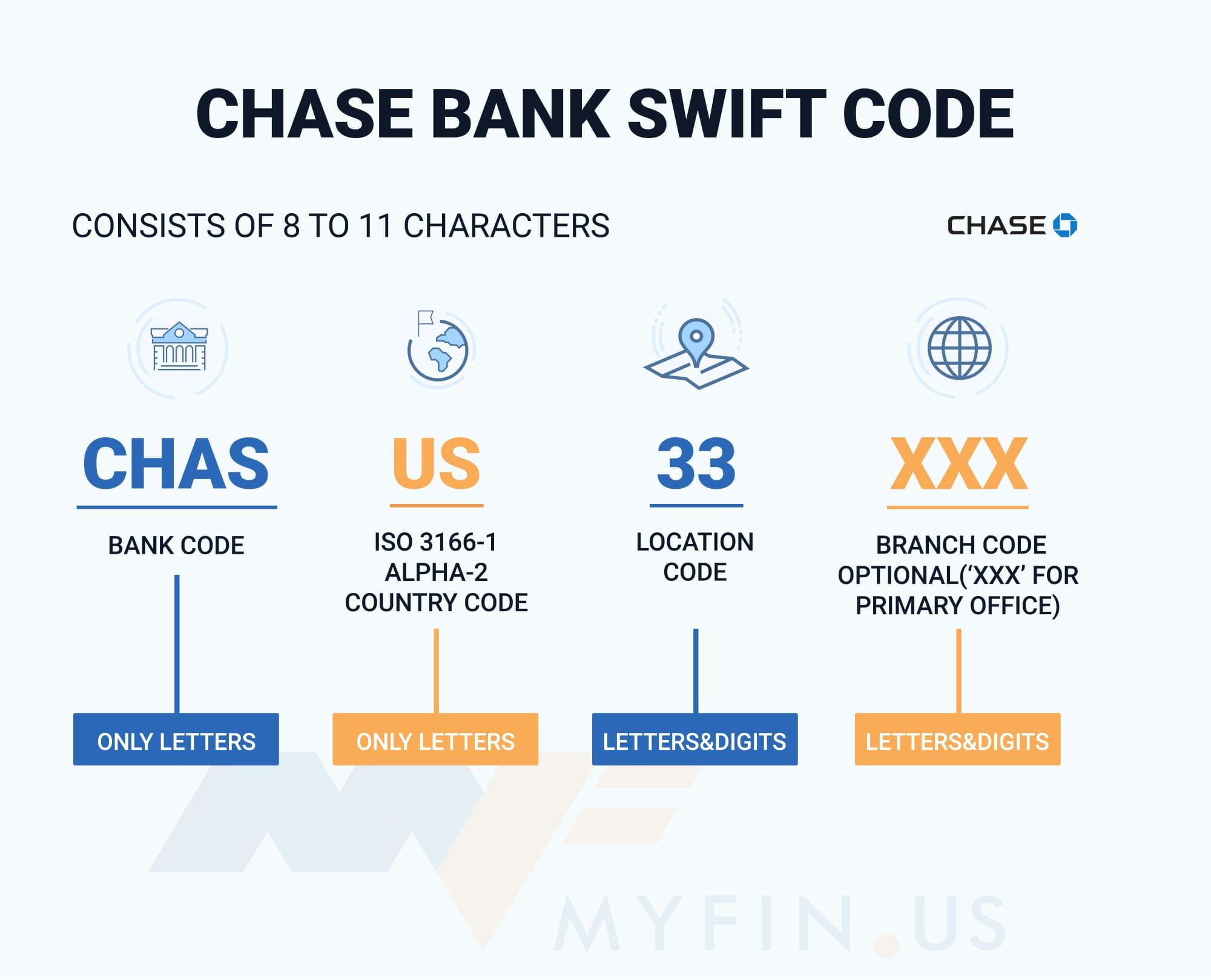
SWIFT stands for the Society for Worldwide Interbank Financial Telecommunication. Established in 1973, SWIFT created a standardized system of codes to identify banks and financial institutions globally, facilitating secure and reliable communication for financial transactions. A SWIFT code, also known as a Bank Identifier Code (BIC), is a unique eight or eleven-character alphanumeric code that identifies a specific bank, its country, city, and sometimes a particular branch.
The structure of a SWIFT/BIC code is as follows:
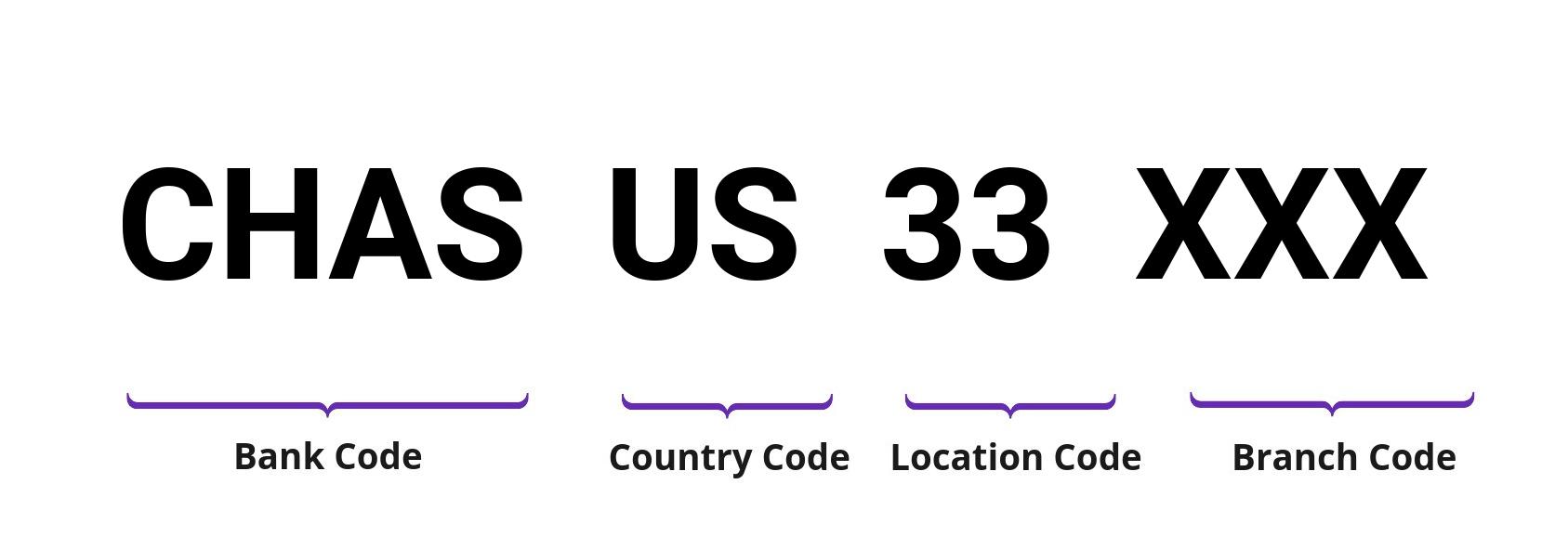
- Bank Code (4 characters): Represents the institution (e.g., CHAS for Chase).
- Country Code (2 characters): Represents the country where the bank is located (e.g., US for United States).
- Location Code (2 characters): Represents the city or region of the bank (e.g., 33 for New York).
- Branch Code (3 optional characters): Identifies a specific branch (e.g., XXX for the primary office, or a specific branch code). If omitted, it defaults to the primary office.
This standardized system ensures that when you initiate an international transfer, the sending bank can accurately identify the receiving bank, preventing errors and speeding up the process. Without a correct SWIFT code, international wire transfers simply cannot be processed, highlighting its critical role as a foundational financial tool in global commerce and personal remittances.
Why You Need Chase’s SWIFT Code
For Chase customers, the SWIFT code becomes indispensable in several key scenarios involving cross-border money movement. Its primary function is to facilitate international wire transfers, which are often the preferred method for substantial financial transactions due to their speed and security, especially when compared to traditional mail or less secure digital alternatives.
Common use cases include:
- Receiving International Payments: If you are an individual receiving a payment from a relative abroad, an expatriate receiving salary from an international employer, or a freelancer getting paid by an overseas client, you will need to provide your sender with Chase’s SWIFT code along with your account number and full name.
- Sending Money Abroad: When you need to send funds from your Chase account to an international beneficiary, you will be required to provide the recipient’s bank’s SWIFT code. This ensures your money is routed correctly through the global banking network.
- International Investment Activities: Investors dealing with foreign stocks, bonds, or other assets often require SWIFT codes for transferring funds to or from international brokerage accounts.
- Business Transactions: Companies engaging in international trade, paying suppliers, or receiving payments from foreign customers rely heavily on SWIFT codes for their business finance operations.
In essence, any transaction that requires money to move from a bank in one country to a bank in another will necessitate the use of a SWIFT code. It acts as the digital address for financial institutions, ensuring your funds find their way home, or to their intended destination, securely.
Finding Chase’s SWIFT Code: A Practical Guide
While the concept of a SWIFT code might seem complex, locating the correct one for Chase Bank is relatively straightforward. However, it’s crucial to ensure accuracy, as even a single incorrect character can lead to delays or, worse, misrouted funds.
The Primary SWIFT Code for Chase Bank
For the vast majority of international transfers involving Chase Bank accounts within the United States, the primary SWIFT code you will need is:
CHASUS33
Let’s break down this specific code:
- CHAS: The bank code for JPMorgan Chase Bank.
- US: The country code for the United States.
- 33: The location code, typically referring to the main processing center in New York.
This 8-character code is sufficient for most incoming international wire transfers to any Chase account in the U.S. When the 3-character branch code is omitted, it defaults to the primary office, which handles most international routing. Therefore, if someone is sending you money internationally to your Chase account in the U.S., CHASUS33 is generally the code to provide.
Locating Your Specific Chase SWIFT Code
While CHASUS33 serves as the universal SWIFT code for Chase in the U.S., there might be instances where you need to confirm this or find other relevant information.
Here are the most reliable ways to locate or verify Chase’s SWIFT code:
- Chase’s Official Website: The most authoritative source for any banking information is the bank itself. Chase typically publishes its SWIFT code on its website, often in the “Contact Us,” “Help,” or “Wire Transfer” sections. Look for FAQs specifically addressing international transfers.
- Your Bank Statement: While not always prominently displayed, some bank statements, especially for business accounts or accounts with a history of international transactions, might include the SWIFT code.
- Online Banking Portal: Log into your Chase online banking account. Navigate to sections related to wire transfers or account details. While it might not be explicitly listed as “SWIFT code” on the main account page, it should be available when initiating or setting up an international transfer.
- Contacting Chase Customer Service: For absolute certainty, or if you’re unable to find the information through other means, contacting Chase customer service directly is advisable. They can provide the correct SWIFT code and any other details required for your specific transaction. Be prepared to verify your identity.
- In-Branch Inquiry: Visiting a Chase branch and speaking with a banking representative is another reliable method. They can guide you through the process and confirm the necessary codes.
Always double-check the SWIFT code. A small error can cause significant delays or even loss of funds, underscoring the importance of meticulous attention to detail.
Understanding Variations and Branches
It’s a common misconception that every bank branch has a unique SWIFT code. For large financial institutions like Chase, this is generally not the case, especially within the same country. As mentioned, CHASUS33 serves as the primary code for all U.S. Chase branches. The ’33’ in CHASUS33 already refers to the New York processing center, which acts as the hub for international transactions for all U.S. branches.
Unlike some smaller, regional banks or international banks with distinct country-specific entities, Chase operates its U.S. network under this singular, overarching SWIFT code for inbound international wires. This simplifies the process for customers, as they don’t need to worry about finding a branch-specific code for typical transfers. If you encounter an 11-character code (e.g., CHASUS33XXX), the ‘XXX’ typically signifies the primary office and doesn’t usually indicate a unique branch code for a local branch. Always defer to the 8-character code (CHASUS33) unless specifically instructed otherwise by Chase for a very particular type of transaction.
Navigating International Transfers with Chase
Knowing Chase’s SWIFT code is a critical piece of the puzzle, but it’s just one component of a successful international wire transfer. To ensure your funds reach their destination smoothly and without unnecessary delays, you need to understand the full scope of information required and the processes involved.
Essential Information Beyond the SWIFT Code
A SWIFT code alone is not enough to complete an international transfer. To prevent complications and ensure accuracy, you will need to gather several other crucial pieces of information about the recipient and their banking details:
- Recipient’s Full Name and Address: This must match the name on the bank account exactly. Discrepancies can cause the transfer to be held or rejected.
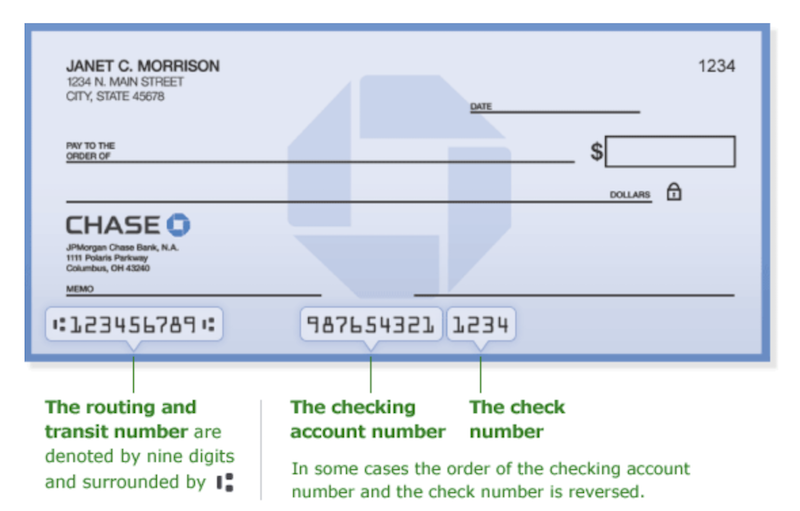
- Recipient’s Bank Account Number: This is typically an International Bank Account Number (IBAN) for transfers to Europe and some other regions, or a standard account number for other countries. Accuracy here is paramount.
- Recipient’s Bank Name and Address: While the SWIFT code identifies the bank, having the full name and address provides an additional layer of verification.
- Purpose of Transfer: Some countries and financial institutions require you to specify the reason for the transfer (e.g., “family support,” “invoice payment,” “gift”) for regulatory compliance.
- Amount and Currency: Clearly state the amount you wish to send and the currency in which it should be received. Exchange rates will apply.
Gathering all this information meticulously before initiating the transfer will significantly reduce the likelihood of issues.
Initiating an International Wire Transfer Through Chase
Chase provides multiple convenient channels for sending international wire transfers:
- Online Banking: This is often the most convenient method for many customers. Log into your Chase online banking account, navigate to the “Pay & Transfer” section, and look for “Wire Transfers” or “Send Money Internationally.” You will be guided through a series of steps where you input the recipient’s details, including their bank’s SWIFT code, account number, and the amount.
- Chase Mobile App: Similar to online banking, the Chase mobile app offers a streamlined process for initiating international wires on the go. The interface is user-friendly and designed for convenience.
- In-Branch Visit: For those who prefer in-person assistance, or for very large or complex transactions, visiting a Chase branch is an option. A banking representative can help you fill out the necessary forms, ensure all details are correct, and answer any questions you may have. This can be particularly useful for first-time international transfers.
Regardless of the method chosen, Chase will typically require you to review and confirm all details before the transfer is submitted. Always take this opportunity to meticulously verify every piece of information.
Fees, Exchange Rates, and Processing Times
International wire transfers involve costs and varying processing times, which are crucial aspects of financial planning for these transactions.
- Fees: Chase charges fees for outgoing international wire transfers. These fees can vary depending on whether the transfer is in U.S. dollars or a foreign currency, and sometimes on the destination country. There might also be intermediary bank fees that are deducted from the principal amount by other banks involved in the transaction, though Chase aims to route transfers efficiently. Always check Chase’s current fee schedule for international wires.
- Exchange Rates: When sending funds in a currency different from USD, Chase will apply an exchange rate. This rate will often include a margin for the bank. It’s wise to compare Chase’s exchange rates with other providers, as rates can significantly impact the final amount the recipient receives.
- Processing Times: International wire transfers typically take 1-5 business days to be completed. The exact duration can depend on the destination country, the time of day the transfer is initiated, and any intermediary banks involved. Transfers initiated on weekends or holidays will usually be processed on the next business day. Funds sent to certain regions or involving specific currencies might also experience longer processing times due to regulatory requirements or less direct banking routes.
Being aware of these financial aspects allows for better budgeting and realistic expectations regarding when funds will arrive.
Security and Best Practices for Financial Transfers
In the realm of international money transfers, security is paramount. Given the potential for large sums of money to be involved, and the inherent complexity of cross-border transactions, exercising caution and adopting best practices is essential to protect your finances from fraud and errors.
Verifying Recipient Information
The single most critical step in preventing financial loss due to errors or fraud is the diligent verification of all recipient details. Once an international wire transfer is sent, especially if funds have been credited to the recipient’s account, it is exceedingly difficult, if not impossible, to recall the funds.
- Double-Check Everything: Before clicking “send” or handing over the form, meticulously review the recipient’s full name, account number, bank name, bank address, and critically, the SWIFT code. Any discrepancy could lead to a misdirected transfer.
- Independent Verification: If possible, verify the recipient’s banking details through a separate communication channel. For instance, if you received the details via email, call the recipient directly to confirm them verbally. This protects against email compromise scams where fraudsters intercept communications and provide their own bank details.
- Start Small: For a first-time transfer to a new recipient, especially for a significant amount, consider sending a small test amount first. Once confirmed that the funds have reached the correct account, you can proceed with the larger transfer. This incurs an additional fee but offers significant peace of mind.
These precautions are not overkill; they are indispensable safeguards against the irreversible nature of many international financial transactions.
Protecting Your Financial Data
Beyond individual transaction verification, maintaining robust overall digital security is crucial when dealing with financial matters, especially online.
- Secure Platforms: Always use Chase’s official website or mobile app for online banking. Be wary of unsolicited emails or messages asking you to click on links or provide personal financial information, as these are often phishing attempts.
- Strong Passwords and Multi-Factor Authentication (MFA): Ensure your Chase online banking account is secured with a strong, unique password and enable MFA wherever possible. This adds an extra layer of security, typically requiring a code from your phone in addition to your password.
- Beware of Scams: Be vigilant against various financial scams, particularly those involving requests for urgent transfers to unknown recipients or promises of large returns for upfront payments. Reputable institutions like Chase will never ask for your passwords or sensitive personal information via email or unsolicited calls.
- Public Wi-Fi Caution: Avoid conducting banking transactions over unsecured public Wi-Fi networks, as these can be vulnerable to eavesdropping.
Adopting a proactive stance on digital security is your best defense against cyber financial threats.
When to Contact Chase Support
Despite best efforts, issues can sometimes arise, or you might encounter situations that require expert assistance. Knowing when and how to contact Chase support is vital for navigating these scenarios effectively.
- Clarifying SWIFT Codes: If you have any doubt about the correct SWIFT code for a specific type of transaction or destination, contact Chase customer service.
- Transfer Delays or Errors: If an international wire transfer is taking longer than expected, or if you suspect an error has occurred, contact Chase immediately. They can track the transfer and provide updates.
- Fraud Concerns: If you suspect you’ve been a victim of fraud, or if you notice any unauthorized activity on your account, contact Chase’s fraud department without delay.
- Complex Transactions: For particularly large transfers, transfers involving multiple currencies, or transfers to politically sensitive regions, it’s often wise to consult with Chase beforehand to understand any specific requirements or potential challenges.
Chase’s customer service channels, including phone support and in-branch assistance, are equipped to handle these concerns, providing essential support in managing your international financial transactions.
Beyond SWIFT: Other Considerations for Global Money Movement
While SWIFT codes are the backbone of bank-to-bank international wire transfers, the landscape of global money movement is evolving. Understanding other mechanisms and regulatory frameworks can provide a more holistic view of international finance.
Alternative Payment Methods
While SWIFT wires remain a dominant method for large bank-to-bank transfers, especially for corporate finance and substantial individual remittances, other options exist depending on the transaction type, urgency, and cost considerations:
- ACH (Automated Clearing House): Primarily used for domestic transfers within the U.S. but can be utilized for international payments via intermediary services, often for recurring payments or direct deposits. It’s generally slower and cheaper than wire transfers.
- Online Money Transfer Services: Companies like Wise (formerly TransferWise), PayPal, Xoom, and others offer increasingly popular alternatives, often boasting lower fees and more competitive exchange rates for smaller to medium-sized personal transfers. These services typically utilize local payment networks in different countries, avoiding the full SWIFT network for each leg of the journey.
- Cryptocurrencies: A rapidly emerging, albeit volatile, method for cross-border value transfer, offering instant settlement and often lower transaction fees, though with significant price fluctuations and regulatory uncertainties in many jurisdictions.
While these alternatives offer flexibility, SWIFT-based wire transfers through traditional banks like Chase continue to be the standard for robust, high-value, and often regulated international financial transactions due to their established security protocols and direct bank-to-bank nature.
Compliance and Regulatory Landscape
International money transfers are subject to stringent regulations aimed at combating money laundering (AML), terrorist financing, and other illicit activities. Financial institutions like Chase have a legal and ethical obligation to adhere to these rules.
- Know Your Customer (KYC): Banks are required to verify the identity of their customers and the source of their funds, particularly for international transactions. This is why you might be asked for additional documentation or information.
- Reporting Requirements: Large international transfers (e.g., over $10,000) are often reported to government authorities (like FinCEN in the U.S.) as part of AML efforts.
- Sanctions: Transfers to or from sanctioned countries or individuals are strictly prohibited, and banks must meticulously screen transactions to ensure compliance with international sanctions lists.
These regulatory requirements, while sometimes adding complexity, are vital for maintaining the integrity and security of the global financial system. Understanding that your bank is operating within these frameworks can provide assurance regarding the legitimacy and safety of your transactions.
In conclusion, navigating the world of international finance with Chase Bank requires a foundational understanding of tools like the SWIFT code. While CHASUS33 serves as the critical identifier for most U.S. Chase accounts, successful transfers hinge on meticulous attention to detail, comprehensive information gathering, and adherence to security best practices. By mastering these elements, you can ensure your money moves across borders efficiently, securely, and exactly where it needs to go, empowering your personal and business financial endeavors in a globalized world.
aViewFromTheCave is a participant in the Amazon Services LLC Associates Program, an affiliate advertising program designed to provide a means for sites to earn advertising fees by advertising and linking to Amazon.com. Amazon, the Amazon logo, AmazonSupply, and the AmazonSupply logo are trademarks of Amazon.com, Inc. or its affiliates. As an Amazon Associate we earn affiliate commissions from qualifying purchases.