
In the intricate landscape of global finance, while most individuals are familiar with retail banks that cater to everyday transactions, a more exclusive and sophisticated segment exists: the private bank. Far from merely holding deposits or issuing credit cards, a private bank serves as a dedicated financial partner for high-net-worth individuals (HNWIs) and ultra-high-net-worth individuals (UHNWIs), offering bespoke services designed to manage, preserve, and grow significant wealth across generations. This distinction is crucial, as private banking transcends basic financial services, venturing into comprehensive wealth management, specialized advisory, and unparalleled personal attention.
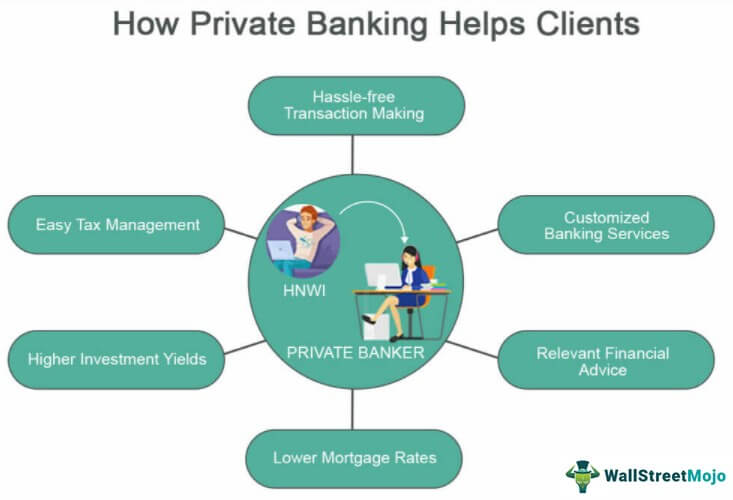
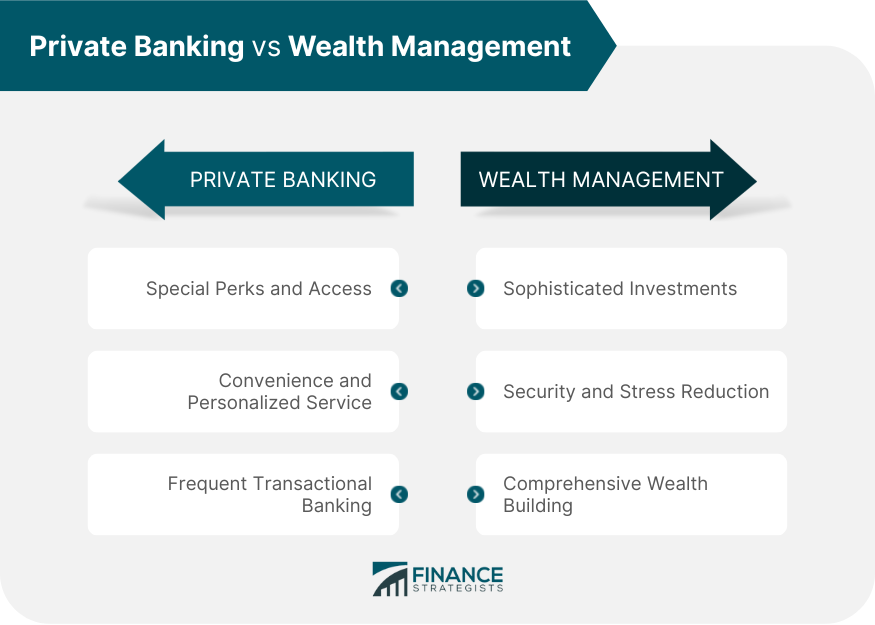
At its core, a private bank provides a highly personalized relationship where a client’s entire financial life is often overseen by a dedicated private banker or team. This relationship-centric model stands in stark contrast to the transactional nature of retail banking. The primary objective is not just to handle money, but to understand a client’s unique financial aspirations, risk tolerance, family dynamics, and legacy goals, then craft tailored strategies to meet them. From sophisticated investment vehicles to complex estate planning and philanthropic endeavors, private banking is a holistic approach to managing substantial financial assets.
The Pillars of Private Banking: Exclusivity and Expertise
The fundamental principles that define private banking revolve around a unique blend of exclusivity, profound expertise, and an unwavering focus on the client’s individual needs. These pillars differentiate it from conventional banking and make it an indispensable service for those with substantial wealth.
Exclusivity and Bespoke Service
Private banking is inherently exclusive, primarily due to the significant asset thresholds required to qualify for its services. This exclusivity translates into a client-to-banker ratio that is dramatically lower than in retail banking, ensuring that clients receive highly personalized attention. Each client is typically assigned a dedicated private banker who acts as a single point of contact, orchestrating a team of specialists across various financial disciplines. This model fosters deep, long-term relationships built on trust and a thorough understanding of the client’s financial ecosystem. The services are not off-the-shelf; instead, they are meticulously tailored, recognizing that no two wealth portfolios, family situations, or financial objectives are identical. This bespoke approach extends to every facet, from customized investment portfolios to intricate succession plans.
Holistic Wealth Management Beyond Transactions
Unlike traditional banking, which often segregates services, private banking adopts a holistic approach to wealth management. It looks at the entirety of a client’s financial picture, integrating various components that are typically handled by different advisors. This comprehensive view allows for synergistic strategies that optimize wealth across all fronts. This integration typically includes:
- Investment Management: Far beyond standard mutual funds, private banks offer access to sophisticated investment products, including private equity, hedge funds, real estate, and structured products, often unavailable to the general public. They provide tailored asset allocation strategies, discretionary portfolio management, and active monitoring to navigate market complexities.
- Financial Planning and Advisory: This encompasses detailed retirement planning, education funding strategies, cash flow management, and strategic advice on major life events like business sales or inheritances. The focus is on long-term financial health and goal achievement.
- Estate Planning and Trusts: Private banks are instrumental in planning for the intergenerational transfer of wealth. This involves structuring trusts, drafting wills, mitigating inheritance taxes, and ensuring a smooth succession process, often working in conjunction with legal counsel.
- Tax Optimization: Through careful structuring of investments and assets, private banks help clients legally minimize their tax liabilities, collaborating with tax specialists to develop efficient strategies that align with broader financial goals.
- Philanthropy Advisory: For many wealthy individuals, giving back is a significant part of their legacy. Private banks assist in establishing charitable foundations, donor-advised funds, and structuring philanthropic endeavors to maximize impact while aligning with financial objectives.
This integrated approach ensures that all aspects of a client’s wealth are managed cohesively, preventing fragmented advice and promoting a unified strategy for wealth preservation and growth.
Core Services and Specialized Offerings
Private banks distinguish themselves through a broad spectrum of services that extend far beyond the capabilities of conventional financial institutions. These offerings are designed to address the complex and multifaceted needs of affluent clients.
Sophisticated Investment Management
The cornerstone of private banking is often its investment management capabilities. Clients gain access to a world of investment opportunities that are typically out of reach for retail investors. This includes:
- Discretionary and Advisory Mandates: Clients can choose to delegate investment decisions to their private bank’s experts (discretionary) or receive tailored advice and make final decisions themselves (advisory).
- Alternative Investments: Access to private equity funds, venture capital, hedge funds, and sophisticated real estate investments provides diversification and potential for higher returns, albeit with higher risks.
- Customized Portfolios: Portfolios are built from the ground up, considering the client’s specific risk tolerance, time horizon, liquidity needs, and ethical considerations (e.g., ESG investing).
- Global Market Access: Private banks leverage their international networks to offer clients investment opportunities across various geographies and asset classes, providing diversification against regional economic fluctuations.
Comprehensive Wealth Planning and Advisory
Beyond investments, private banks provide deep expertise in wealth planning, acting as trusted advisors for critical financial decisions.
- Retirement and Education Planning: Crafting strategies to ensure financial security in retirement and funding future educational expenses for family members.
- Succession Planning for Businesses: Assisting entrepreneurs and business owners in planning for the sale, transfer, or succession of their enterprises, minimizing tax implications and ensuring continuity.
- Risk Management: Analyzing and mitigating financial risks through appropriate insurance solutions, diversification strategies, and robust asset protection plans.
- Intergenerational Wealth Transfer: Structuring mechanisms like trusts and foundations to facilitate the orderly and tax-efficient transfer of wealth to future generations, often involving complex family governance structures.
Specialized Lending and Lifestyle Services
Private banks also offer a suite of specialized lending products and, in some cases, concierge-style services that cater to the unique needs and lifestyles of their affluent clientele.
- Lombard Loans: Loans secured by marketable securities, offering flexible access to liquidity without liquidating investment portfolios.
- Specialized Mortgages: Financing for high-value properties, including international real estate, often with more flexible terms than standard mortgages.
- Art and Aircraft Financing: Niche lending solutions for luxury assets, recognizing their unique value and collateral potential.
- Family Office Services: For ultra-high-net-worth clients, some private banks offer or facilitate comprehensive family office services, which can include administrative tasks, legal and tax coordination, philanthropic management, and even lifestyle management such like travel arrangements, property management, and security consulting. This essentially acts as a personal CFO and COO for the family’s entire affairs.

The Ideal Client Profile for Private Banking
Private banking is not for everyone; it is specifically designed for individuals and families who possess significant financial assets and complex financial needs that extend beyond the scope of traditional retail banking services. Understanding the typical client profile helps in discerning when such a specialized service becomes essential.
High-Net-Worth Individuals (HNWIs)
The primary target audience for private banks consists of HNWIs. While definitions can vary by institution and region, a common benchmark for HNWIs is individuals with investable assets (excluding their primary residence) of $1 million or more. These individuals typically accumulate wealth through successful careers, entrepreneurial ventures, inheritances, or significant liquidity events such as the sale of a business. Their financial lives often involve:
- Multiple income streams or complex compensation structures.
- Diverse investment portfolios, including real estate and private holdings.
- Needs for tax optimization and wealth preservation.
- A desire for personalized advice and access to exclusive financial products.
For HNWIs, a private bank provides the expertise and resources to manage their increasing financial complexity, ensuring their wealth grows efficiently and is protected for the future.
Ultra-High-Net-Worth Individuals (UHNWIs)
A sub-segment of HNWIs, UHNWIs are typically defined as individuals with investable assets of $30 million or more. This group often faces even greater complexity due to the sheer scale of their wealth, its global distribution, and the intricate needs of multi-generational families. UHNWIs often require:
- Sophisticated global investment strategies, including direct investments in businesses.
- Advanced philanthropic planning and the establishment of family foundations.
- Comprehensive estate and succession planning across multiple jurisdictions.
- Family office services to manage a wide array of financial, legal, and lifestyle needs.
- Concierge-level services for various non-financial aspects of their lives.
For UHNWIs, private banks often evolve into partners offering quasi-family office solutions, orchestrating a vast network of specialists to manage every facet of their wealth and lifestyle.
Business Owners and Entrepreneurs
Entrepreneurs and business owners, especially those undergoing significant liquidity events (e.g., selling a company, taking it public), are prime candidates for private banking. They often have substantial but illiquid wealth tied up in their businesses, and upon an exit, they face critical decisions regarding:
- Managing newfound wealth: Structuring assets efficiently after a major transaction.
- Tax implications: Minimizing taxes on capital gains and future income.
- Succession planning: If the business is being passed down, ensuring a smooth transition.
- Diversification: Shifting from concentrated business risk to a diversified personal portfolio.
Private banks are uniquely equipped to guide these individuals through complex transitions, providing strategic advice that integrates business finance with personal wealth management.
Benefits and Considerations of Engaging a Private Bank
Deciding whether to engage a private bank involves weighing the significant advantages against certain considerations, particularly regarding costs and access. Understanding these factors is key to making an informed decision about managing substantial wealth.
Key Advantages of Private Banking
The benefits of private banking are primarily centered around comprehensive care, access to expertise, and bespoke solutions:
- Personalized, Relationship-Driven Service: This is arguably the most significant advantage. Clients receive dedicated attention from a private banker who understands their specific financial situation, goals, and risk tolerance. This deep relationship fosters trust and allows for highly customized solutions.
- Access to Specialized Expertise: Private banks employ a team of specialists in investments, tax, legal, estate planning, and philanthropy. Clients benefit from a consolidated approach, where these experts collaborate to provide holistic advice, often saving the client time and effort in coordinating multiple advisors.
- Exclusive Investment Opportunities: Private banks offer access to a range of investment products and opportunities that are typically unavailable to the general public, including private equity funds, hedge funds, structured products, and unique real estate ventures. This access can provide diversification and potentially enhance returns.
- Comprehensive Wealth Management: Instead of managing various financial aspects separately, private banking integrates investment management, financial planning, estate planning, tax optimization, and even philanthropic advisory into a cohesive strategy. This holistic view ensures that all financial decisions work synergistically towards the client’s overall goals.
- Efficiency and Time-Saving: For busy high-net-worth individuals, having a single point of contact and a team managing their complex financial affairs frees up valuable time and reduces administrative burden.
- Global Reach and Connectivity: Many private banks have an international presence, offering clients seamless cross-border financial management, particularly valuable for those with global assets, multiple residences, or international business interests.
Important Considerations and Challenges
While the advantages are compelling, there are important factors to consider before committing to a private banking relationship:
- High Entry Barriers and Asset Minimums: Private banks typically require significant investable assets, often starting from $1 million, and sometimes much higher for their most exclusive services. This means private banking is not accessible to everyone.
- Higher Fees and Charges: The personalized service, specialized expertise, and access to exclusive products come at a cost. Private banking fees are generally higher than those for standard retail banking or even independent financial advisory services. These can be structured as asset-under-management (AUM) fees, transaction fees, or a combination. It’s crucial to understand the fee structure thoroughly.
- Potential for Complexity: While designed to simplify financial lives, the range and sophistication of services can still be complex. Clients need to be engaged enough to understand the strategies being implemented on their behalf.
- Finding the Right Fit: Not all private banks are created equal, and finding the right institution and, more importantly, the right private banker, whose philosophy, expertise, and personality align with your needs, is critical. This requires due diligence, including checking reputation, service offerings, fee structures, and the quality of the advisory team.
In conclusion, private banking offers an unparalleled level of financial stewardship for those with substantial wealth. It moves beyond transactional banking to provide a comprehensive, personalized, and expert-driven approach to wealth management, preservation, and growth. While its exclusivity and associated costs require careful consideration, for the right client, a private bank can be an invaluable partner in navigating the complexities of significant financial assets and securing a lasting legacy.
aViewFromTheCave is a participant in the Amazon Services LLC Associates Program, an affiliate advertising program designed to provide a means for sites to earn advertising fees by advertising and linking to Amazon.com. Amazon, the Amazon logo, AmazonSupply, and the AmazonSupply logo are trademarks of Amazon.com, Inc. or its affiliates. As an Amazon Associate we earn affiliate commissions from qualifying purchases.