
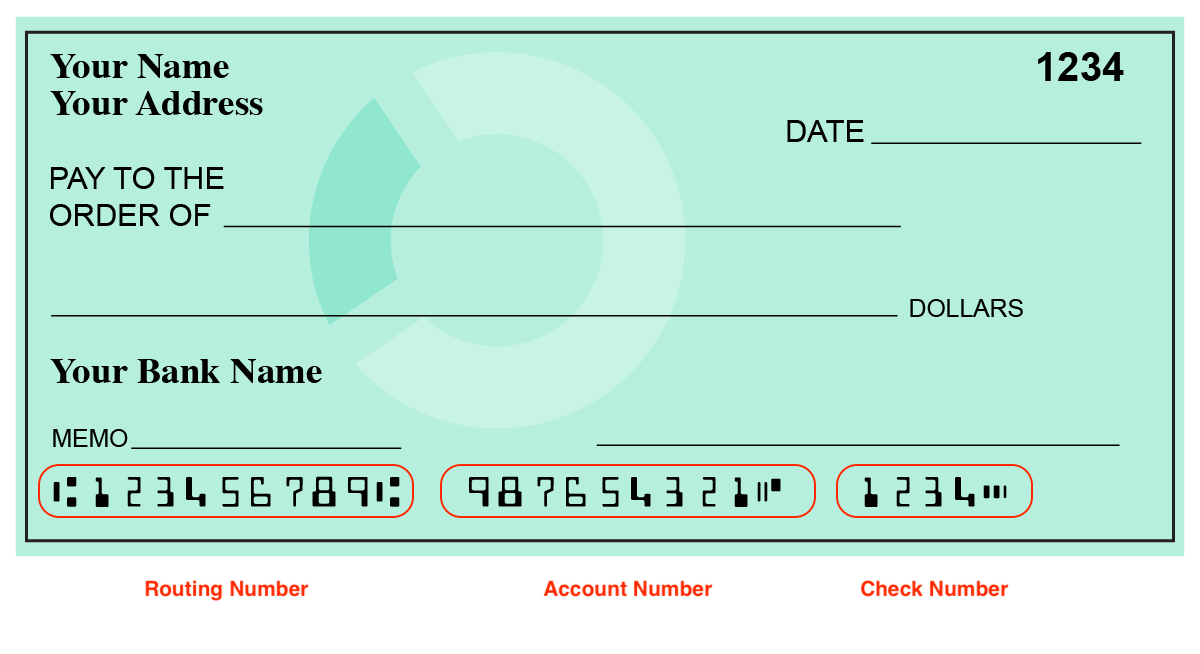
In the intricate world of personal finance, a routing number serves as a critical identifier, acting as a digital address for your financial institution. It’s an essential piece of information required for various transactions, from setting up direct deposits and automatic bill payments to initiating wire transfers and processing electronic checks. While traditionally many people would simply glance at the bottom of a physical check to find this nine-digit code, the digital age has ushered in new banking habits. Fewer people use physical checks, making the need to find your routing number without one a common occurrence. This comprehensive guide will explore the routing number’s significance and provide multiple reliable methods to retrieve it, ensuring your financial operations proceed smoothly and securely.

Understanding the Essentials: What is a Routing Number and Why It Matters
Before delving into the “how-to,” it’s crucial to grasp the fundamental role a routing number plays in the financial ecosystem. This section demystifies the routing number, explains its purpose, and highlights scenarios where you’ll most frequently need it.
The Anatomy of a Routing Number
A routing number, also known as an ABA (American Bankers Association) routing transit number, is a nine-digit code used to identify a financial institution in the United States. Each digit within the sequence holds specific significance, allowing financial networks to accurately direct funds to the correct bank or credit union. These numbers are public and specific to the institution, not to an individual account. Some larger banks may have multiple routing numbers, often differentiated by geographic region or the type of transaction (e.g., ACH transfers vs. wire transfers). It’s crucial to use the correct one for your specific branch or transaction type to avoid delays or complications.
Key Scenarios Where a Routing Number is Indispensable
The importance of your routing number extends across a multitude of financial activities. Knowing where and when you’ll need it can prevent last-minute scrambling. Common situations include:
- Setting Up Direct Deposit: For receiving your paycheck, government benefits, or tax refunds directly into your bank account.
- Automating Bill Payments: Linking your bank account to service providers for recurring payments.
- Initiating ACH Transfers: For electronic funds transfers between banks, such as paying friends or transferring money to another one of your accounts.
- Wire Transfers: Although less common for everyday transactions, wire transfers for significant sums often require specific routing numbers.
- Linking External Accounts: Connecting your primary bank account to investment platforms, online payment services (like PayPal or Venmo), or other financial apps.
- Tax Payments or Refunds: Providing your banking details to the IRS for direct payment or deposit of refunds.
Without the correct routing number, these essential financial operations cannot be completed, underscoring its pivotal role in managing your money effectively in the modern digital age.
Navigating Digital Channels: Online and Mobile Banking Solutions
The most convenient and increasingly common way to find your routing number without a physical check is through your bank’s digital platforms. Online banking portals and mobile banking apps have become sophisticated tools offering a wealth of account information at your fingertips.
Utilizing Your Bank’s Online Banking Portal
Most major financial institutions provide a secure online banking platform where customers can manage their accounts, view transactions, and access account details. Finding your routing number here is typically straightforward:
- Log In Securely: Access your bank’s official website and log in using your username and password. Always ensure you are on a secure connection and the bank’s legitimate site to protect your credentials.
- Navigate to Account Details: Once logged in, look for a section related to “Account Summary,” “Account Details,” “My Accounts,” or similar. You might need to click on a specific checking or savings account.
- Locate Routing Number: The routing number is usually displayed prominently alongside your account number. Sometimes it might be under a “Show Details” or “More Info” dropdown. Some banks provide a dedicated section for “Direct Deposit Information” which will list both your routing and account numbers.
This method is quick, available 24/7, and ensures you’re getting the most up-to-date and accurate information directly from your bank.
Leveraging Mobile Banking Apps for On-the-Go Access
Mobile banking apps have revolutionized how we interact with our finances, offering unparalleled convenience. They also provide an excellent avenue for retrieving your routing number.
- Launch and Authenticate: Open your bank’s official mobile app on your smartphone or tablet and log in using your credentials, Touch ID, Face ID, or PIN.
- Select Account: Tap on the specific checking or savings account for which you need the routing number.
- Find Account Information: Look for an “Account Details,” “Statements,” “Direct Deposit Info,” or “Info & Settings” option within the selected account’s view. The routing number will typically be listed there. Some apps even feature a quick-access button or a prominent display on the account overview screen for this information, recognizing its frequent need.
Mobile apps offer the flexibility to find your routing number anytime, anywhere, making them an invaluable tool for today’s digitally-savvy bank customer.
Beyond Digital: Alternative Methods for Retrieval
While online and mobile banking are often the quickest routes, there are several other reliable ways to obtain your routing number, particularly useful if you’re not set up for digital banking or prefer traditional methods.
Perusing Your Bank Statements
Bank statements, whether physical paper copies or electronic PDFs, are a treasure trove of your account information, including your routing number.
- Physical Statements: If you receive paper statements in the mail, simply locate a recent one. The routing number is usually printed at the bottom or top of the statement, often near your account number and bank address.
- Electronic Statements (e-Statements): Many banks offer e-statements accessible through your online banking portal. Download a recent e-statement (usually in PDF format) and open it. The routing number will be present in the same locations as a physical statement. This method offers a secure and readily available alternative to physical checks.
Checking your statements provides a verifiable record of your bank’s routing information, often useful for double-checking details.
Direct Communication: Contacting Your Bank
When in doubt, or if you encounter difficulties with digital platforms, a direct line to your bank’s customer service or a visit to a branch remains a reliable option.
Calling Customer Service
Customer service representatives are equipped to provide you with your routing number after verifying your identity.
- Find the Official Number: Locate your bank’s official customer service phone number on their website, the back of your debit card, or a recent bank statement.
- Prepare for Verification: Be ready to answer security questions, provide your account number, and potentially other personal identifiers to confirm your identity.
- Request Information: Clearly state that you need your routing number for a specific account. They will typically provide it over the phone.
While this method might involve a waiting time, it offers direct, verified assistance from a bank employee.
Visiting a Local Branch
For those who prefer face-to-face interaction or require additional assistance, visiting a local branch is an excellent option.
- Locate a Branch: Use your bank’s website or app to find the nearest branch location.
- Bring Identification: Take a valid photo ID (e.g., driver’s license, passport) and possibly your debit card or account number for identity verification.
- Consult with a Teller: A bank teller can quickly provide you with the correct routing number for your account after verifying your identity. They can also often print it out for you or guide you through finding it on your statement or online.
Visiting a branch offers a high level of security and personalized service, making it ideal for complex inquiries or if you’re uncomfortable sharing details over the phone.
Leveraging Your Bank’s Official Website
Many banks provide specific tools or dedicated pages on their public websites to help you find their routing number without needing to log in.
- Check the Footer or “Contact Us” Page: Often, the routing number for general inquiries or direct deposit is listed in the footer of the bank’s homepage or on their “Contact Us,” “Help,” or “FAQ” pages.
- Dedicated Routing Number Lookup Tool: Some banks offer a simple lookup tool where you can enter your state or ZIP code to find the correct routing number, especially for institutions with multiple routing numbers.
- Direct Deposit Forms: Search for “direct deposit form” on your bank’s website. These downloadable PDFs will invariably contain the routing number required for setting up direct deposits.
This method is publicly accessible and doesn’t require login credentials, making it quick for general inquiries, but always double-check it against other methods if using it for critical transactions.
Ensuring Accuracy and Security When Retrieving Your Routing Number
While obtaining your routing number without a check is straightforward, it’s paramount to prioritize accuracy and security to protect your financial interests. A single incorrect digit can lead to significant delays, misdirected funds, or even expose you to fraud.
Double-Check for Accuracy
Always verify the routing number, regardless of the method you use. If possible, cross-reference it with a second source. For instance, if you found it on your mobile app, quickly confirm it on your online banking portal or a recent statement. This simple step can prevent the hassle of bounced payments or delayed deposits. Remember that some banks have different routing numbers for different types of transactions (e.g., ACH vs. wire transfers) or for different geographic regions. Be explicit about the type of transaction when asking for the routing number.

Safeguarding Your Financial Information
Your routing number, when combined with your account number, represents your unique banking identity. Protecting this information is crucial.
- Use Official Channels Only: Always retrieve your routing number from official bank websites, apps, statements, or by directly contacting customer service. Avoid third-party websites or unverified sources.
- Beware of Phishing: Be vigilant against emails, texts, or calls requesting your banking information. Legitimate banks will rarely ask for your full account details or routing number via unsolicited communications.
- Secure Your Devices: Ensure your computer and mobile devices are protected with strong passwords, up-to-date antivirus software, and secure Wi-Fi connections, especially when accessing online banking.
- Dispose of Sensitive Documents Securely: If using physical statements, shred them before disposal to prevent unauthorized access to your account details.
By adopting these practices, you can confidently obtain and use your routing number, ensuring your financial transactions are both successful and secure. The days of relying solely on physical checks for this vital piece of information are behind us, replaced by a suite of convenient and accessible digital and traditional options. Understanding and utilizing these methods empowers you to manage your finances with greater efficiency and peace of mind.
aViewFromTheCave is a participant in the Amazon Services LLC Associates Program, an affiliate advertising program designed to provide a means for sites to earn advertising fees by advertising and linking to Amazon.com. Amazon, the Amazon logo, AmazonSupply, and the AmazonSupply logo are trademarks of Amazon.com, Inc. or its affiliates. As an Amazon Associate we earn affiliate commissions from qualifying purchases.